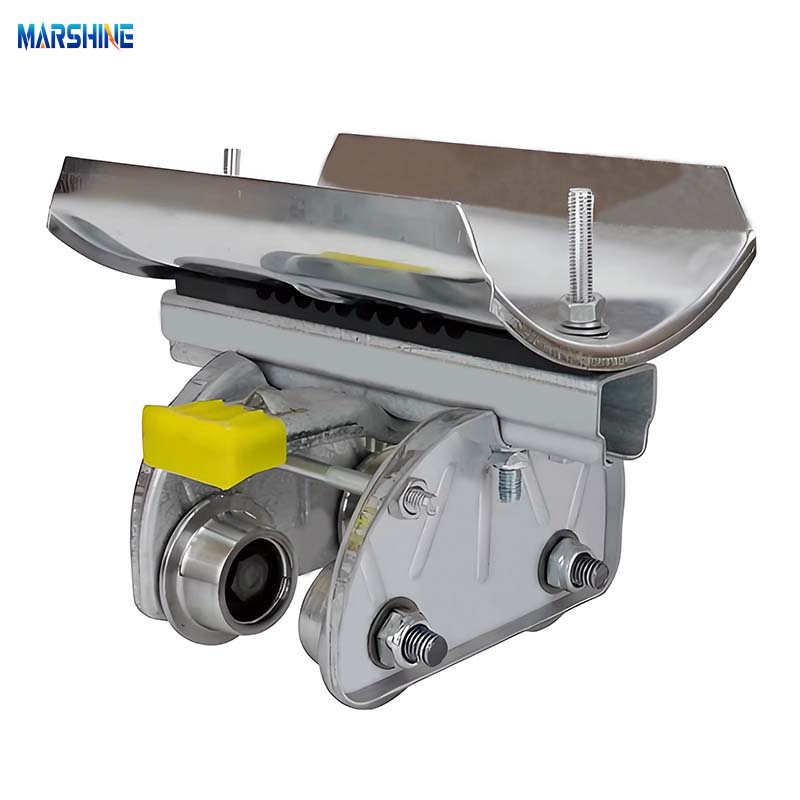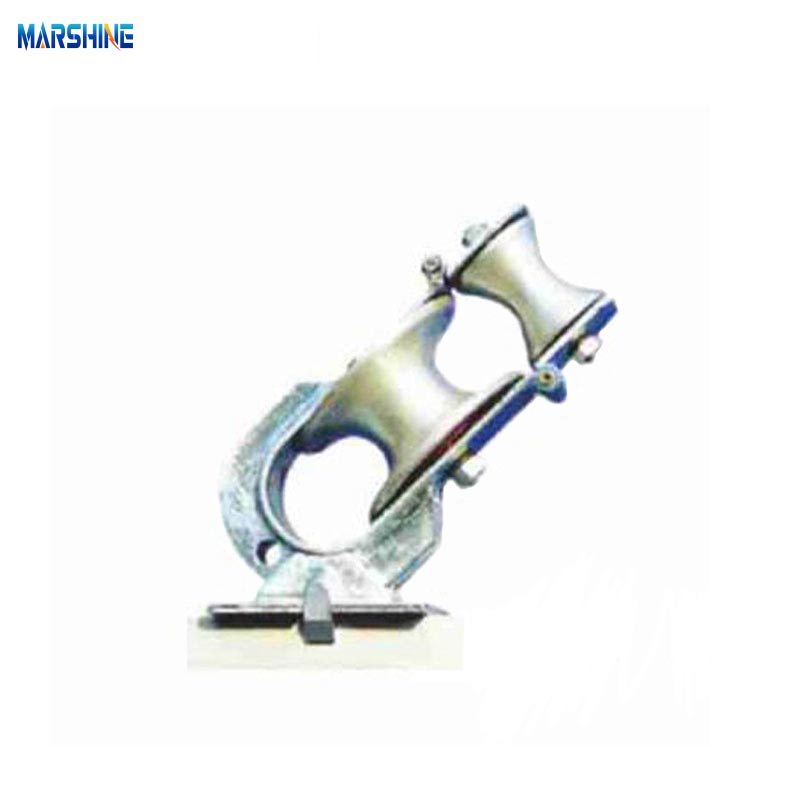


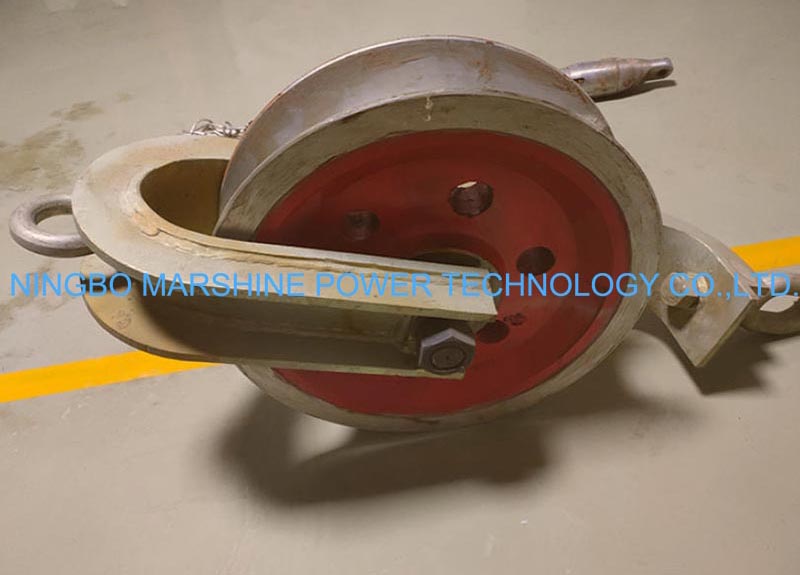
A cable stringing block may look like a simple wheel and frame, but on an overhead line project it becomes a critical load-bearing control point. The wrong choice can damage conductors, increase pulling tension, delay crews, or create unsafe tower conditions. This guide explains how to match a block to real field requirements, including working load limit, design factor, sheave groove size, conductor type, span conditions, bearing protection, and wheel material. Whether you are planning a light distribution pull or a bundled transmission installation, understanding these specifications helps you choose equipment that runs smoothly, protects the line, and supports safer, more efficient construction.
Define Cable Stringing Block Requirements
When tackling overhead line construction, selecting the appropriate cable stringing block is essential. These tools are the pivot points of aerial cable installation, carrying immense tension and guiding heavy conductors across vast distances.
Choosing the right equipment ensures the operation runs smoothly without damaging the conductor or risking equipment failure on the tower. Let's break down exactly how to evaluate your project's unique requirements before making a purchase, focusing on key performance traits that keep crews safe and efficient.
Key Specifications to Confirm First
First, you need to establish the fundamental specifications of the block. The working load limit (WLL) is non-negotiable; typical stringing operations require blocks rated anywhere from 10 kN for lighter distribution lines up to heavy-duty 100 kN ratings for bundled transmission setups. The equipment's design factor—typically a 3:1 or 5:1 ratio between the minimum breaking load (MBL) and the rated WLL, depending on regional standards—provides a necessary safety margin. However, operators must treat the published WLL as an absolute operational ceiling regardless of the MBL ratio, rather than relying on the safety factor to absorb dynamic loads. You also need to verify the sheave groove radius, which must comfortably accommodate your specific conductor's outer diameter without pinching or crushing the outer strands.
A reliable stringing block features an anti-twisting structural frame. This design ensures that even under maximum pulling tension, the tool won't warp, twist, or misalign the cable, which is critical for maintaining a smooth, uninterrupted pull.
How Line Conditions Affect Selection
The environment and conductor type—whether ACSR, ACSS, or delicate OPGW—change everything about your equipment needs. For straight, flat runs, standard single-sheave blocks work perfectly. However, if your crew is dealing with sharp deviation angles or long valley spans, you will need multi-sheave assemblies or specialized helicopter-deployable blocks to handle the dynamic, shifting loads. Additionally, when pulling bundled conductors, ensure the block setup accommodates running boards to prevent twisting.
Line conditions also dictate the internal components of the block. High-altitude or highly corrosive coastal environments demand models equipped with sealed, heavy-duty bearings. These specialized bearings lock out moisture, salt, and grit, preventing mid-pull seizures that can cause costly project delays.
Compare Materials and Wheel Designs
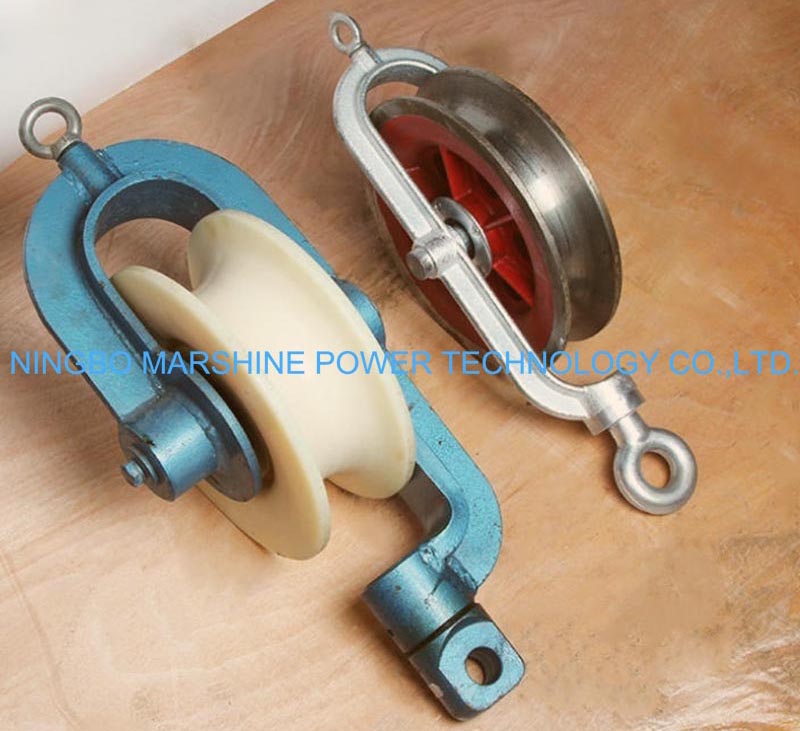
Once you know the load and environmental demands, evaluate the physical construction of the block itself. The materials and wheel designs directly dictate how well the tool withstands friction and whether it treats expensive conductors with care.
Nylon vs Aluminum Sheaves
The most common debate in the industry is whether to use nylon or aluminum sheaves. MC (monomer cast) nylon wheels are incredibly popular because they are lightweight and naturally protect the outer aluminum strands of the conductor from scratching during the pull. Conversely, cast aluminum sheaves offer superior heat dissipation and extreme wear resistance, making them ideal for pulling rough braided steel wire ropes or handling highly abrasive environmental conditions. For delicate cables like OPGW or fragile fiber optics, neoprene-lined sheaves are critical; their cushioned grooves prevent crushing and protect sensitive internal fibers during installation.
Nylon and aluminum sheaves have different coefficients of friction, which directly affects pulling-tension calculations. Furthermore, while MC nylon is versatile, it can deform under high bearing pressure or temperature extremes, requiring regular groove-wear inspection. Note that while the table below lists typical WLL ranges associated with these applications, a block's actual working load limit is determined strictly by its frame, hook, and axle assembly rather than the sheave material alone.
| Sheave Material | Relative Weight | Wear Resistance | Best Application | Typical WLL Range |
|---|---|---|---|---|
| MC Nylon | Light | Moderate | Standard conductor pulling | 10 kN - 60 kN |
| Cast Aluminum | Medium | High | Abrasive pulls, steel ropes | 30 kN - 100+ kN |
| Neoprene Lined | Heavy | Very High | OPGW / fragile fiber cables | 10 kN - 50 kN |
Selecting the right material ultimately comes down to balancing the lifespan of the sheave against the need to protect the cable jacket or outer strands from friction damage.
Model, Rating, and Size Comparison
Beyond material, comparing model configurations is essential. Single-sheave blocks suit standard straight pulls, while tandem or multi-sheave assemblies distribute loads across multiple wheels for heavy bundles or sharp angles. Helicopter-deployable models feature specialized guides for efficient aerial insertion.
Physical sizing is also critical to prevent conductor fatigue. A reliable rule of thumb is adhering to the sheave-to-conductor diameter (D/d) ratio to respect the cable's minimum bending radius. A 20:1 ratio is the typical minimum industry standard, while higher ratios further reduce conductor strain. For instance, crews often step up to larger wheels—such as 660 mm or 822 mm diameter examples—when pulling large conductors up to 400 mm² in cross-section to maintain this critical ratio. Explicit guidance also requires matching the sheave groove radius precisely to the conductor's outer diameter to ensure proper seating.
Using an undersized cable stringing block forces the cable into a tight bend, which can pop strands or permanently damage the core. When comparing models, look for designs featuring easily opening side plates. This feature dramatically speeds up conductor insertion and removal on the pole, saving hours of manual labor over the course of a long transmission line.
Choose the Right Supplier
Even with the perfect specs and materials in mind, your project's success ultimately hinges on who manufactures your gear. Partnering with a supplier that has proven high-voltage transmission project experience guarantees that the tools arriving on site actually match the promises made on the specification sheet.
A reliable manufacturing partner does more than just sell equipment; they provide strict procurement assurances, including clear warranty terms, dimensional inspection reports, and the availability of field technical support to keep power grid construction running smoothly.
Quality and Compliance Checks
Never compromise on industry compliance.
Further reading:
Key Takeaways
- Confirm the cable stringing block’s WLL before purchase, and treat ratings from 10 kN to 100 kN as strict operating limits, not suggestions.
- Select a sheave groove radius that fits the conductor diameter to prevent crushing, strand damage, and excessive pulling friction.
- Choose multi-sheave assemblies for sharp angles, valley spans, bundled conductors, or any run where dynamic loads exceed standard straight-line conditions.
- Use sealed heavy-duty bearings in coastal, wet, dusty, or high-altitude environments to reduce the risk of mid-pull bearing seizure.
- Pick MC nylon sheaves to protect aluminum conductor surfaces, and choose aluminum sheaves when heat dissipation and abrasion resistance are higher priorities.
Frequently Asked Questions
What working load limit should a cable stringing block have?
Match the WLL to the line and conductor load. Light distribution work may need around 10 kN, while bundled transmission projects can require 100 kN or more. Never exceed the published WLL.
Why does sheave groove size matter?
The groove must fit the conductor’s outer diameter without pinching, flattening, or scratching it. A poor match can damage strands, increase friction, and reduce conductor life.
When should I use a multi-sheave stringing block?
Use multi-sheave blocks for sharp deviation angles, long spans, bundled conductors, or high-tension transmission work where load distribution and conductor control are critical.
Are nylon or aluminum sheaves better for overhead line stringing?
MC nylon sheaves are lighter and help protect aluminum conductor strands. Aluminum sheaves offer better heat dissipation and wear resistance, especially with steel rope or abrasive conditions.
What design factor is common for stringing blocks?
Many stringing blocks use a 3:1 or 5:1 design factor between minimum breaking load and WLL, depending on standards. This safety margin does not permit overloading.