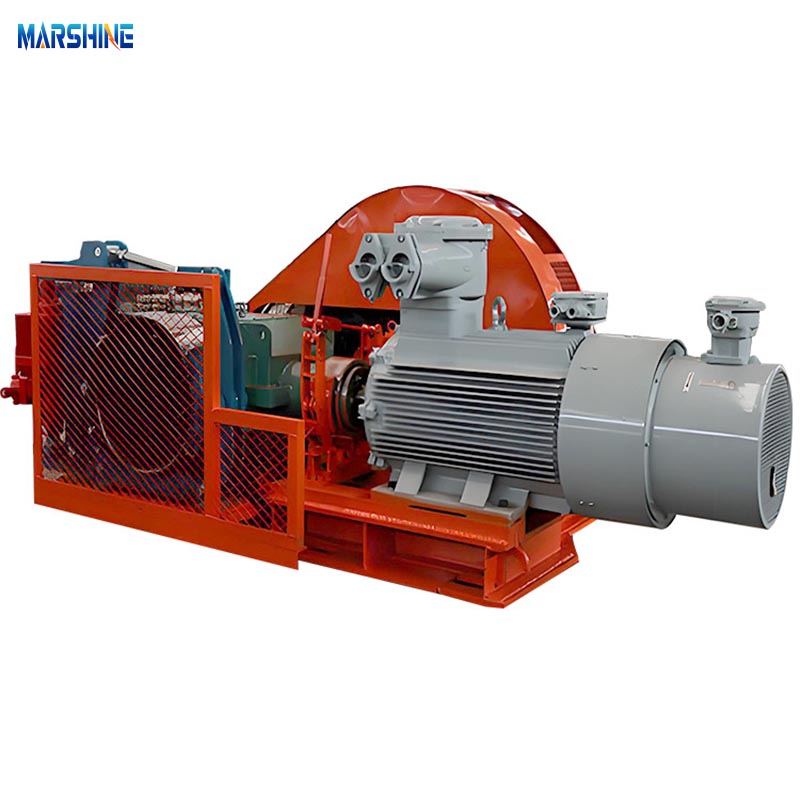
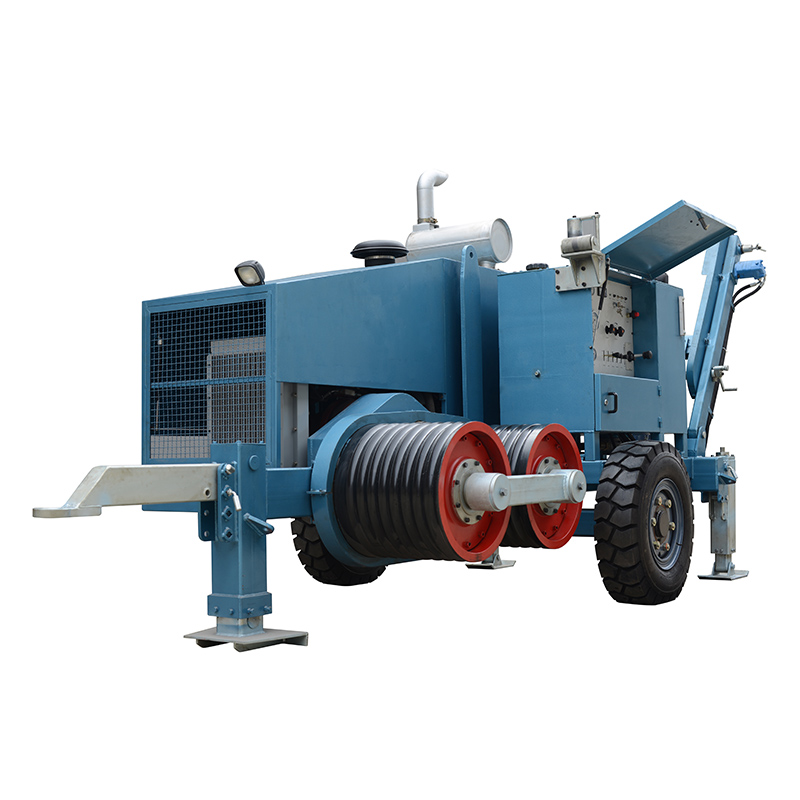



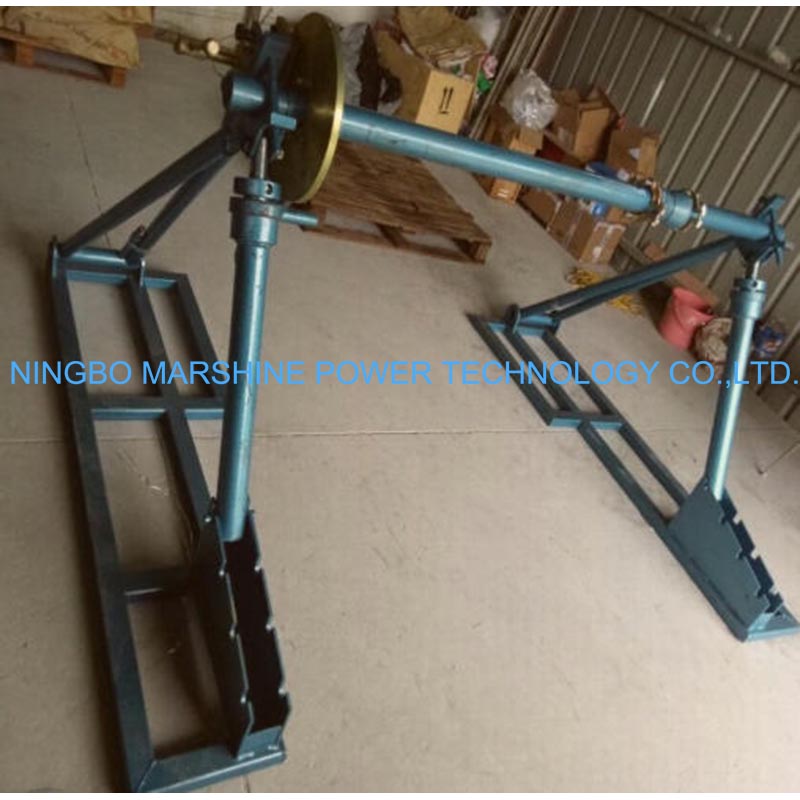
Heavy cable reels can turn a routine line construction task into a high-risk bottleneck. Manual cranking, improvised lifting methods, and undersized supports increase fatigue, slow setup, and expose crews to avoidable injury. Hydraulic cable payoff equipment changes that workflow by using controlled hydraulic lift power, matched stands, and heavy-duty spindles to raise and support loaded drums more efficiently. This article explains how these systems improve reel handling, what specifications matter most, and why details such as load rating, reel diameter, spindle fit, frame geometry, and cold-weather hydraulic performance should guide every selection. For utility and grid crews, the right payoff setup is not just convenient—it is a measurable safety and productivity upgrade.
How Hydraulic Cable Payoff Improves Reel Handling and Safety
When crews are in the field working on complex power grid construction, manually handling massive cable drums leads to fatigue, project delays, and severe injury. A complete hydraulic cable payoff system—typically consisting of a matched pair of stands and a heavy-duty central spindle—provides a safer, more efficient alternative. Compared to mechanical screw-jacks that require strenuous manual cranking or pneumatic systems that rely on external compressors, hydraulic payoffs offer faster lift speeds, greater precision, and lower maintenance needs. Instead of relying on brute force, makeshift levers, or bulky cranes, these specialized systems use integrated hydraulic jacks, powered either by manual hand pumps or external hydraulic power units, to elevate heavy reels smoothly.
By integrating these safe and manageable stands into the daily workflow, utility companies can drastically reduce setup times while protecting their crews. Reliable line construction equipment is the backbone of efficient operations. When selecting a payoff, operators must consider operational caveats such as hydraulic fluid compatibility and cold-weather performance limits to ensure continuous reliability in harsh environments. For instance, crews should consult specific manufacturer datasheets for recommended fluid viscosity grades (such as using ISO VG 32 as an example for winter operations) and verify that hydraulic seals are rated to prevent shrinkage and pressure loss in freezing temperatures.
Key Hydraulic Cable Payoff Specifications
Maximizing the utility of this equipment requires a close review of core specifications. It is crucial to distinguish between a true "hydraulic cable payoff," which includes tension braking and controlled unspooling, and a basic "hydraulic reel lifter" or "drum lifter," which simply elevates the reel without tension control. A standard hydraulic cable payoff is built for substantial weight, with typical load capacities for a matched pair ranging from 3 tons for local distribution work up to 10 tons or more for heavy transmission lines.
These units accommodate a wide reel diameter range, typically from 800 mm up to 3200 mm. The defining feature is the self-contained hydraulic cylinder mechanism on each stand. This allows operators to elevate the fully loaded reel off the ground efficiently, replacing what was previously a physically demanding task requiring a larger crew.
Frame Design and Reel Loading Considerations
Frame design plays a critical role in functionality and on-site safety. Most high-quality payoffs utilize a robust A-frame or trapezoidal base constructed from heavy-duty welded steel tubing. This wide structural footprint prevents the drum from tipping over when the heavy conductor cable is pulled at a sharp angle. Operators must verify spindle diameter compatibility with the reel and ensure the spindle length is properly matched to the reel's flange width—not just its diameter—to prevent dangerous lateral walk-off during operation. Crews must also account for logistics limits, such as the transport trailer's weight capacity and whether the stands allow for quick disassembly for easier transport between sites.
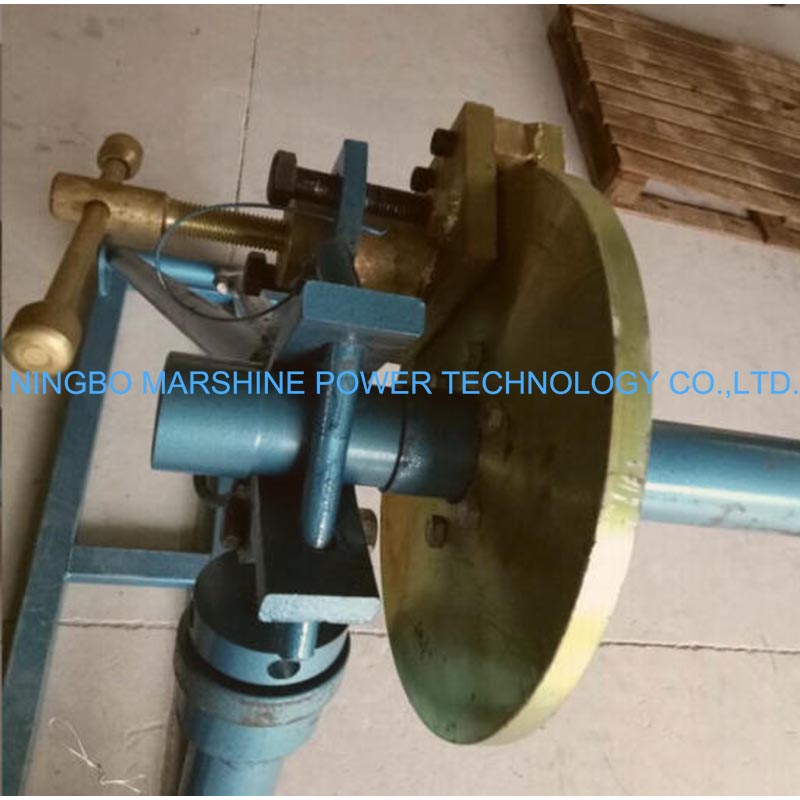
Furthermore, modern setups feature adjustable spindle cradles equipped with multiple height lock pins, ensuring the reel remains level during operation. This structural stability keeps the assembly grounded securely, even on the unpredictable, uneven terrain commonly found at off-road utility job sites.
Hydraulic Cable Payoff Performance Factors to Compare
Selecting the right payoff requires evaluating how the equipment performs under active, sustained pulling tension. Whether the project involves overhead line work or underground cable installation, the payoff must release the conductor smoothly. Any jerking, stuttering, or over-spinning can cause dangerous slack, tangles, and costly damage to the cable sheath.
Hydraulic Lift Control, Braking, and Tension Management
The standout feature of a top-tier hydraulic reel lifting stand designed for payoff operations is its integrated tension management system. Without a highly reliable brake, a heavy spinning drum carries excessive momentum and will continue unspooling after the pulling winch stops.
Quality models feature mechanical friction brakes or advanced disc brakes attached directly to the spindle, allowing operators to dial in consistent back tension. Rather than relying on guesswork, operators should set this tension based on specific manufacturer datasheets—which might cite example ranges like 2 kN to 10 kN depending on the equipment size—or calculate it as a specific percentage of the load per the pull plan charts. This controlled braking feature ensures the cable feeds out tight and straight, protecting both the conductor and the downstream pulling equipment from sudden shock loads.
Comparison Criteria for Hydraulic Cable Payoff Models
When evaluating options, comparing structural and performance features side-by-side streamlines the sourcing decision. Look for manufacturers that back their hardware with rigorous, up-to-date standards, such as ISO 9001:2015 (or legacy equivalents like the Chinese national standard GB/T19001-2008). Rather than just a credential, these certifications guarantee consistent manufacturing tolerances, verifiable weld traceability, and documented factory load testing for reliable field performance.
| Model Class | Max Load Capacity (Matched Pair) | Supported Reel Diameter | Stand Weight (Per Pair, approx) | Primary Application |
|---|---|---|---|---|
| Light Duty | 3,000 kg | 800 - 1,400 mm | 60 kg | Telecom & Fiber Optic |
| Medium Duty | 5,000 kg | 1,200 - 2,400 mm | 110 kg | Underground Distribution |
| Heavy Duty | 10,000 kg | 2,000 - 3,200 mm | 250 kg | High-Voltage Transmission |
Reviewing these comparison criteria helps crews match the exact tool to the job, ensuring they do not over-specify heavy-duty stands for lighter fiber optic lines, or dangerously overload a light-duty frame during a major transmission pull.
How to Specify, Source, and Operate a Hydraulic Cable Payoff
Properly specifying and sourcing the right equipment requires looking beyond the initial spec sheet to consider real-world operation, safety protocols, and long-term lifecycle support. When sourcing equipment, evaluating established providers—such as MARSHINE or other recognized manufacturers—requires reviewing their quality control philosophies and requesting test reports. Line construction equipment, from cable drum trailers to stringing blocks, must withstand the unforgiving daily grind of power grid expansion.
Setup Steps for Positioning, Reel Loading, and Operation
Setting up a hydraulic cable payoff requires strict adherence to safety steps to guarantee a secure
Further reading:
Key Takeaways
- Choose a hydraulic cable payoff instead of manual screw-jack handling when heavy reels must be lifted faster, more precisely, and with less crew fatigue.
- Match the payoff capacity to the job, with typical paired stand ratings ranging from about 3 tons for distribution work to 10 tons or more for transmission lines.
- Confirm both reel diameter and flange-width compatibility because the spindle length and diameter are critical to preventing lateral reel walk-off.
- Use wide A-frame or trapezoidal welded steel stands with secure height lock pins to keep the reel stable and level during payout.
- Check hydraulic fluid viscosity, seal ratings, and cold-weather limits before field use to avoid pressure loss or poor lifting performance.
Frequently Asked Questions
What is a hydraulic cable payoff used for?
A hydraulic cable payoff lifts and supports heavy cable reels so crews can unspool conductor or cable in a controlled, safer way during utility, power grid, and line construction work.
How is a hydraulic cable payoff different from a hydraulic reel lifter?
A reel lifter mainly raises the drum, while a true hydraulic cable payoff supports controlled unspooling and may include tension braking for safer, more stable reel handling.
What load capacity should crews look for?
Capacity depends on the project. Matched hydraulic payoff stands commonly range from about 3 tons for distribution work to 10 tons or more for heavy transmission applications.
What reel sizes can hydraulic payoff stands handle?
Many systems accommodate reel diameters from roughly 800 mm to 3200 mm, but crews must also confirm spindle diameter, spindle length, and reel flange width compatibility.
Why does frame design matter for safety?
A wide A-frame or trapezoidal welded steel base improves stability and helps prevent tipping, especially when heavy cable is pulled at an angle on uneven job sites.