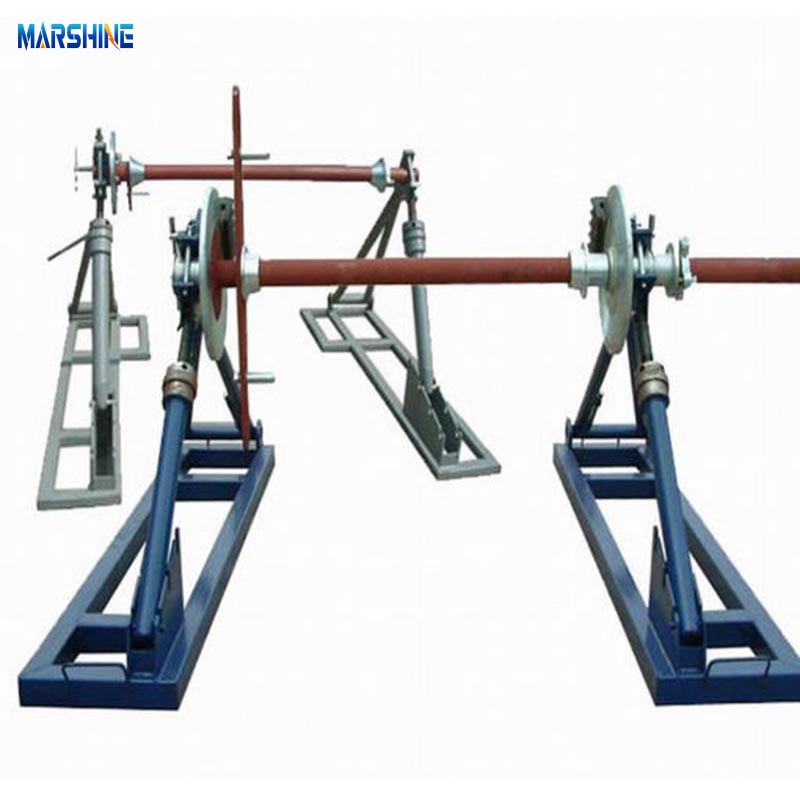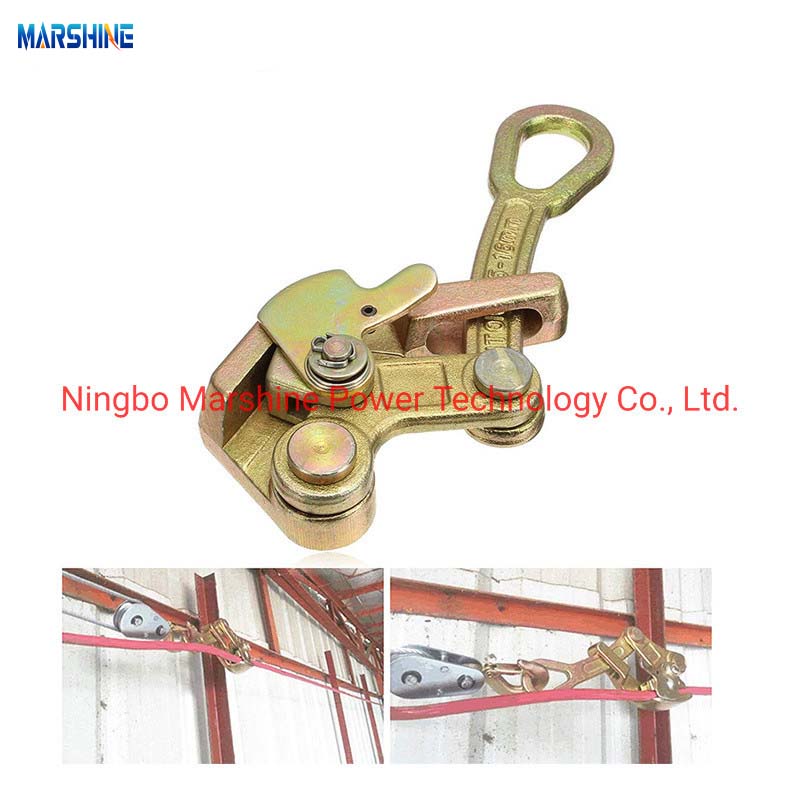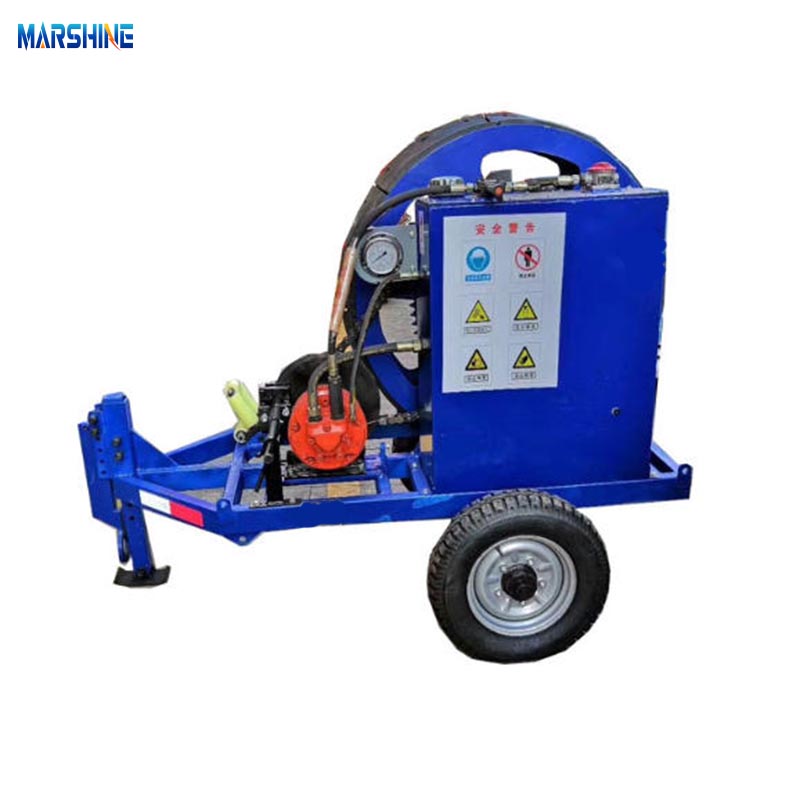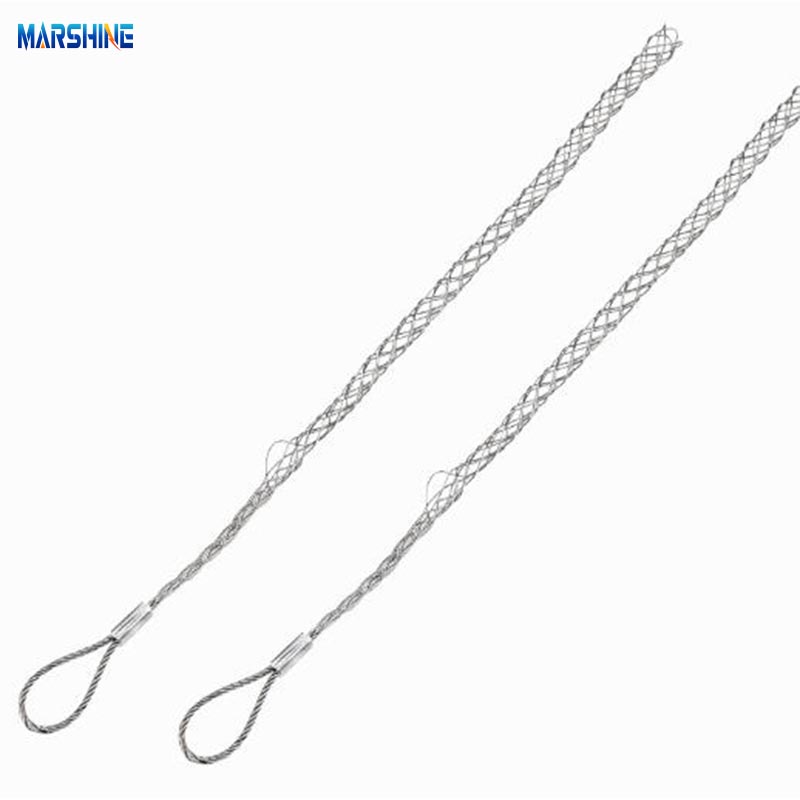
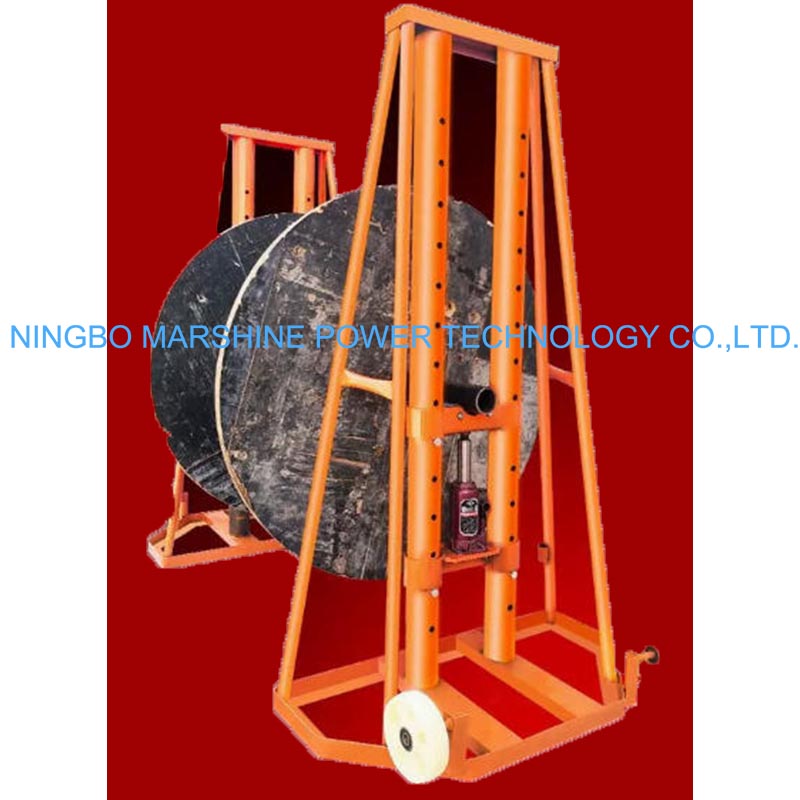
Using a hydraulic cable reel jack correctly is crucial for a smooth operation. It enhances safety and boosts efficiency. For instance, businesses can experience a 25% reduction in operational errors when they adopt these tools. Moreover, MARSHINE's hydraulic cable drum jacks streamline cable handling, saving both time and money. Additionally, the hydraulic drum jack stand provides added stability and support during operations, further improving overall performance.
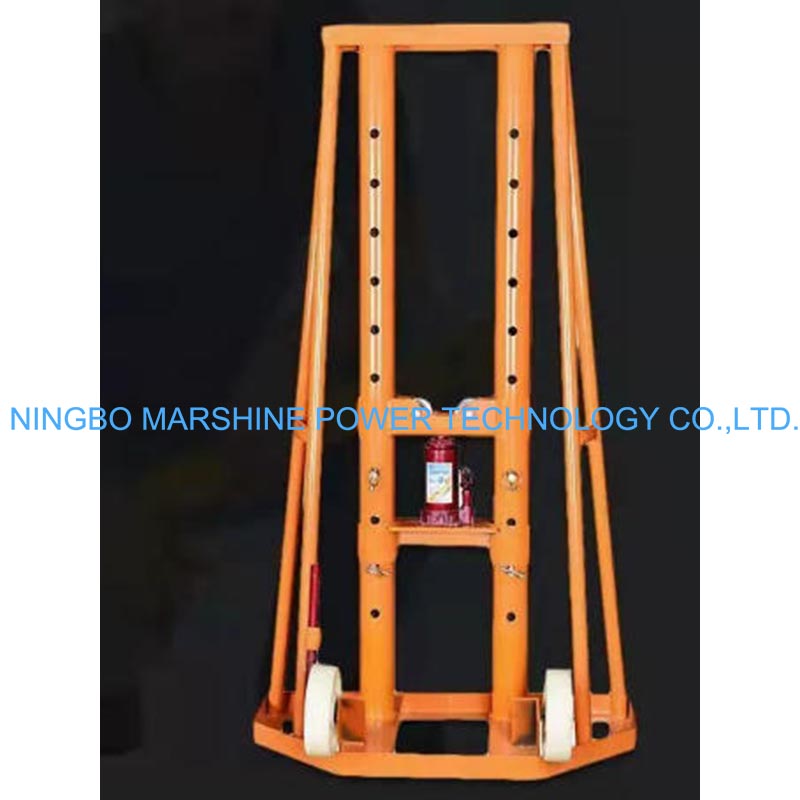
Hydraulic cable reel jacks come with various specifications that enhance their functionality. Here’s a quick overview of some key specifications:
| Specification | Description |
|---|---|
| Load Capacity & Overload Protection | Rated load capacity should match drum weight; models above 5 tons require 150% overload protection. |
| Safety Certifications | Includes CE, ANSI/ASME B30.1, ISO 17025, ASTM A123, OSHA/EN 1494 for safety and compliance. |
| Drum Dimensions & Hydraulic Stroke | Hydraulic stroke must match drum height and diameter to avoid operational issues. |
| Total Lifecycle Cost | Consider seal replacement frequency, warranty coverage, and energy consumption per lift cycle. |
| Equipment Compatibility | Ensure jack interfaces with existing reel trailers and accessories. |
| Supplier Support | Look for vendors offering maintenance training and rapid part replacement. |
| Customization Needs | Options for customization to align with project or branding requirements. |
Modern hydraulic cable reel jacks also feature several benefits that improve their usability:
| Feature | Benefit |
|---|---|
| Adjustable height and rotation | Allows precise alignment with conduit entry points |
| Supports large drums (up to 48" diameter) | Facilitates controlled payout on multi-story projects, reducing tripping hazards |
| Maintains proper tension | Prevents fraying or insulation damage on motor and control cables |
| Portable models | Allow deployment in remote or damaged infrastructure zones |
| Built with corrosion-resistant materials | Ensures long-term outdoor use |
| Compact, mobile designs | Cut setup and teardown time by up to 40% compared to manual handling |
There are several types of hydraulic cable reel jacks available, each designed for specific applications. Some common types include:
Using a hydraulic cable reel jack not only enhances efficiency but also ensures safety during cable handling tasks.
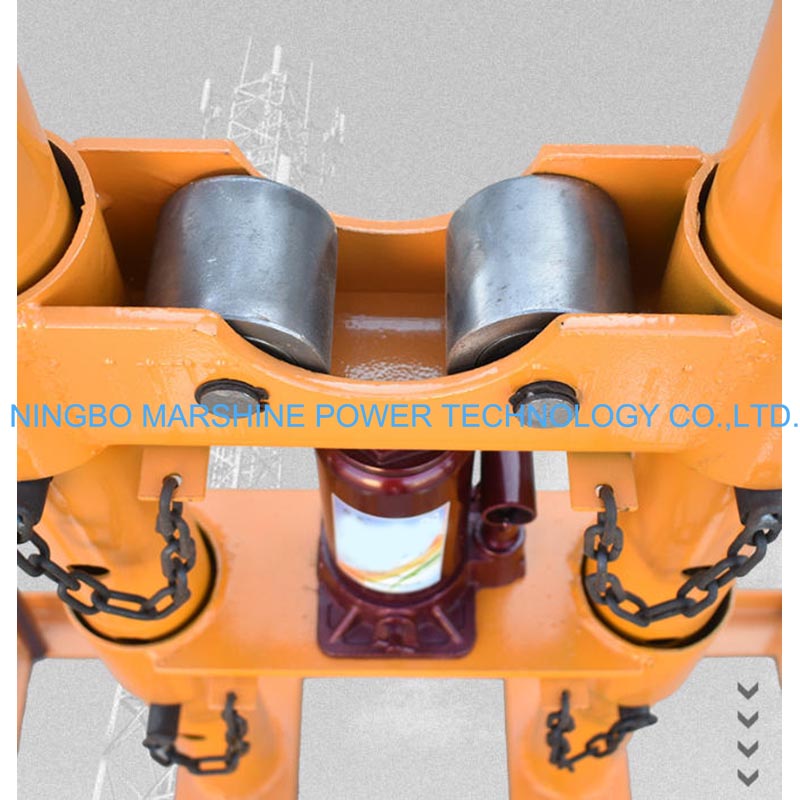
Before using a hydraulic cable reel jack, it’s essential to prepare the work area. A clean and organized space helps prevent accidents and ensures smooth operations. Here are some steps to follow:
Tip: Always inspect the hydraulic jack before use. Check seals and valves to ensure they function properly.
Once the work area is ready, it’s time to set up the hydraulic cable reel jack. Follow these steps for a successful setup:
Now that the jack is set up, it’s time to operate it. Here’s how to do it safely and effectively:
| Procedure/Tip | Description |
|---|---|
| Safety Checks | Always inspect the hydraulic jack before use, ensuring seals and valves are functioning properly. |
| Proper Lifting Techniques | Use jack stands immediately after lifting to prevent accidents; never work under a jack alone. |
| Monthly Fluid Checks | Check hydraulic fluid levels and condition monthly to prevent breakdowns; replace dark fluid. |
| Controlled Descent | Lower the load carefully by cracking the release valve gently to ensure even descent. |
| Maintenance Tracking | Keep a log of inspections and maintenance to identify potential issues early. |
After operating the hydraulic cable reel jack, securing the load is crucial for safety. Here’s how to do it:
Note: Neglecting to secure the load can lead to serious accidents. Always prioritize safety.
By following these steps, users can effectively operate a hydraulic cable reel jack while ensuring safety and efficiency.
Using a hydraulic cable reel jack can be safe and efficient, but it’s essential to take the right precautions. Safety should always come first. Here are some key safety measures to consider.
Wearing the right personal protective equipment (PPE) is crucial when operating a hydraulic cable reel jack. Here’s a list of essential gear:
Tip: Always inspect your PPE before use. Make sure everything fits well and is in good condition.
While using a hydraulic cable reel jack, be aware of potential hazards. Here are some common risks and how to avoid them:
| Hazard Type | Description |
|---|---|
| High-pressure fluid injection | Injuries can occur if hydraulic fluid leaks or if damaged parts inject fluid into the body. |
| Burns | Contact with hot hydraulic fluid or components can lead to severe burns. |
| Crushing hazards | Body parts caught in moving components can result in crushing injuries. |
| Chemical exposure | Toxic compounds in hydraulic fluids can cause health issues through skin contact or inhalation. |
To prevent these hazards, consider implementing the following preventive measures:
By following these safety precautions, operators can significantly reduce the risk of accidents and injuries while using a hydraulic cable reel jack.
Regular inspections keep your hydraulic cable reel jack in top shape. Operators should follow these guidelines:
Following these steps helps prevent unexpected failures during operation.
Keeping your hydraulic cable reel jack clean and well-lubricated is essential for longevity. Here are some tips:
Regular cleaning and lubrication ensure smooth operation and extend the life of the equipment.
Even with proper maintenance, issues can arise. Here’s a quick guide to diagnosing common problems:
| Issue Description | Diagnostic Steps |
|---|---|
| Jack Does Not Fully Extend or is Slow to Release | Check for compromised fluid flow affecting lifting mechanisms. |
| Squeaky or Damaged Wheels | Inspect wheels for excessive noise; apply heavy oil for lubrication if necessary. |
| Leaks | Examine the unit thoroughly to determine the source of the leak. |
If the jack malfunctions, operators should consult the user manual for specific troubleshooting steps. Addressing issues promptly keeps operations running smoothly.
Using a hydraulic cable reel jack correctly is vital for safety and efficiency. Proper usage and maintenance can significantly extend the lifespan of your equipment. Here are some benefits of following safety protocols:
By adhering to the outlined steps, operators can enjoy a smoother operation and improved performance. Embrace the advantages of effective hydraulic cable reel jack usage today!
A hydraulic cable reel jack helps lift and support heavy cable drums during installation or maintenance, ensuring safe and efficient operations.
Regularly inspect for wear, clean it after use, and lubricate moving parts to ensure optimal performance and longevity.
It's best to avoid using the jack on uneven surfaces. Always ensure a stable and level ground for safe operation.