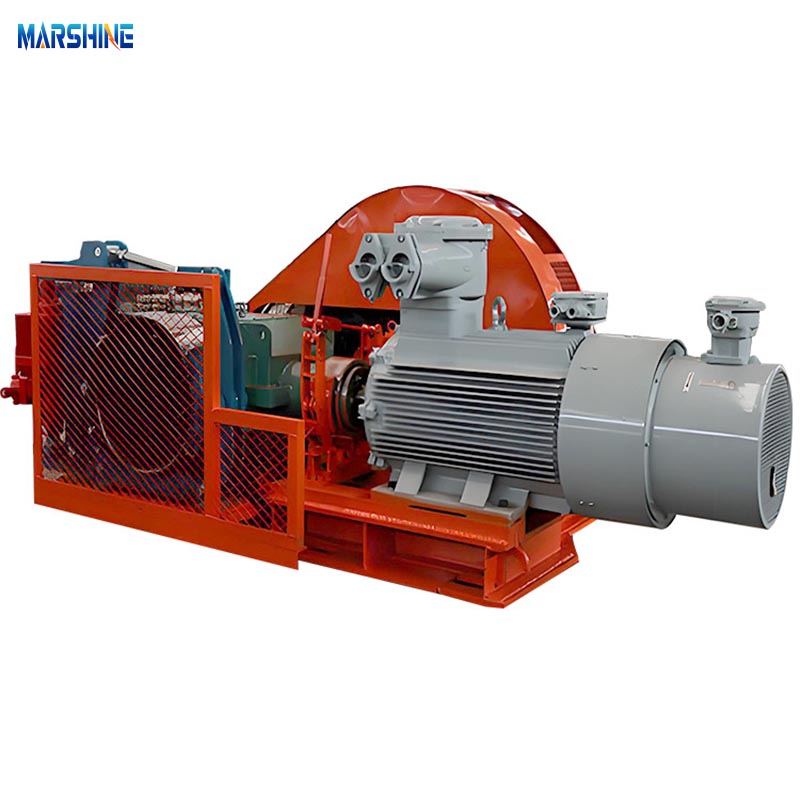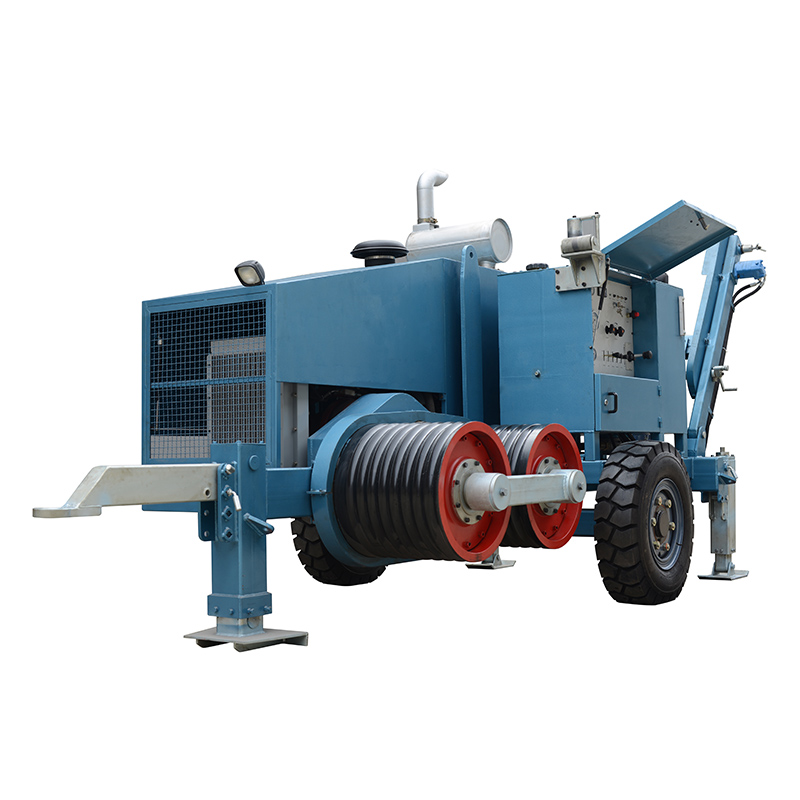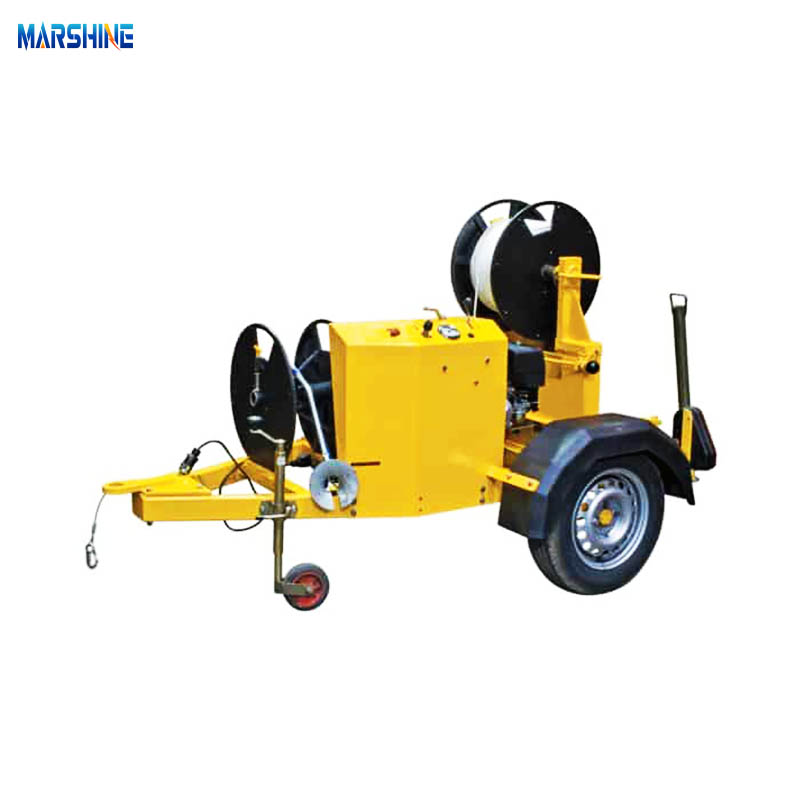
A Gasoline Cable Winch is a powerful, mobile, and highly reliable pulling solution designed for demanding environments where electricity or hydraulic systems are unavailable. Widely used in construction, forestry, power line installation, marine operations, and rescue missions, gasoline-powered cable winches deliver high torque, long pulling distances, and excellent adaptability. This in-depth guide explains how gasoline cable winches work, their advantages over other winch types, key components, application scenarios, and how to choose the right model for your needs. The article also highlights best practices for operation, maintenance tips, and why trusted manufacturers like MARSHINE play a critical role in ensuring performance and safety.

A Gasoline Cable Winch is a mechanical pulling device powered by a gasoline engine and designed to pull, lift, or tension loads using a steel wire rope or synthetic cable. Unlike electric winches that rely on a fixed power supply, gasoline cable winches operate independently, making them ideal for remote and off-grid environments.
These winches are engineered for high-load, long-distance pulling tasks and are commonly used in industries that demand mobility, durability, and consistent performance under harsh conditions.
The working principle of a gasoline cable winch is straightforward yet highly effective:
Because the power source is an internal combustion engine, the winch can deliver stable output for extended periods without voltage drop or hydraulic pressure loss.
| Component | Function |
|---|---|
| Gasoline Engine | Provides independent power with high torque output |
| Gearbox | Reduces speed and increases pulling force |
| Clutch System | Allows controlled engagement and disengagement |
| Drum / Capstan | Holds or guides the cable during pulling |
| Steel Wire Rope | Transfers pulling force to the load |
| Frame & Handle | Provides structural support and portability |
Gasoline cable winches offer several unmatched advantages:
Manufacturers like MARSHINE design gasoline cable winches with reinforced frames and high-efficiency engines to meet professional-grade requirements.
| Type | Power Source | Mobility | Typical Use |
|---|---|---|---|
| Gasoline Cable Winch | Gasoline Engine | Excellent | Remote, heavy-duty applications |
| Electric Winch | Electric Power | Limited | Vehicles, light-duty tasks |
| Hydraulic Winch | Hydraulic System | Moderate | Industrial fixed installations |
For more application-specific insights, refer to authoritative industry resources or manufacturer guides such as those provided by MARSHINE.
Routine maintenance ensures long-term performance:
Yes. With proper maintenance and fuel management, gasoline cable winches are designed for long-duty cycles.
Absolutely. One of its main advantages is independence from external power sources.
With correct use and regular servicing, high-quality models from manufacturers like MARSHINE can last many years.
A Gasoline Cable Winch is an essential tool for professionals who require powerful, reliable, and mobile pulling solutions. Whether for power line construction, forestry, or rescue operations, this type of winch delivers unmatched performance in demanding environments. By choosing a trusted supplier such as MARSHINE, users can ensure safety, efficiency, and long-term value.
If you are looking for high-performance gasoline cable winches tailored to your specific applications, contact us today to get expert support and customized solutions.