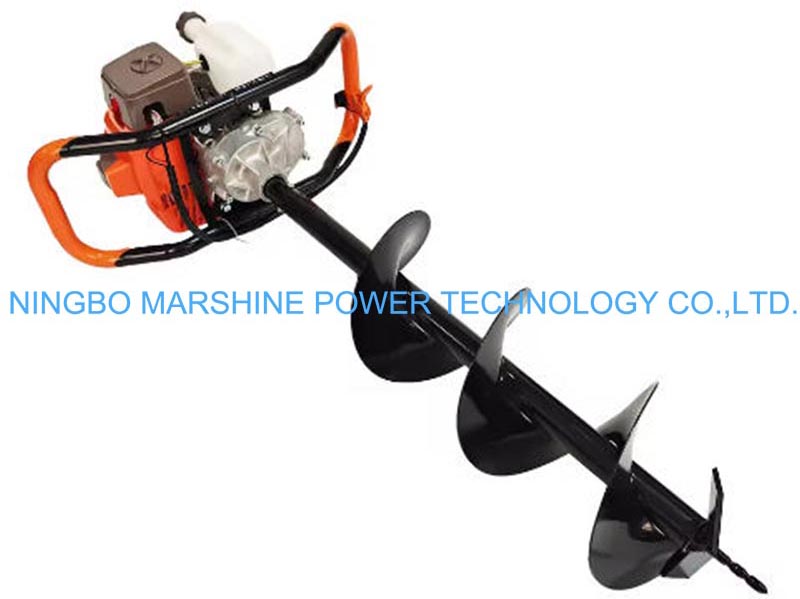
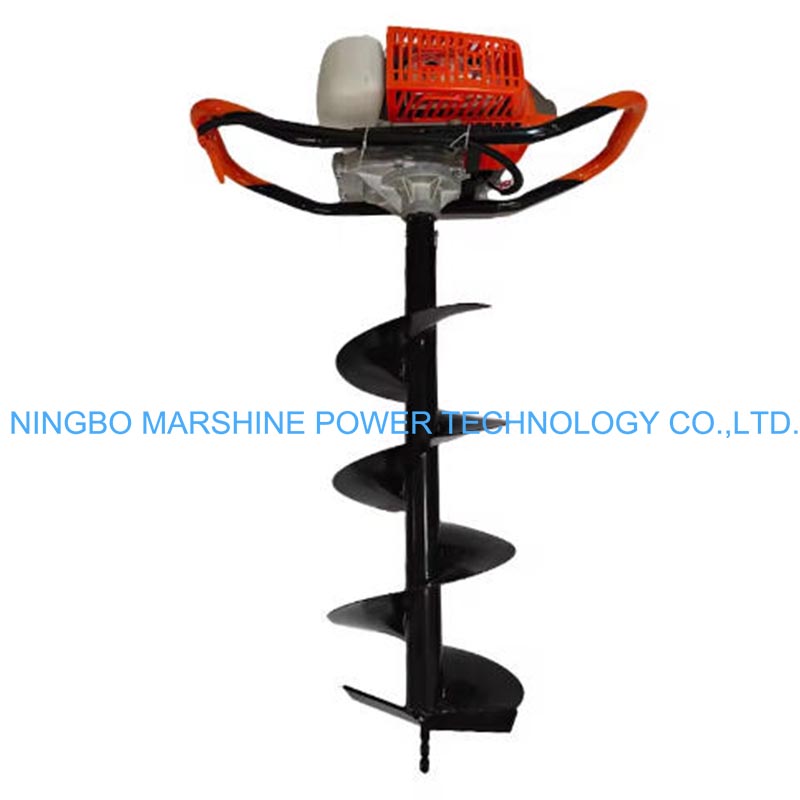
When considering an earth auger, expect to pay anywhere from $100 to $1,500, depending on various factors. For instance, a manual Post Hole Digger typically costs less than a powered model. Brands like MARSHINE offer quality options that can fit different budgets, making it easier to find the right tool for your needs.
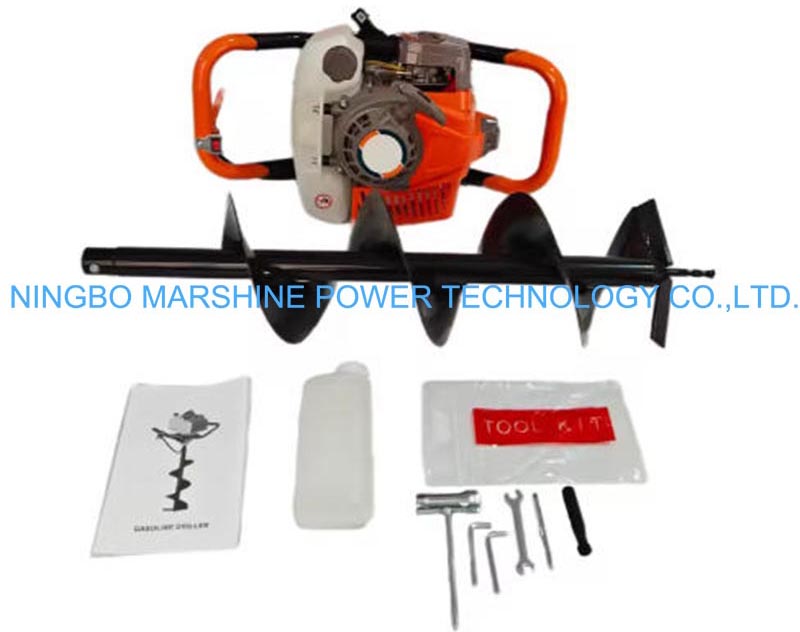
When it comes to purchasing an earth auger, several factors can affect the price. Understanding these factors can help you make an informed decision.
Brand reputation plays a significant role in the pricing of earth augers. Companies with established reputations often charge more for their products. This is because consumers perceive these brands as offering higher quality and reliability. Regulatory bodies are also promoting sustainable machinery, which boosts brand reputation and influences pricing. As brands adopt energy-efficient practices, they can justify higher prices due to their commitment to sustainability.
The size and diameter of an earth auger directly impact its cost. Larger augers require stronger materials and more complex designs, which raises their price. For example, common sizes include:
The pricing of earth augers is closely tied to their size. Larger models not only need more robust construction but also compatibility with different machinery. This complexity adds to the overall cost.
| Type of Auger | Diameter Options |
|---|---|
| Dirt Augers | 8” to 48” |
| Rock Augers | Up to 36” |
The power source of an earth auger significantly influences its price. Gas-powered models tend to be more expensive due to their robust capabilities, making them ideal for heavy-duty tasks. In contrast, electric and manual augers are designed for smaller applications, resulting in lower price points. For instance, a gas-powered earth auger like the STIHL BT 131 can cost around $929.99. This trend shows that while gas models dominate the market, there is still a demand for electric options, especially for lighter tasks.
Additional features can also affect the cost of an earth auger. Features such as ergonomic handles, quick-change bits, and enhanced safety mechanisms can add to the price. Buyers should consider which features are essential for their specific needs. Investing in an auger with the right features can save time and effort in the long run.
When it comes to choosing an earth auger, understanding the price ranges can help you find the right tool for your needs. Prices vary significantly based on the type of auger, its features, and its intended use.
Manual and powered augers serve different purposes and come with distinct price points. Here’s a quick comparison:
| Auger Type | Price Range | Best Value For |
|---|---|---|
| Manual Augers | $30 – $70 | Small, infrequent jobs; budget-conscious users |
| Electric Augers | $100 – $350 | Household and light-duty projects; residential use |
| Gas-Powered Augers | $200 – $500 | Heavy-duty jobs; frequent professional use |
| Hydraulic/Industrial Augers | $500+ | Large-scale construction; commercial operations |
Manual augers are perfect for small tasks like planting flowers or digging post holes. They’re lightweight and easy to handle, making them a great choice for DIY enthusiasts. On the other hand, powered augers, especially gas-powered ones, excel in heavy-duty applications. They can tackle tough soil conditions and are ideal for professionals who need reliable performance.
If you’re looking for affordable earth augers, several options stand out. Here are a couple of budget-friendly choices:
These budget options typically range from $30 to $70, making them accessible for those who need a tool without breaking the bank.
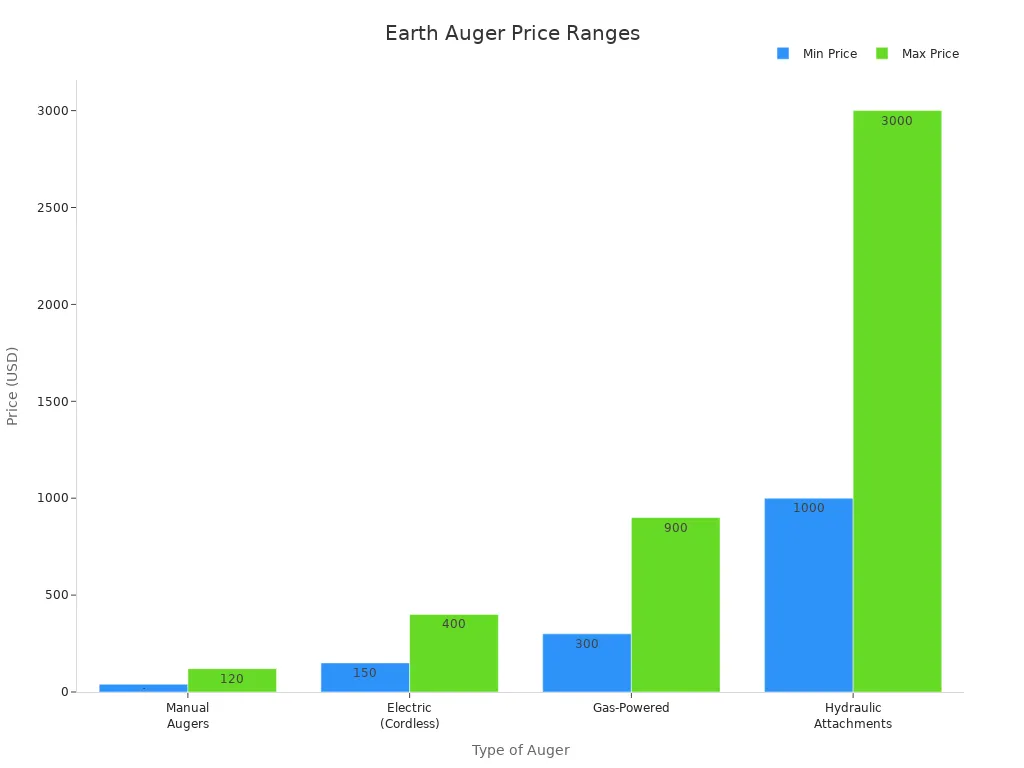
For those willing to invest more, premium earth augers offer enhanced features and durability. Here’s a breakdown of what you can expect:
| Type of Auger | Price Range |
|---|---|
| Manual Augers | $40–$120 |
| Electric (Cordless) | $150–$400 |
| Gas-Powered | $300–$900 |
| Hydraulic Attachments | $1,000–$3,000+ |
Premium augers often feature advanced technology, such as high-torque motors and carbide-tipped blades. These features improve performance and extend the lifespan of the tool. For example, premium models may have a torque rating of 350Nm compared to standard models that range from 150–250Nm. Additionally, they often come with longer warranties, ensuring peace of mind for the buyer.
Investing in a premium earth auger can pay off in the long run, especially for those who frequently tackle heavy-duty projects. Maria Chen's experience with the mid-tier XG-600 auger illustrates its durability, as it required minimal maintenance over 18 months while outperforming two higher-priced competitors that failed under similar conditions.
When budgeting for an earth auger, it's essential to consider additional costs beyond the initial purchase price. These costs can significantly impact your overall investment.
Accessories and attachments enhance the functionality of your earth auger. Here are some common options:
Investing in these accessories allows users to perform various tasks without needing to rent heavy machinery. This investment extends the capabilities of existing equipment, making it a cost-effective solution.
Maintenance costs vary depending on the type of earth auger you choose. Here's a quick comparison:
| Type | Maintenance Cost Considerations |
|---|---|
| Manual | Generally lower maintenance, but may struggle with tough dirt. |
| Electric | Easier to maintain, quieter, and more environmentally friendly. |
| Gas-Powered | Higher maintenance costs, but faster and more durable for tough jobs. |
Electric augers are suitable for small to medium-sized projects and are easier to maintain. Manual and electric models are cheaper but may not handle tough dirt effectively. In contrast, gas-powered augers, while more expensive, work faster and last longer.
Warranties can also affect your total cost. Most products come with a 12-month manufacturer warranty, covering manufacturing defects. However, wear parts and expendable components are typically excluded. Extended warranty options are available for 2, 3, or even 5 years, depending on the model. A longer warranty period provides peace of mind, indicating confidence in the product's durability and performance.
| Warranty Type | Duration | Coverage |
|---|---|---|
| Manufacturer Warranty | 12 months | Against manufacturing defects |
| Exclusions | N/A | Wear parts and expendable components |
| Extended Warranty | 2, 3, or 5 years | Varies by model |
Considering these additional costs will help you make a well-informed decision when purchasing an earth auger.
Before diving into the world of earth augers, take a moment to assess your needs. Consider the following criteria:
| Criteria | Description |
|---|---|
| Soil Type | Identify whether you’re working with clay, sand, peat, or mixed soils. |
| Sampling Depth | Determine if you need shallow or deep soil profile access. |
| Auger Size and Weight | Balance handling ease with project requirements. |
| Technology Features | Look for models with wear resistance and ergonomic designs. |
Understanding these factors helps you choose the right auger for your tasks, ensuring you don’t overspend on unnecessary features.
When it comes to brands, quality matters. Some reputable names in the market include:
Choosing a well-known brand often ensures durability and may allow for battery compatibility with existing tools. Most augers come with a one-year warranty, but some brands offer extended warranties of two or three years. A solid warranty can protect against defects and provide peace of mind.
Keep an eye out for sales and discounts. Many retailers offer seasonal promotions or clearance sales. Here are some tips to snag a great deal:
By being proactive, you can find a quality earth auger at a price that fits your budget.
In summary, earth auger prices range widely based on factors like brand, size, and power source. To budget effectively, assess your needs, compare brands, and watch for sales. With the right approach, you can find an earth auger that fits your tasks and budget perfectly! 🌱
For home use, electric augers are ideal. They’re lightweight, easy to handle, and perfect for small to medium projects.
Most earth augers can dig between 2 to 4 feet deep, depending on the model and soil conditions.
No special training is required. However, users should read the manual and follow safety guidelines for best practices.