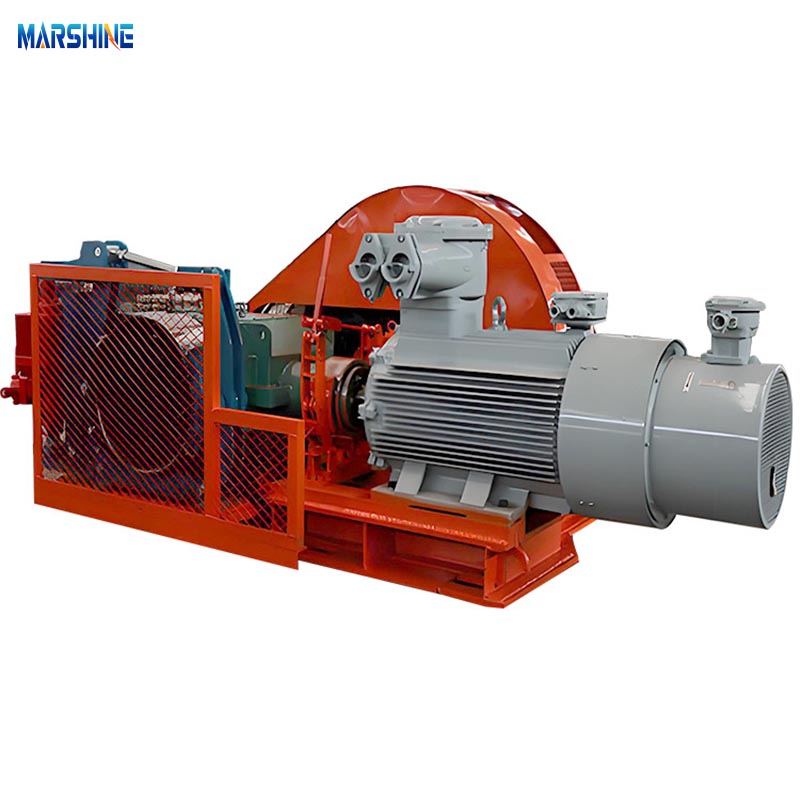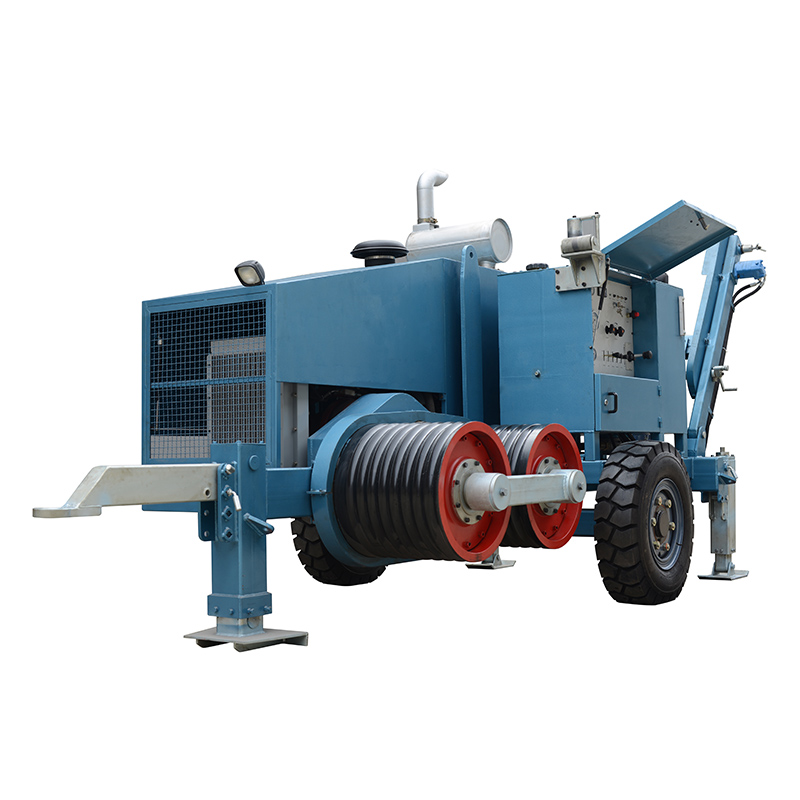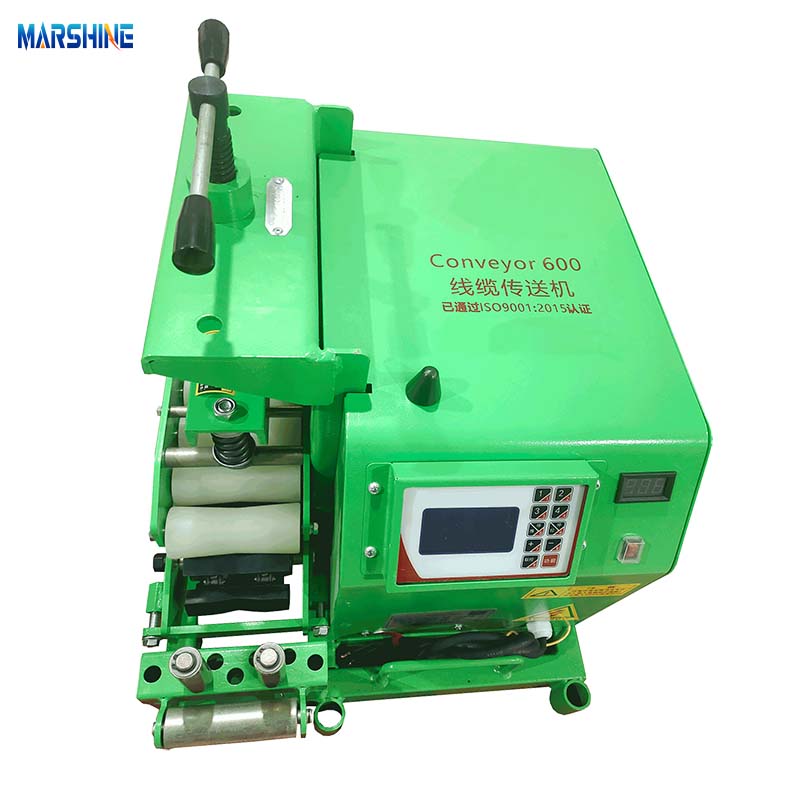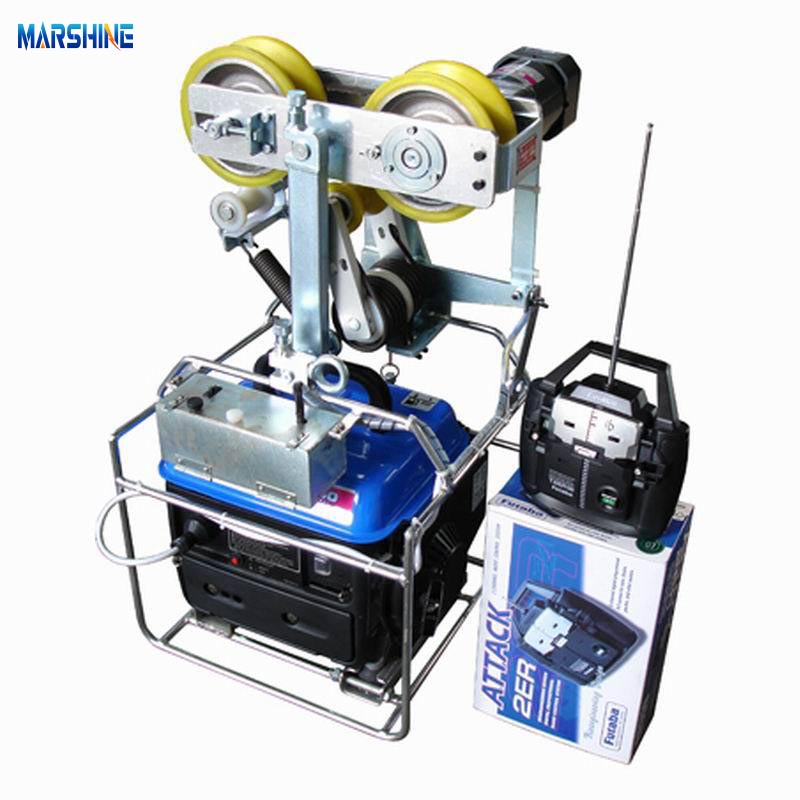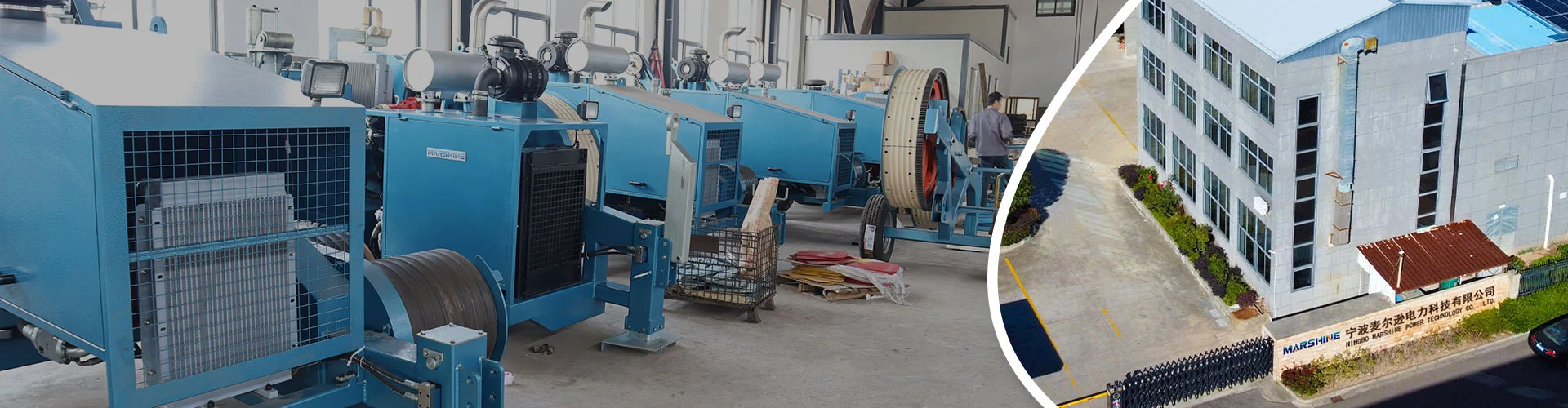
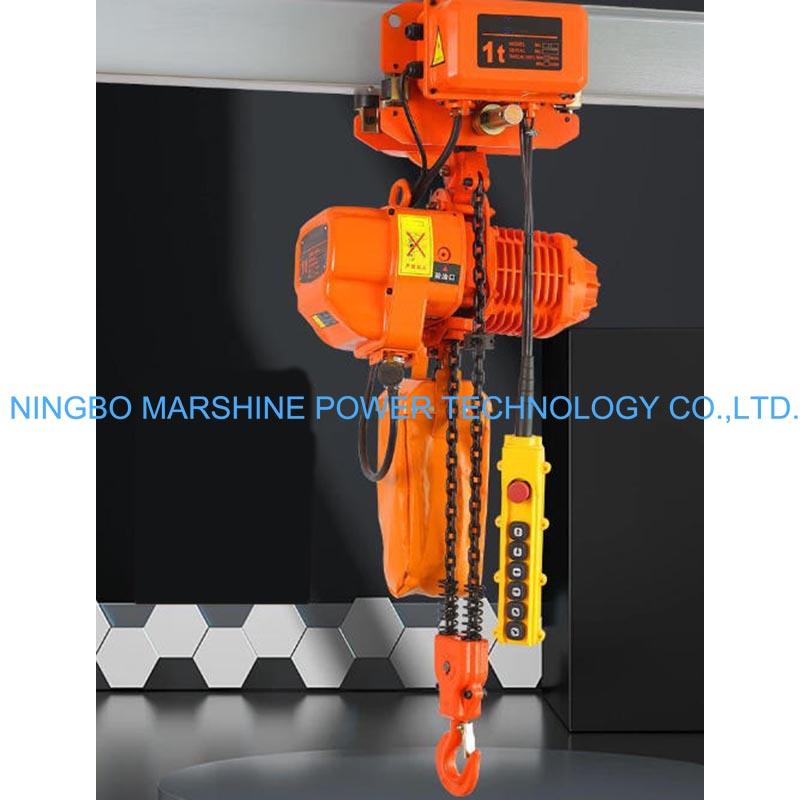
Electric hoists are truly transforming the lifting industry. They enhance efficiency and safety, making operations smoother and more reliable. With their innovative designs, electric chain hoists, like those from MARSHINE, allow workers to lift heavy loads with ease. This shift not only boosts productivity but also reduces the risk of accidents on job sites.
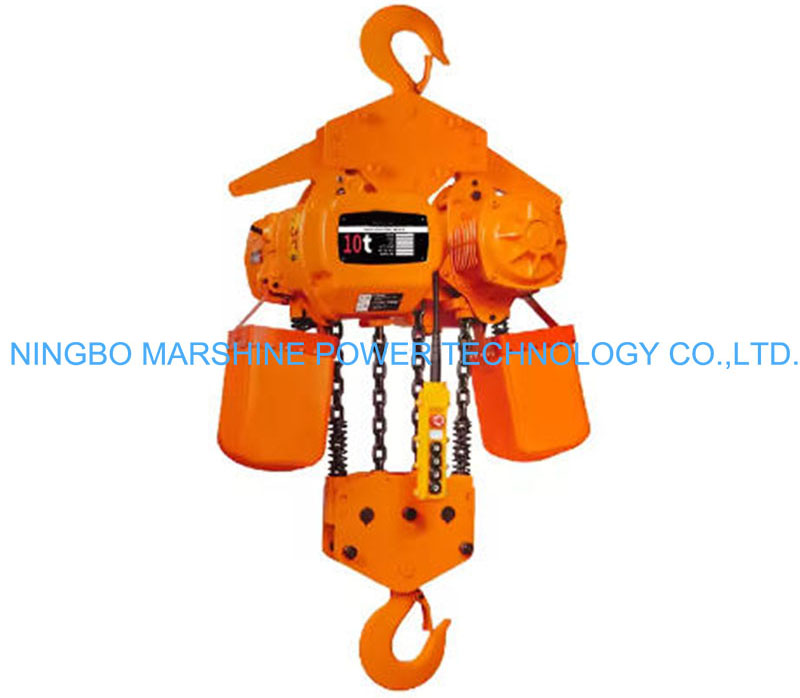
Electric hoists significantly enhance lifting speed and operational efficiency. Compared to manual or pneumatic hoists, electric hoists provide fast lifting speeds, which boosts productivity. Recent studies show that electric hoists can lift loads much quicker than their manual counterparts. Here’s a quick comparison:
| Hoist Type | Lifting Speed | Operational Efficiency |
|---|---|---|
| Electric Hoists | Fast lifting speeds | Enhances productivity, reduces physical strain |
| Pneumatic Hoists | Variable speed control | Ideal for continuous use without overheating |
| Manual Hoists | Slower | More labor-intensive, less efficient for tasks |
By automating the lifting process, electric hoists minimize the time taken for material handling. This automation allows for vertical storage solutions, optimizing space and workflow. As a result, businesses can expect faster cycle times and improved overall efficiency.
Precision is another key advantage of electric hoists. They offer greater accuracy in lifting operations compared to traditional methods. Electric hoists enable precise positioning of loads, which is crucial for tasks like assembly and maintenance.
| Evidence Description | Key Benefit |
|---|---|
| Electric hoists provide greater precision and reduced labor effort. | This enhances the accuracy of lifting operations compared to traditional methods. |
| Precision lifting enables accurate positioning of components during various tasks. | This is crucial for assembly, maintenance, and tooling changeovers, improving overall efficiency. |
| Variable frequency drives (VFDs) allow smooth acceleration and deceleration. | This minimizes load swing and mechanical shock, which is vital for handling sensitive components. |
With these features, electric hoists reduce human error during lifting operations. Operators can focus on their tasks without worrying about the load's stability, leading to safer and more efficient work environments.
Using electric hoists can lead to significant reductions in labor costs. By automating heavy lifting, these devices minimize the physical strain on workers. This not only enhances comfort but also boosts productivity.
Incorporating electric hoists into operations can lead to a more streamlined workforce. Companies can allocate their human resources more effectively, focusing on tasks that require skill rather than brute strength.
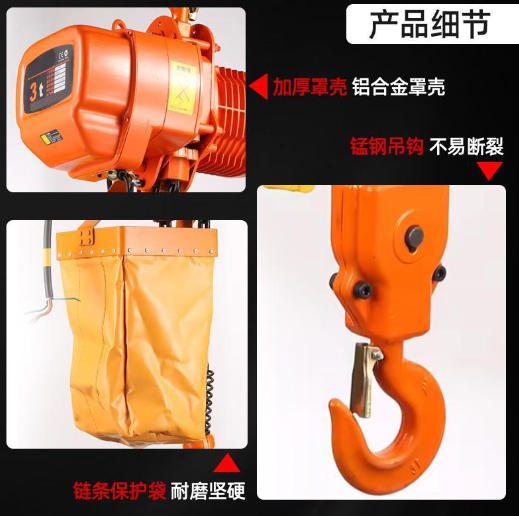
Electric hoists play a vital role in the construction sector. They help streamline material handling, allowing workers to focus on skilled tasks. Here are some key benefits:
Recent projects have shown that electric hoists can move materials vertically, which minimizes delays compared to cranes and elevators. Workers have completed tasks in record time, reducing project durations significantly.
In manufacturing, electric hoists contribute to improved efficiency and safety. They help reduce equipment downtime and enhance workplace safety. Here’s a quick look at the metrics:
| Manufacturing Improvement Metric | Evidence |
|---|---|
| Reduced Equipment Downtime | 12% decline in equipment-related downtime due to IoT adoption. |
| Enhanced Workplace Safety | 10% decline in material handling injuries since 2020 attributed to smart technologies. |
| Increased Energy Efficiency | 18% improvement in energy efficiency in industrial processes since 2020. |
These improvements show how electric hoists can transform manufacturing operations, making them safer and more efficient.
Electric hoists are essential in warehousing and logistics. They automate lifting and moving heavy loads, which streamlines workflows. Here’s how they impact throughput:
| Role in Warehousing and Logistics | Impact on Throughput |
|---|---|
| Automates lifting and moving heavy loads | Reduces time spent on manual labor |
| Enables seamless transfer of goods | Speeds up turnaround times for delivery and dispatch |
| Facilitates precise vertical movement | Improves efficiency in placing and retrieving items from storage |
| Supports continuous production flow | Reduces downtime and maintains organized workspace |
By integrating electric hoists, warehouses can operate more efficiently, ensuring timely deliveries and organized inventory management.
Safety is a top priority when it comes to electric hoists. These machines come equipped with several built-in safety mechanisms that help prevent accidents and ensure smooth operations. Here are some key features:
Modern electric hoists include various safety features designed to protect both the equipment and the operators. Some of these mechanisms are:
These built-in safety features significantly reduce the risk of workplace injuries. In fact, using electric hoists can lower workforce injuries, leading to decreased medical expenses and increased productivity. By minimizing manual handling, electric hoists help prevent common injuries like strains and sprains.
Electric hoists must comply with various international safety standards to ensure safe operation. Here’s a quick look at some of the key regulations:
| Regulation/Standard | Description |
|---|---|
| OSHA | Ensures safety and reliability in electric hoist installation. |
| ASME | Provides guidelines to improve safety performance and compliance. |
| HMI | Focuses on safety standards for hoist operation. |
These standards require features such as reliable brakes, safe access, and proper suspension height. Each hoisting machine must handle 125% of its rated load and have both primary and secondary brakes. Compliance with these regulations helps maintain a safe working environment.
Proper training for operators is crucial for preventing common issues associated with electric hoists. Training can reduce workplace accidents by up to 40%. Operators learn about load limits and proper rigging techniques, which are essential for enhancing safety.
Training programs should cover:
By investing in operator training, companies can significantly enhance workplace safety and reduce the likelihood of accidents.
Electric hoists significantly enhance workflow in various industrial environments. They enable faster lifting speeds, which leads to quicker material handling. Here are some key benefits:
As industries increasingly focus on energy-efficient solutions, the adoption of electric hoists continues to rise. Businesses are keen on reducing energy consumption, making these hoists a cost-effective choice. The demand for electric hoists is expected to grow as companies seek to enhance their sustainability efforts.
To illustrate how companies optimize their workflows with electric hoists, consider the following strategies:
| Strategy | Description | Benefits | Technology Integration |
|---|---|---|---|
| Regular Maintenance | Implementing a scheduled maintenance program to keep equipment in top condition. | Increased lifespan of hoists, reduced downtime. | Use of diagnostic tools to predict maintenance needs. |
| Smart Hoists | Upgrading to smart hoists with IoT capabilities for real-time data tracking. | Improved operational insights, better load management. | Integration with cloud-based monitoring systems. |
| Remote Monitoring | Using remote monitoring solutions to oversee hoist performance. | Enhanced safety, real-time alerts for malfunctions. | Mobile apps and dashboards for easy access. |
| Training and Education | Providing training for operators to use hoisting equipment efficiently. | Increased productivity, decreased risk of accidents. | E-learning platforms for training resources. |
| Load Management | Adopting load management technologies to optimize hoist operations. | Reduced energy consumption, prolonged equipment life. | Data analytics to monitor and adjust load patterns. |
Electric hoists play a crucial role in minimizing downtime across various sectors. For instance, warehouses utilize electric hoists for handling large volumes of goods, which improves operational efficiency and reduces labor costs. Similarly, ports rely on electric hoists for container handling, accelerating cargo movement and reducing vessel turnaround times. Maintenance settings also benefit, as electric hoists facilitate lifting heavy machinery, leading to quicker repair times and enhanced safety.
The integration of smart technology in electric hoists enhances operational efficiency and safety. With IoT capabilities, companies can monitor hoist performance remotely, allowing for predictive maintenance that minimizes downtime. Additionally, features like sensors and anti-collision systems improve safety and efficiency, while variable frequency drives (VFDs) provide precise speed control, further enhancing operational performance.
Electric hoists excel in load management, making them indispensable in various applications. For example, a logistics company improved pallet movement efficiency by using electric hoists on curved tracks, reducing equipment repositioning and congestion. In a large e-commerce warehouse, electric hoists facilitated rapid retrieval and sorting of packages, enhancing order fulfillment efficiency and reducing travel distance.
By automating load handling, electric hoists not only improve safety but also enhance accuracy. They reduce the need for manual handling of heavy loads, which can lead to injuries or fatigue. This automation allows operators to focus on other critical tasks, ultimately boosting productivity.
Electric hoists are evolving rapidly, thanks to new technological advancements. These innovations enhance user experience and safety. For instance, many electric hoists now feature smart remotes that improve control and reduce operator injuries by over 30%. Users can also enjoy programmable functions, allowing them to set specific lifting heights and load capacities. This feature minimizes the risk of overloading. Here’s a quick look at some of these advancements:
| Feature/Benefit | Description |
|---|---|
| Smart Remotes | Enhance user experience and safety. |
| Programmable Functions | Reduce the risk of overloading by allowing specific settings. |
| Touch Controls | Provide seamless operation for users. |
| CE Certification | Ensures quality and reliability of hoist remotes. |
| Increased Productivity | Boosts safety on job sites by reducing operator injuries. |
| Ergonomic Design | Minimizes risks associated with manual operation and reduces worker fatigue. |
The integration of smart systems with electric hoists is another exciting trend. This technology enables automation and remote monitoring, making operations more efficient. For example, remote monitoring provides real-time insights into hoist health, allowing for early detection of issues. Additionally, IoT integration connects hoists to networks, improving coordination. Here’s how these features enhance operations:
| Feature/Benefit | Description |
|---|---|
| Remote Monitoring | Offers real-time insights into crane health. |
| IoT Integration | Centralizes data access for improved coordination. |
| Predictive Maintenance | Schedules maintenance only when necessary, reducing downtime. |
| Actionable Insights | Enhances operational efficiency through proactive decision-making based on real-time data. |
Sustainability is becoming a priority in electric hoist design. Manufacturers are focusing on energy-efficient technologies and sustainable materials. For instance, regenerative braking allows hoists to feed power back into the grid, saving energy and costs. Moreover, the use of lightweight materials in newer models reduces transport emissions. Here’s a summary of some sustainable innovations:
| Technology/Material | Description |
|---|---|
| Regenerative Braking | Feeds power back into the grid, saving energy and costs. |
| Automation | Optimizes lifts for maximum efficiency and minimal energy use. |
| AC Technology | Enhances operational efficiency, reducing power consumption by up to 72%. |
| Circular Design | Focuses on reducing environmental impact, with some models being 94% recyclable. |
| Lightweight Materials | Reduces transport emissions by making hoists 20% lighter than previous models. |
These trends indicate a bright future for electric hoists, making them safer, more efficient, and environmentally friendly.
Electric hoists are reshaping the lifting industry by enhancing safety, efficiency, and productivity. Their adoption is crucial for modern operations.
With these advancements, electric hoists are set to lead the way in lifting solutions. 🚀
Electric hoists lift heavy loads quickly and safely in various industries, including construction, manufacturing, and logistics.
Electric hoists feature built-in safety mechanisms, reducing manual handling risks and preventing accidents during lifting operations.
Yes, many electric hoists use advanced technologies that enhance energy efficiency, lowering operational costs and environmental impact. 🌱