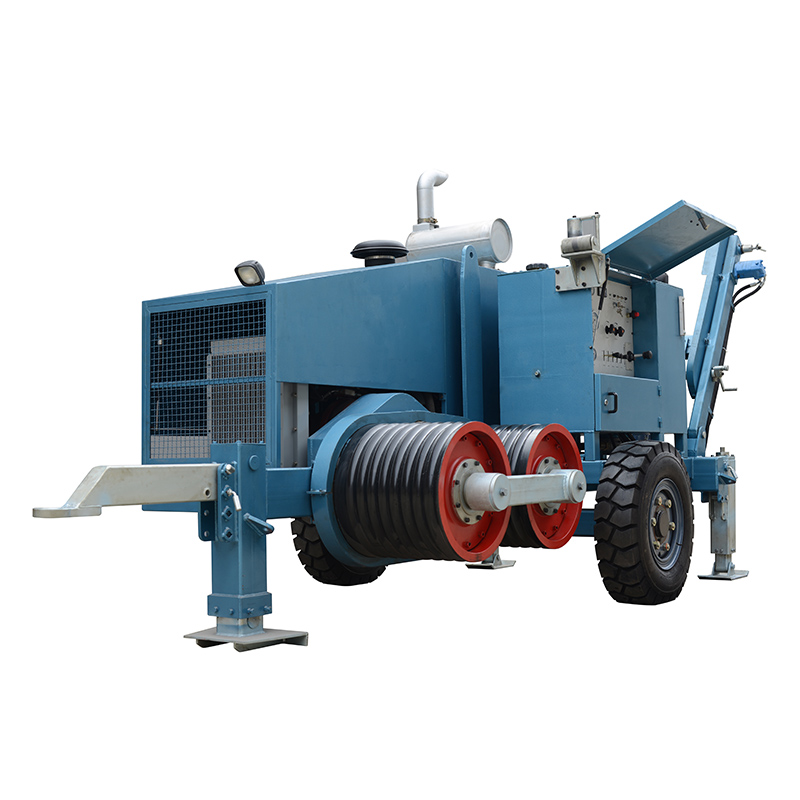


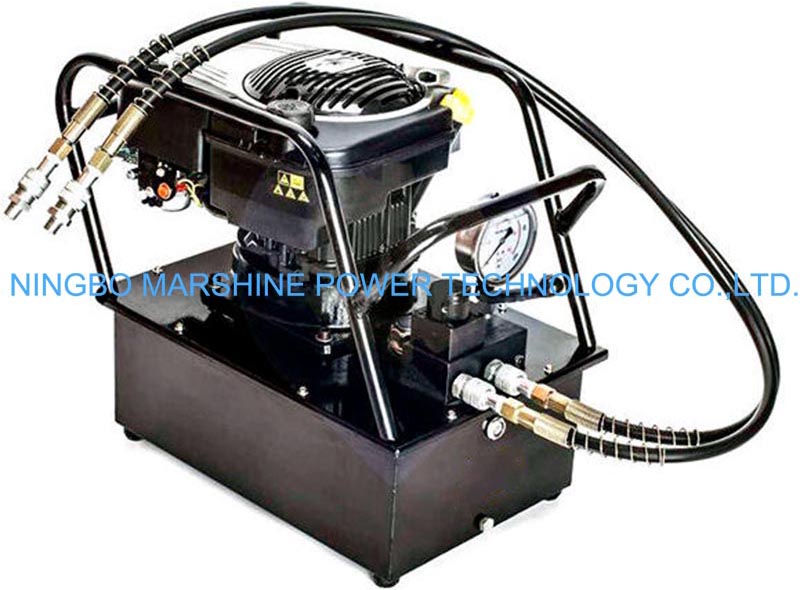
A petrol-driven hydraulic power source can make cable installation faster, safer, and more practical when crews are working far from reliable electricity. But selecting the right unit is not just about engine size; it requires matching hydraulic flow, pressure, duty cycle, cooling capacity, and site conditions to the actual pulling equipment. A unit that performs well on a short roadside job may struggle during a sustained transmission pull, at high altitude, or in a dusty trench. This guide explains how to evaluate mobility, environmental limits, safety risks, and compatibility so procurement teams and field supervisors can choose equipment that delivers dependable performance without creating avoidable downtime or hazards.
Define the Right Petrol Hydraulic Power Unit
When outfitting a crew for heavy-duty underground or aerial cable installations, the right petrol hydraulic power unit is a critical component. These machines deliver the hydraulic flow and pressure needed to drive winches, tensioners, and crimping tools in remote areas where electric grids do not reach. While diesel units offer high torque for massive industrial sites, petrol units are often preferred for cable pulling due to their lighter weight, easier cold-weather starting, and simpler maintenance. However, it is important to note that diesel or electric hydraulic units may outperform petrol models in specific scenarios, such as sustained high-load transmission pulls, high-altitude sites, or enclosed spaces. Because petrol engines experience power derating at high altitudes, buyers should consult the manufacturer for specific derating curves to accurately assess and mitigate performance loss. A solid petrol unit combines high mobility with reliable power delivery, making it a highly useful asset for modern power grid construction.
Assess Cable Pulling Job Conditions
Field crews constantly battle unpredictable environments, making job site evaluation the crucial first step.
Terrain and Mobility: If the project involves stringing lines across rugged off-road terrain, the power unit needs specific physical features like a reinforced tubular steel roll cage, central lifting hooks, and heavy-duty pneumatic transport wheels.
Environmental Factors: These heavily dictate performance limits; rather than assuming a universal ambient operating range, operators should verify temperature tolerances and select appropriate hydraulic oil viscosity grades for expected ambient temperatures. Additionally, in dusty trench environments, petrol engines are particularly susceptible to air-filter contamination and spark-plug fouling, requiring daily inspection and proactive maintenance.
Safety and Compliance: Operating petrol engines in trenches or enclosed spaces poses a severe risk of carbon monoxide poisoning; procurement and site managers must mandate forced-air ventilation and continuous gas monitoring. Crews must account for fuel-tank capacity and run-time limits between refueling, noise exposure limits for operators, safe fuel storage protocols, and local emissions regulations (such as EPA or EU Stage V standards).
Duty-Cycle Factors: For long, demanding pulls, crews must look closely at actual job duty cycles. Prioritize machines equipped with high-capacity hydraulic reservoirs and integrated forced-air oil coolers, matching the unit's duty cycle and cooling capacity to the actual job profile rather than relying solely on runtime ratings to prevent overheating the fluid or degrading internal pump seals.
Match Power Unit Output to Equipment Needs
Connecting a mismatched power source to a winch inevitably leads to sluggish line speeds or blown hydraulic seals. To avoid this, operators must precisely align the power unit with the exact flow and pressure demands of their pulling equipment. Crucially, operators must also verify the hydraulic system architecture; connecting an open-center power unit to a closed-center or load-sensing tool can cause severe overheating and dangerous operational failures, though some mismatches can be resolved using converter valves or compatible fittings. Determine the maximum operating pressure (bar/PSI) needed to achieve full pulling force, and match the flow rate (liters per minute, or LPM) required to maintain the desired line speed by consulting pump displacement curves.
While specific outputs vary by manufacturer, the following table outlines common industry classifications to help match power units to equipment needs:
| Unit Class | Engine Power | Max Flow (LPM) | Max Pressure (Bar) | Typical Application |
|---|---|---|---|---|
| Light-Duty | 9 - 13 HP | 20 - 25 | 140 | Small distribution lines |
| Medium-Duty | 14 - 18 HP | 30 - 35 | 175 | Standard underground pulls |
| Heavy-Duty | 20 - 25+ HP | 40+ | 210 | Long-distance transmission |
While many typical setups use engines in the 13 HP to 25 HP range generating 20 to 40 LPM, verifying these calculations ensures compatibility. Look for features like variable displacement pumps, low-oil shutdown sensors, and essential pressure-relief valves to prevent hose-burst injuries. These components allow operators to safely and precisely dial in the flow rate for smooth tensioning. Leading manufacturers focus on practical engineering, ensuring their power units seamlessly integrate with a broad ecosystem of construction tools, from underground cable rollers to heavy-duty wire rope winches.
Compare Key Specifications and Supplier Quality
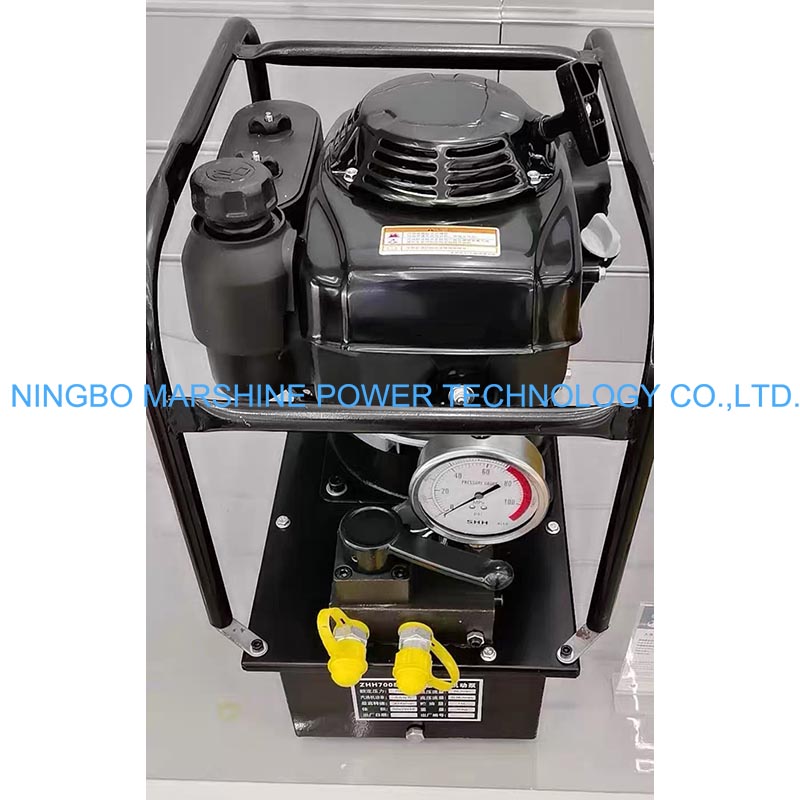
Looking past the engine's horsepower rating reveals the true capability of a petrol hydraulic power unit. Evaluating the precise technical specifications alongside the manufacturer's quality control standards prevents costly downtime when deep in a trench or halfway up a transmission tower.
Review Flow, Pressure, Engine, and Port Compatibility
Beyond core pressure and flow metrics, buyers must evaluate physical connection standards and engine efficiency features. A heavy-duty unit needs to reliably push hydraulic fluid at pressures up to 210 bar (approximately 3000 PSI) to handle stubborn cable pulls. Quick-disconnect, flat-face hydraulic ports are essential features, preventing fluid spills and keeping dirt out of the system during rapid tool changeovers in muddy environments. However, buyers must verify physical compatibility beyond the general "flat-face" description; ports may still differ by regional or manufacturer-specific standards, such as ISO 16028 versus legacy agricultural couplers. An automatic throttle control is another critical feature, dropping engine RPMs when the hydraulic demand stops, which saves fuel and reduces wear.
Check Build Quality, Certifications, and Spare Parts Support
Specifications alone are insufficient if the machine fails after a month of heavy vibration. Build quality is paramount, and buyers should look for reliability features like vibration-isolated engine mounts and easily accessible spin-on return line filters. Selecting equipment based on objective criteria makes a significant difference for fleet managers.
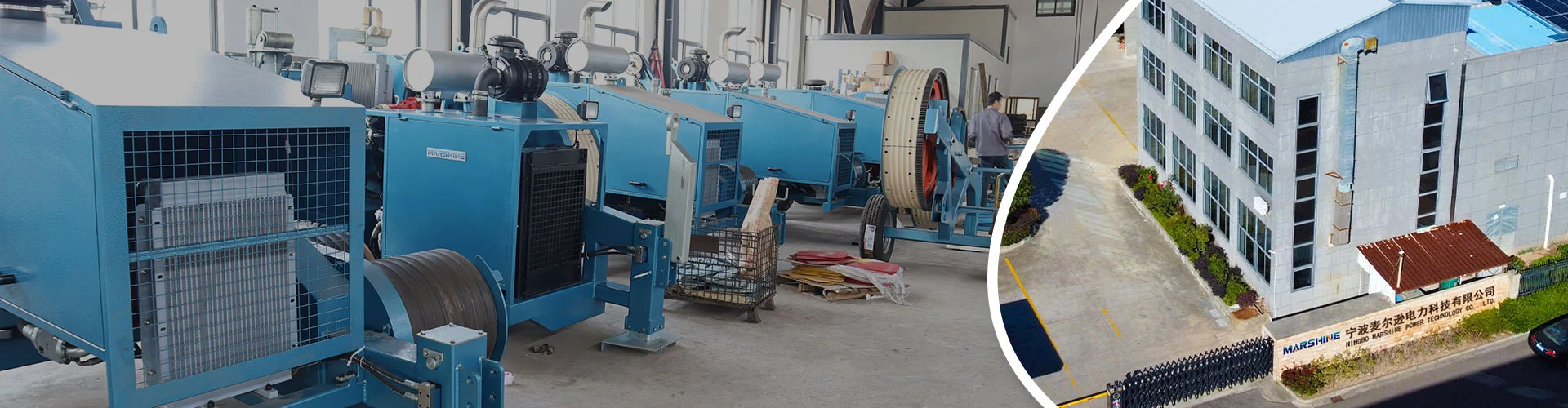
Procurement teams should evaluate suppliers based on vendor-agnostic criteria, such as adherence to modern machinery-specific standards like the CE Machinery Directive and ISO 4413 for hydraulic systems, which directly impact field safety and performance. For instance, equipment from established manufacturers should be evaluated on adherence to rigorous quality control and current international safety standards. Requesting and evaluating mean time between failures (MTBF) data provides a verifiable metric for field reliability, offering operational security and predictable maintenance schedules.
Make the Final Purchasing Decision
Bringing a new petrol
Further reading:
Key Takeaways
- Match the petrol hydraulic power unit’s flow, pressure, and hydraulic system type to the exact requirements of the cable puller, winch, or crimping tool.
- Choose a rugged unit with a roll cage, lifting hook, and heavy-duty wheels when crews must move equipment across off-road or uneven terrain.
- Verify oil viscosity, temperature limits, air-filter condition, and spark-plug maintenance needs before operating in cold, hot, or dusty environments.
- Use forced-air ventilation and continuous gas monitoring whenever petrol-powered equipment is operated near trenches or enclosed spaces.
- Check manufacturer derating curves for high-altitude projects because petrol engines can lose power and reduce hydraulic performance.
- Prioritize adequate reservoir capacity and oil cooling for long cable pulls to protect pump seals and maintain stable hydraulic output.
Frequently Asked Questions
Why use a petrol hydraulic power unit for cable pulling?
Petrol units are mobile, easier to start in cold weather, and simpler to maintain than many diesel systems. They are useful for remote cable pulling sites where grid power is unavailable.
How do I match a petrol hydraulic power unit to a cable puller?
Check the cable puller’s required hydraulic flow, pressure, and system type. The power unit must match these specifications to avoid slow pulling speeds, overheating, or seal damage.
Can petrol hydraulic power units be used in trenches?
Only with strict safety controls. Petrol engines produce carbon monoxide, so enclosed or trench work requires forced ventilation, continuous gas monitoring, and compliance with site safety rules.
What features matter for rough terrain cable installation?
Look for a reinforced roll cage, central lifting hook, heavy-duty pneumatic wheels, and a compact frame. These features improve transport and protection on rugged power grid construction sites.
Does altitude affect petrol hydraulic power unit performance?
Yes. Petrol engines lose power at higher altitudes, which can reduce hydraulic output. Ask the manufacturer for derating data before using the unit on mountain or high-elevation projects.