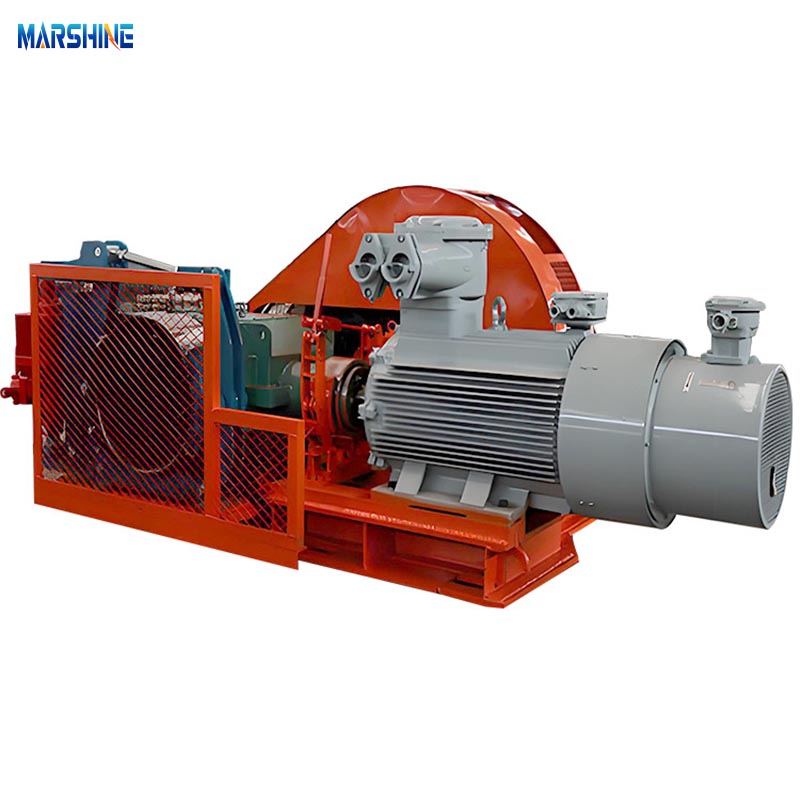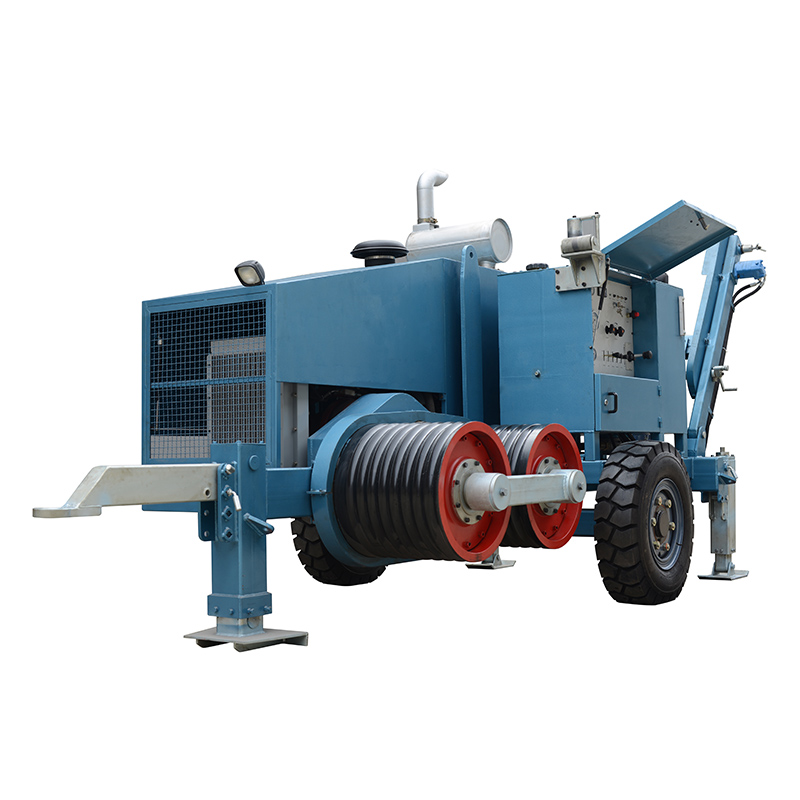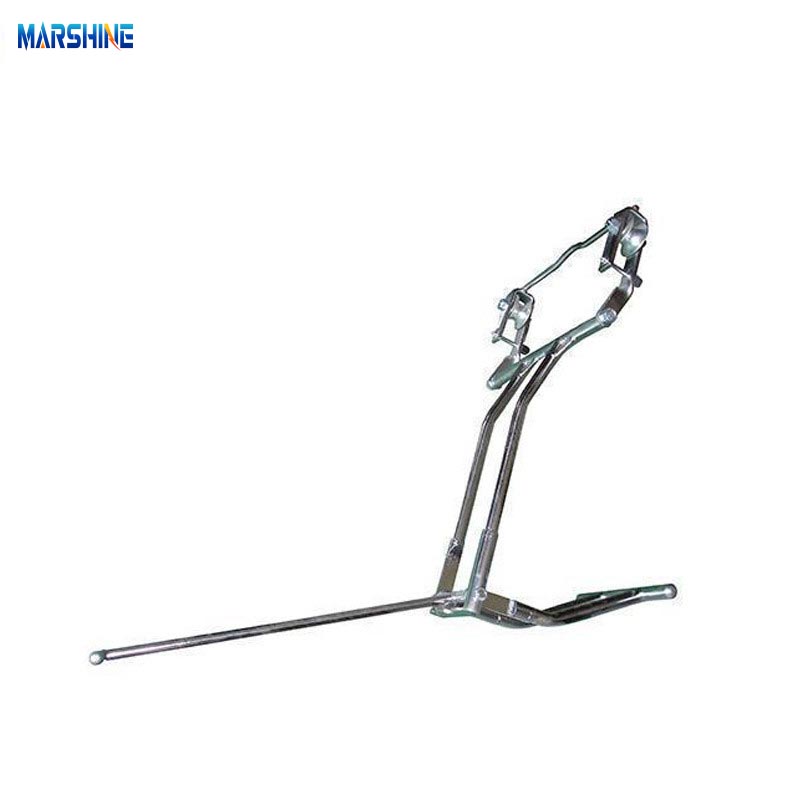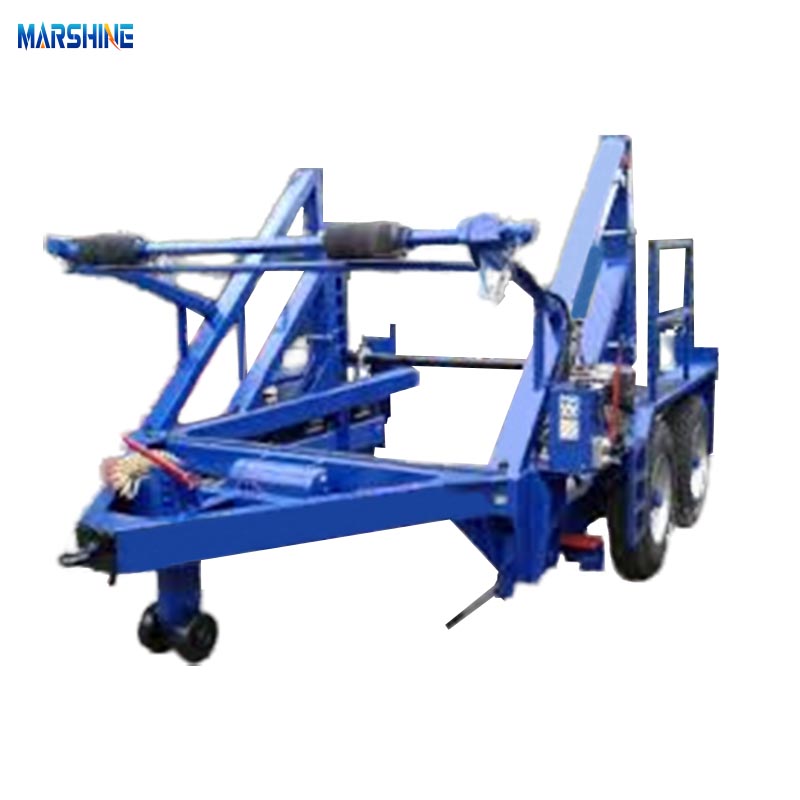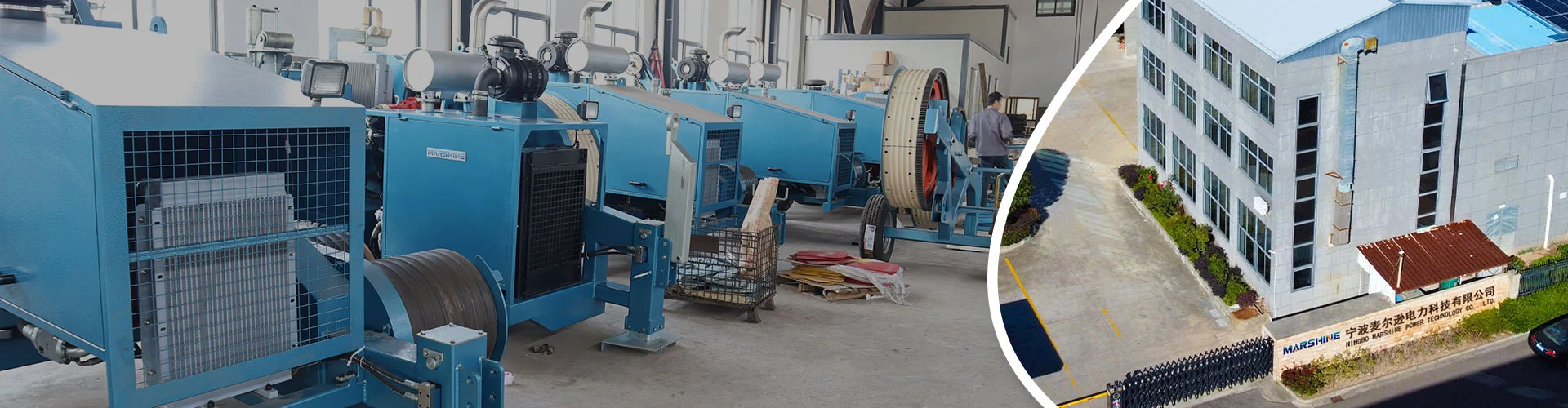
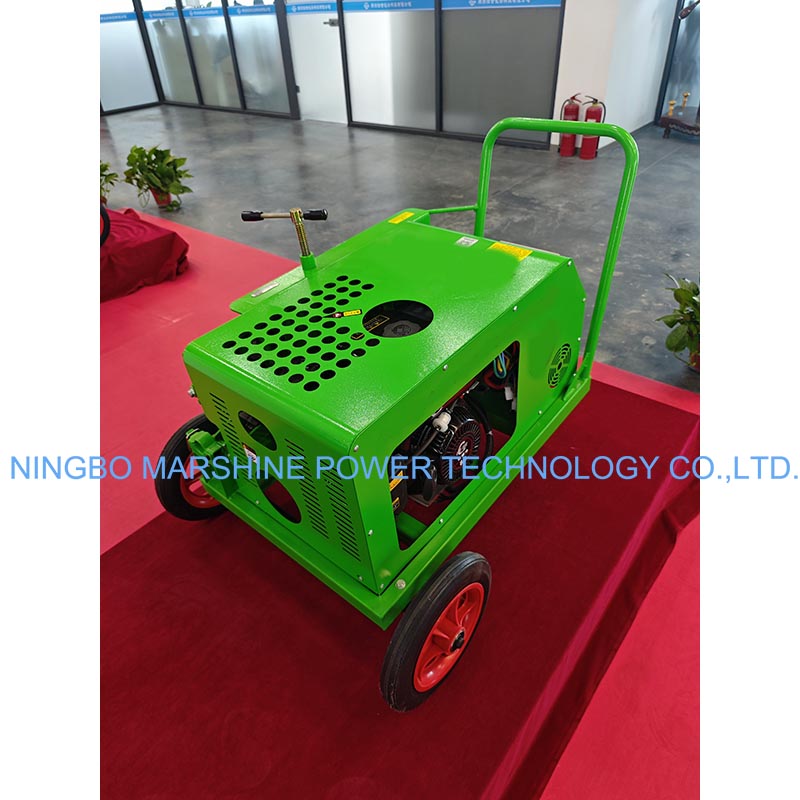
Cable pulling machines are vital for modern cable installation projects. They provide the necessary power and control to safely and efficiently deploy cables across diverse environments. A robust Cable Conveyor, often integrated into these systems, ensures smooth operation. Their role is critical for the integrity and longevity of complex cabling infrastructure, with companies like MARSHINE developing advanced solutions.
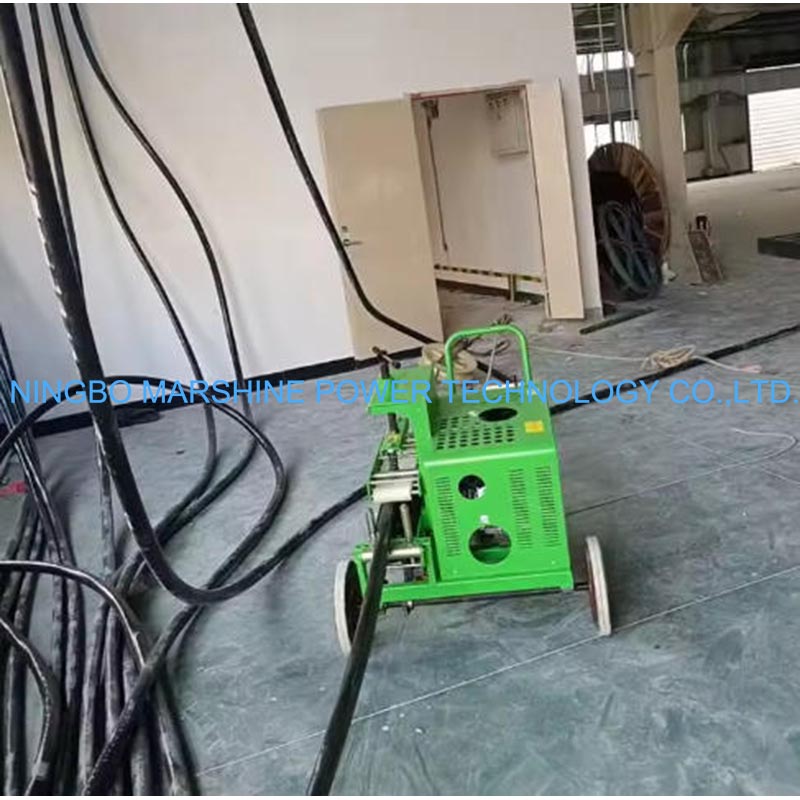
Cable installation often presents tough physical challenges. Imagine trying to pull heavy cables through long, narrow pipes or around sharp corners! This is where a cable pulling machine becomes a true hero. These machines are specifically designed to tackle these difficult situations.
They help overcome common obstacles like:
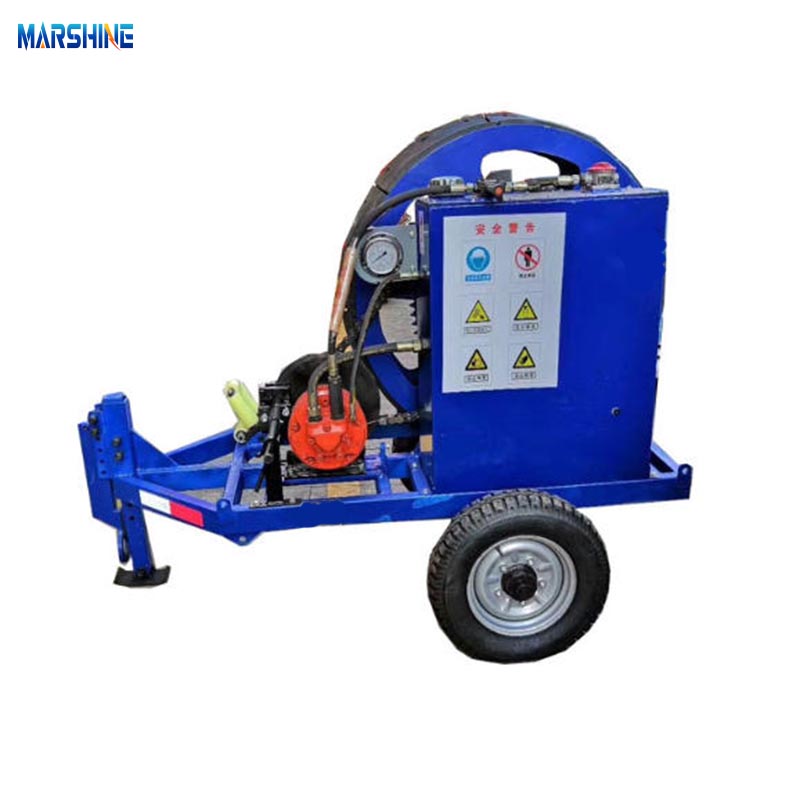
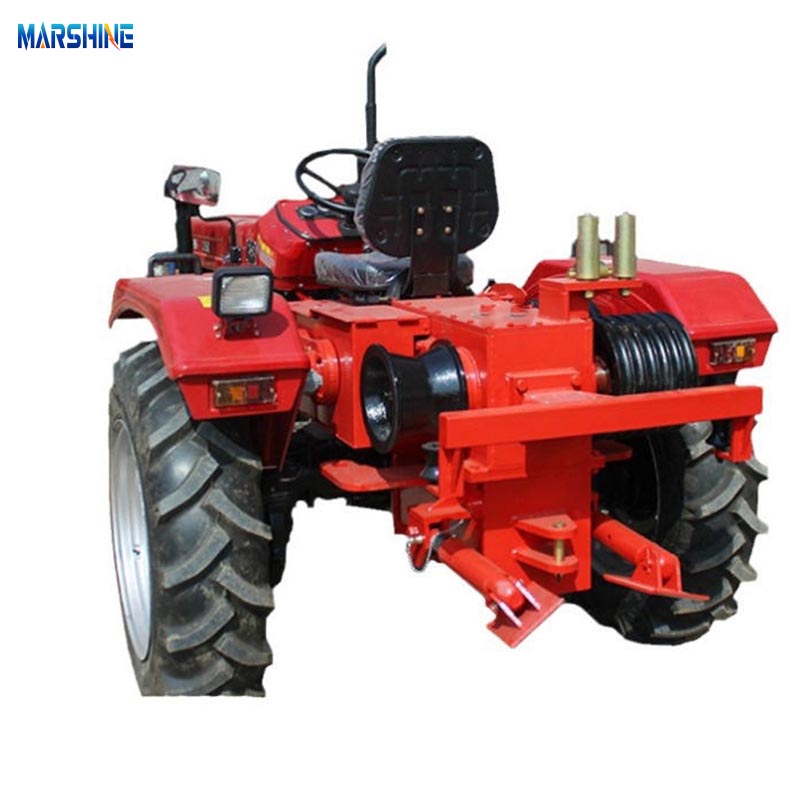
Advanced features in these machines help a lot. Variable speed controls let operators manage the pull speed. Automatic tensioning systems keep the cable tension just right. Remote-controlled capabilities allow operators to work from a safe distance. Rollers guide cables smoothly, preventing tangles. Integrated monitoring systems give real-time feedback, alerting operators to any problems. Companies like MARSHINE develop many of these advanced tools, including cable winches and tensioners, to make these tasks easier and safer.
Safety is a top priority in any construction project, and cable installation is no different. Cable pulling machines significantly boost safety by reducing the need for manual labor. This means fewer people are exposed to heavy lifting and potential strain injuries. Remote controls also let operators stay clear of the immediate work area, lowering accident risks.
These machines also bring incredible precision to cable placement. They guide cables smoothly with rollers or pulleys, which helps avoid snags and damage. Operators can adjust pulling speeds and force, making the machines work well with different cable types and conduit systems.
Advanced models have automated features that watch and control the pulling process. This ensures the tension is just right and prevents the cable from breaking. The result is cables laid evenly and without twists. This prevents damage and ensures everything works correctly.
Consider these precision features:
The pulling process itself is carefully managed:
When choosing a cable pulling machine, understanding its specifications is crucial. These details tell you what the machine can do and how well it performs.
One important specification is the power source. Advanced machines offer several options:
Another key specification is the pulling force capacity. This tells you how much weight or resistance the machine can handle. Different models have different capacities:
| Model Category | Pulling Capacity (lbs) |
|---|---|
| Entry Level (G1 Versi-Tugger) | 1,000 (Maximum) |
| Mid-Range (G3 Tugger) | 1,200 (Continuous), 2,000 (Maximum Intermittent) |
| Professional Grade (6001 Super Tugger) | 4,500 (Continuous), 6,500 (Maximum) |
| Premium (Ultra Tugger 8) | 8,000 |
| Premium (Ultra Tugger Series - Model 6900) | 6,500 (Continuous), 8,000 (Intermittent), 10,000 (Peak) |
You can see the range of pulling capacities in this chart: 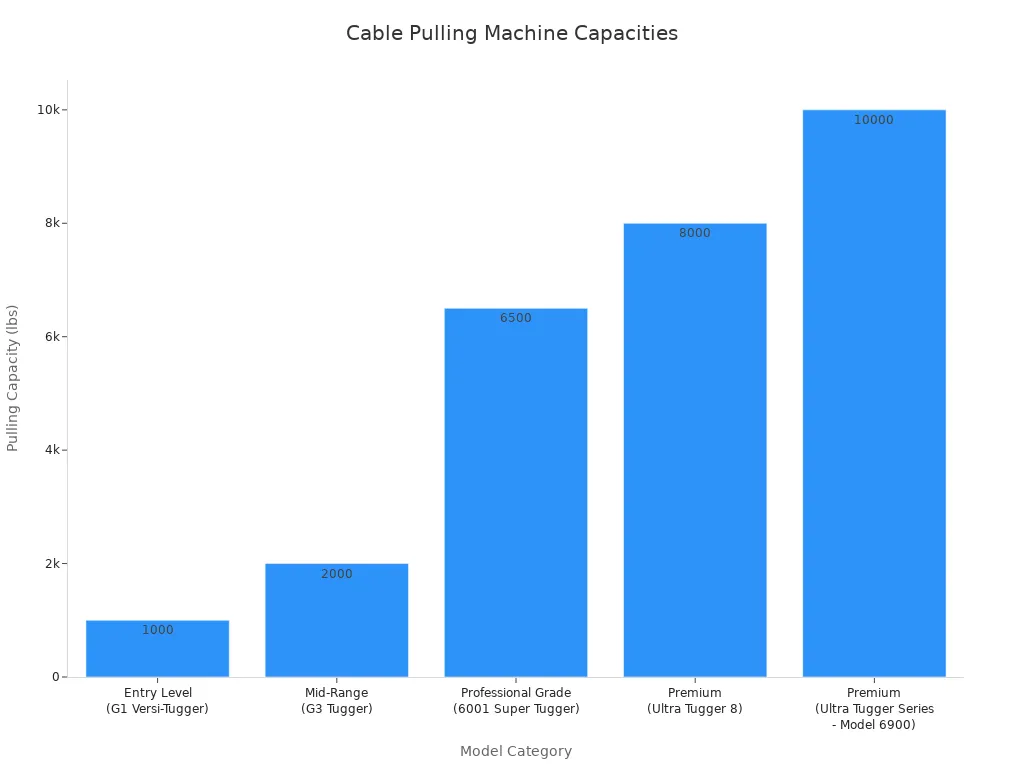
MARSHINE offers a wide range of tools, including cable winches and tensioners, that meet these diverse specifications. They ensure that there is a suitable tool for almost any cable installation challenge.
Cable installation used to be a slow and tough job. Workers often pulled heavy cables by hand. This took a lot of time and many people. Today, a cable pulling machine changes all that. It makes the work much faster and needs fewer hands.
Think about a large project. A machine can pull hundreds of feet of cable in minutes. Manual pulling would take hours or even days. This speed means projects finish sooner. Finishing early saves money on labor. Companies do not need to pay as many workers for as long.
For example, MARSHINE's advanced winches and tensioners automate much of the pulling process. This automation means less physical effort from workers. It also reduces the risk of mistakes. Fewer mistakes mean less rework, which saves even more time and money. The efficiency of these machines directly impacts a project's budget. They turn a labor-intensive task into a streamlined operation.
Damaged cables cause big problems. They lead to costly repairs and service outages. Cable pulling machines play a key role in preventing this damage. They handle cables with care.
These machines use controlled force. They pull cables smoothly and steadily. This prevents kinks, scrapes, and overstretching. Many models have features like automatic tension control. This system keeps the pulling force just right. It stops the cable from breaking or getting too tight.
For instance, MARSHINE's universal stringing blocks and wire rope pulleys guide cables safely. They reduce friction as the cable moves. This careful handling ensures the cable's outer jacket and inner conductors stay intact. When cables are installed without damage, they last longer. They also work more reliably. This means fewer breakdowns and a more dependable network or power system for everyone.
Cable installation happens everywhere. It can be in a busy city, a quiet rural area, or even underground. A good cable pulling machine must work well in all these different places. These machines are very versatile.
They can handle many types of cables. This includes thick power cables, delicate fiber optic cables, and standard data cables. Operators can adjust the machine's settings for each cable type. This ensures a safe and effective pull every time.
MARSHINE offers a wide range of tools, like cable drum trailers and fiberglass duct rodders. These tools help machines adapt to different environments. For example, a machine might need to pull cable through a long, winding conduit. Or it might need to string cable overhead between poles. The right accessories and machine settings make these tasks possible. This adaptability makes the cable pulling machine an essential tool for almost any installation challenge.
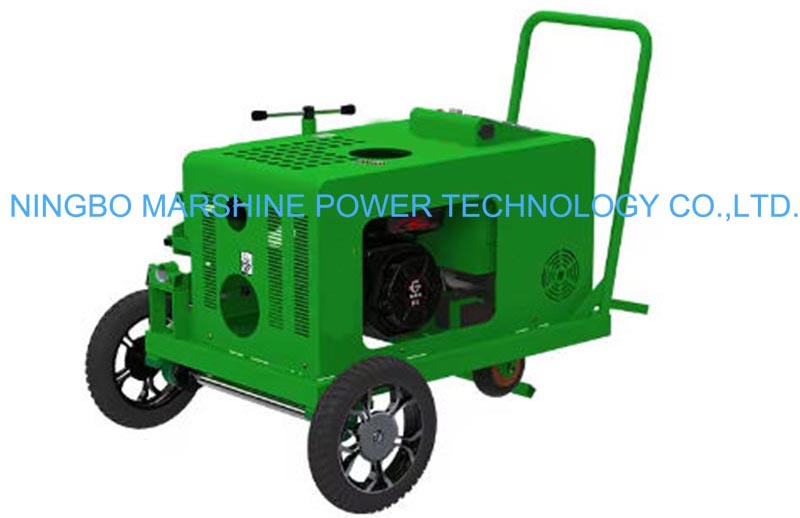
The world needs more data, and telecommunications networks are always growing. This means installing many new cables. A cable pulling machine is essential for this work. It helps deploy various cables quickly and safely.
Consider the types of cables these machines handle:
Expanding fiber optic networks involves a complex process. It includes:
Specialized fiber optic cable pullers ensure damage-free installation of these delicate cables. They prevent bending and excessive pulling forces. This equipment maintains the integrity and performance of the fiber optic infrastructure.
Installing power lines, especially high-voltage ones, requires powerful tools. Cable pulling winches are vital here. They move high-voltage power cables through conduits, trenches, or ducts. This process minimizes damage to the cables and speeds up installation after civil work finishes.
These machines manage high pulling tensions for LV EHV Power Cables. They ensure smooth, controlled pulling through hydraulic transmission. They also have line tension indicators. These prevent exceeding required pulling forces, which protects the cables. Specialized equipment handles challenging 400kV Transmission & Distribution cable installations, even in underground tunnels.
For underground power distribution, cable pulling machines offer adjustable pulling tension, sometimes up to 45,000 lbs. They can accommodate pull lines up to 6,500 feet. These machines also include electronic tracking systems. They monitor pull speed, tension, and footage for every foot of cable installed. The 'push and pull' method for underground cable-in-conduit installation is also common. This method uses specialized equipment to propel the cable while a winch pulls it. This balances forces, lowers cable tension, and allows for longer installation lengths.
Renewable energy projects, like wind farms, rely heavily on efficient cable installation. Cable pulling products are essential for both offshore and onshore wind farm applications. They install a full range of Low Voltage (LV), Medium Voltage (MV), and High Voltage (HV) cables. This includes 11kV/33kV MV and 66kV/132kV HV cables up to 400kV. These machines help with cable installation and enable cable jointing in trenches or ducts.
For example, at the Seagreen Offshore Wind Farm, cable pulling is underway. It installs cabling through 19.5 kilometers of underground ducts. This infrastructure connects the wind farm to the Scottish National Grid. This shows their use in large-scale onshore electrical transmission for wind farms. Smart city development also benefits. It needs extensive underground cabling for power, data, and communication. These machines ensure quick and reliable deployment of this critical infrastructure.
Cable pulling machines are truly essential tools. They streamline tough cable installation projects. These machines greatly improve safety, efficiency, and precision. This makes them critical for building modern infrastructure. As technology keeps advancing, their role will surely grow, securing their vital place in the industry.
Installers use them to make cable installation faster and safer. Machines reduce manual effort and prevent injuries. They also ensure precise cable placement.
Yes, these machines are very adaptable. They work with various cables, from fiber optics to heavy power lines. MARSHINE offers tools for many cable types.
They use controlled force and smooth pulling. Features like automatic tension control prevent kinks and overstretching. This protects the cable's integrity.