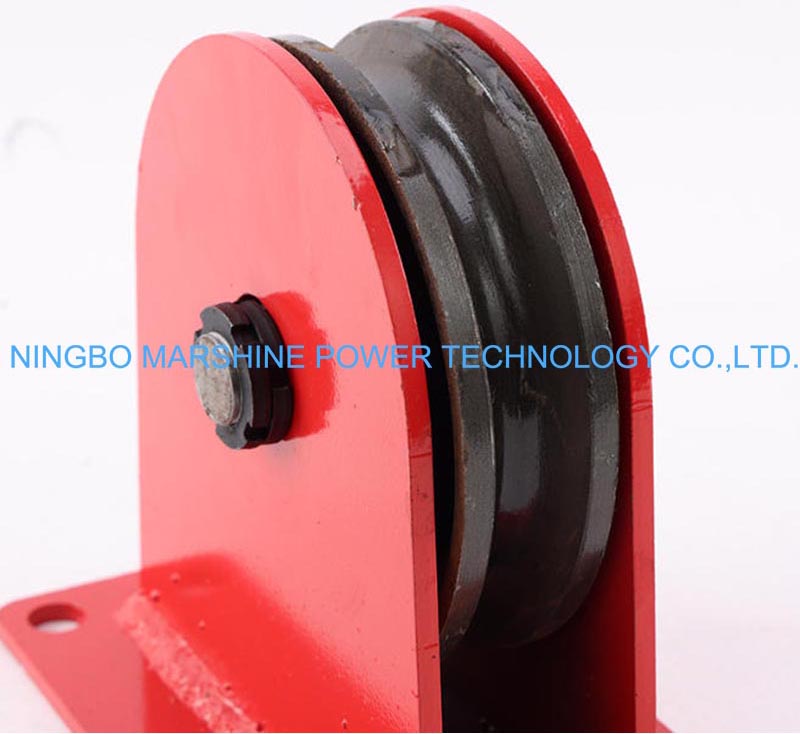
Choosing the right pulley block is crucial for safe and efficient lifting operations. A well-selected pulley block, such as the snatch block offered by MARSHINE, can significantly reduce the force needed to lift heavy loads. By distributing weight over multiple pulleys, including lifting pulleys, it offers a mechanical advantage. This advantage not only eases the lifting process but also minimizes wear and tear on your equipment. Companies like MARSHINE provide high-quality lifting pulleys designed to enhance your lifting experience.
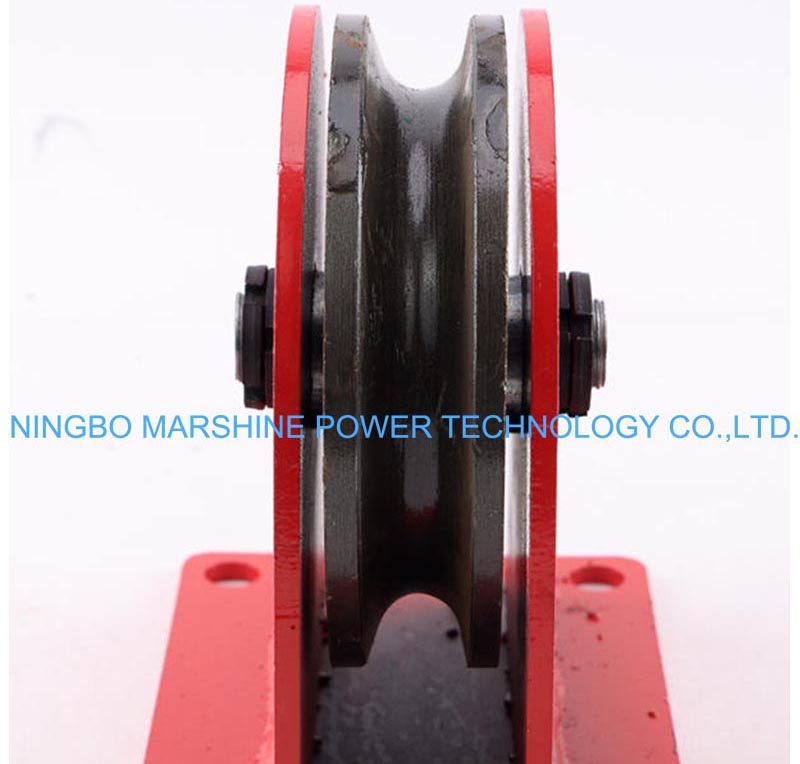
When selecting a pulley block, understanding load ratings is vital. Load ratings indicate the maximum weight a pulley can safely handle. Exceeding this limit can lead to serious consequences, including equipment failure and workplace accidents. Here are some key factors that impact lifting capacity:
| Factor | Impact on Lifting Capacity | Recommendations |
|---|---|---|
| Pulley Configuration | Determines mechanical advantage (e.g., 2:1, 4:1). More pulleys increase lifting power but require more rope and space. | Select configuration based on load and available space. |
| Material Construction | Steel blocks support heavier loads than aluminum or plastic. Galvanized or stainless steel resists corrosion without sacrificing strength. | Use steel for heavy-duty applications; aluminum for portable setups. |
| Rope or Chain Type & Diameter | Thicker, high-tensile ropes or chains increase system strength. Mismatched sizes reduce efficiency and safety. | Match line size precisely to the pulley groove and load requirements. |
| Number of Rope Parts | More rope segments supporting the load increase mechanical advantage and reduce effort. | Ensure proper reeving and avoid tangling. |
| Working Load Limit (WLL) | The manufacturer-specified maximum safe load. Never exceed this limit, even if the system seems capable. | Look for clearly marked WLL on the block and verify certification. |
Choosing a pulley block with a clear load rating and a safety factor of at least 4:1 is essential for all applications. This ensures that the pulley can handle unexpected loads without risk. Always check for certification marks like CE or ISO to ensure quality and safety.
Calculating the required load capacity for a pulley block involves understanding the mechanics behind lifting. Here are some formulas that can help:
| Formula Name | Formula | Description |
|---|---|---|
| Ideal Mechanical Advantage | MAideal = n | Number of rope segments supporting the load. |
| Actual Mechanical Advantage | MAactual = Fload / Feffort | Ratio of load force to effort force. |
| Effort Force with Efficiency | Feffort = Fload / (n × η) | Required effort force considering system efficiency. |
| Rope Tension with Safety Factor | Trated = (Fload / n) × SF | Required rope breaking strength with safety factor. |
By using these formulas, you can determine the necessary specifications for your pulley block. For instance, if you need to lift a load of 1000 pounds with a 4:1 mechanical advantage, you would only need to exert 250 pounds of force. However, always consider the efficiency of your system, as real-world conditions can affect performance.
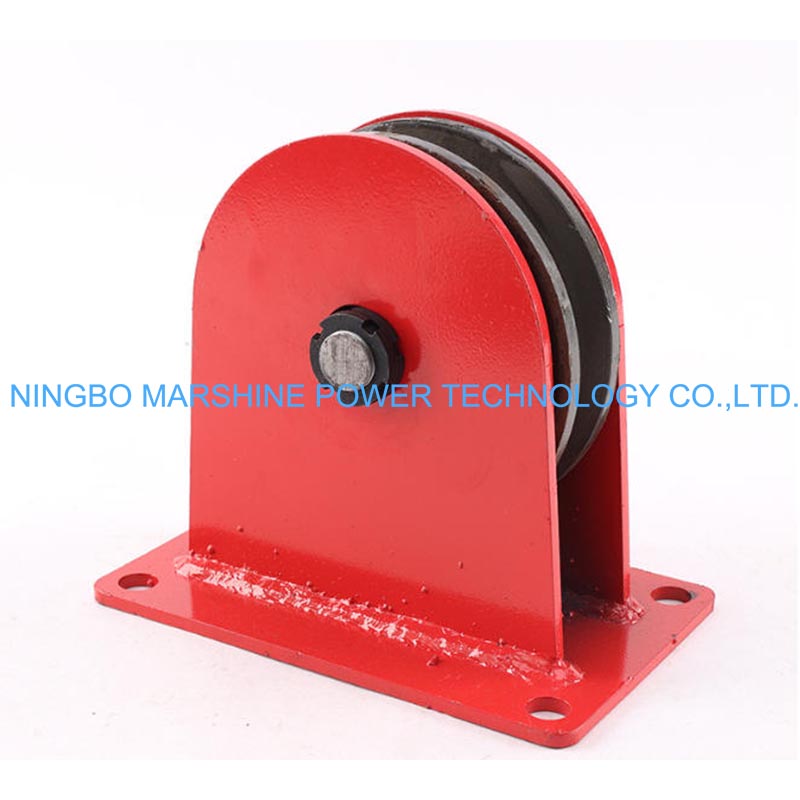
Choosing the right material for your pulley block is crucial for ensuring durability and performance. Different materials offer unique advantages, and understanding these can help you make an informed decision.
Several materials are commonly used in manufacturing pulley blocks, each with its own set of benefits. Here’s a quick overview:
| Material/Standard | Advantages |
|---|---|
| High-strength steel | Offers strength and resistance to deformation, making it ideal for frames, gears, and pulleys. |
| Corrosion resistance | Stainless or galvanized steel effectively prevents corrosion in moist or chemical environments. |
| Lightweight housing materials | Aluminum alloys provide reduced weight while ensuring structural integrity. |
High-strength steel is often the go-to choice for heavy-duty applications. Its exceptional strength makes it suitable for demanding tasks. On the other hand, aluminum alloys are perfect for situations where weight is a concern, such as portable setups.
Environmental factors play a significant role in determining the lifespan of pulley block materials. Here’s how different conditions can affect your choice:
| Environmental Factor | Effect on Pulley Block Materials |
|---|---|
| High Humidity | Promotes corrosion and material degradation. |
| Low Temperature | Can lead to brittleness and reduced flexibility. |
| Moisture Exposure | Increases carryback and buildup, leading to failure modes like swelling and corrosion. |
For applications in harsh conditions, such as marine environments, marine-grade (AISI 316) stainless steel is highly recommended. This material offers superior resistance to saltwater, making it ideal for offshore operations. Proper passivation is necessary to enhance its corrosion resistance and longevity.
When selecting a pulley block, consider the environment where it will be used. The right material can significantly extend the life of your equipment and improve safety during lifting operations.
When it comes to pulley blocks, design features play a crucial role in their performance and usability. One standout feature is the use of double bearings.
Double bearings enhance the efficiency of pulley blocks in several ways:
These advantages contribute to a safer working environment. Operators experience less physical strain, which is vital for workplace safety.
Beyond double bearings, several other design features differentiate pulley blocks in the market. Manufacturers now focus on creating compact and lightweight designs. This shift makes installation easier and enhances usability.
Here are some additional design elements to consider:
As the demand for customized solutions grows, companies like MARSHINE innovate to meet specific application needs. They offer products that combine advanced engineering with user-friendly features. This approach not only enhances performance but also reduces maintenance requirements.
By considering these design features, you can select a pulley block that meets your operational needs while ensuring safety and efficiency.
When choosing a pulley block, consider the application type. Different settings require different specifications.
In industrial settings, pulley blocks often face heavier loads compared to DIY projects. Here’s a quick comparison of typical load capacities:
| Application Type | Typical Load Capacity |
|---|---|
| Light-duty (home use) | 0.5–2 tons |
| Medium-duty (construction) | 3–10 tons |
| Heavy industrial use | 15+ tons |
For home use, a light-duty pulley block suffices for tasks like lifting small items or equipment. However, in construction or industrial environments, medium to heavy-duty blocks are essential for safety and efficiency.
3T double bearing pulleys shine in various applications. They work well in both industrial and DIY settings. Here are some specific use cases:
By selecting the right pulley block, users can optimize their lifting operations, whether at home or in a professional setting. Companies like MARSHINE offer reliable options that cater to diverse needs, ensuring safety and efficiency in every lift.
Maintaining your pulley block is essential for safe and efficient operation. Regular maintenance not only extends the lifespan of the equipment but also prevents accidents. Here are some practical tips to keep your pulley block in top shape:
| Maintenance Type | Frequency |
|---|---|
| Daily visual checks | Before each use |
| Professional inspections | Annually |
| Professional servicing (electric) | At least once a year |
| Increased servicing (frequent use) | Every six months |
| Manual chain hoists inspection | Annually |
Safety should always be a priority when using pulley blocks. Here are some common hazards to watch out for:
To ensure safety, follow these guidelines:
By adhering to these maintenance and safety practices, users can significantly reduce the risk of accidents and ensure that their pulley block operates smoothly and efficiently.
In summary, choosing the right pulley block involves careful consideration of several factors. Users should assess load capacity, material, design features, and application suitability. Regular maintenance also plays a crucial role in ensuring safety and efficiency. By evaluating these aspects, individuals can select the most appropriate pulley block for their tasks, enhancing performance and longevity.
Remember, investing in quality products like those from MARSHINE can lead to long-term benefits, including enhanced safety and reduced operational costs.
Most pulley blocks can handle loads ranging from 0.5 tons to over 15 tons, depending on their design and materials.
Inspect your pulley block daily before use. Schedule professional inspections at least once a year for safety.
Yes, but choose a corrosion-resistant material, like stainless steel, to ensure durability in wet environments.