

Introduction
Heavy line pulling exposes crews to snapback, overloads, unstable equipment, and fatigue, especially in utility, telecom, forestry, and recovery work. A PTO cable winch reduces those risks by using a truck or tractor’s power take-off to deliver steady mechanical pulling force instead of relying on overheated electric motors or separate engines. This introduction explains why that direct power connection matters for safer load control, longer duty cycles, and more predictable tension under demanding conditions. It also sets up the key safety factors to consider, from operator positioning and equipment sizing to jobsite stability and maintenance practices.
How a PTO Cable Winch Improves Line Pulling Safety
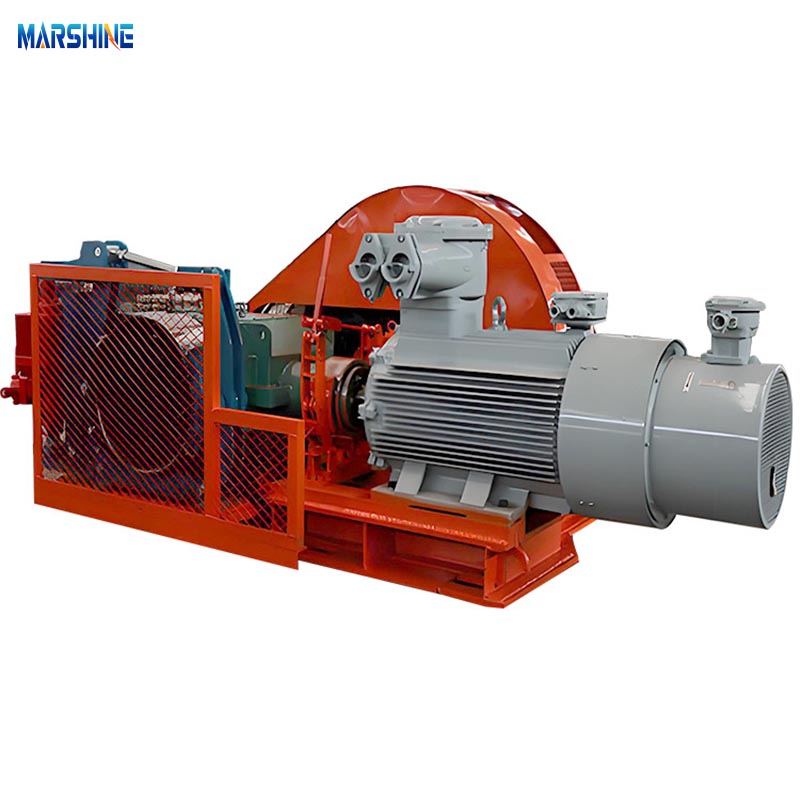
Relying on a vehicle's native power, a PTO cable winch fundamentally shifts how utility, telecommunications, and forestry crews handle heavy loads. By tapping directly into a truck or tractor's power take-off, these winches bypass the overheating risks and electrical faults commonly associated with battery-powered alternatives. They routinely handle massive pulling requirements exceeding 10,000 lbs (4,535 kg) without draining a vehicle's electrical system.
The direct mechanical linkage provides smooth, predictable tension. This constant power delivery is critical when preventing cable snapback or sudden load drops on a busy job site. Unlike standalone winches that require external fuel or auxiliary engines, a PTO setup integrates seamlessly into the heavy machinery crews already have on site, streamlining operations and significantly reducing the physical footprint of the pulling equipment.
PTO-Driven Cable Pulling Basics
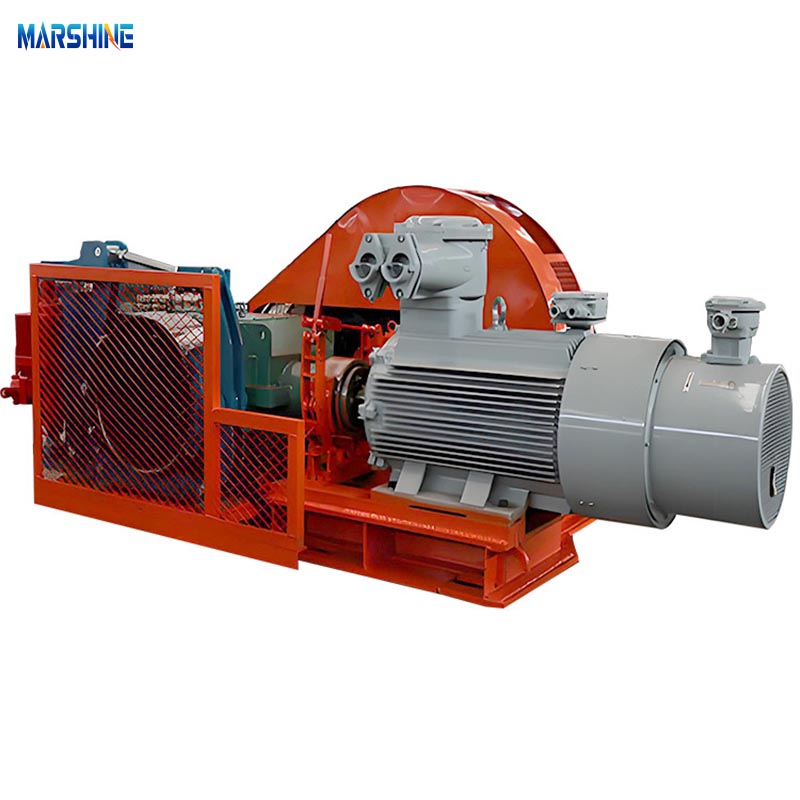
At its core, PTO-driven equipment utilizes the rotational energy from a vehicle's engine, transferring it through a heavy-duty driveshaft directly to the winch drum. This robust mechanical setup allows for a true 100% duty cycle, meaning operators can pull heavy loads continuously all day without waiting for electric motors to cool down.
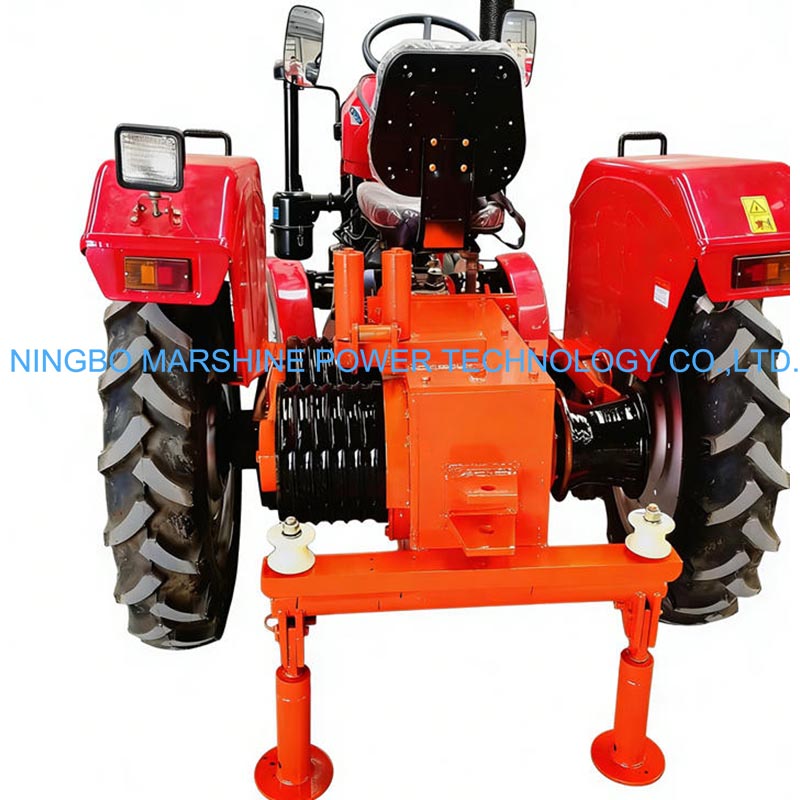
When outfitting a rig for remote utility work, crews often rely on a robust Farm Tractor Winch to navigate rugged terrain where standalone generators simply cannot go. The integrated heavy-duty steel frames, oversized bearings, and reinforced mounting plates characteristic of these units keep the drum perfectly stable under extreme lateral stress, ensuring the wire rope spools evenly and safely.
MARSHINE’s Role in Cable Pulling Tools
Developing tools that can handle these intense physical demands requires deep engineering expertise. As a manufacturer of electrical power equipment tools, MARSHINE designs and produces advanced cable pulling solutions. Backed by GB/T19001-2008 quality system certification, the company supplies a wide range of utility equipment.
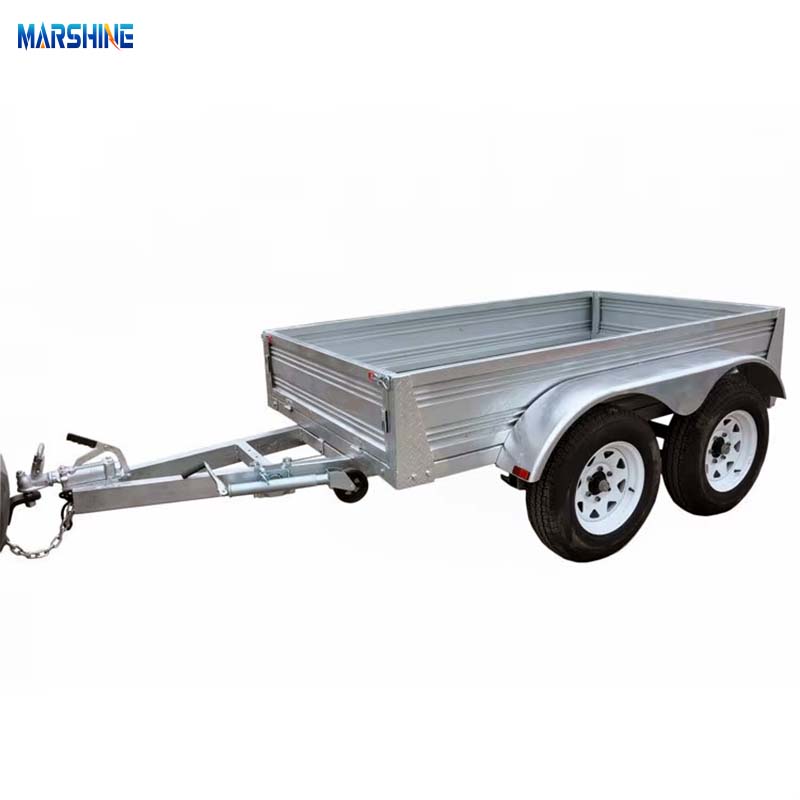
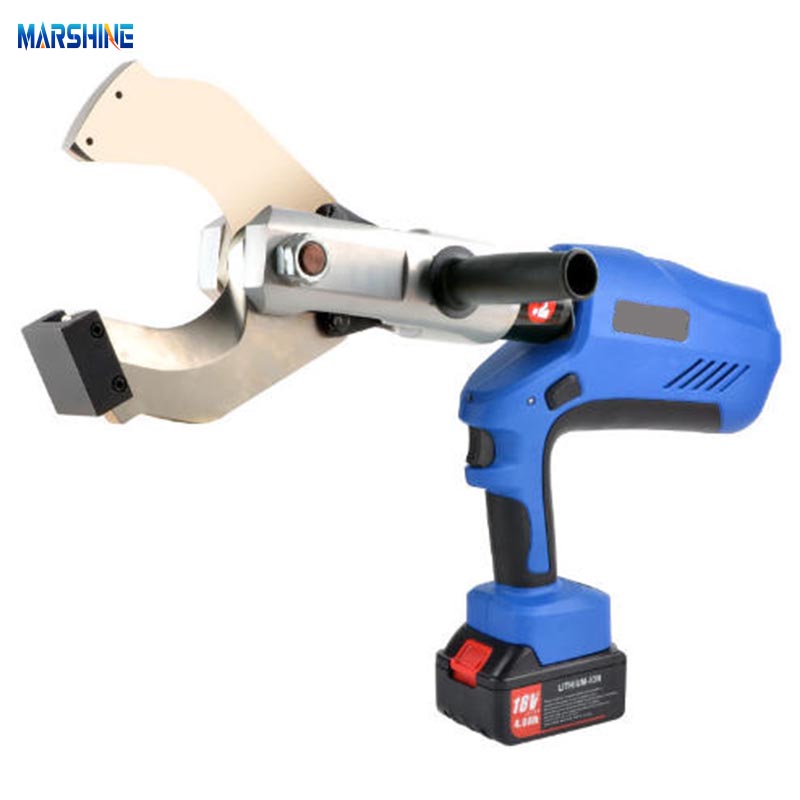
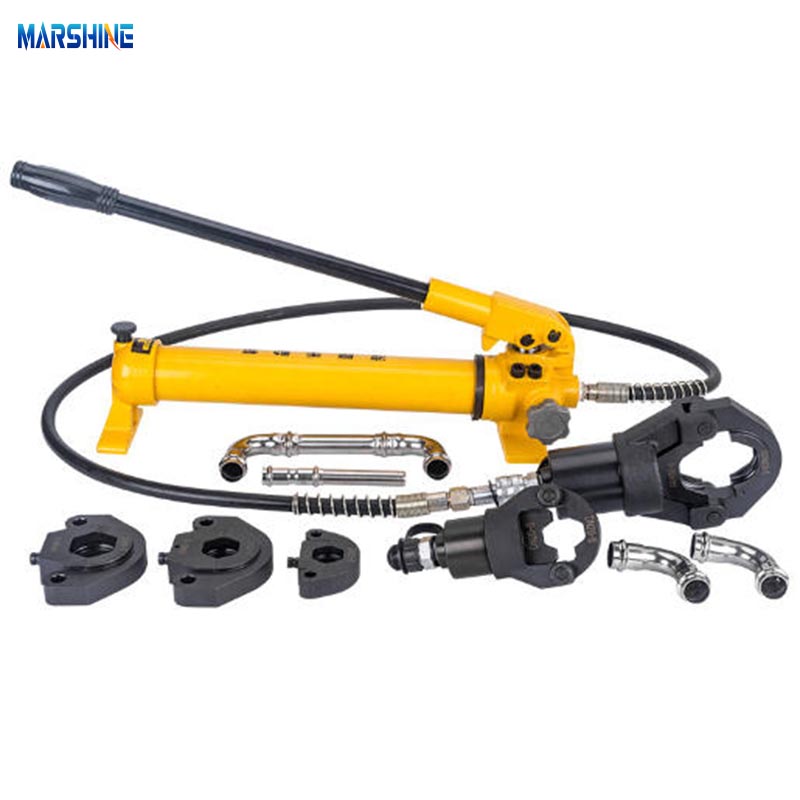
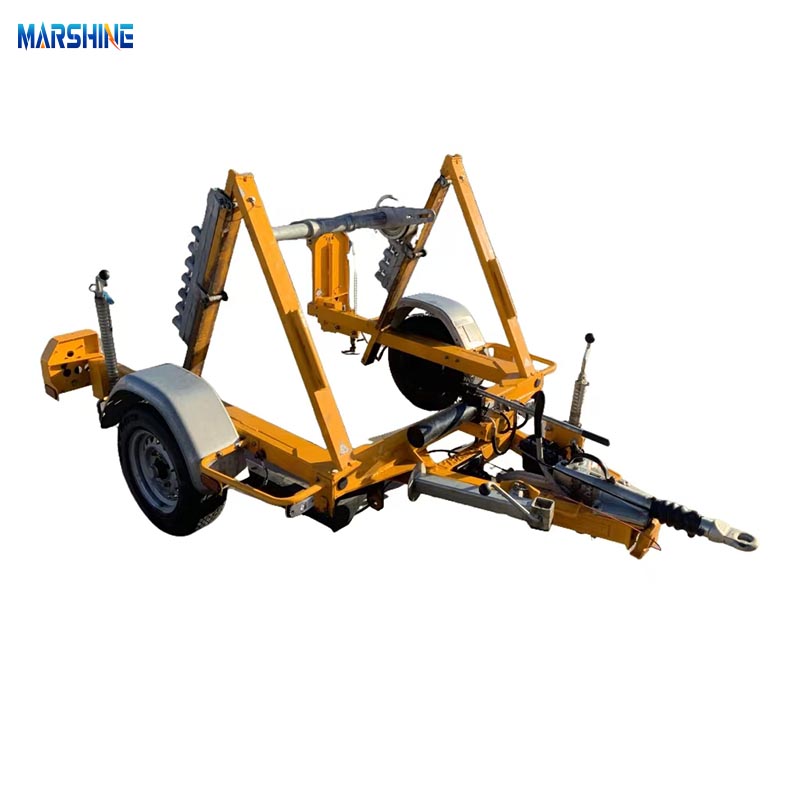
Their lineup includes heavy-duty cable pulling winches, wire rope winches, universal stringing blocks, fiberglass duct rodders, cable drum trailers, and hydraulic crimping tools. By focusing on practical engineering and user requirements, they provide safe, reliable products for power grid construction and line installation, ensuring crews have appropriate equipment for every phase of the job.
Key PTO Cable Winch Specifications for Safer Overhead Work
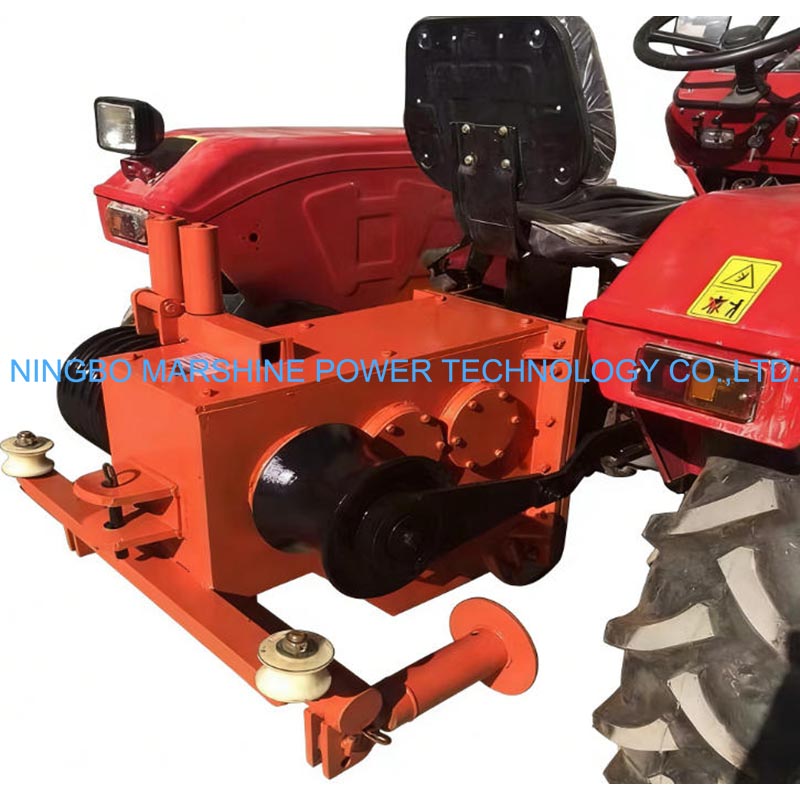
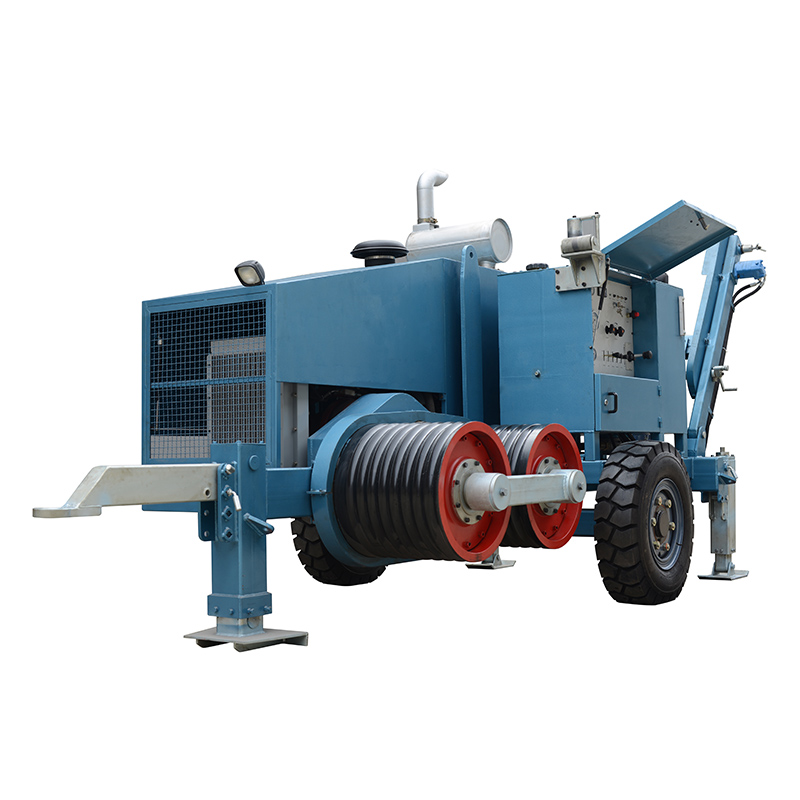
Upgrading overhead work safety requires looking closely at the mechanical specifications of your equipment. A modern PTO cable winch is engineered with precise tolerances to ensure operators maintain total control over a suspended or highly tensioned load. Essential mechanical components like heavy-duty gearboxes and integrated load-holding mechanisms prevent dangerous freewheeling accidents.
For instance, operators typically look for line speeds that can be finely modulated through the vehicle's throttle and the winch's gearing, often ranging between 15 and 60 feet per minute (4.5 to 18 m/min). This variable control allows for rapid payout when the line is empty and slow, deliberate tensioning when the cable is under full load.
Pulling Force, Speed Control, Clutch, and Brake Performance
Pulling force, speed control, clutch engagement, and brake performance are the four pillars of winch safety. Industrial-grade PTO winches often boast a pulling capacity ranging from 3-ton to 10-ton thresholds, easily outperforming standard commercial electric winches. The manual or pneumatic clutch system must allow for smooth free-spooling so crews can manually run the line out to the payload without fighting the gearbox's internal resistance.
However, the absolute most critical safety feature is the braking system. High-quality PTO units utilize automatic, spring-applied fail-safe brakes. These brakes instantly lock the drum if the PTO power drops, the engine stalls, or the operator disengages the drive. This failsafe mechanism ensures the load never slips backward, protecting both the infrastructure and the personnel standing below.
PTO Cable Winch Comparison Factors
When evaluating equipment for utility line stringing, understanding how a PTO setup stacks up against alternatives is vital. Operators must weigh factors like continuous run time, maintenance needs, and raw pulling power. High-quality winches are often paired with anti-twist braided steel ropes and specialized cable rollers to prevent line distortion during heavy pulls.
| Winch Type | Power Source | Typical Max Pull Range | Duty Cycle | Primary Advantage |
|---|---|---|---|---|
| PTO Winch | Vehicle Engine | 10,000 - 30,000+ lbs | 100% | Continuous heavy pulling without overheating |
| Electric Winch | 12V/24V Battery | 4,000 - 15,000 lbs | 10% - 20% | Works with engine off; simple installation |
| Hydraulic Winch | Power Steering/Pump | 8,000 - 20,000 lbs | 100% | Highly reliable, smooth operation, and submersible |
Selecting a winch based on these comparison factors ensures that crews are not under-equipped for the task. While electric winches are fine for occasional recovery, high-tension overhead line pulling demands the continuous torque and unyielding duty cycle that only a PTO or heavy hydraulic system can provide.
How Crews Should Choose and Operate a PTO Cable Winch
Even the most advanced PTO cable winch requires knowledgeable operators and strict adherence to protocol to function safely. Selecting the right unit and setting it up correctly prevents catastrophic gear failure and protects the crew on the ground. A primary mechanical consideration is the input capacity of the winch gearbox relative to the host vehicle.
For example, depending on the manufacturer's specifications, a standard 5-ton capacity winch might require a tractor or truck capable of delivering at least 30 to 50 HP directly at the PTO shaft. Operating a high-capacity winch with an underpowered vehicle can lead to engine stalling under load, which introduces sudden, dangerous slack into the pulling line.
Pre-Job Inspection and Setup Steps
Before starting any pull, crews must run through a rigorous pre-job inspection and setup routine to mitigate the severe hazards associated with heavy tension and rotating machinery. A standard safety checklist should include:
- Driveline and Shield Verification: Ensure all master shields and driveline guards are securely in place.
Further reading:
Key Takeaways
- The most important conclusions and rationale for PTO Cable Winch
- Specs, compliance, and risk checks worth validating before you commit
- Practical next steps and caveats readers can apply immediately
Frequently Asked Questions
How does a PTO cable winch improve line pulling safety?
It uses the vehicle’s engine power for steady mechanical pulling, reducing overheating, voltage drops, and sudden tension changes that can cause snapback or load movement.
What pulling capacity should crews look for in a PTO cable winch?
For utility and overhead line work, crews commonly choose 3-ton to 10-ton PTO winches, depending on cable weight, terrain, and required pulling distance.
Why is the brake system important on a PTO cable winch?
A fail-safe brake locks the drum if power drops or the engine stalls, helping prevent the load from slipping backward and protecting workers nearby.
Can a PTO cable winch run continuously during heavy pulling?
Yes. PTO winches are designed for continuous duty because they draw mechanical power from the vehicle engine instead of relying on an electric motor.
What related equipment can improve PTO winch safety?
Use anti-twist steel rope, cable rollers, stringing blocks, cable drum trailers, and proper mounting hardware to keep tension controlled and cable movement stable.
References
- Winch Power Explained: How Your Skidding Winch Pulls Logs
- Logging winch- New user with questions! - TractorByNet
- Winch Cable Breakage and Safety Precautions in Tow Operations
- Winch line safety - weighting the cable | NAXJA Forums
- How to Properly Use a Winch: The Off-Roader's Guide - Rhino USA
- How to Choose the Best Winch Lines for Off-Road, Forestry & Towing
- Winch cable safety: use dampeners and keep back - Facebook
- Double-Line Winch Pulls: Why, When, and How – Factor55
- Synthetic winch line for pulling down trees? : r/4x4 - Reddit
- Winching safety.....Cheap easy way to keep winch cable......