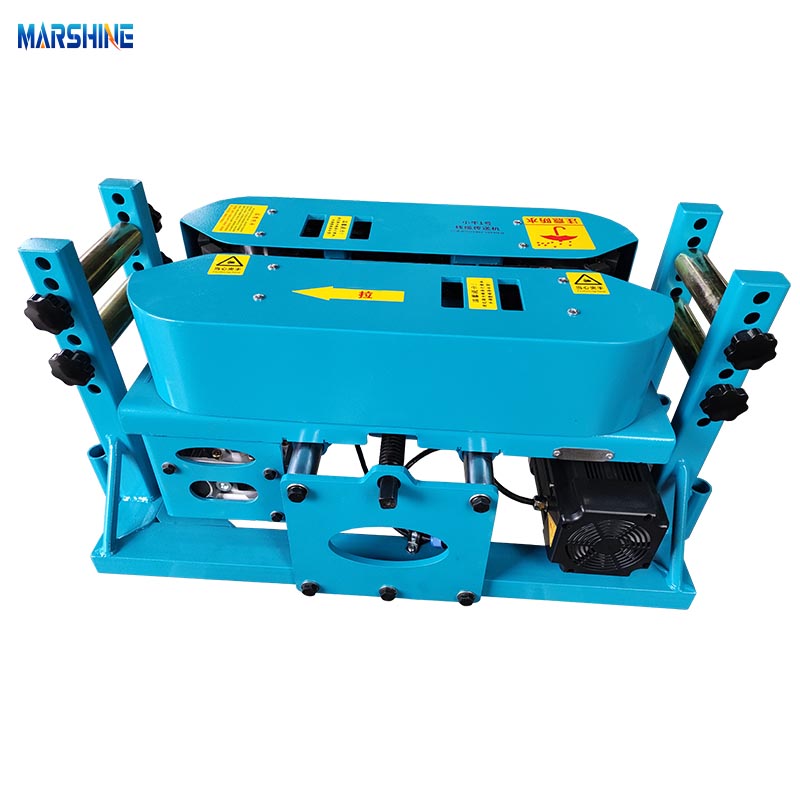
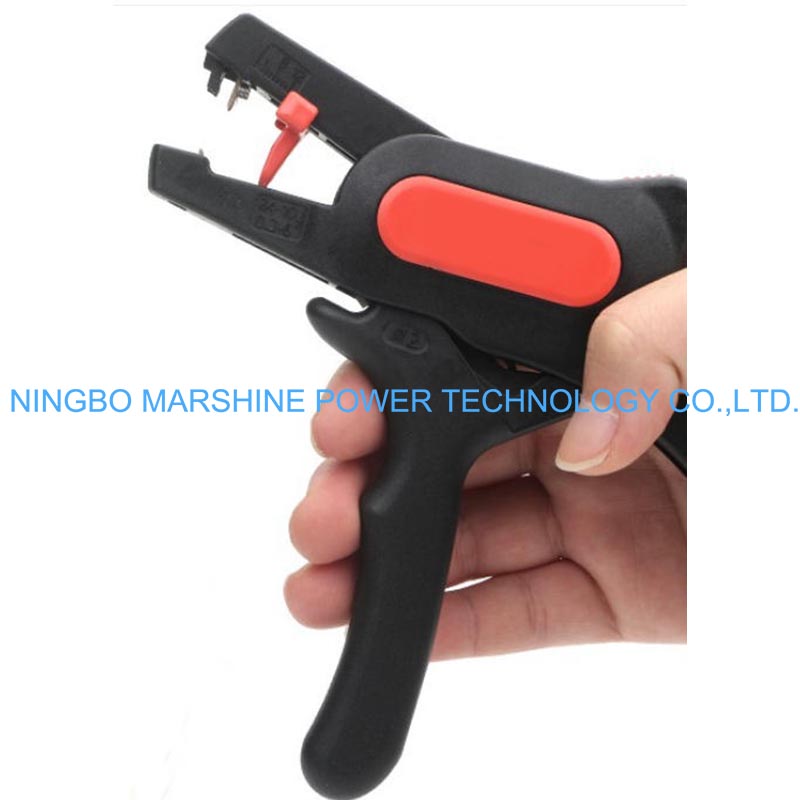
Using an automatic wire stripper from MARSHINE simplifies the process of preparing electrical wires. This handy tool not only speeds up the task but also improves precision, making it easier to achieve clean cuts. In fact, MARSHINE's automatic wire strippers can operate up to 20 times faster than manual methods, saving you valuable time during projects. With a self adjusting wire stripper, you can also minimize the risk of damaging the wire, ensuring a better outcome for your electrical work.
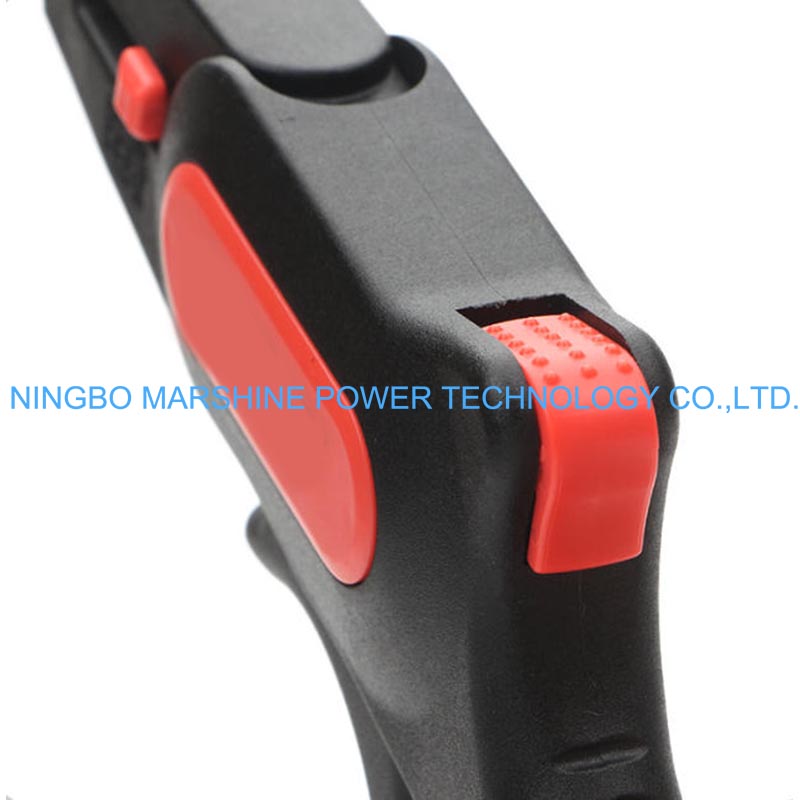
An automatic wire stripper is a specialized tool designed to remove insulation from electrical wires without damaging the conductor. Unlike manual wire strippers, which require users to adjust the tool for different wire sizes, automatic wire strippers feature a complex jaw mechanism that automatically adjusts to grip and strip wires of various gauges. This design makes them particularly efficient for larger projects where multiple wire sizes are involved.
When selecting an automatic wire stripper, consider the following key features:
Durability: High-quality models often use solid aluminum alloy for the body and hard tungsten steel for the blades. This construction ensures longevity and reliable performance.
Automation: Many automatic wire strippers come equipped with smart features like auto-detection, enhancing productivity and reducing human error. This automation sets them apart from lower-quality models that may require manual operation.
Versatility: Some models function as multi-tools, offering cutting, crimping, and bending capabilities. This versatility can save space in your toolbox and streamline your workflow.
Ergonomics: Look for designs that prioritize user comfort. Features like comfortable grip handles and lightweight construction can reduce fatigue during extended use.
| Feature | High-Quality Models | Lower-Quality Models |
|---|---|---|
| Durability | Made from hardened steel and tough materials | Often use cheaper materials |
| Ergonomics | Ergonomically designed for comfort | Basic design, less comfort |
| Automation | Equipped with smart features like auto-detection | Manual operation required |
| Additional Features | Built-in cutters, crimping tools | Limited functionalities |
By understanding these features, users can make informed decisions when choosing an automatic wire stripper that best suits their needs.
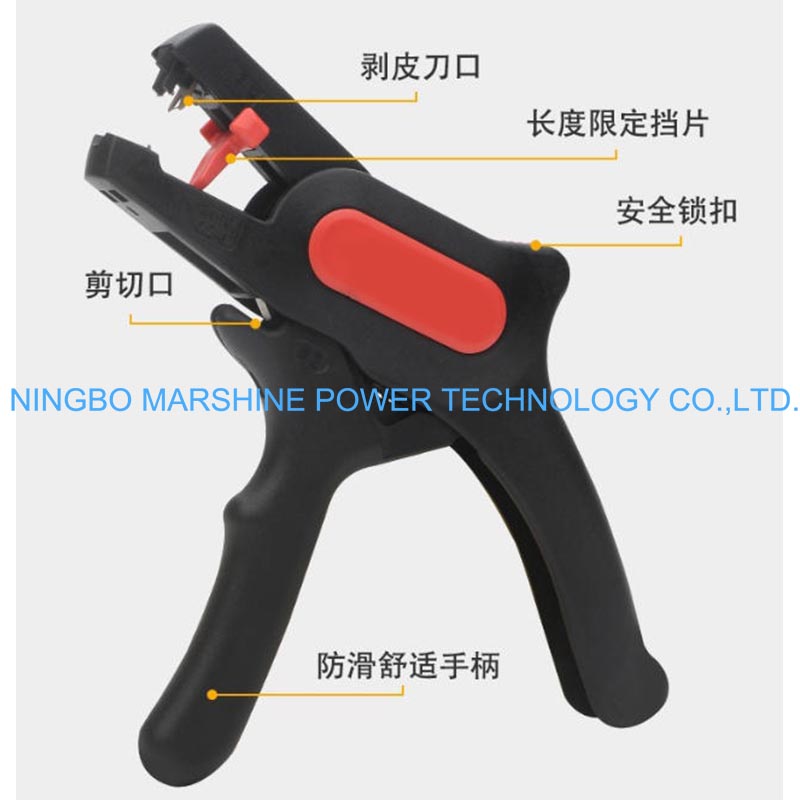
Before diving into the wire stripping process, it's essential to gather all necessary materials. Here’s what you need:
Tip: Prepare the wire by straightening it and removing any dirt or debris. Cutting the wire into lengths of 5 to 10 feet makes handling easier.
Next, you need to adjust the automatic wire stripper for the specific wire gauge. This step is crucial for achieving optimal results. Here’s how to do it:
Improper adjustment can lead to issues like incomplete stripping or damage to the wire itself. So, take your time to get this right!
Now it’s time to insert the wire into the automatic wire stripper. Follow these steps:
Note: If the wire is curled or improperly prepared, it can affect the efficiency of the stripping process.
Activating the stripping mechanism is straightforward. Here’s how to do it:
This automation is one of the key features of an automatic wire stripper, making the task quicker and more efficient.
Once the insulation is stripped, carefully remove the wire from the machine. Here’s what to do:
Finally, inspect the stripped wire to ensure quality. Check for the following:
Tip: If you notice any damage, cut off the segment and strip it again properly. This attention to detail will help you achieve the best results in your electrical projects.
By following these steps, you can effectively use an automatic wire stripper, enhancing your efficiency and precision in electrical work.
To keep an automatic wire stripper in top shape, follow these maintenance routines:
Tip: Clean the exterior weekly with a damp cloth and perform internal cleaning monthly to keep the tool running smoothly.
Safety should always come first when using an automatic wire stripper. Here are some essential precautions:
Avoiding common mistakes can lead to better results. Here are some frequent errors:
Tip: Regular training for operators can help ensure safe and efficient machine operation.
By following these tips, users can enhance their experience with an automatic wire stripper, ensuring safety and efficiency in their electrical projects.
Mastering the use of an automatic wire stripper can significantly boost efficiency in electrical projects. Here are some key benefits:
Regular practice and attention to detail will build skills and confidence with this essential tool. So, keep practicing, and watch your efficiency soar! 🚀
You can strip solid, stranded, and multi-conductor wires. MARSHINE's strippers handle various gauges efficiently.
Regularly clean the tool, lubricate moving parts, and inspect blades for wear. This keeps it functioning optimally.
Yes! MARSHINE's automatic wire strippers work well with various insulation materials, including PVC and rubber.