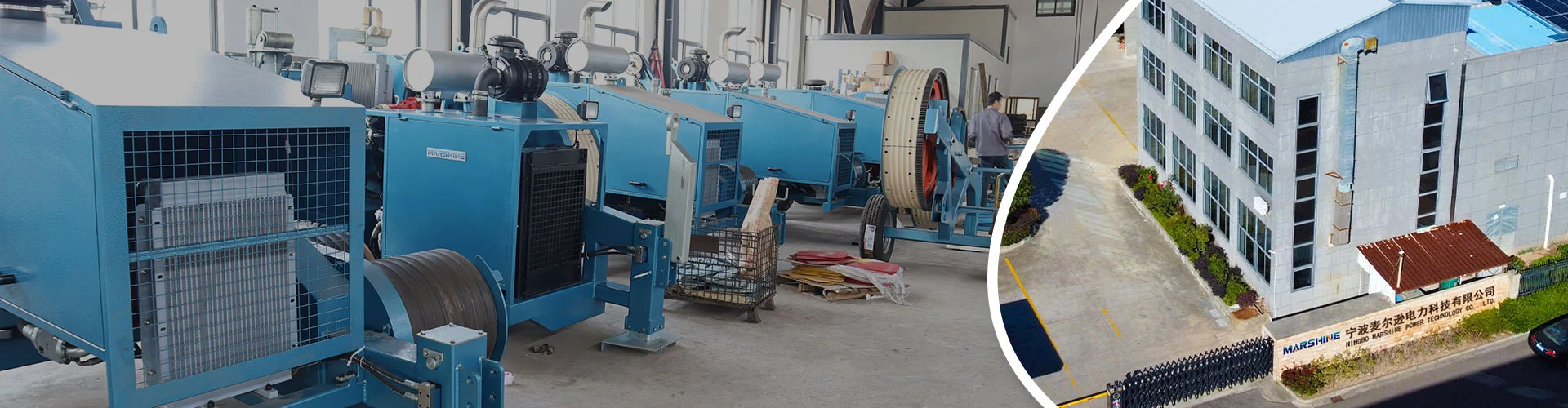
Ningbo Marshine Power Technology Co., Ltd.
News

Why Does a Hydraulic Cable Tensioner Matter More Than Most Buyers Expect?

2026-03-24 0 Leave me a message

In real cable installation work, many project delays do not start with the cable itself. They start when tension is unstable, speed is hard to control, or the crew is forced to work around equipment that cannot adapt to terrain, distance, or load changes. That is exactly why the Hydraulic Cable Tensioner has become a key piece of equipment in power line stringing, telecom construction, and other demanding cable-laying applications. For buyers comparing options, the real question is not simply what a machine can pull, but how well it protects the cable, supports the team, and keeps the project moving with less waste and less risk.

Article Summary

This article explains how a Hydraulic Cable Tensioner helps solve the most common cable installation problems, from conductor damage and uneven pulling force to jobsite inefficiency and safety concerns. It also covers what buyers should evaluate before choosing a machine, how hydraulic control improves consistency, what features matter in harsh environments, and why working with an experienced manufacturer such as Ningbo Marshine Power Technology Co., Ltd. can make equipment selection much easier.

Outline

  1. Why cable installation often fails before the cable is even energized
  2. How stable hydraulic tension helps protect both cable and schedule
  3. What technical and commercial factors buyers should review
  4. How to compare different models in a more practical way
  5. Where a Hydraulic Cable Tensioner delivers the strongest return
  6. What maintenance habits keep ownership costs under control
  7. Answers to common buyer questions

What problems does a Hydraulic Cable Tensioner solve?

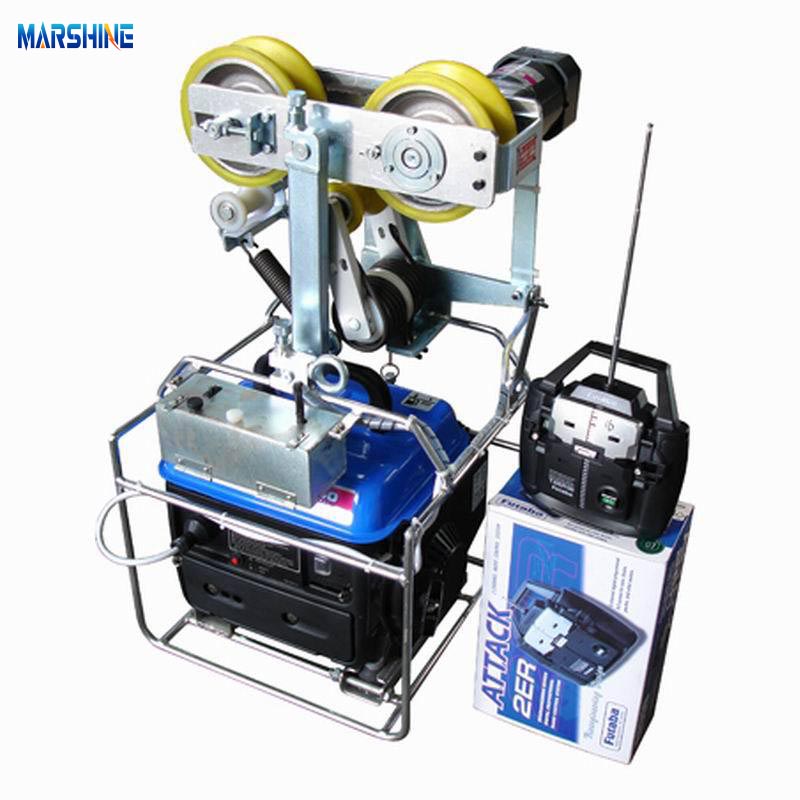
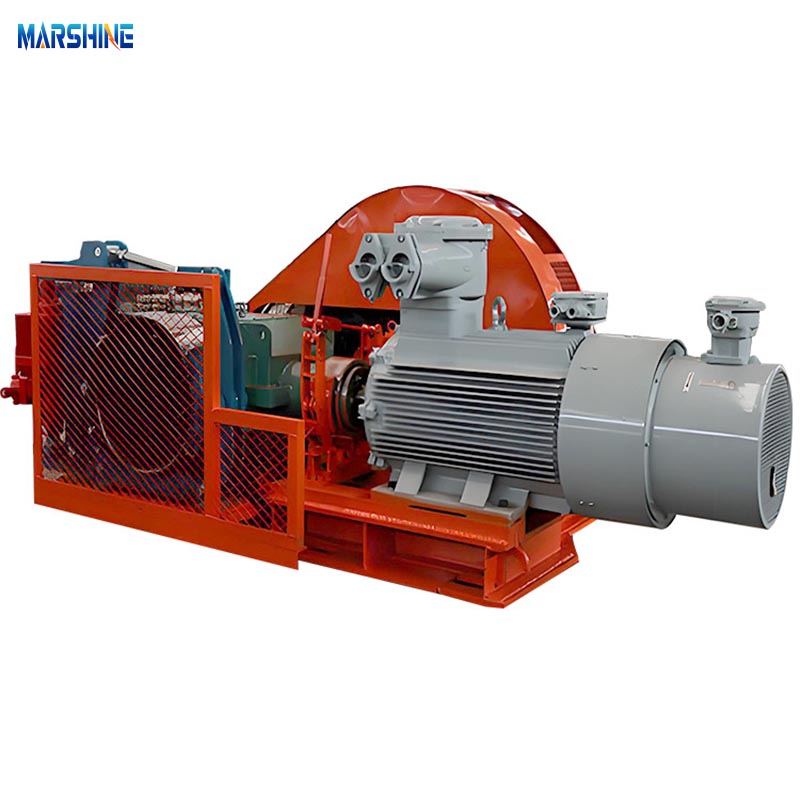
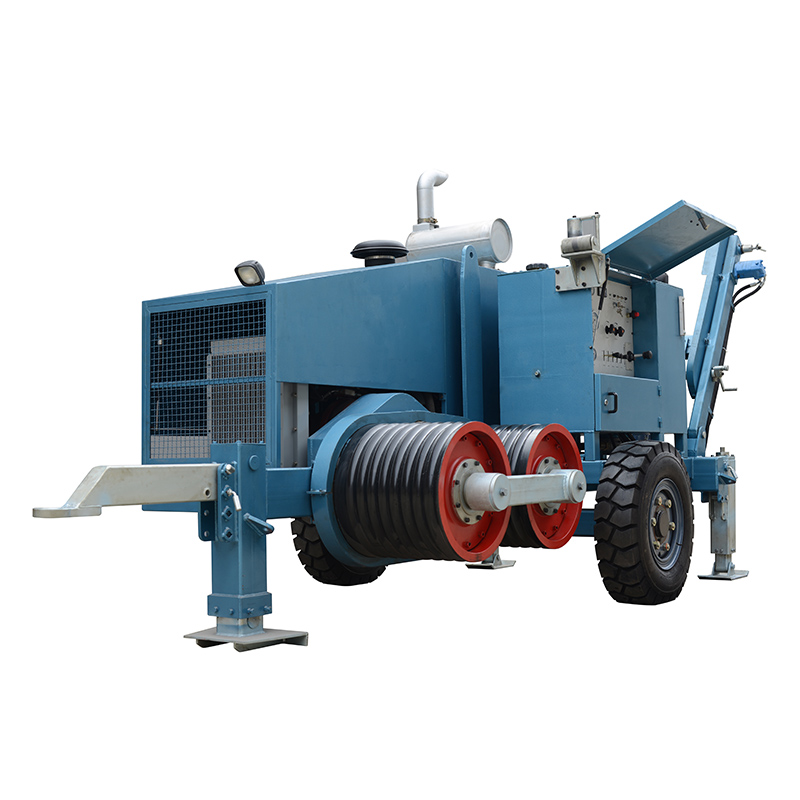
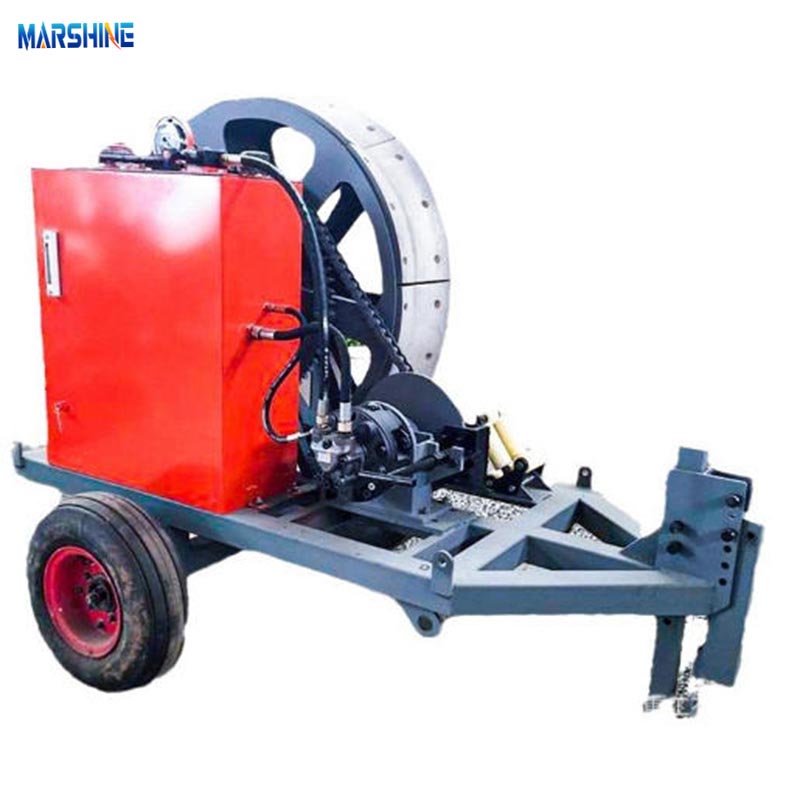
Hydraulic Cable Tensioner

Buyers usually start looking for a Hydraulic Cable Tensioner after they have already experienced a painful project. Maybe the cable jacket was scuffed because the pulling force was inconsistent. Maybe the conductor sagged too much on a long route. Maybe the crew had to stop repeatedly because the equipment could not maintain smooth control across changing terrain. These problems are expensive not only because of direct material loss, but because they slow everything else down.

A good tensioner addresses those issues at the source. Instead of allowing the cable to move in a way that depends too heavily on operator guesswork, hydraulic control creates a steadier working condition. The cable can be released at a controlled speed, tension can be managed more evenly, and the chance of overstretching or sudden slack is reduced. That matters when the cable itself is valuable, when route conditions are difficult, or when the installation window is tight.

For many contractors, the biggest pain points usually fall into the same group:

  • Damage caused by unstable tension during stringing
  • Slow installation progress when the machine lacks responsive control
  • Higher labor pressure because operators must compensate manually
  • Safety concerns in hills, long spans, or crowded jobsites
  • Inconsistent performance between different cable sizes and project types

When a machine solves these issues well, it does more than move cable. It supports project predictability, which is often what buyers care about most once they have been through even one difficult installation season.

How does a Hydraulic Cable Tensioner improve control during installation?

The advantage of a Hydraulic Cable Tensioner is not just power. It is control under load. In cable laying, raw force without balance can easily become a problem. Hydraulic systems are valued because they allow tension to be managed more smoothly and more precisely, especially when route conditions shift from one section to the next.

In practical terms, this gives the crew a better way to handle cable movement across long distances, elevation changes, bends, and variable working speeds. It also helps protect the cable surface and internal structure by avoiding the kind of sudden force changes that can happen when the line is moving too fast or too loosely.

Site Challenge What Better Tension Control Changes
Long-distance conductor installation Keeps cable movement steadier and reduces the risk of uneven pull
Complex terrain or elevation changes Helps operators maintain working stability across variable conditions
Sensitive or high-value cable Lowers the chance of jacket wear, overstretching, and handling damage
Tight project schedules Supports smoother operation and fewer interruptions during pulling
Safety-sensitive worksites Improves predictability and reduces sudden cable behavior

That is why experienced buyers rarely compare machines by one simple figure alone. They want to know how stable the equipment feels during real work and whether it can keep that stability over time.

What should buyers look for before choosing a machine?

Choosing the right Hydraulic Cable Tensioner is easier when buyers stop asking which model looks strongest and start asking which model matches the job. A machine that performs well in one project category may not be the best fit for another. The most reliable purchase decision usually comes from evaluating the equipment against the actual working environment, cable specification, and crew habits.

I would recommend focusing on the following points first:

  • Cable type and diameter — Different projects place different demands on the machine.
  • Required tension range — A model should handle the working load without operating too close to its limit.
  • Speed control behavior — Smooth speed adjustment is often as important as pulling capability.
  • Braking and protection functions — Safer systems reduce risk during unexpected changes on site.
  • Frame strength and material quality — Durability matters when equipment must travel and work in harsh conditions.
  • Ease of operation — A user-friendly layout helps crews work faster and make fewer mistakes.
  • Service and spare parts support — A good machine becomes much more valuable when support is actually available.

Buyers also benefit from asking a supplier detailed questions before ordering. Can the configuration be adapted to specific terrain or line conditions? Is training available? Are wear parts easy to replace? Can the machine be integrated with other stringing equipment in the same workflow? These questions often reveal more about long-term suitability than a simple brochure ever will.

Which features make one tensioner more practical than another?

On paper, many machines can appear similar. In use, the differences become obvious. The most practical Hydraulic Cable Tensioner is not the one with the longest list of promotional claims. It is the one that helps the operator maintain confidence from the first meter of cable to the last.

Practical value often comes from a combination of design choices rather than one standout feature:

Feature Area Why Buyers Should Care
Stable hydraulic response Helps maintain consistent cable handling instead of jerky line movement
Protective safety systems Improves operator confidence and reduces exposure to avoidable incidents
Environmental resistance Supports outdoor work in dust, moisture, and rough field conditions
Flexible configuration Makes the machine more useful across multiple project types
Support after delivery Reduces downtime and ownership stress during long-term operation

For procurement teams, this is where supplier experience becomes important. A manufacturer that understands actual field conditions can often recommend a better-fit configuration instead of simply selling the nearest available unit.

Where does this equipment create the most value?

The value of a Hydraulic Cable Tensioner becomes clearest in projects where cable protection, route complexity, and efficiency all matter at the same time. That includes overhead transmission work, power distribution projects, telecom cable installation, industrial line laying, and other sites where the consequences of poor tension control can spread far beyond one damaged section of cable.

This is also why many professional buyers prefer to work with a manufacturer that specializes in cable stringing equipment rather than general machinery alone. With Ningbo Marshine Power Technology Co., Ltd., buyers are not simply sourcing a machine. They are working with a company focused on tools and equipment for cable and line construction applications, which makes product matching and communication more efficient.

In these environments, a well-matched tensioner can help deliver:

  • More stable installation quality
  • Better protection of expensive cable assets
  • Improved coordination between crew members
  • Reduced stoppages during line stringing
  • Stronger confidence in demanding field conditions

How can buyers reduce maintenance trouble over time?
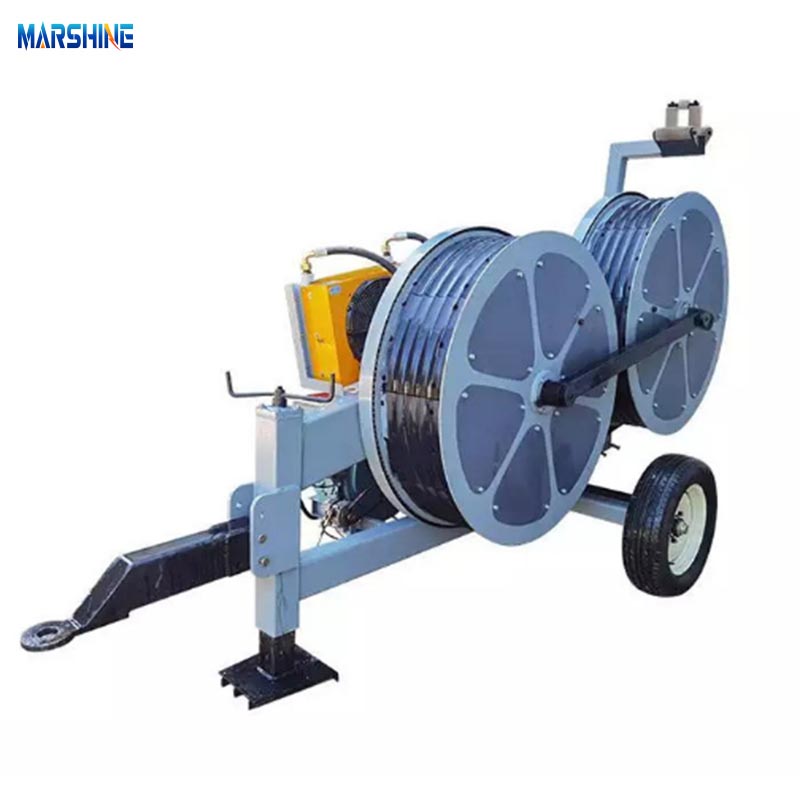
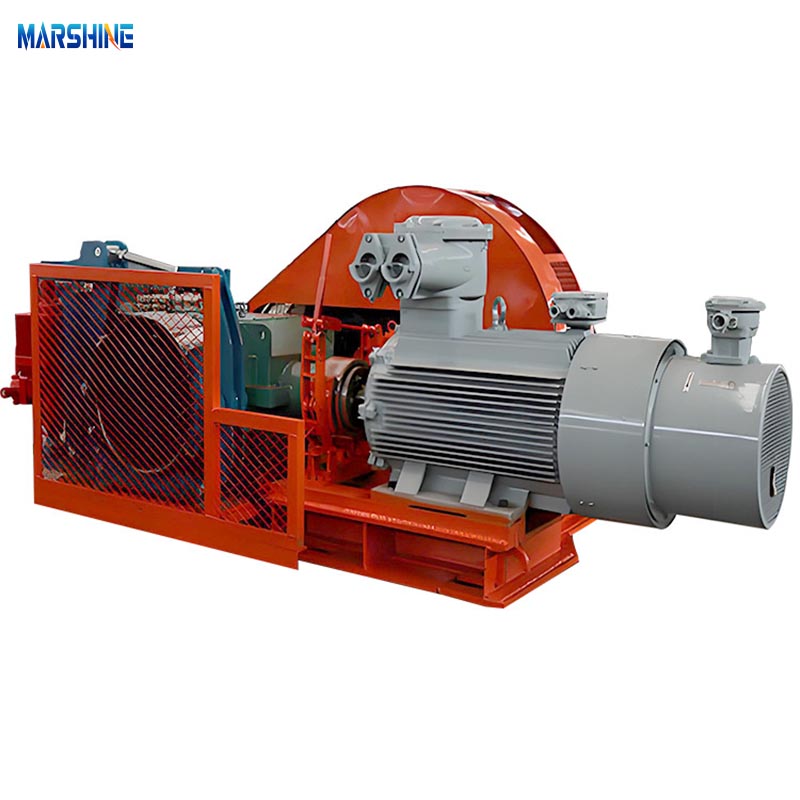
Hydraulic Cable Tensioner

Even the best Hydraulic Cable Tensioner performs better when the owner treats maintenance as part of project planning rather than an afterthought. Buyers who want steady long-term performance should pay attention to routine inspection, cleanliness, hydraulic condition, and operator habits.

A practical maintenance mindset usually includes:

  1. Inspecting hoses, fittings, and hydraulic components before and after demanding jobs
  2. Keeping guide surfaces and working areas clean to reduce unnecessary wear
  3. Monitoring braking behavior and abnormal vibration early instead of waiting for a failure
  4. Replacing wear parts on schedule rather than only after visible damage
  5. Training operators so that misuse does not become a hidden maintenance cost

Buyers should also consider how easy it is to obtain support after delivery. Fast access to spare parts, technical answers, and service guidance can protect the machine’s working value just as much as its original build quality.

FAQ

Can a Hydraulic Cable Tensioner help reduce cable damage?

Yes. One of its biggest advantages is maintaining more controlled tension during installation, which helps reduce overstretching, sudden slack, and handling stress on the cable.

Is this equipment only suitable for power transmission projects?

No. It is widely used in different cable-laying environments, including telecom work, industrial installations, and other applications where controlled tension is important.

What is the biggest mistake buyers make when selecting a tensioner?

A common mistake is focusing only on maximum capacity while overlooking jobsite conditions, cable characteristics, operator needs, and after-sales support.

Why is supplier support important after purchase?

Because downtime, maintenance questions, and spare part needs do not end after delivery. Strong technical communication can save both time and project cost later.

How do I know whether a model fits my project?

Start by reviewing cable type, route complexity, required tension range, speed control needs, environment, and crew experience. Then compare those needs with the supplier’s recommended configuration.

What should buyers do next if they want a better cable installation solution?

A reliable Hydraulic Cable Tensioner is not just another machine in the yard. It is a working tool that can protect cable quality, support safer field execution, and help your team deliver cleaner, more efficient installation results. If you are comparing options for current or upcoming projects, this is the right time to review your operating conditions, define the performance you really need, and choose equipment that matches the work instead of forcing the work to adapt to the machine.

If you want a more practical recommendation based on your cable type, route conditions, and project requirements, contact us to discuss the right solution with Ningbo Marshine Power Technology Co., Ltd.. The right equipment choice today can help you avoid costly installation problems tomorrow.

Related News
Leave me a message
X
We use cookies to offer you a better browsing experience, analyze site traffic and personalize content. By using this site, you agree to our use of cookies. Privacy Policy
Reject Accept