

Field crews rarely have the luxury of easy access, flat ground, or unlimited manpower. In tower work, utility vaults, cable pulling, and wind maintenance, every kilogram of rigging gear affects fatigue, setup time, and safety margins. A well-specified lightweight chain hoist can cut dead weight by 30% to 50% versus standard steel units while still delivering controlled lifting and secure load holding. This guide explains how to compare capacity, materials, brake systems, standards, inspection needs, and supplier credentials so crews can choose a hoist that is portable enough for the job site and strong enough for the lift.
How Lightweight Chain Hoists Improve Productivity and Safety
Crews in the field know that lugging heavy gear up a transmission tower or into a cramped utility vault causes rapid fatigue. A lightweight chain hoist addresses this by combining necessary lifting power with a highly portable footprint. By swapping out heavy cast iron components for high-strength aluminum alloys, these hoists keep the weight down while maintaining rigorous safety standards.
Modern lightweight models typically weigh 30% to 50% less than standard steel counterparts. For example, while a standard 1-ton hoist might weigh upward of 15 kg, a lightweight version can drop below 9 kg (based on typical industry ranges). This reduction in dead weight translates to fewer muscle strains, faster rigging times, and better overall productivity for line crews.
What a Lightweight Chain Hoist Does
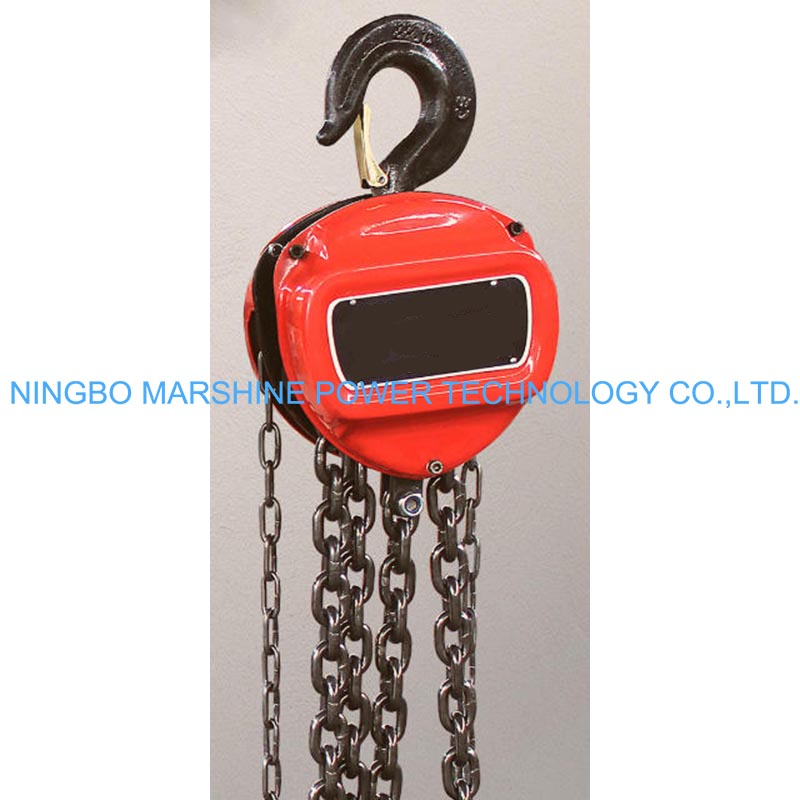
At its core, a lightweight chain hoist multiplies human effort to lift heavy loads using a compact gear system. What distinguishes lightweight models from ordinary manual hoists are specific design choices: forged aluminum housings, smaller-pitch alloy chains, compact heat-treated internal gears, and low hand-pull force requirements. When an operator pulls the hand chain, the compact internal mechanism engages, transferring energy to the load chain with minimal physical exertion.
These hoists also feature double-pawl brake systems that instantly engage when the operator stops pulling, ensuring the load remains suspended securely. Proper operation requires adhering to strict safety protocols. Key compliance requirements include:
- Pre-use checks: Documented visual inspections before every shift.
- Periodic inspections: Thorough evaluations by a competent person.
- Product standards: Adherence to design and performance criteria like ASME B30.16 or ASME HST-3.
- Workplace regulations: Compliance with operational rules, such as OSHA Subpart N.
- Routine maintenance: Regular lubrication and servicing of the load chain and braking mechanisms.
Where Lightweight Chain Hoists Fit Best
These hoists are highly effective in environments where portability is the top priority, such as overhead line construction, wind turbine nacelle maintenance, or underground cable pulling. Crews working in these scenarios cannot easily bring in heavy machinery, so they rely on manual tools that deliver high output without excessive bulk.
They also pair exceptionally well with other specialized rigging gear. For instance, when setting up a complex pull, technicians might use a lightweight hoist to precisely tension a conductor while a wire rope winch handles the primary heavy lifting. The compact profile of the lightweight unit allows it to fit into tight quarters where a bulky traditional hoist would not clear the surrounding infrastructure.
Key Lightweight Chain Hoist Specifications to Compare
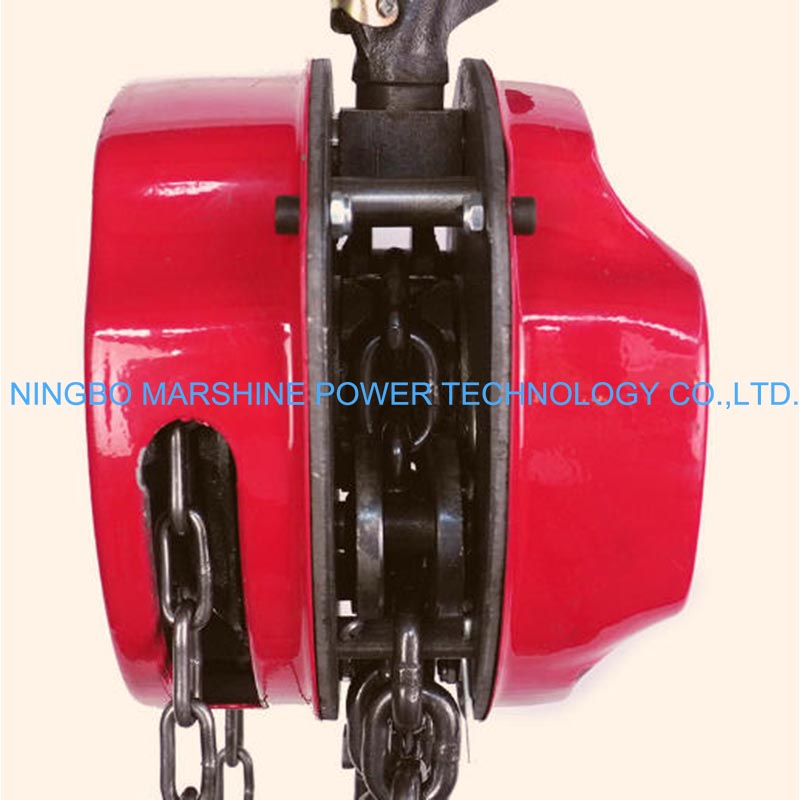
You must look closely at the specifications to ensure the tool can handle the specific demands of the job site. Balancing lifting capabilities with the physical weight of the unit requires a solid understanding of load ratings and material science.
Look for features such as corrosion-resistant finishes for harsh environments, smooth guide rollers, and jam-free chain operation. The following sections break down the metrics that matter most when comparing different models.
Capacity, Lift Height, and Load Chain
The three most critical numbers on any hoist specification sheet are the working load limit (capacity), the standard lift height, and the chain grade. Most lightweight units for mobile crews fall into the 0.25-ton to 3-ton capacity range. Standard lift heights usually start at 1.5 meters for tight confined spaces and go up to 3 meters or more for overhead rigging.
The load chain is a primary factor in weight reduction. High-quality lightweight hoists utilize Grade 80 or Grade 100 alloy steel chains. A Grade 100 chain offers a tensile strength of 1000 N/mm², meaning the manufacturer can use a smaller-diameter chain without sacrificing the hoist's overall lifting capacity or safety factor.
Hoist Weight, Duty Rating, and Trade-Offs
"Lightweight" is not universally better; there are real trade-offs to consider. While weight reduction is a significant benefit for portability, lighter aluminum hoists can sometimes mean reduced fatigue life, lower corrosion resistance compared to cast-iron models, and a higher initial cost. If a crew uses a hoist for continuous, heavy-duty production work with frequent near-capacity lifts, a heavier steel unit with a higher duty rating is often necessary.
Duty classes define a hoist's expected lifespan and usage frequency, but definitions can differ across standards (e.g., ASME vs. FEM/ISO), so crews should verify which standard the manufacturer uses. Under ASME guidelines, an H1 or H2 rating suits infrequent, intermittent lifts (ideal for lightweight maintenance hoists), while H3 or H4 ratings designate high-volume, continuous handling.
When evaluating these tools, always check the hand-pull force required to lift a full load. A well-engineered compact hoist often targets 200 N to 300 N of force to lift a 1-ton capacity, but actual rated pull force varies by manufacturer, gear ratio, and lift height.
Note: The following table provides illustrative, hypothetical sample ranges for bare hoists to demonstrate weight differences. Chain length, lift height, and accessories will increase the total carried weight. Real specifications vary significantly by brand, model, and regional standards.
| Hoist Type | Typical Capacity | Average Net Weight | Required Pull Force | Chain Grade |
|---|---|---|---|---|
| Standard Steel | 1 Ton | 12.5 kg | 320 N | Grade 80 |
| Lightweight Aluminum | 1 Ton | 7.8 kg | 280 N | Grade 100 |
| Ultra-Compact | 0.5 Ton | 4.5 kg | 240 N | Grade 100 |
How to Choose a Lightweight Chain Hoist Supplier
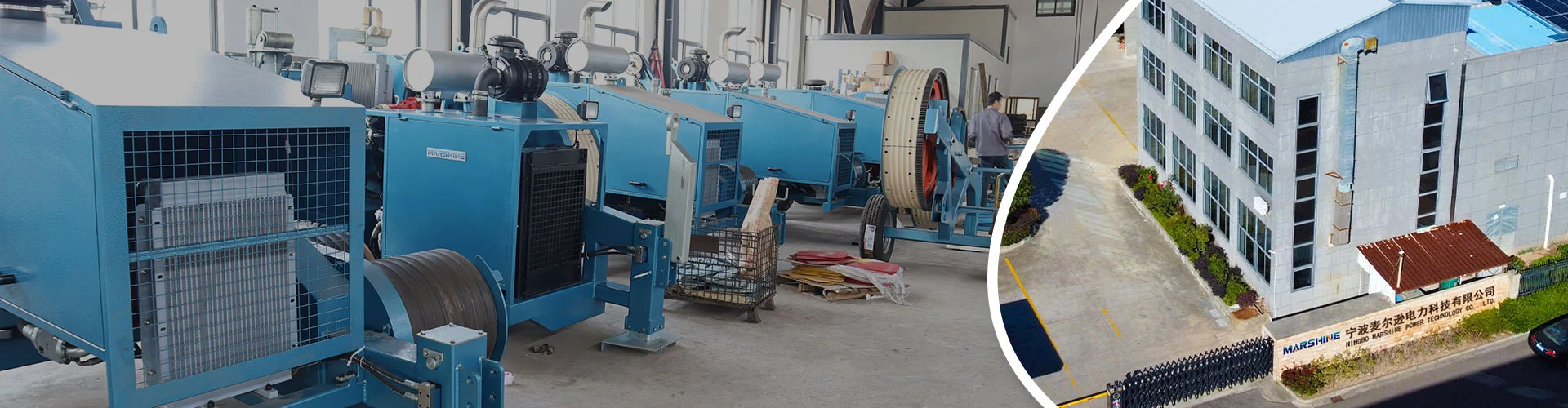
Finding a supplier that understands the rigorous demands of power grid construction and aerial cable work is just as important as the tool itself. Sourcing from a manufacturer with a proven track record ensures you get tools that meet strict performance, safety, and durability standards.
Instead of relying on vague
Further reading:
Key Takeaways
- Select a lightweight chain hoist with a rated capacity that exceeds the expected load and accounts for rigging forces and job-site conditions.
- A lightweight model can reduce tool weight by 30% to 50%, helping crews cut fatigue and speed up rigging in towers, vaults, and confined spaces.
- Prioritize hoists with forged aluminum housings, alloy load chains, compact heat-treated gears, and low hand-pull force for field portability.
- Verify compliance with ASME B30.16, ASME HST-3, OSHA Subpart N, and documented inspection procedures before purchasing or deploying a hoist.
- Use lightweight chain hoists for precise positioning and tensioning, especially when paired with cable winches or wire rope winches on complex pulling jobs.
- Require pre-use checks, periodic competent-person inspections, and routine lubrication to maintain brake reliability and load-chain performance.
Frequently Asked Questions
What capacity should a lightweight chain hoist have?
Choose a rated capacity above the maximum load, including rigging forces and site conditions. Never use a hoist at or beyond its limit, and confirm the working load limit matches the crew’s lifting or tensioning task.
How much lighter are lightweight chain hoists than standard models?
Modern lightweight chain hoists are typically 30% to 50% lighter than comparable steel units. A standard 1-ton hoist may weigh over 15 kg, while a lightweight version can be under 9 kg.
Which standards should crews check before buying?
Look for compliance with recognized standards such as ASME B30.16 or ASME HST-3, along with applicable workplace rules like OSHA Subpart N. Supplier documentation should clearly state relevant certifications and inspection requirements.
Where are lightweight chain hoists most useful?
They are best for jobs where portability and tight access matter, including overhead line construction, underground cable pulling, wind turbine maintenance, and utility vault work.
What materials make a chain hoist lightweight?
Common lightweight designs use forged aluminum housings, compact heat-treated gears, alloy load chains, and smaller-pitch chain systems. These choices reduce tool weight while preserving lifting strength and brake reliability.