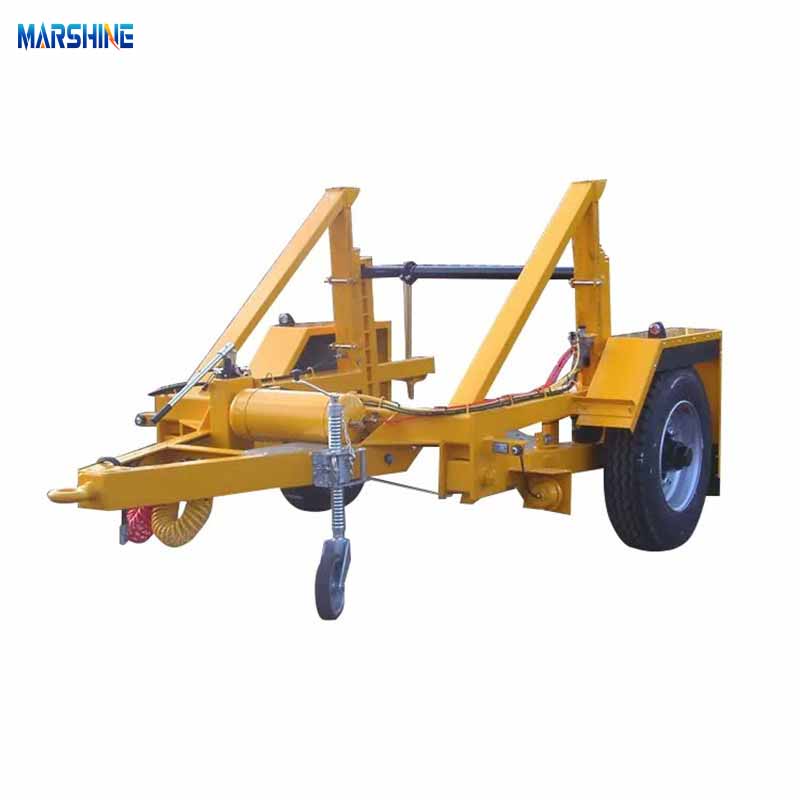
Large cable reels can turn a straightforward installation job into a slow, risky, and expensive operation if the handling method is not matched to the task. A well-designed Cable Drum Trailer changes that equation by making transport, positioning, and cable payout more controlled from the start.
In utility construction, telecom work, renewable energy projects, and infrastructure installation, cable reels are heavy, awkward, and costly to mishandle. This article explains why choosing the right Cable Drum Trailer matters, what problems buyers usually face before purchase, and how the right trailer design can improve jobsite safety, reduce labor strain, protect cable quality, and keep schedules on track. It also walks through the main selection factors, compares common buying priorities, and shows how Ningbo Marshine Power Technology Co., Ltd. can support professionals who need dependable cable handling solutions for real field conditions.
Buyers rarely start by looking for a trailer because they simply want another piece of equipment in the yard. They start looking because a project keeps losing time. Reels are too heavy to reposition easily. Manual handling introduces safety concerns. Cable payout becomes uneven. Jobsites are rough, narrow, or unstable. The installation team spends too much time solving movement problems that should have been prevented before the cable ever leaves storage.
I have seen the same set of frustrations appear again and again in cable-related operations. The first is poor mobility. A reel may look manageable in a warehouse but behave very differently on gravel, mud, unfinished roads, or uneven construction areas. The second is instability during loading and payout. If the drum does not sit securely, both safety and cable integrity are immediately at risk. The third is poor matching between equipment capacity and actual reel dimensions. That mismatch can slow everything down, or worse, damage expensive cable.
Then there is the human factor. When equipment is difficult to operate, teams compensate with extra labor. That usually means more lifting, more repositioning, more delays, and more opportunities for something to go wrong. In a business where deadlines are tight and downtime is expensive, those problems stack up fast.
| Common Buyer Problem | What It Looks Like on Site | Business Impact |
|---|---|---|
| Reel transport is slow | Teams spend too much time moving and aligning cable drums | Longer installation cycles and higher labor costs |
| Insufficient stability | Reels wobble or shift during loading or cable payout | Safety risk and possible cable damage |
| Trailer is not matched to terrain | Equipment struggles on rough, soft, or uneven ground | Project delays and reduced operational confidence |
| Capacity planning is weak | Drum size or weight exceeds practical handling range | Unexpected stoppages and inefficient resource use |
A Cable Drum Trailer is not just a transport tool. It is a control tool. It helps crews move heavy cable drums safely, position them correctly, and deploy cable with more consistency. That matters because cable handling is one of those jobsite processes where small mistakes can create big downstream costs.
When the right trailer is in place, movement becomes more predictable. The reel is supported properly. The crew can manage payout with less disruption. Loading and unloading are more structured. On demanding projects, this often makes the difference between a smooth cable installation and a job that keeps stopping for adjustments.
The value becomes even clearer when project conditions are less than ideal. Jobs in utility construction, underground installation, telecom expansion, industrial maintenance, and infrastructure upgrades rarely happen on perfectly clean, flat surfaces. Equipment has to perform where the work actually happens, not where the specification sheet looks best.
The best buying decision usually comes from asking a simple question early: Will this trailer make the crew more controlled, or just more busy? A good answer points to a good purchase.
Not every Cable Drum Trailer is suited to the same field conditions. Buyers often focus on price first, but that can be misleading if the trailer lacks the features needed for real operational demands. The better approach is to look at the specifications that directly affect handling, safety, mobility, and service life.
| Feature | Why It Matters | What to Check |
|---|---|---|
| Load capacity | Determines whether the trailer can safely support the intended drum weight | Rated working capacity, safety margin, and frame design |
| Drum compatibility | Ensures the reel size matches the handling system | Supported drum diameter, width, and shaft arrangement |
| Mobility system | Affects movement across different jobsite surfaces | Axle strength, wheel configuration, tire type, maneuverability |
| Stabilizing mechanism | Keeps operations safer during loading and cable payout | Mechanical or hydraulic support system, locking reliability |
| Frame durability | Influences long-term performance under repeated field use | Material quality, reinforcement, weld consistency, finish protection |
| Ease of operation | Reduces training burden and operational mistakes | Control simplicity, maintenance access, operator convenience |
One more thing deserves attention: service conditions. Some buyers know they work mostly on compact sites. Others deal with remote routes, uneven access roads, or frequent repositioning. The more demanding the field environment, the less room there is for compromise in trailer design.
Choosing the right Cable Drum Trailer starts with operational clarity, not catalog browsing. Before comparing options, it helps to define the job in practical terms. What cable drums are you handling most often? What are the maximum reel dimensions? Are you transporting the reel over distance, using it mostly for controlled payout, or doing both? What kind of surfaces does the trailer need to handle?
I would break the selection process into five checkpoints:
This is where experienced manufacturers add real value. A supplier that asks detailed questions about reel type, load demand, working environment, and deployment method is usually far more useful than one that only sends a generic price list.
A cheaper trailer can look attractive at the purchasing stage, but the real cost often shows up later. If the unit is difficult to move, teams lose time. If it lacks proper stability, the crew works more cautiously and more slowly. If it wears down too quickly, maintenance or replacement interrupts the job cycle. What looked like savings on paper can end up increasing total project cost.
Hidden costs usually appear in these forms:
This is why experienced buyers often evaluate equipment by operational value rather than entry price alone. A reliable Cable Drum Trailer is not simply a piece of transport hardware. It is part of the workflow that supports project delivery.
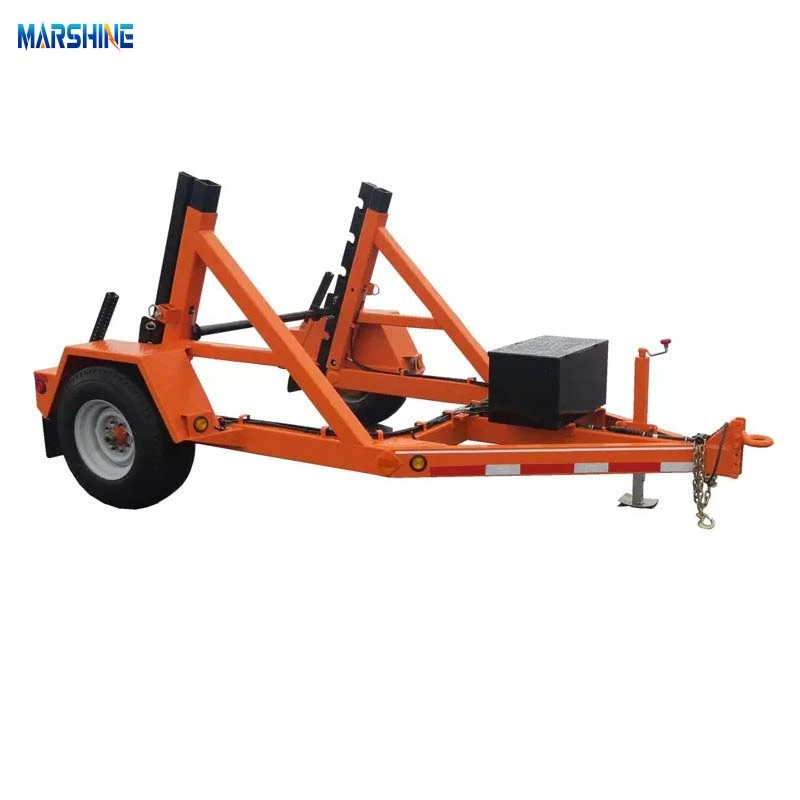
The usefulness of a Cable Drum Trailer becomes obvious in sectors where cable handling is both routine and mission-critical. These include power distribution work, telecom network installation, renewable energy projects, railway systems, industrial facilities, and civil infrastructure upgrades.
In these environments, the challenge is not merely moving a drum from one point to another. The challenge is doing it in a way that protects materials, helps crews work efficiently, and keeps the project sequence under control.
| Application Area | Typical Need | Why the Trailer Matters |
|---|---|---|
| Power utility work | Handling medium or large power cable reels | Supports safer transport and steadier deployment |
| Telecommunications | Moving cable for network extension or maintenance | Improves efficiency on distributed work routes |
| Renewable energy projects | Managing cable installation across large outdoor sites | Helps maintain workflow in demanding terrain |
| Rail and infrastructure | Coordinating cable installation in upgrade projects | Reduces disruption and improves operational control |
| Industrial construction | Transporting reels within active installation zones | Supports safer, more organized handling |
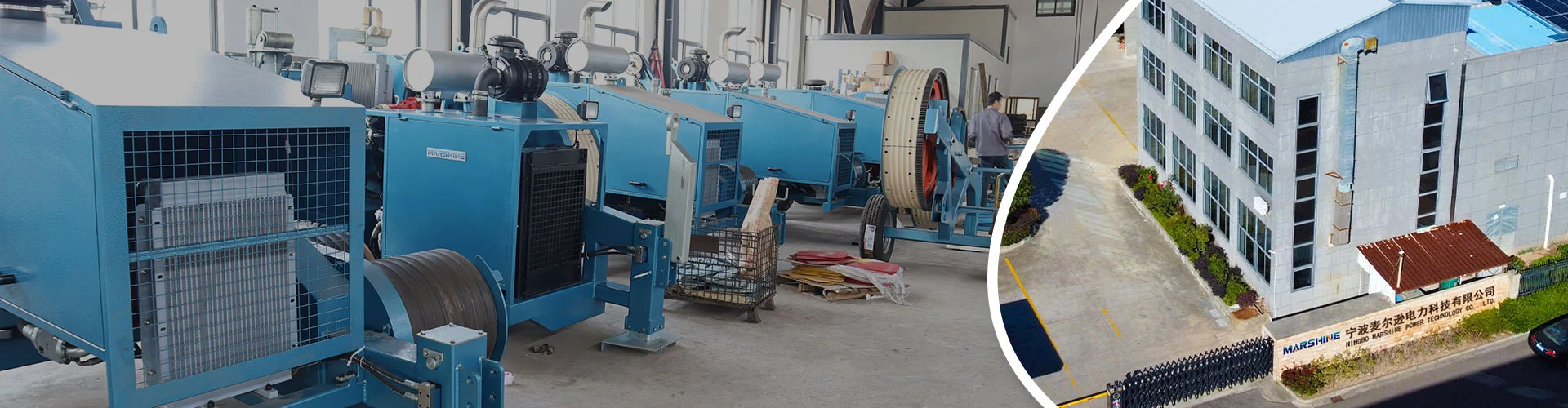
When buyers look for cable handling equipment, they usually want more than a product name and a basic specification chart. They want confidence that the solution will fit the way they actually work. Ningbo Marshine Power Technology Co., Ltd. stands out because the company focuses on practical cable installation and handling equipment used in demanding field conditions. That matters for buyers who cannot afford to guess.
A capable supplier should be able to support decisions around trailer structure, stability requirements, handling expectations, and application suitability. That kind of support makes purchasing more efficient and reduces the risk of ordering equipment that looks acceptable on paper but performs poorly on site.
If your team handles heavy cable reels regularly, the right Cable Drum Trailer can improve safety, productivity, and consistency across projects. Working with a manufacturer that understands these operational details can make the selection process much more reliable.
Can a Cable Drum Trailer help reduce cable damage during installation?
Yes. When the drum is supported properly and payout is more controlled, the risk of mishandling, dragging, or unstable movement is reduced.
Is a Cable Drum Trailer only useful for large utility contractors?
No. It can be valuable for any operation that handles cable drums frequently and wants better safety, better mobility, and more predictable deployment.
What should I confirm before buying?
Confirm load capacity, supported drum size, terrain suitability, stability system, and whether the supplier understands the intended application.
Does hydraulic support always make sense?
Not in every case, but for demanding jobs and heavier reels, better control and stability can make a meaningful difference in daily use.
How do I know whether a standard model is enough?
If your reel sizes, working routes, or site conditions are unusual, it is wise to discuss the project in detail with the supplier before choosing a standard option.
If you are looking for a dependable Cable Drum Trailer that can support safer transport, smoother deployment, and better field efficiency, Ningbo Marshine Power Technology Co., Ltd. is ready to help. Contact us to discuss your reel size, project environment, and handling requirements, and find a solution that fits your operation with confidence.