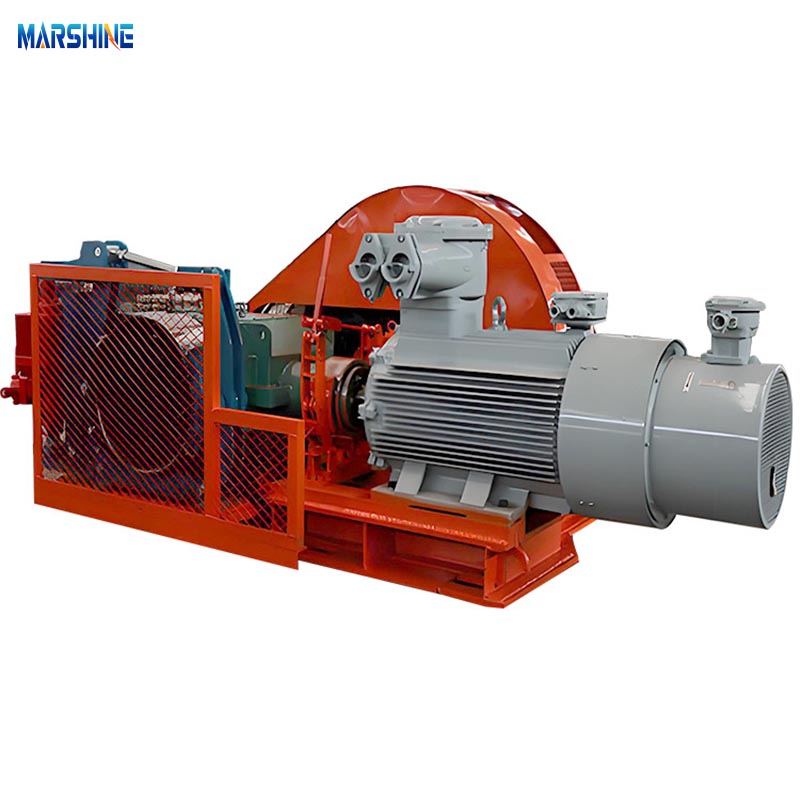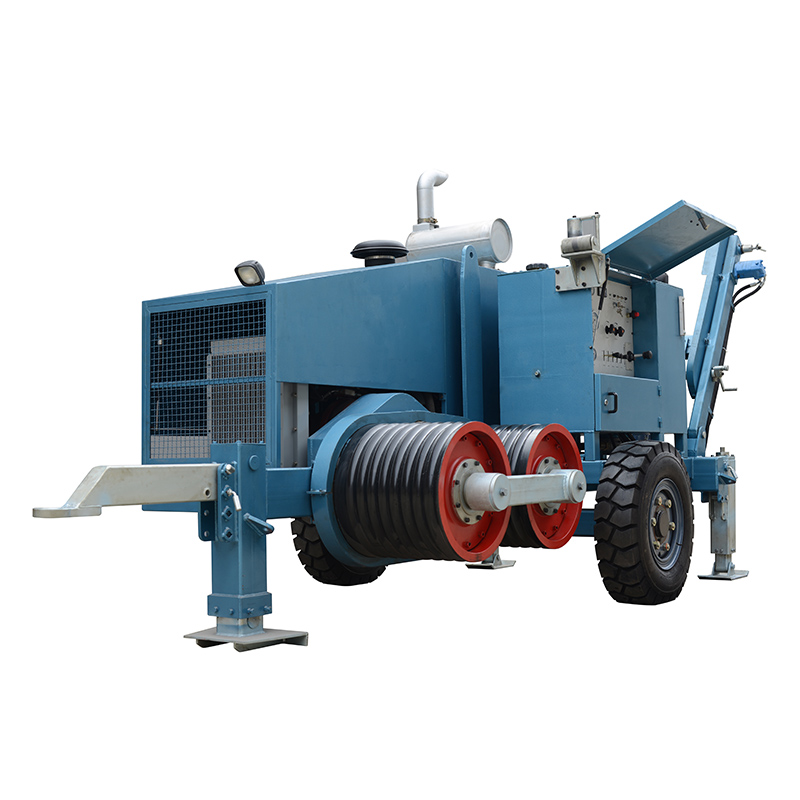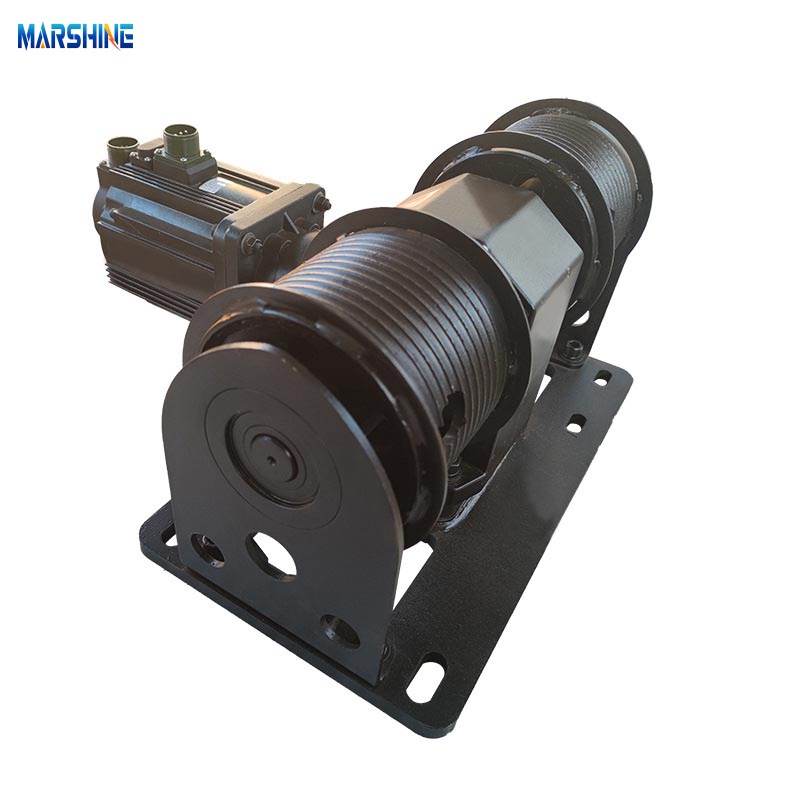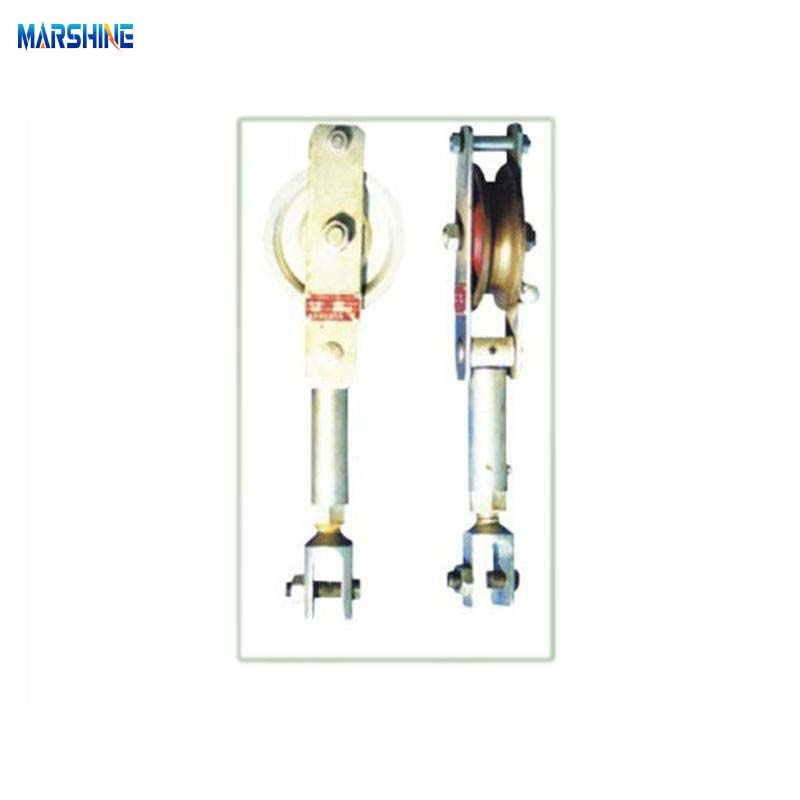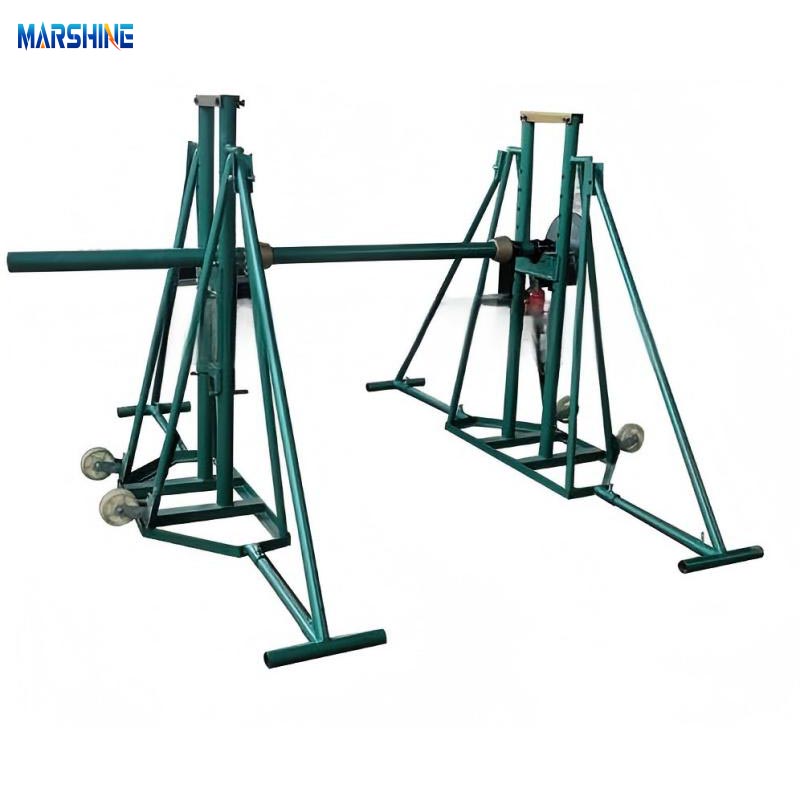
Choosing the right cable winch can make the difference between a smooth installation and a costly delay. In power line construction, telecom deployment, industrial lifting, and long-distance cable pulling, contractors often struggle with insufficient pulling force, unstable operation, cable damage, labor inefficiency, and harsh site conditions. This article explains how a cable winch helps solve those challenges, what features matter most when comparing models, and how buyers can avoid the common mistake of selecting equipment based on price alone. It also covers power options, application scenarios, maintenance priorities, and practical buying advice for teams that need dependable field performance.
A cable winch is not just a pulling machine. In real project conditions, it becomes the control center of the entire cable handling process. It helps crews pull cable over distance, manage tension more consistently, move heavy reels or loads, and reduce the amount of physical force required from workers. When installation involves underground routes, overhead lines, substations, telecom corridors, or complex industrial environments, a stable pulling system becomes essential rather than optional.
Many project managers first start looking for a cable winch when manual work begins slowing the crew down. A small team may manage short, light cable runs by hand, but once cable diameter increases, route conditions worsen, or the installation distance extends, manual pulling becomes unreliable. That is where equipment quality directly affects productivity, cable integrity, and jobsite safety.
In simple terms, the right cable winch helps your team pull with control, work with confidence, and finish with fewer delays.
Buyers rarely search for a cable winch because they want another machine in the yard. They search because something is going wrong on site. Maybe a crew is losing time. Maybe a cable jacket was damaged during pulling. Maybe the terrain is difficult and the power supply is unstable. Maybe the existing unit is underpowered, outdated, or simply unreliable under load.
These are some of the most common pain points:
These problems are especially serious when deadlines are tight. A project delay is not only a schedule issue. It can affect subcontractor coordination, labor allocation, traffic permissions, utility handover, and customer satisfaction. That is why choosing the correct equipment early is a practical business decision, not just a technical one.
A well-matched cable winch improves installation work in four important ways: control, speed, safety, and adaptability.
| Project Challenge | How a Cable Winch Helps | Business Impact |
|---|---|---|
| Heavy cable is difficult to move manually | Provides mechanical pulling force with more stable output | Reduces physical strain and speeds up installation |
| Cable damage during pulling | Improves control over movement and tension | Lowers rework, waste, and replacement cost |
| Remote site conditions | Allows use of fuel-driven or portable options | Keeps work moving even without grid power |
| Unstable project timelines | Supports faster and more organized cable handling | Improves schedule reliability |
| Safety concerns around manual pulling | Reduces uncontrolled force and operator overexertion | Creates a safer work environment |
The biggest advantage is not just raw power. It is controlled power. Pulling cable is rarely about maximum force alone. It is about applying enough force in a stable, predictable way so the work gets done without damaging the cable or creating unnecessary risk. That control matters in utility construction, telecom deployment, renewable energy projects, and industrial maintenance alike.
For buyers who manage multiple project types, flexibility is equally valuable. A cable winch can be selected based on terrain, cable weight, route length, mobility needs, and available energy source. That makes it a practical solution for both routine jobs and demanding field conditions.
Buyers often make the mistake of asking only one question: “How much does it cost?” The better question is: “What conditions will this machine need to survive and perform in?” A lower-cost winch that cannot handle the real site environment becomes expensive very quickly.
Before making a purchasing decision, evaluate the following:
If the project involves overhead transmission work, underground cable laying, or repeated field deployment, durability and ease of operation will matter just as much as pulling force. In harsh environments, even small design differences can affect operator confidence and long-term maintenance cost.
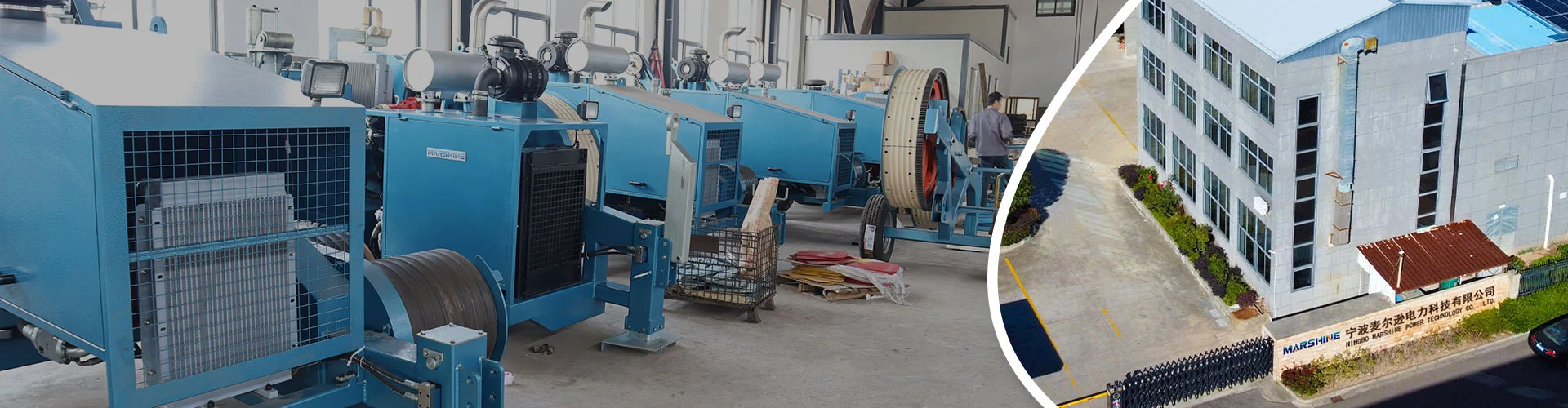
For buyers sourcing from experienced manufacturers, it also helps to work with suppliers that understand application differences rather than simply listing product parameters. Ningbo Marshine Power Technology Co., Ltd. is known to many buyers in the power construction equipment field because project needs often vary from one installation environment to another. A supplier that understands those differences can help reduce mismatched purchases and improve on-site results.
No single model is ideal for every job. The correct solution depends on how and where the machine will be used. The table below offers a practical comparison of common cable winch types.
| Type | Best For | Main Advantage | Things to Consider |
|---|---|---|---|
| Electric Cable Winch | Stable job sites with reliable power supply | Clean operation and consistent control | Needs access to suitable electrical power |
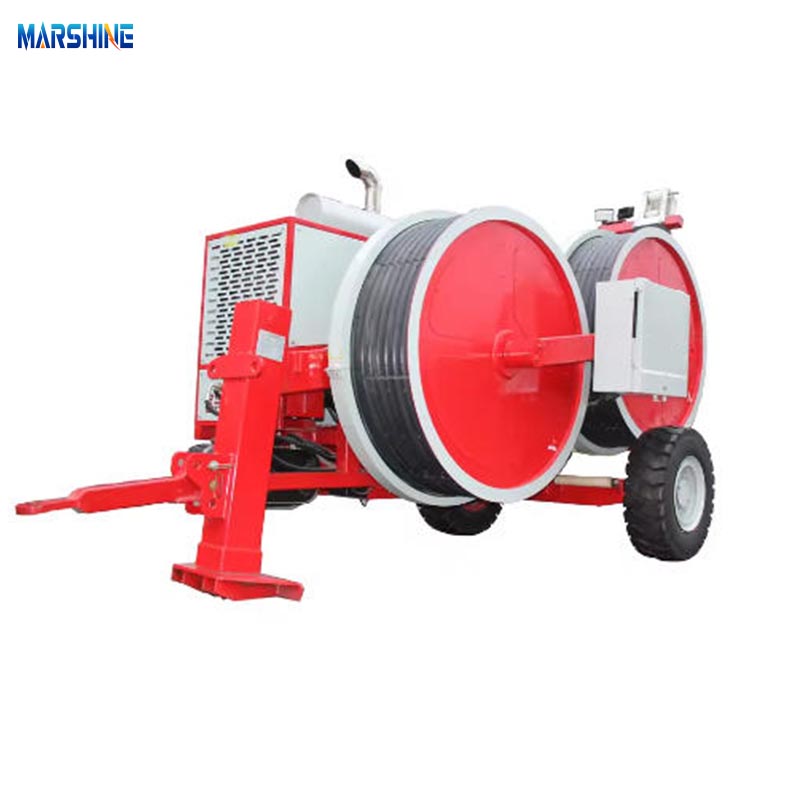
| Diesel Cable Winch | Remote outdoor construction and heavy-duty work | Strong field independence and high mobility | Requires fuel management and regular engine care |
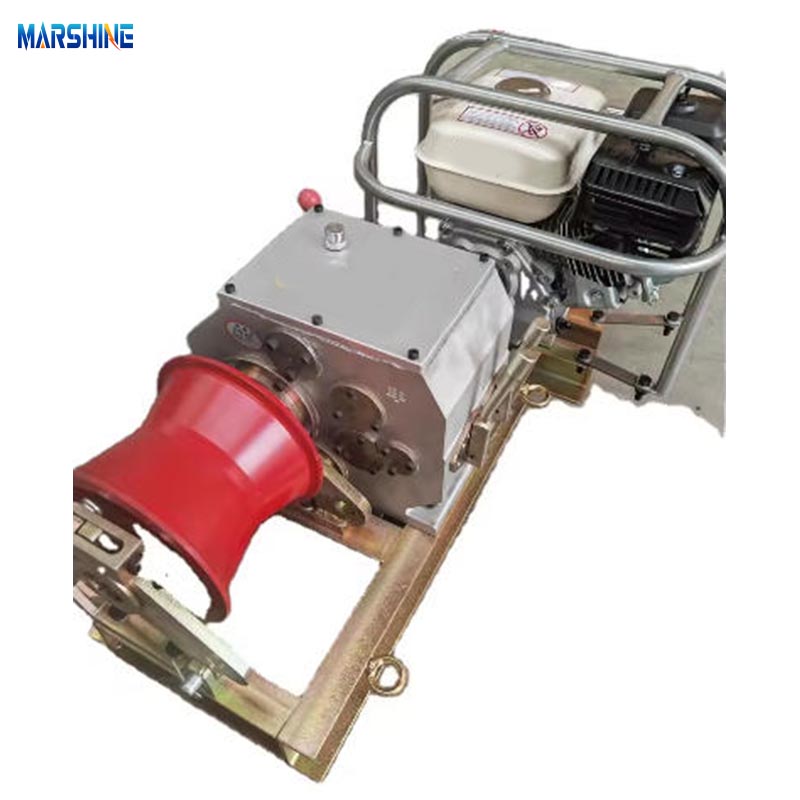
| Gasoline Cable Winch | Portable tasks and flexible jobsite use | Convenient mobility for varied locations | May not suit every heavy-load scenario |
| Manual Cable Winch | Light-duty work or emergency situations | Simple structure and easy portability | Not suitable for demanding or large-scale pulling |
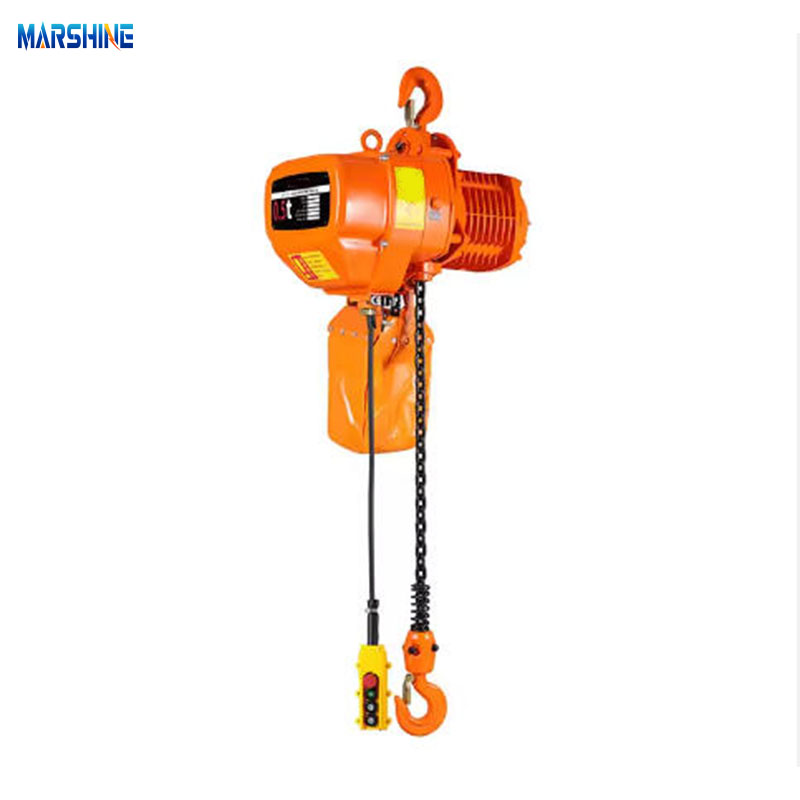
Electric units are often preferred for controlled industrial settings. Diesel and gasoline options become more attractive when field access is difficult or when work is carried out away from dependable infrastructure. Manual winches still have value, but they are better suited to lighter work and temporary tasks rather than major installation projects.
The value of a cable winch becomes easiest to understand when viewed by application. The same machine category can serve very different industries, but the customer priority changes with the environment.
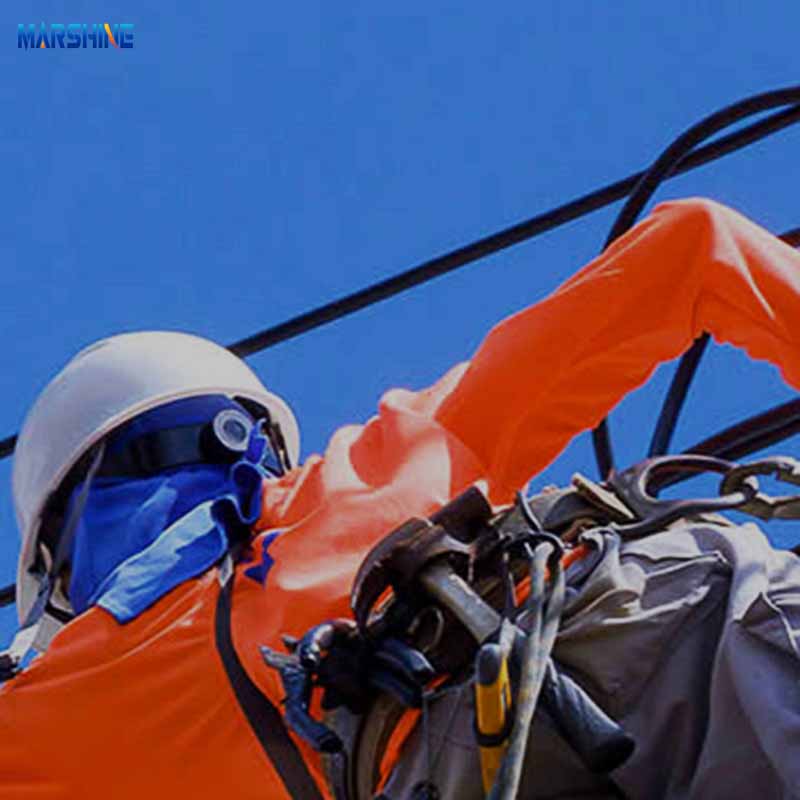
In power construction, crews need stable pulling performance for conductor installation, substation work, and route expansion. In telecom projects, teams care about cable protection, route flexibility, and predictable movement through ducts or installation paths. In industrial environments, lifting assistance, equipment handling, and reliability under repeated use become more important. In marine or difficult outdoor environments, corrosion resistance, rugged structure, and operational stability matter even more.
What ties these sectors together is the need for dependable force and better control. The more complex the installation path, the more important that reliability becomes.
Buying a good machine is only the first half of the decision. Keeping it reliable is what protects your investment. Too many teams wait for visible failure before inspecting the machine, and by then the damage is already affecting performance or safety.
Good maintenance habits should include routine inspection of the frame, moving parts, rope or cable interfaces, power components, and operating controls. Lubrication schedules should be followed, fasteners checked, and worn parts replaced before they fail during a pull. For engine-powered systems, proper fuel management and periodic servicing are essential. For electric systems, clean connections and stable input conditions matter more than many operators realize.
The simplest rule is this: a cable winch should never be treated as a machine you only notice when something goes wrong. Consistent inspection is cheaper than emergency downtime.
Operator training also matters. Even a strong machine can perform poorly if used beyond its intended load range or under the wrong setup conditions. A clear operating procedure protects both the equipment and the crew.
What is the main purpose of a cable winch?
Its main purpose is to provide controlled pulling or lifting force during cable installation, handling, and related heavy-duty operations. It improves efficiency while reducing manual strain and jobsite risk.
How do I know whether I need an electric or diesel cable winch?
If your site has stable power and you need smooth, consistent operation, an electric model is often a strong choice. If your project is outdoors, remote, or highly mobile, a diesel unit may be more practical.
Can a cable winch help protect the cable itself?
Yes. A properly selected and properly operated cable winch can reduce uncontrolled pulling behavior, which helps limit damage caused by uneven force, sudden movement, or excessive manual handling.
Is the cheapest cable winch a good buying strategy?
Usually not. A lower upfront price can lead to higher long-term cost if the machine lacks durability, sufficient pulling force, or suitability for your actual project conditions.
What industries commonly use cable winches?
They are widely used in power construction, telecommunications, industrial installation, infrastructure development, and other field operations where cables or heavy materials must be pulled or positioned safely.
How often should a cable winch be inspected?
It should be checked before operation and maintained regularly according to working intensity, environment, and manufacturer guidance. High-frequency or heavy-duty use requires more frequent inspection.
A cable winch is more than a supporting tool. It is a practical answer to some of the most expensive and frustrating problems in cable installation: delays, labor pressure, inconsistent pulling, safety concerns, and avoidable cable damage. When selected carefully, it helps crews work faster, safer, and with far greater confidence.
If you are comparing options for your next cable installation project, this is the right time to focus on performance, durability, and application fit rather than choosing on price alone. Ningbo Marshine Power Technology Co., Ltd. offers cable handling solutions for demanding project environments, and the right equipment choice can make a measurable difference from the first pull to final delivery. If you are ready to improve your jobsite efficiency and reduce installation risk, contact us for product guidance and a solution matched to your working conditions.