

Introduction
In demanding cable installation and repair work, the tool choice directly affects connection quality, crew efficiency, and access in tight spaces. A split hydraulic crimp tool is designed to deliver high crimping force through a compact head connected to a separate hydraulic pump, making it easier to handle than bulkier one-piece units. This article explains how that design improves maneuverability, reduces operator strain, and supports more consistent crimps on heavy-duty conductors. It also sets out the practical benefits for field work, especially where space is limited and reliable electrical joints are critical.
Why does a split hydraulic crimp tool matter in modern
High-tension cable installations demand serious precision and raw power. In modern power grid construction, professionals rely heavily on specialized equipment to ensure safe and efficient operations. Among these, the split hydraulic crimp tool stands out as a game-changer for heavy-duty electrical applications.
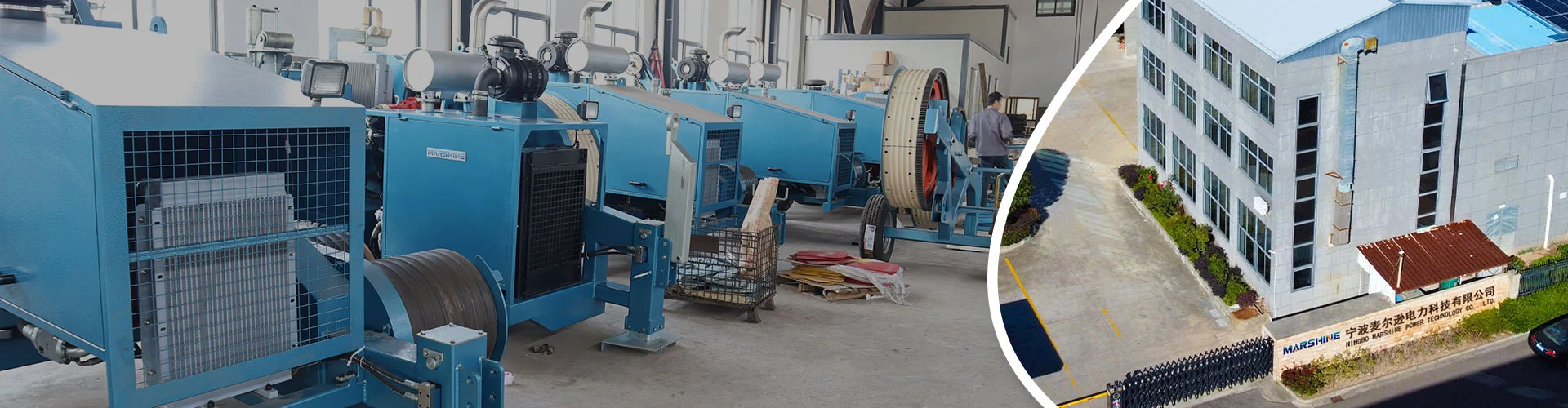
Companies driving innovation in this space, such as Ningbo Marshine Power Technology Co., Ltd., operate under the philosophy that science and technology should be user-oriented. Backed by GB/T19001-2008 quality system certification, these manufacturers consistently develop safe, easy-to-handle products that meet the rigorous demands of underground and aerial circuitry construction. By prioritizing continuous innovation, the industry ensures that utility crews have access to tools that drastically improve joint integrity.
How should the article define a split hydraulic crimp
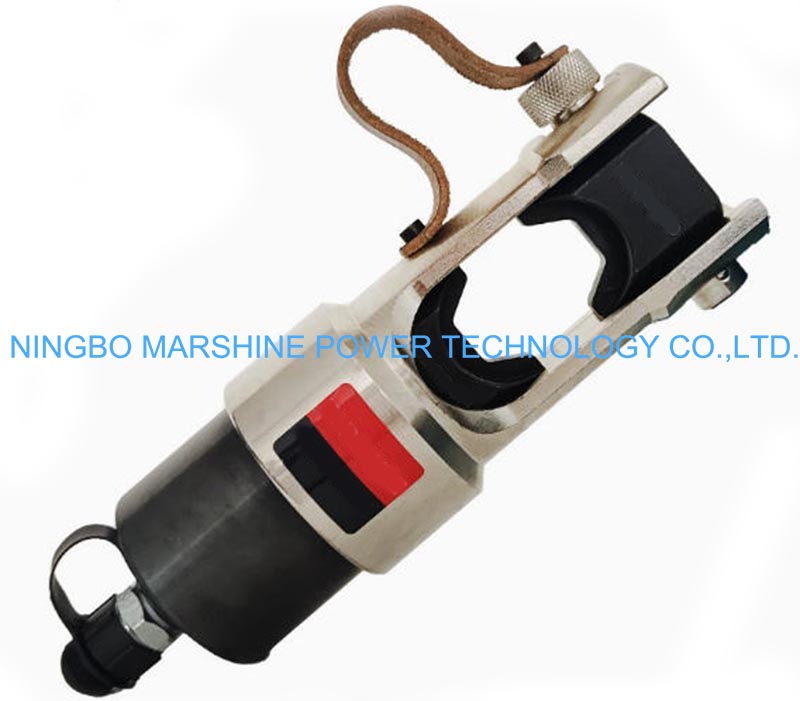
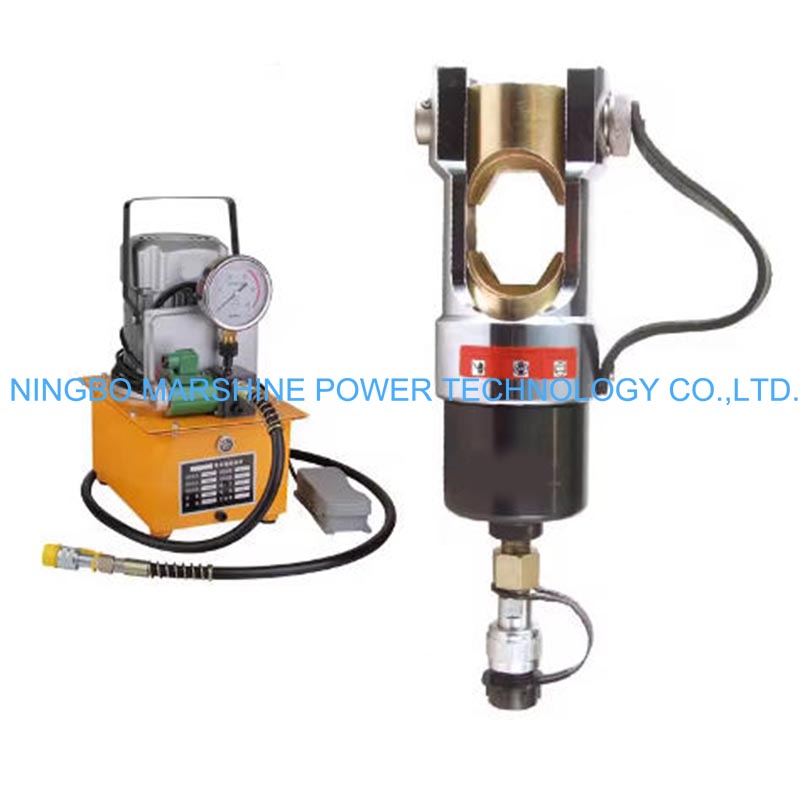
To truly understand its value, one must look at how a split hydraulic crimp tool is fundamentally designed. Unlike integrated tools where the pump, fluid reservoir, and crimping jaws are housed in a single bulky unit, a split system separates the power source from the action point. The heavy hydraulic pump sits on the ground, connecting via a high-pressure hose to a lightweight cable lug crimping head.
This specific design feature dramatically increases maneuverability. Operators working in tight trenches or elevated bucket trucks only need to position the lightweight head, significantly reducing physical strain while maintaining absolute control over the crimp alignment. This separation of weight and power is the defining characteristic of a modern split system.
Which product specification parameters should readers see first
When evaluating these tools, the product specification parameters tell the real story. Contractors should first look at the output force, which typically ranges from a robust 60 tons up to a staggering 100 tons for utility-scale applications. The system operates at a standard maximum pressure of 700 bar (10,000 psi), ensuring consistent, void-free compressions every time.
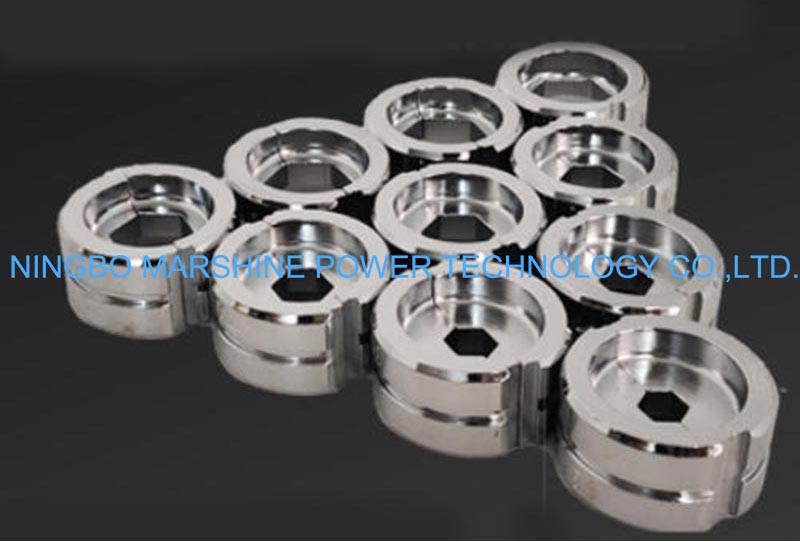
Readers should also verify the die set range; a professional-grade split tool commonly accommodates hexagonal dies from 16mm² all the way up to 1000mm². These high-capacity parameters guarantee that the tool can effortlessly crush thick copper or aluminum sleeves that standard hand tools simply cannot dent, making it an indispensable asset for large-scale grid work.
How does a split hydraulic crimp tool compare with other
The market is flooded with various cable connection tools, ranging from traditional manual crimpers to modern battery-operated integrated units. However, when comparing a split hydraulic crimp tool to these alternatives, the differences in capability and operational fatigue become glaringly obvious.
The standout feature of a split system is its unmatched weight-to-power ratio at the actual point of work. While an integrated battery tool forces the operator to lift the entire weight of the motor, fluid reservoir, and battery for every single crimp, the split design keeps all that mass safely out of the operator's hands. This allows for continuous heavy lifting without the rapid onset of operator fatigue.
What comparison table will best show when a split
A quick comparison illustrates exactly when a split system becomes the mandatory choice for utility crews.
| Tool Type | Max Output Force | Weight at Crimp Point | Ideal Max Cable Size |
|---|---|---|---|
| Split Hydraulic | 60 to 100+ tons | 5 to 10 kg | Up to 1000mm² |
| Integrated Battery | 12 to 14 tons | 7 to 12 kg (full unit) | Up to 400mm² |
| Manual Ratchet | Up to 6 tons | 3 to 5 kg | Up to 120mm² |
As the table shows, once the project requires connecting massive transmission cables, the split system leaves the competition behind by delivering nearly ten times the force of standard options without burdening the operator's hands.
Which trade-offs should the article explain in plain industry
Of course, deploying a remote hydraulic crimper comes with specific industry trade-offs. The primary advantage is the massive, unyielding power required for high-voltage transmission lines and the ability to work tirelessly without waiting for batteries to charge or cool down.
The trade-off is the setup time and footprint. Crews must manage the high-pressure hydraulic hose, ensuring it does not kink or drag over sharp rocks, and they need a stable flat surface for the foot or electric pump. For quick, small-gauge residential jobs, dragging out a split system is overkill. However, for continuous heavy-duty grid construction, this trade-off is entirely acceptable for the durability and long-term joint integrity gained.
How should buyers choose and use a split hydraulic crimp
Choosing the right equipment requires looking beyond just the upfront price tag. Utility buyers need tools that will survive harsh outdoor environments, from muddy underground vaults to freezing aerial lines. Procurement teams should align with manufacturers that offer comprehensive product ecosystems and dedicated customer support.
For instance, MARSHINE provides over a thousand kinds of tools across 20 series, ensuring that buyers get full-series support and reliable quality. A key feature to prioritize during selection is the quality of the quick-connect couplers and the durability of the forged steel crimping head, as these components directly impact the tool's lifespan in demanding field conditions.
What step-by-step process should the article outline for selecti
Selecting the perfect split hydraulic crimp tool follows a logical, step-by-step process. First, buyers must identify the maximum cable cross-section their crews handle; if the project routinely involves 630mm² aluminum conductors, a minimum 60-ton pressing head is mandatory to ensure a cold-weld standard connection.
Second, match the pump's oil capacity to the head's requirements. Large crimping heads require significant fluid displacement, meaning the pump should have a usable oil capacity of at least 1.5 to 2.0 liters to prevent the system from drawing air. Finally, evaluate the die mechanism. Opt for tools with secure, pin-locking die holders to prevent the heavy dies from slipping under extreme pressure.
What closing guidance will help contractors and utility teams
Closing out the investment, contractors must implement strict maintenance routines to protect their
Further reading:
Key Takeaways
- The most important conclusions and rationale for split hydraulic crimp tool
- Specs, compliance, and risk checks worth validating before you commit
- Practical next steps and caveats readers can apply immediately
Frequently Asked Questions
What is a split hydraulic crimp tool?
It uses a separate hydraulic pump and a lightweight crimping head connected by a high-pressure hose, giving high force with easier handling in trenches, poles, and bucket trucks.
Why is a split hydraulic crimp tool better for heavy cable work?
It delivers about 60 to 100+ tons of force at up to 700 bar, making it suitable for large copper or aluminum lugs that manual or small battery tools cannot crimp reliably.
What cable sizes can a split hydraulic crimp tool handle?
Professional models typically accept dies from 16mm² to 1000mm², which covers many underground and aerial power cable applications common on cable-winch.com projects.
How does it compare with battery or manual crimpers?
A split tool puts less weight in your hands while providing far more force. Battery units often top out around 400mm², and manual ratchet tools are better for much smaller cables.
What should I check before buying a split hydraulic crimp tool?
Confirm output force, 700 bar compatibility, die range, head weight, and hose length. For utility work, also check whether it suits your cable lugs, sleeves, and jobsite access conditions.