

A pulley that looks adequate on paper can still become the weak point in a cable stringing job if its load rating, groove shape, or sheave material does not match the conductor and terrain. In overhead line construction, small specification errors can lead to higher friction, damaged jackets, excessive bending stress, or unsafe pulling conditions. This guide explains how to evaluate single conductor pulley options using practical criteria: conductor size, span length, expected tension, jobsite environment, safe working load, and sheave construction. It also compares common aluminum and MC nylon designs so crews can choose equipment that supports faster rigging, smoother pulls, and better conductor protection.
Define Project Requirements
When dealing with complex power grid construction, selecting the correct single conductor pulley directly dictates the efficiency, speed, and safety of the cable stringing operation. A proper selection process relies on concrete criteria such as conductor diameter, span length, and maximum anticipated stringing tension. When deploying aerial cable tools, the goal is to utilize equipment that reduces crew fatigue, accelerates rigging times, and protects the integrity of the conductor.
Identify jobsite and cable conditions
Before picking out hardware, crews need to thoroughly evaluate the specific jobsite environment and the exact type of cable being deployed. Aerial cable runs spanning mountainous terrain face vastly different wind loads and tension dynamics compared to flat, urban overhead distribution installations. Contractors must account for environmental extremes, ensuring the equipment can operate smoothly in severe temperature ranges specified by regional standards (such as IEC or IEEE) without the bearings freezing or the lubricants breaking down under thermal stress. Additionally, specific product features, such as self-lubricating bearings or specialized anti-snag groove profiles, must align precisely with the physical properties of the conductor or delicate optical fiber cable being strung.
Set baseline pulley specifications
Once the environment is mapped out, establishing the technical baseline is the next mandatory step. Crews need to determine the maximum anticipated pulling force and select a conductor stringing pulley that offers a safe working load (SWL) comfortably exceeding that metric. Depending on utility specifications, single conductor blocks feature SWL ratings starting at 10 kN for lighter distribution lines, scaling up to 50 kN or more for heavy-duty transmission projects. The sheave diameter must also be carefully matched to the cable to prevent excessive bending stress during installation. A reliable unit will feature a robust, reinforced frame and a smooth sheave groove designed to prevent binding or chafing during high-tension pulls.
Compare Pulley Performance Factors
Beyond basic dimensions and load limits, the core materials and overall build quality of an overhead conductor pulley determine its operational lifespan and reliability on the line. High-quality construction prevents costly conductor surface damage and significantly reduces downtime during critical stringing phases.
Evaluate materials and construction
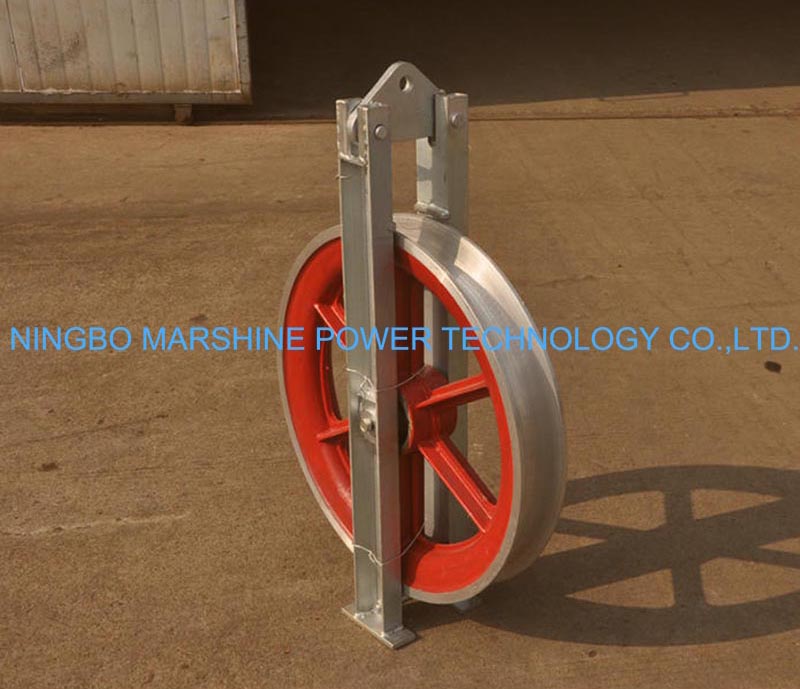
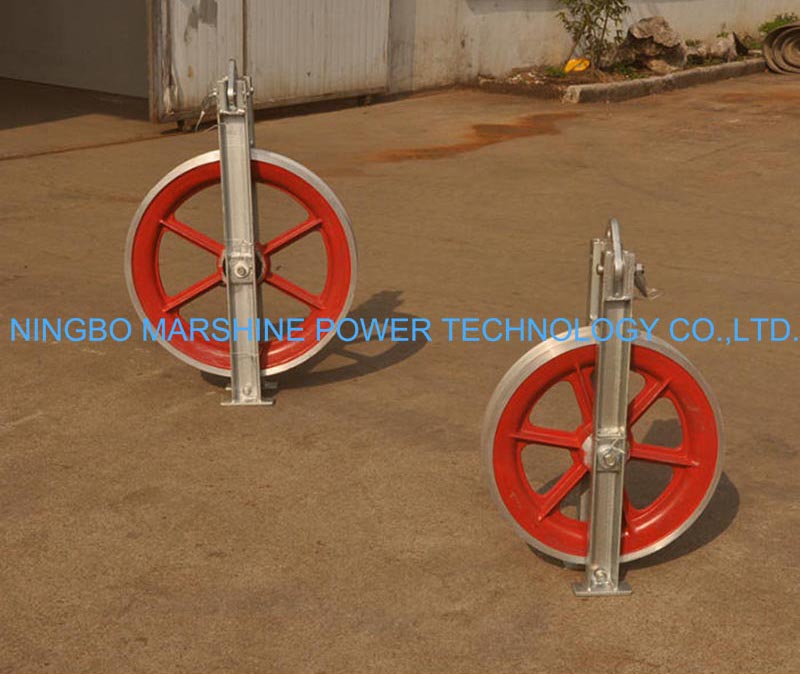
The debate during selection usually comes down to the primary sheave material: cast aluminum versus MC nylon wheels. Aluminum wheels offer exceptional heat dissipation, which prevents localized overheating during prolonged, high-friction stringing scenarios, and they handle high-speed pulls beautifully. However, they require polyurethane or neoprene liners to prevent damage to delicate fiber-optic jackets. It is important to note that these liners wear over time and require periodic replacement. Furthermore, bare aluminum sheaves can score or gall softer conductors if used without protection. Conversely, nylon wheels provide a lightweight alternative that is incredibly gentle on the outer strands of the conductor. While MC nylon sheaves can degrade under prolonged UV exposure, their longevity heavily depends on the specific UV-stabilizing additive packages used during manufacturing, rather than treating all nylon sheaves as identical. Both materials feature distinct product advantages designed for specific scenarios, such as superior corrosion resistance in aluminum and high impact strength in nylon.
| Sheave Material | Typical Load Capacity | Friction Profile | Weight Profile | Best Application Scenario |
|---|---|---|---|---|
| Cast Aluminum | Heavy-Duty | Moderate | Heavy / Rigid | Long, high-tension transmission spans |
| MC Nylon | Light to Medium-Duty | Very Low | Lightweight | Distribution lines, sensitive outer jackets |
| Polyurethane Lined | Medium to Heavy-Duty | Low | Medium | High-abrasion environments, fiber optics |
Selecting the right material ensures the sheave rotates freely under heavy load, minimizing drag and reducing the mechanical strain on the cable pulling winch or tensioner.
Check compliance and quality standards
Performance and material specs mean little without rigorous quality control backing them up. Reliable equipment manufacturers distinguish between quality-management certifications, such as the ISO 9001:2015 standard, and design and performance standards, like IEEE 524 stringing practices. This dual compliance ensures every universal stringing block, wire rope pulley, or cable roller meets exact engineering tolerances. When evaluating options, look for a standard safety factor of 3:1, though this can vary based on specific utility requirements and national regulations. Verifying supplier test reports and conformity certificates through a reputable source like MARSHINE ensures access to reliable equipment evaluation. Furthermore, establishing strict inspection protocols and routine bearing maintenance schedules will ensure the tools hold up under the severe field conditions of modern power grid construction.
Choose the Right Single Conductor Pulley
With the environmental data gathered and the material specifications compared, the final phase is locking in the exact single conductor pulley that fits the crew's operational workflow. This requires a practical, step-by-step approach that balances upfront equipment costs with long-term reliability and ease of use in the field.
Follow a practical selection process
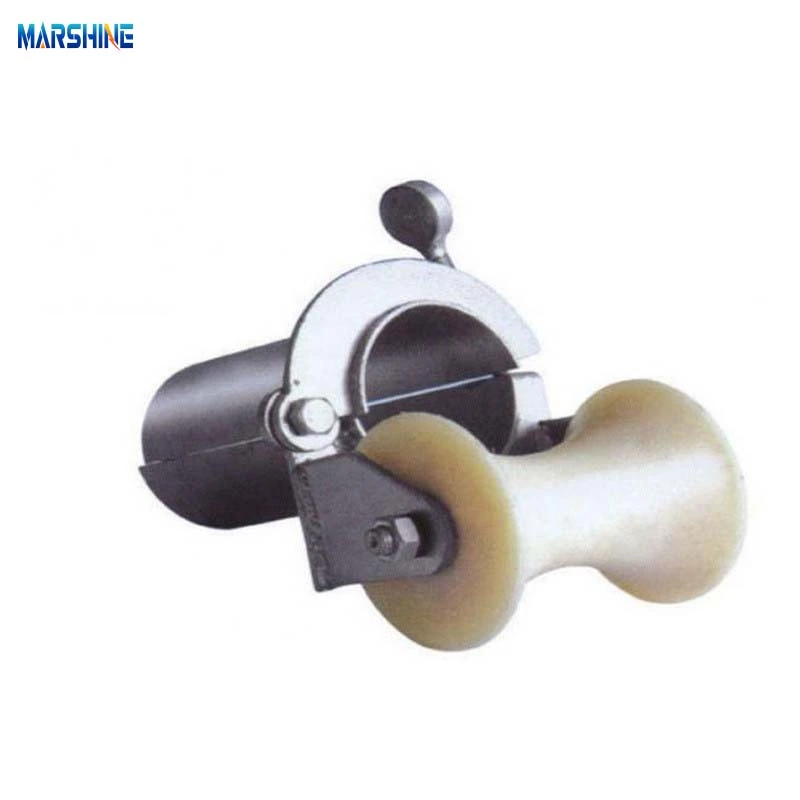
A systematic selection process involves cross-referencing the pulley's capabilities with the rest of the stringing equipment on site. The chosen pulley must integrate seamlessly with the existing cable pulling tensioner, braided steel ropes, gin poles, and come-along clamps. A highly sought-after product feature is an easy-open latch or a hinged frame design, which drastically reduces the time it takes linemen to insert and remove the conductor while suspended in the air. Per standard guidelines, operators must ensure the sheave diameter satisfies the required D/d (diameter to diameter) ratio. This ratio depends on the conductor type and governing standards—such as IEC 61328 for OPGW versus IEEE 524 for overhead conductors—and commonly falls between 20× and 40×. Additionally, proper groove geometry is critical: the sheave groove radius should closely match the cable radius while maintaining sufficient groove clearance as recommended by manufacturer guidelines and industry standards. Anything less risks binding or introducing permanent bending fatigue into the metal strands, which can ultimately lead to micro-fractures and dangerous hot spots once the line is fully energized.
Confirm the final fit for the application
Before issuing the final purchase order, confirm that the selected hardware offers the right combination of features for the specific application.
Further reading:
Key Takeaways
- Start selection by confirming conductor diameter, span length, maximum stringing tension, and site conditions before comparing pulley models.
- Select a safe working load that exceeds the expected pulling force, with common ratings ranging from about 10 kN for light distribution to 50 kN or more for heavy transmission work.
- Match sheave diameter and groove profile to the conductor to reduce bending stress, binding, chafing, and surface damage during installation.
- Choose aluminum sheaves for heat dissipation and high-speed pulling, but use protective liners when working with delicate jackets or softer conductors.
- Use MC nylon sheaves when conductor protection and lower tool weight are priorities, while checking that the material includes adequate UV stabilization for outdoor use.
- Inspect liners, bearings, frames, and grooves regularly because worn components can increase friction, damage conductors, and slow stringing operations.
Frequently Asked Questions
What information should I confirm before selecting a single conductor pulley?
Confirm conductor diameter, cable type, span length, jobsite terrain, expected pulling tension, and environmental conditions. These factors determine the required sheave size, groove profile, bearing type, and safe working load.
How much safe working load should a conductor pulley have?
Choose a pulley with a safe working load that comfortably exceeds the maximum anticipated pulling force. Light distribution work may use around 10 kN, while heavier transmission stringing can require 50 kN or more.
Why does sheave diameter matter during cable stringing?
The sheave diameter controls bending stress on the conductor. A properly matched diameter helps prevent deformation, jacket damage, chafing, and premature conductor fatigue during high-tension pulling.
Is an aluminum or nylon sheave better for cable stringing?
Aluminum sheaves handle heat and high-speed pulling well but may need protective liners. MC nylon sheaves are lighter and gentler on conductors, but their UV resistance depends on material quality and stabilizing additives.
When should I use a lined aluminum pulley?
Use a lined aluminum pulley when you need aluminum’s strength and heat dissipation but must protect delicate conductors or fiber-optic cable jackets. Polyurethane or neoprene liners reduce abrasion but require periodic inspection and replacement.