

Precision tension control is the difference between a clean overhead line installation and a costly conductor-damage event. In power grid construction, heavy cables must be pulled across long spans without touching the ground, snagging on obstacles, or exceeding safe sag limits. A hydraulic tensioning machine solves this by combining bull wheel geometry, closed-loop hydraulic resistance, and real-time tension adjustment. This article explains how the system regulates braking torque, why hydraulic pressure and oil viscosity matter, and which specifications—such as rated tension, stringing speed, conductor diameter, and cooling capacity—should guide equipment selection. For contractors, understanding these details helps improve safety, line quality, and jobsite productivity.
How Hydraulic Tensioning Machines Control Cable Tension
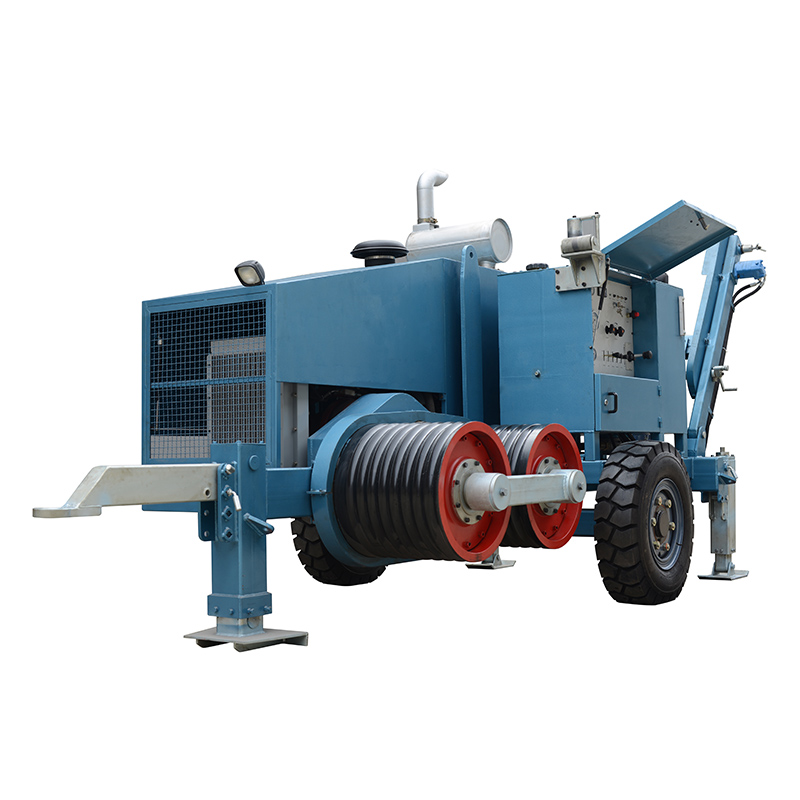
Overhead power grid construction demands precise control over heavy conductor cables to prevent sagging or physical damage during installation. That is where a hydraulic tensioning machine steps in, offering smooth, continuous resistance during the stringing process.
The tension is managed through the machine's bull wheels; the size of the wheels, the design of their grooves, and the cable's contact angle all directly influence the applied tension and surface pressure on the conductor. By properly managing these factors, operators ensure cables maintain exact ground clearance, making complex stringing jobs manageable and secure.
Working Principle
The core working principle relies on a highly responsive, closed-loop hydraulic system rather than traditional mechanical friction brakes. In modern units, an engine-driven hydraulic pump typically powers hydraulic motors that actuate the tensioner's large bull wheels. As the pulling tractor draws the cable forward, the system uses a closed-loop tension controller—often incorporating load cells and variable relief valves—to regulate the hydraulic resistance.
By adjusting this valve, operators precisely control the braking torque applied to the wheels. A standout feature of this hydrostatic drive system is its ability to maintain constant, pre-set tension automatically. Even if the pulling speed fluctuates, the system instantly compensates, ensuring the cable never touches the ground or snags on obstacles.
Tension Range and Operating Specs
Tension ranges and operating specifications dictate how a machine handles different cable sizes. Depending on the model, standard units typically offer a continuous tension range between 30 kN and 90 kN, with system hydraulic pressures safely capped at around 25 to 30 MPa to prevent seal blowouts.
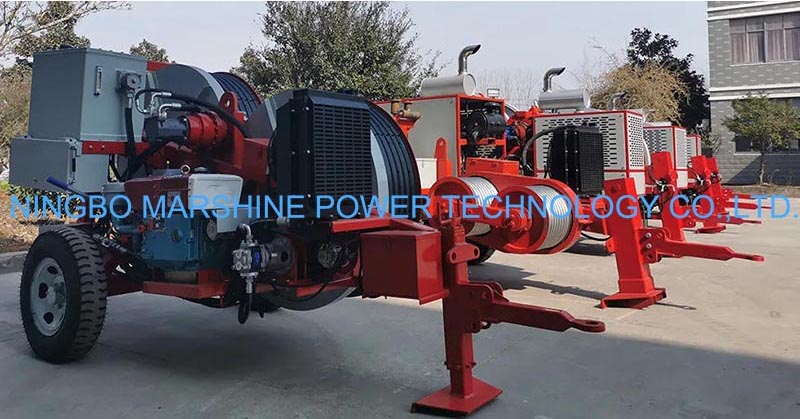
The Tension Stringing Machine features a heavy-duty integrated cooling system to manage the immense heat generated by the hydraulic fluid. This active cooling feature prevents thermal breakdown and keeps the hydraulic oil viscosity within optimal ranges for the specific equipment, such as 40 to 60 cSt. Maintaining this viscosity threshold prevents cavitation and a dangerous loss of braking force.
Key Specifications for Selecting a Hydraulic Tensioning Machine
Selecting the right equipment requires carefully matching the machine's capabilities to specific project parameters. Decision factors should include the conductor type, span length, sag requirements, and the topography of the terrain. Evaluating these variables against standardized performance metrics ensures safe and effective operation.
High-quality machines feature advanced control panels that make monitoring these specifications straightforward. Understanding the relationship between tension capacity and stringing speed is critical for maintaining proper cable clearance and minimizing equipment strain.
Rated Tension and Maximum Speed
Rated tension and maximum speed are the two most critical numbers on any specification sheet. A standard 40 kN tensioner usually supports a maximum continuous stringing speed of 5 km/h, while heavy-duty 180 kN models operate closer to 3 km/h to safely manage massive structural loads.
| Machine Class | Max Tension (kN) | Max Stringing Speed (km/h) | Typical Conductor Diameter (mm) |
|---|---|---|---|
| Light-Duty | 30 - 40 | 5.0 | 18 - 24 |
| Medium-Duty | 70 - 90 | 4.0 | 28 - 36 |
| Heavy-Duty | 140 - 180 | 3.0 | 40 - 45 |
These specifications ensure the cable does not over-stretch. Modern machines with precise speed control features allow operators to feather the tension during delicate maneuvers, reducing the risk of costly cable damage.
Single-Wheel vs Multi-Wheel Designs
The choice between single-wheel and multi-wheel designs depends heavily on the project scope. Single-wheel setups are compact, highly mobile, and feature an easy-to-thread design appropriate for running single conductors over short distances.
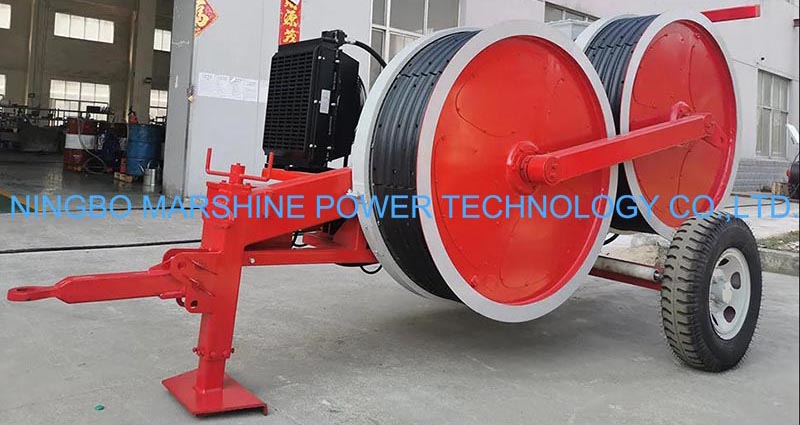
In contrast, multi-wheel designs are essential for bundled conductors on high-voltage lines. They feature specialized nylon or aluminum wheels for the pay-off pulley, which actively protect the cable surface from abrasion. Using specialized Cable Tensioning Equipment with multi-groove bull wheels distributes mechanical stress evenly. This feature significantly reduces wear and abrasion on the conductor's delicate outer aluminum strands during installation.
How Contractors Should Source and Use Hydraulic Tensioning Machines
Sourcing and deploying these massive machines is a major capital investment for any utility contractor. Companies must prioritize both operational readiness and supplier reliability to keep grid construction projects safely on schedule.
Safe operation requires strict adherence to equipment calibration protocols and ensuring that all personnel hold the proper operator certifications. Proper procurement, combined with rigorous maintenance routines, prevents costly delays and ensures a secure work environment.
Pre-Job Inspection and Operating Steps
Pre-job inspection and proper operating steps are non-negotiable for maintaining site safety. Crews should rigorously verify hydraulic fluid levels, account for temperature effects on hydraulic oil performance, and inspect the bull wheel grooves for excessive wear before every shift. A strict maintenance schedule is required; for instance, hydraulic fluid and fine-micron filters typically need replacing according to manufacturer specifications—which varies by model but is often around every 500 operating hours—to maintain peak volumetric efficiency.
Operators must also test the emergency braking feature prior to every run. It is important to distinguish between continuous tension control, managed by the hydrostatic drive and relief valves, and the emergency or parking brakes. Modern tensioners are equipped with spring-applied, hydraulically released emergency brakes designed to engage rapidly during a sudden pressure drop or hose failure. The exact response time is specification-dependent, though many models are engineered to secure the heavy payload in under a second.
Supplier Review and Quality Certification
When evaluating suppliers, verified quality certification and a proven track record are paramount. It is crucial to partner with manufacturers holding recognized credentials, such as the updated GB/T 19001-2016/ISO 9001:2015 quality system certification.
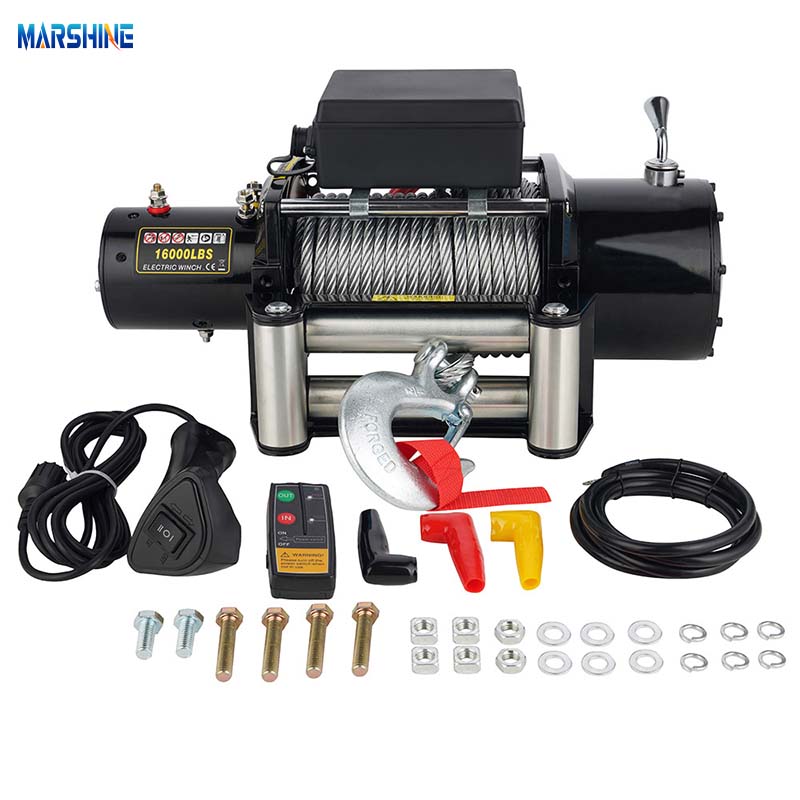
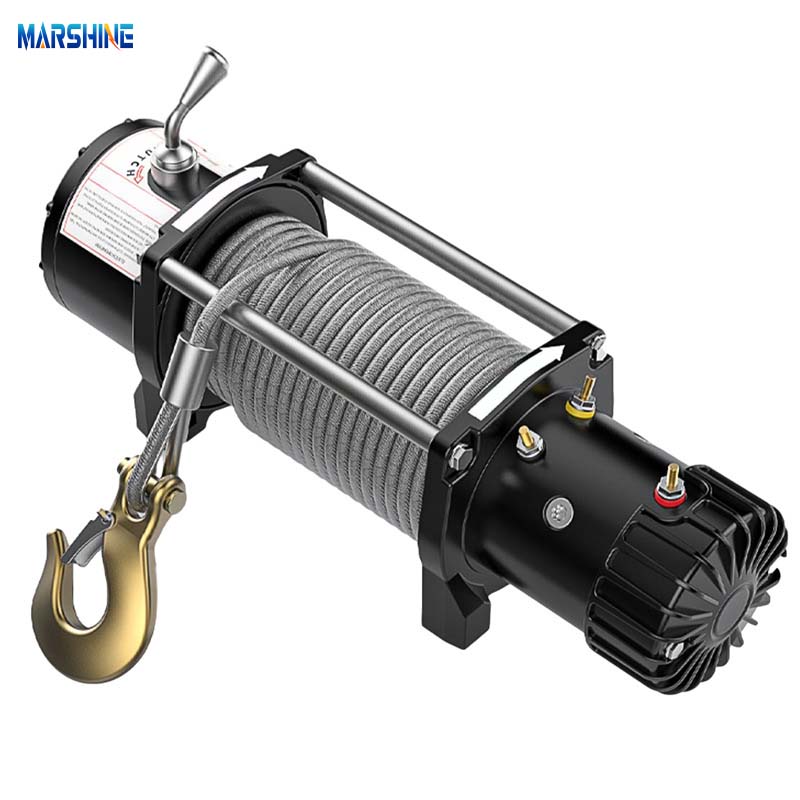
Suppliers like MARSHINE provide reliable products backed by a complete after-sales system. Ensuring contractors receive dependable hydraulic tensioners and wire rope winches requires partnering with companies that supply tools featuring advanced safety mechanisms, meeting the rigorous demands of modern overhead power grid construction.
Further reading:
Key Takeaways
- Use a hydraulic tensioning machine to maintain continuous resistance during overhead conductor stringing and prevent cable sagging or ground contact.
- Check bull wheel diameter, groove profile, and cable contact angle because these factors directly affect conductor grip and surface pressure.
- Select rated tension based on project load, noting that standard machines often operate from 30 kN to 90 kN while heavy-duty units handle larger conductors.
- Keep hydraulic system pressure within the specified safe range, commonly around 25 to 30 MPa, to reduce the risk of seal failure.
- Maintain hydraulic oil viscosity near the recommended range, such as 40 to 60 cSt, by using an effective cooling system during long stringing operations.
- Balance tension capacity with stringing speed, since a 40 kN unit may run near 5 km/h while larger 180 kN machines may operate closer to 3 km/h.
Frequently Asked Questions
What does a hydraulic tensioning machine do during cable stringing?
It applies controlled resistance to conductor cables as they are pulled, keeping tension steady so the cable maintains safe ground clearance and avoids sagging, dragging, or surface damage.
How does the machine keep cable tension constant?
A closed-loop hydraulic system uses load feedback and adjustable valves to regulate braking torque on the bull wheels, automatically compensating when pulling speed changes.
Why are bull wheels important in tension control?
Bull wheel diameter, groove design, and cable contact angle affect the grip, surface pressure, and actual tension applied to the conductor during stringing.
What tension range is typical for standard hydraulic tensioners?
Many standard units operate in a continuous tension range of about 30 kN to 90 kN, while larger heavy-duty models can reach much higher capacities for demanding transmission projects.
Why does hydraulic oil temperature matter?
Overheated oil loses proper viscosity and can reduce braking performance. Integrated cooling helps keep hydraulic oil in the optimal range, often around 40 to 60 cSt.