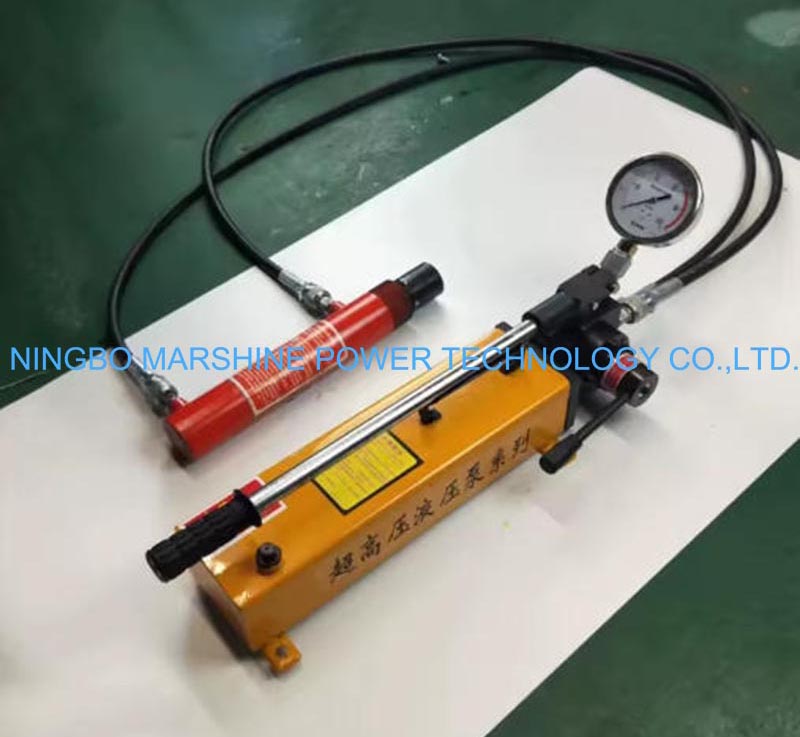
A manual hydraulic pump system starts with your effort. You apply force to a lever, and the pump mechanically amplifies it into powerful hydraulic pressure. This clever internal design then moves fluid. Many small-scale industries, almost 40%, choose these cost-effective manual hydraulic tools. MARSHINE offers reliable options, proving how a simple manual hydraulic pressure pump converts human strength into effective fluid displacement.
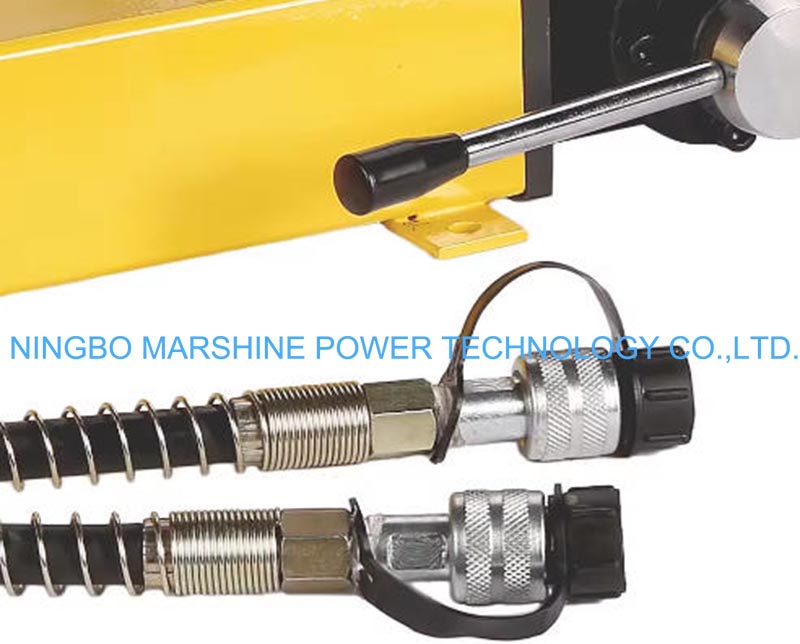
The lever and handle are where you begin. You apply your physical force here. This part acts as the primary interface between you and the pump. When you push or pull the handle, you initiate the entire hydraulic process. The lever's design often provides a mechanical advantage, meaning a small force from you translates into a larger force inside the pump. This initial input sets everything else in motion.
Inside the pump, a piston moves within a cylinder. This combination forms the core of fluid displacement. When you operate the lever, it pushes the piston. The piston then moves through the cylinder, creating pressure on the hydraulic fluid. This action forces the fluid to move. The size of the piston and cylinder directly affects how much fluid the pump moves with each stroke and the pressure it can generate.
Check valves are crucial for directing fluid flow. They act like one-way gates, allowing fluid to move in only one direction. This prevents backflow and maintains pressure within the system. The reservoir holds the hydraulic fluid. It supplies fluid to the pump and collects it after use. For check valves, material selection is very important. Manufacturers often use materials like stainless steel for corrosive environments or bronze for marine applications. Some demanding applications even use titanium and nickel-based alloys, such as Hastelloy C276 or Inconel, because they resist extreme temperatures and corrosive media. These materials ensure the valves maintain sealing integrity and resist corrosion, making the manual hydraulic pump reliable.
Understanding how a manual hydraulic pump works involves looking at its operating cycle. This cycle has two main phases: drawing fluid in and pushing it out. It is a clever system that turns your effort into powerful hydraulic action.
The cycle begins with the suction stroke. When you pull the handle of the manual hydraulic pump, it moves the piston backward inside its cylinder. This backward movement creates a vacuum, or an area of lower pressure, within the cylinder. Because of this pressure difference, the hydraulic fluid from the reservoir gets drawn into the cylinder. A check valve, acting like a one-way gate, opens to allow this fluid to enter. It ensures the fluid only flows in one direction, preventing it from going back into the reservoir during this phase. Think of it like a syringe drawing in liquid; the principle is quite similar.
After the suction stroke, the pressure stroke begins. You push the handle, and this action forces the piston forward. As the piston moves, it compresses the fluid inside the cylinder. This compression builds up significant pressure. The check valve that allowed fluid in during the suction stroke now closes, trapping the fluid. Another check valve, located at the pump's outlet, opens. This allows the high-pressure fluid to exit the pump and travel through the hydraulic lines to power the connected equipment.
These check valves are incredibly important for controlling fluid flow. However, they can sometimes face challenges under high pressure during discharge. For instance, fluid can flow backward from the outlet to the inlet, which is called reverse flow. This can damage the pump. Sudden changes in fluid flow can also cause pressure surges, known as water hammer, which might damage pipes or even the valve itself. Over time, the sealing materials in these valves can wear out from frequent use. This causes a failing seat seal, allowing fluid to leak through when the valve should be closed. Engineers sometimes overlook check valve failures because they assume these valves always work perfectly. But they can get stuck open or leak when closed, leading to hidden problems. In compression systems, a failing check valve during discharge can cause extreme overpressure, potentially leading to equipment failure. Even a partially closed check valve can create dangerous pressure levels.
Safety is a big concern in any hydraulic system, and that is where the pressure relief valve comes in. This valve acts as a crucial safety device. If the pressure within the hydraulic system becomes too high, the pressure relief valve automatically opens. It diverts excess fluid back to the reservoir. This prevents the system from exceeding its maximum safe operating pressure. Without this valve, dangerously high pressures could build up, potentially damaging components or even causing a catastrophic failure. It ensures the system operates safely and protects both the equipment and the operator.
Manual hydraulic pumps find widespread use across many industries due to their reliability and versatility. In the construction industry, these pumps are indispensable. They operate jacks and lift equipment. They also power hydraulic cylinders. Workers use them for machinery on construction sites where electricity or fuel-powered systems are inaccessible. For example, the TL-PU-HP-1500 Hand Bolt Tensioner Pump is a compact, portable solution. It handles demanding bolting applications. It features an adjustable pressure setting and an ergonomic design. This ensures reliable performance in challenging environments.
Automotive repair shops also rely heavily on these pumps. They use hydraulic bolting tools, like torque wrenches, for precise fastener application during vehicle assembly and maintenance. Hydraulic pullers help remove components such as bearings and gears. This is useful during engine or transmission servicing. Hydraulic nut splitters efficiently remove damaged or rusted fasteners. These pumps also power hydraulic jacks for lifting vehicles. They work with hydraulic presses for various part-pressing tasks during repairs.
One major benefit of a manual hydraulic pump is its independence from external power sources. It does not need electricity or fuel. This makes it highly reliable in remote locations or during power outages. Its simple design also means less maintenance. Portability is another key advantage. Many models are compact and lightweight. For instance, the DY-YL60X Portable Manual Hydraulic Pump measures 360mm x 200mm x 150mm and weighs only 5.5 kg. Other models also offer excellent portability:
| Pump Type | Weight | Dimensions (mm) |
|---|---|---|
| G1400 HP | 15 kgs | 420 x 280 x 220 |
| G2800 HP | 34 kgs | 370 x 330 x 500 |
This portability allows workers to easily transport them to different job sites. They are perfect for field operations where mobility is crucial. The ability to operate without electricity makes them ideal for emergency situations or temporary setups.
Ultimately, your manual effort on the lever fundamentally drives the fluid in these systems. The ingenious design of a manual hydraulic pump efficiently translates human force into powerful hydraulic action. This simple, reliable mechanism underpins its widespread utility and effectiveness, making it a valuable tool in countless scenarios.
A person operates a lever. This action moves a piston inside a cylinder. The piston compresses the hydraulic fluid. This compression creates high pressure.
Check valves act like one-way gates. They direct fluid flow. They prevent backflow. This maintains pressure within the system. They ensure fluid moves correctly.
The pressure relief valve protects the system. It opens automatically if pressure gets too high. This diverts excess fluid back to the reservoir. It prevents damage and ensures safety. 🛡️