


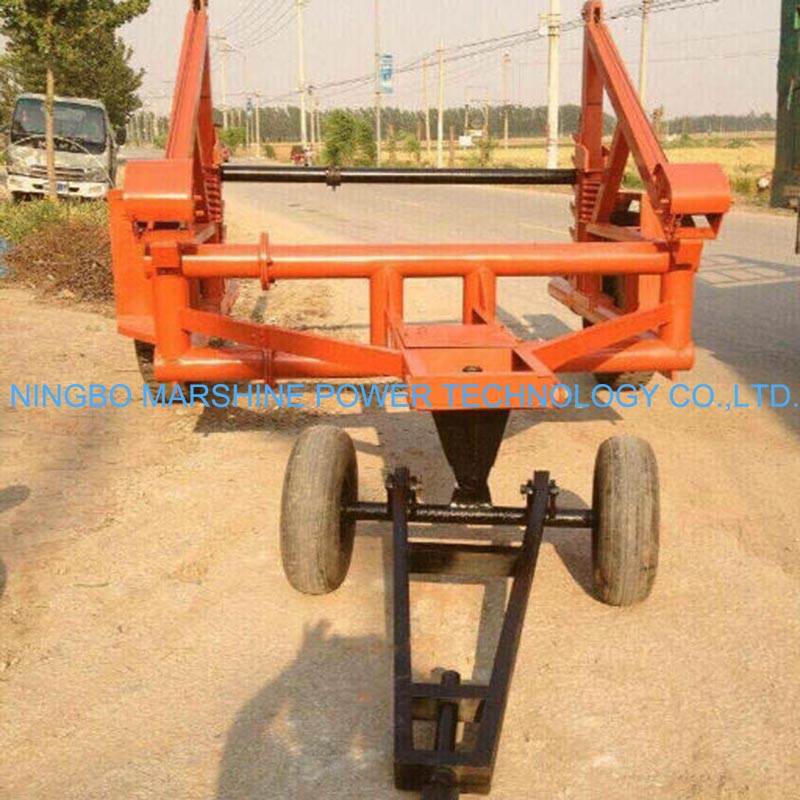
Heavy cable drums can turn an otherwise well-planned grid or telecom installation into a slow, equipment-heavy operation. Every extra crane booking, manual jack setup, or poorly controlled reel rotation adds cost, labor risk, and delay. A hydraulic cable drum carrier tackles that bottleneck by lifting, transporting, and supporting the drum for controlled pay-out from a single machine. For contractors handling drums in the 3,000 kg to 8,000 kg range, the right carrier can improve setup speed, reduce ground friction, and help maintain steadier cable tension. This article explains where the efficiency gains come from, which specifications matter most, and how to select equipment that supports safer, smoother cable deployment.
Why a Hydraulic Cable Drum Carrier Improves Pay-Out Efficiency
When contractors tackle large-scale power grid or telecommunication projects, hauling and dispensing heavy copper power cables and densely packed fiber optics can easily become a logistical bottleneck. These materials are shipped on massive, unwieldy wooden or steel drums. A hydraulic cable drum carrier improves pay-out efficiency by directly eliminating the need for expensive crane bookings and time-consuming blocking and jacking steps. Integrated hydraulic cylinders elevate the drum to eliminate ground friction, allowing for smooth, continuous cable installation. This direct mechanization addresses the mobility and heavy-lifting demands of modern job sites, enabling continuous mobility between reel positions and significantly streamlining the installation process.
What a Hydraulic Cable Drum Carrier Does
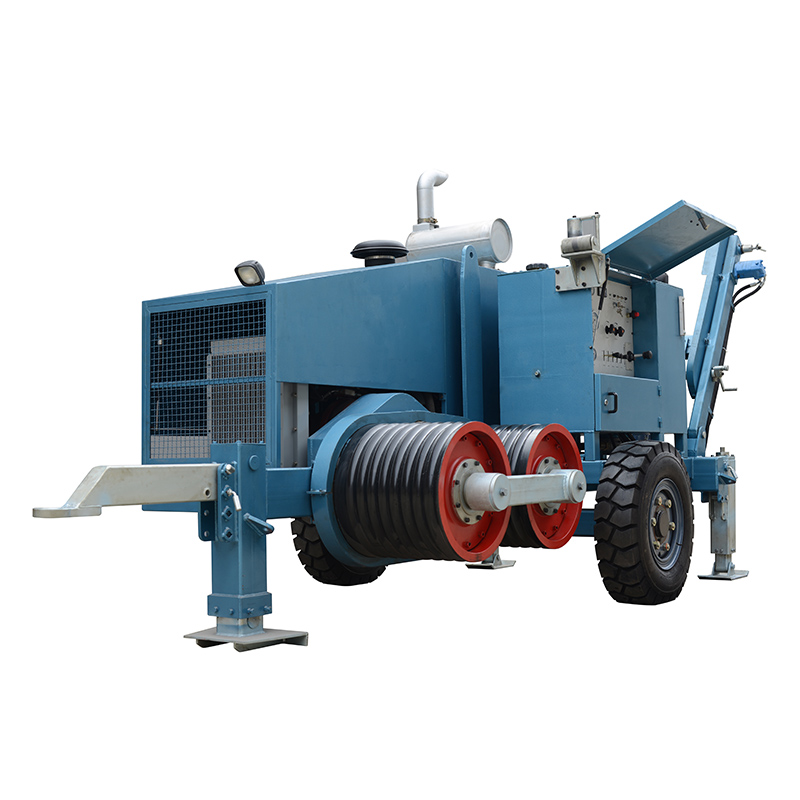
At its core, a hydraulic cable drum carrier acts as an all-in-one transport and pay-out solution. Instead of relying on stationary jacks, operators back the carrier up to a drum, engage the hydraulic arms, and lift the load directly off the ground. A reliable cable drum transport trailer typically accommodates drum diameters ranging from 1.5 to 3.2 meters. The specialized locking mechanisms on the lifting arms keep the drum perfectly balanced during transit. Crucially, these carriers are designed to act as stable dispensing stands. While some models allow pay-out during slow-speed transport along the trench route to minimize drag, this feature is highly model-specific and may be restricted by local site safety regulations.
Key Efficiency Gains Compared With Manual Pay-Out
While these machines require a higher upfront investment compared to manual jacks, the efficiency gains stem directly from streamlined logistics and faster setup. Traditional setups require crews to manually maneuver heavy drums onto mechanical jacks, a tedious process that consumes significant time before pay-out even begins. With a hydraulic carrier, the integrated lift-and-transport design eliminates the need for secondary lifting equipment. By mechanizing the lift and spin, crews stay focused on the actual cable installation rather than wrestling with heavy wooden drums, ultimately accelerating the entire project timeline.
Key Specifications That Affect Pay-Out Speed
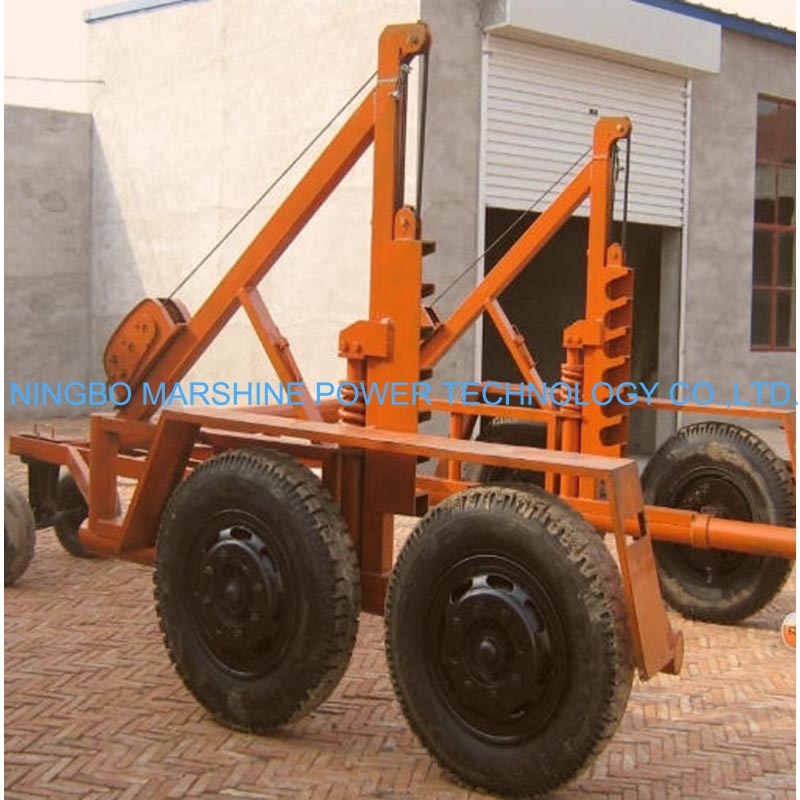
Getting the most out of a carrier means understanding its mechanical capabilities. The speed and smoothness of a cable pull rely heavily on specific design features, particularly how the machine handles weight, balances the load, and manages tension. Choosing a unit with the right specifications ensures the cable unwinds at a consistent pace without jerking, tangling, or snapping under pressure.
Hydraulic Lifting, Braking, and Load Capacity
Load capacity and braking power are non-negotiable for efficient pay-out. Carriers are generally classed by their maximum payload—commonly 3,000 kg, 5,000 kg, or 8,000 kg capacities. The hydraulic lifting mechanism is typically driven by a manual hand pump for light-to-medium loads, or a motorized hydraulic power unit for heavy-duty applications, dictating how quickly the drum clears the ground. A high-quality cable drum transporter uses a mechanical spindle brake to maintain consistent tension, preventing the drum from over-spinning and creating excessive slack.
The following table illustrates typical industry ranges for load capacity and drum diameter. However, these are general classifications; buyers are strongly advised to verify exact specifications against manufacturer datasheets to ensure safe operation:
| Carrier Class | Max Load Capacity (kg) | Max Drum Diameter (mm) |
|---|---|---|
| Light-Duty | 3,000 | 2,400 |
| Medium-Duty | 5,000 | 2,800 |
| Heavy-Duty | 8,000+ | 3,200+ |
Operating Steps for Faster, Safer Pay-Out
The operating sequence highlights the machine's efficiency when proper safety protocols are followed. First, the operator reverses the trailer so the cradle aligns seamlessly with the drum. Next, they slide the heavy-duty steel spindle through the drum's center hole and secure the locking collars to prevent lateral shifting. The operator then raises the drum into the pay-out position and sets the spindle brake to match the required pulling tension.
Safe operation requires strict adherence to critical protocols, including regular hydraulic fluid maintenance and routine inspections. Operators must verify slope limits, as pay-out should generally occur on level ground to prevent trailer instability. It is vital to distinguish between transport locks and lifting props: mechanical drum transport locks must be disengaged before dispensing cable, whereas hydraulic lift safety props are engaged after lifting to prevent the drum from dropping unexpectedly in the event of hydraulic failure. Furthermore, reputable manufacturers adhere to current quality standards like ISO 9001:2015. While this certification indicates a robust quality management system at the corporate level, it does not certify the structural integrity or lifting safety of the equipment itself, which must be evaluated independently.
How to Choose the Right Hydraulic Cable Drum Carrier
Selecting the perfect carrier involves looking at the bigger picture of project demands, terrain, and manufacturer reliability. Contractors need highly durable equipment to handle mud, gravel, and asphalt with equal ease, all while backed by a solid warranty and accessible spare parts.
Supplier, Quality, and Support Factors
A great piece of equipment is only as good as the company standing behind it. When evaluating suppliers, buyers should look for manufacturers with a proven track record in power grid construction, prioritizing parts availability, warranty terms, and service network coverage. Established industry suppliers focus on reliable manufacturing and robust technical support. Ensuring the supplier has a strong service network guarantees that contractors aren't left stranded with a broken hydraulic pump or a seized mechanical brake in the middle of a major infrastructure installation.
Buyer Decision Framework for Contractors
For contractors, the buying decision boils down to a practical framework: terrain, precise drum specifications, and overall return on investment. If a crew frequently works off-road, a carrier with wide, all-terrain tires, a robust suspension, and high ground clearance is critical to overcome terrain constraints like deep mud or steep inclines. Buyers must also map their standard drum sizes against the carrier's capabilities, performing critical fitment checks that include drum bore diameter, flange width, and overall width compatibility.
Further reading:
Key Takeaways
- Use a hydraulic cable drum carrier to combine transport, lifting, and pay-out in one operation instead of relying on separate cranes, blocks, and jacks.
- Match the carrier to the job by checking drum diameter compatibility, commonly around 1.5 to 3.2 meters for many industry models.
- Choose a payload rating such as 3,000 kg, 5,000 kg, or 8,000 kg based on the heaviest loaded cable drum expected on site.
- Prioritize carriers with reliable spindle braking because controlled rotation helps prevent over-spinning, slack, tangling, and tension spikes.
- Confirm whether moving pay-out is allowed for the specific model and job site, since safety rules may restrict cable dispensing during travel.
Frequently Asked Questions
What does a hydraulic cable drum carrier do?
It transports heavy cable drums and lifts them hydraulically so cable can be paid out smoothly from a stable, elevated position without separate jacks or crane support.
How does it improve cable pay-out efficiency?
It reduces setup time by combining lifting, transport, and dispensing in one machine, helping crews avoid manual blocking, jacking, and repeated repositioning.
What drum sizes can a typical cable drum carrier handle?
Many cable drum carriers are designed for drums around 1.5 to 3.2 meters in diameter, but the correct range depends on the specific model and payload rating.
What load capacity should contractors choose?
Select capacity based on the heaviest loaded drum on site. Common options include 3,000 kg, 5,000 kg, and 8,000 kg models for different power and telecom applications.
Why is braking important during pay-out?
A mechanical spindle brake helps control drum rotation, maintain consistent tension, and prevent over-spinning that can cause slack, tangles, or unsafe cable handling.