

Introduction
In high-voltage cable work, safety depends on far more than protective gear; it starts with how accurately insulation is removed. A dedicated cable insulation stripping tool reduces the risk of conductor damage, uneven cuts, and accidental slips that can introduce electrical stress points or expose workers to avoidable hazards. By controlling blade depth and improving handling in confined or wet conditions, it helps technicians prepare cables more consistently during splicing, termination, and maintenance. The sections that follow explain the specific safety problems these tools address, the design features that matter most, and why precision stripping directly supports both worker protection and long-term system reliability.
Why Cable Insulation Stripping Tools Matter
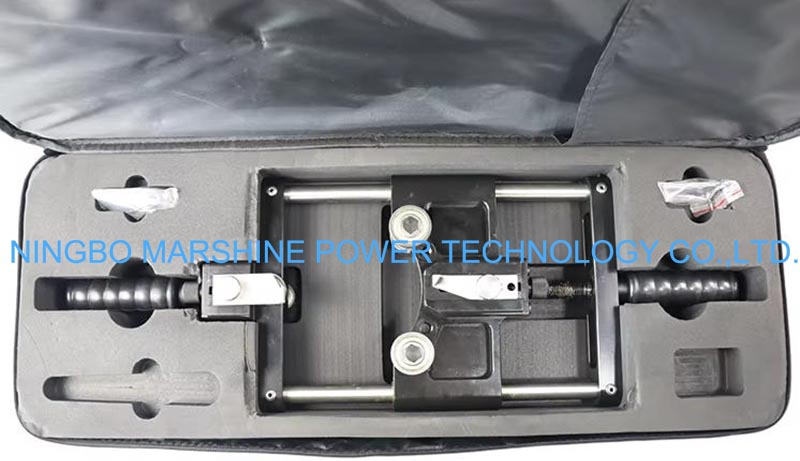
When working with modern power grids, preparing high-voltage cables isn't just a routine chore; it's a sensitive operation where extreme precision dictates system reliability. A specialized cable insulation stripping tool cleanly removes the outer jacket, XLPE insulation, and semiconductor layers without nicking the underlying conductor. For cables operating from 10kV up to 220kV, leaving even a 0.1mm gouge on the core creates localized electrical stress. Over time, that scratch can lead to catastrophic joint failure and expensive emergency repairs. Today's stripping tools feature micrometer-adjustable blade depths and heavily textured ergonomic grips, ensuring the operator maintains absolute control over the cutting path, even in damp conditions.
Core Use Cases
Field technicians rely heavily on these devices during cable splicing, terminating, and routine maintenance of aerial and underground lines. Whether crews are laying fresh grid infrastructure or repairing a transmission bottleneck in a muddy trench, they need equipment that adapts to varying environments. Standout product features in these tough scenarios include ratcheting handles designed for tight workspaces and spiral-cut capabilities that allow the tool to seamlessly peel away thick insulation jackets. By minimizing physical exertion, these tools help crews maintain high work quality.
Key Product Basics
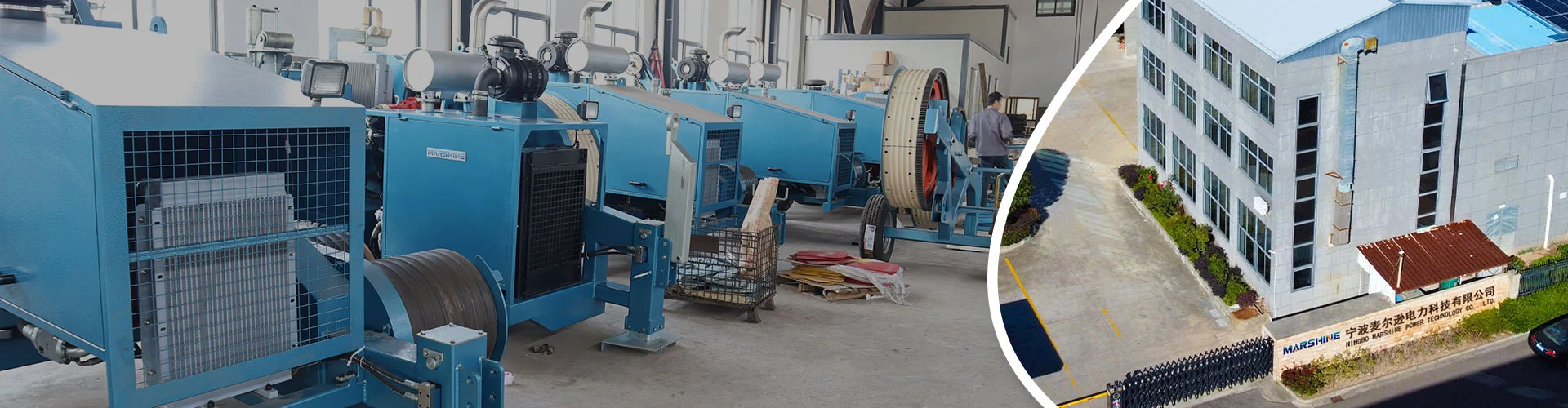
At its core, a reliable stripping device grips the cable securely while a hardened steel blade slices through tough XLPE or EPR layers. Many high-quality models integrate a highly precise semiconductor layer stripper function. Removing a bonded semiconductor layer often requires scraping tools that shave the material at an exact 0.05mm pitch to avoid leaving conductive residue. Manufacturers like Ningbo Marshine Power Technology Co., Ltd. design these tools with the end-user's daily operational needs in mind. They offer these strippers as part of a massive catalog of over a thousand kinds of circuitry construction tools across 20 series. Their designs emphasize safe, easy handling to meet the non-stop demands of modern grid construction.
How High-Voltage Stripping Tools Improve Safety
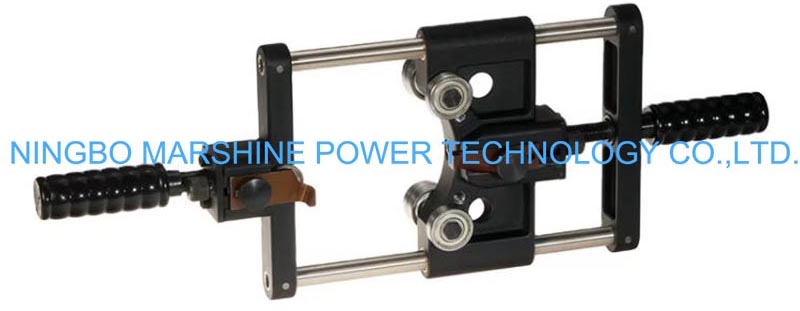
The primary reason utility crews are abandoning traditional utility knives comes down to workplace safety and grid integrity. Manual stripping requires pulling a razor-sharp blade toward the body, historically accounting for a significant portion of severe lineman hand injuries. Furthermore, specialized tools mitigate the invisible danger of partial discharge. If a high-voltage line running at 35kV suffers micro-scratches during manual preparation, the resulting corona discharge can degrade the joint within months. Modern stripping tools eliminate these physical and electrical risks through engineered product features like enclosed blade housings, automated feed mechanisms, and friction-reducing rollers.
Safety Features
A dedicated high-voltage stripping tool keeps the cutting edge fully engaged with the cable material, far away from the operator's hands. Excellent safety features like spring-loaded tensioners maintain consistent pressure against the cable, preventing the blade from skipping or violently kicking back. Additionally, many tools incorporate a calibrated depth stop. This guarantees the blade never breaches the specified insulation thickness, neutralizing the risk of conductor damage while saving the operator from repetitive strain injuries. This built-in precision ensures every single cut is identical.
Performance Comparison
Upgrading your crew to a specialized HV cable peeling tool drastically changes both the efficiency and the safety profile of cable preparation. Crews that make the switch report significant reductions in both material waste and recordable safety incidents.
| Metric | Traditional Utility Knife | Specialized Stripping Tool |
|---|---|---|
| Prep Time per Joint | 15 - 20 minutes | 3 - 5 minutes |
| Defect Rate (Core Nicks) | High (~15%) | Near Zero (<1%) |
| Laceration Risk | Severe | Minimal (Enclosed Blade) |
| Depth Precision | Operator Dependent | Calibrated (up to 0.1mm) |
What Buyers Should Evaluate Before Choosing
Procuring the right equipment means looking beyond the basic price tag and understanding exactly how the tool fits into daily field operations. Buyers need to evaluate technical specifications, operational lifespans, and the logistical realities of their chosen suppliers. A highly versatile, quality tool should easily handle cable outer diameters ranging from 15mm up to 130mm. Buyers should also factor in standard lead times, which typically hover around 2 to 4 weeks for bulk orders, and minimum order quantities (MOQs) when outfitting a large utility crew. The best tools on the market feature modular designs, allowing crews to simply replace the cutting head rather than throwing away the entire unit.
Selection Criteria
When assessing different models, blade durability and capacity adjustability are non-negotiable. Look for tools utilizing premium hardened alloy steel blades rated for at least 500 to 1,000 cuts through dense XLPE before requiring replacement. Essential product features should include smooth roller bearings for frictionless rotation and quick-release mechanisms to swap out dull blades right in the field. A tool that struggles to maintain a uniform cutting angle will ultimately cost your operation thousands of dollars in ruined cable joints and wasted man-hours.
Compliance and Supplier Review
Finally, the manufacturer's quality management system is just as crucial as the tool's physical specs. Reputable suppliers adhere to strict manufacturing standards to ensure every batch performs reliably in climates ranging from -20°C to 40°C. For example, MARSHINE operates strictly under the GB/T19001-2008 quality system certification. Their core philosophy—"science and technology-oriented, the user's demand is our pursuit, customer satisfaction is our promise"—translates directly into a complete after-sales tracking system. By focusing on customer-oriented service, they have established a phenomenal reputation. Partnering with a manufacturer that genuinely prioritizes "quality first, users first" ensures your crews are equipped with safe, top-tier tools.
Further reading:
Key Takeaways
- The most important conclusions and rationale for cable insulation stripping tool
- Specs, compliance, and risk checks worth validating before you commit
- Practical next steps and caveats readers can apply immediately
Frequently Asked Questions
Why is a dedicated high-voltage cable insulation stripping tool safer than a utility knife?
It uses enclosed blades, controlled feed, and depth stops to reduce hand cuts, kickback, and conductor nicks that can trigger partial discharge.
What voltage range can these cable stripping tools handle?
Many models are used for 10kV to 220kV cable preparation, depending on the cable diameter, insulation type, and tool specification.
How does precise blade depth improve joint reliability?
Micrometer or calibrated depth settings help avoid even tiny core scratches, which can create electrical stress and lead to premature joint failure.
Where are these stripping tools commonly used in the field?
They are commonly used for cable splicing, terminations, and maintenance on underground and aerial power lines, especially in tight or muddy job sites.
What should buyers compare before ordering from cable-winch.com?
Check supported cable sizes, insulation materials like XLPE or EPR, semiconductor stripping capability, blade adjustment accuracy, and handle design for confined spaces.