

Introduction
Selecting a remote hydraulic crimping tool for cable work affects more than convenience: it influences connection quality, operator safety, and how efficiently crews can work in trenches, buckets, and other confined areas. The best choice depends on conductor size, required crimping force, head design, hose and pump configuration, and how well the tool holds up in harsh field conditions. This article explains the practical features that matter most, how remote systems differ from self-contained crimpers, and what to check before buying so you can match the tool to your applications, workload, and jobsite demands.
Why the right remote hydraulic crimping tool matters
When you are out in the field working on high-voltage lines or heavy-duty underground cables, the gear you bring determines how smoothly the job goes. A reliable remote hydraulic crimping tool is an absolute necessity for ensuring strong, conductive, and long-lasting connections without putting the operator in awkward or dangerous positions.
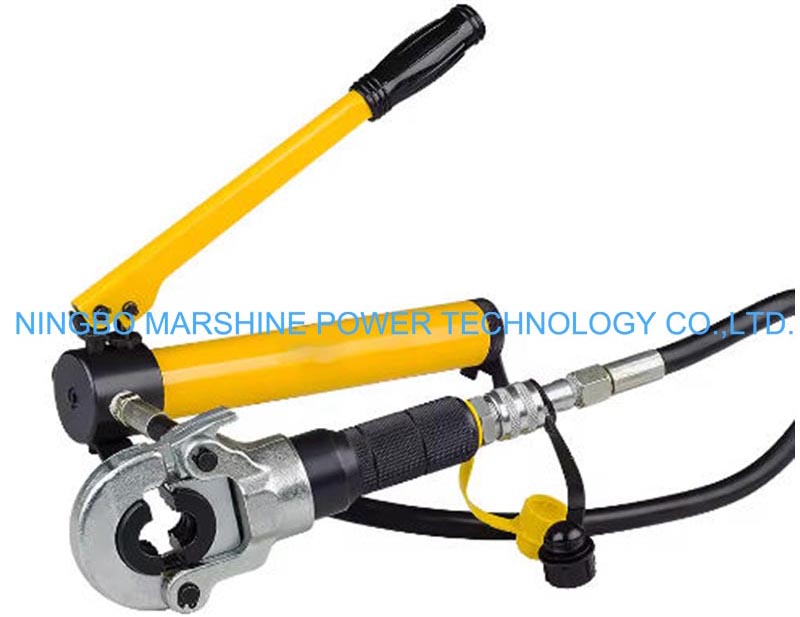
Unlike self-contained crimpers, a remote setup separates the heavy hydraulic pump from the actual crimping head. This specific product feature drastically reduces the physical strain on the operator, allowing for pinpoint precision in tight spaces while still delivering the massive force required to terminate large-gauge conductors.
Key applications and operating contexts
These tools really shine across a wide variety of demanding environments. Whether your crew is tackling foundation construction, tower group lap wiring, standard cable construction, or delicate optical cable installations, having a tool that adapts to the environment is key. The remote design means you can snake a high-pressure hose into a trench or lift just the lightweight head up in an aerial bucket, keeping the bulky power unit safely on the ground.
Top-tier tools are built to withstand harsh outdoor conditions. The standard operating pressure for a professional-grade remote system sits around 10,000 psi (700 bar), which provides the raw power needed to punch through tough copper and aluminum lugs. Features like quick-disconnect couplers and 360-degree swivel hose fittings ensure that the equipment remains highly maneuverable, no matter how complex the operating context gets.
Core risks of choosing the wrong tool
Grabbing the wrong tool for the job isn't just a minor inconvenience; it is a major safety and reliability hazard. If a crimper lacks the necessary tonnage or stroke length, you end up with under-crimped connections. These loose joints create micro-arcing and dangerous hot spots, which can spike electrical resistance by up to 40% and eventually lead to a catastrophic thermal failure on the grid.
On the flip side, using an overly aggressive tool with the wrong die set can crush and fracture delicate conductor strands. Over-crimping compromises the mechanical integrity of the cable, making it highly susceptible to snapping under physical wind tension or seasonal temperature fluctuations. Choosing a tool with built-in safety relief valves and exact die matching is the only way to avoid these costly defects.
How to compare remote hydraulic crimping tool specifications
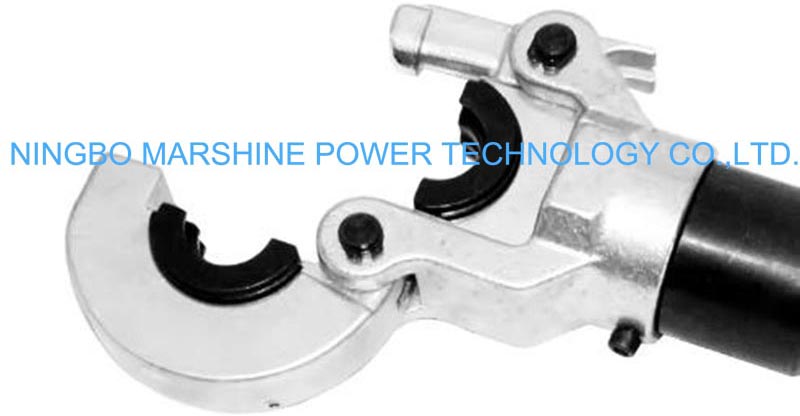
Comparing specifications is where the rubber meets the road. You need to look past the marketing jargon and focus on the numbers that actually dictate how the tool will perform on your specific job site. Key features like output force, maximum stroke, and head geometry determine exactly what kind of hardware you can safely install.
Force, conductor capacity, and head configuration
The three most critical specs to match up are the tonnage, the maximum wire cross-section, and the physical shape of the head. C-heads are great for quickly slipping over continuous runs, while closed or flip-top heads offer more rigidity for extreme high-tonnage applications.
| Output Force | Max Conductor Capacity | Typical Head Design | Best Field Application |
|---|---|---|---|
| 12 to 15 Tons | Up to 400 mm² | C-Head | General distribution lines, tight panels |
| 25 to 30 Tons | Up to 630 mm² | Closed / Flip-Top | Standard transmission lines |
| 45+ Tons | 1000+ mm² | Double-Acting Split | Heavy underground, substation busbars |
Always verify that the tool's maximum capacity comfortably exceeds your daily requirements. Pushing a 12-ton tool to its absolute 400 mm² limit on every single crimp will drastically shorten its lifespan and increase the likelihood of internal seal blowouts.
Performance trade-offs that affect field use
In the real world, every spec comes with a trade-off. A massive 45-ton head might handle the thickest substation cables, but it is going to be incredibly heavy and slow to cycle. If your crew is doing dozens of repetitive crimps up on a pole, speed and ergonomics matter just as much as raw power.
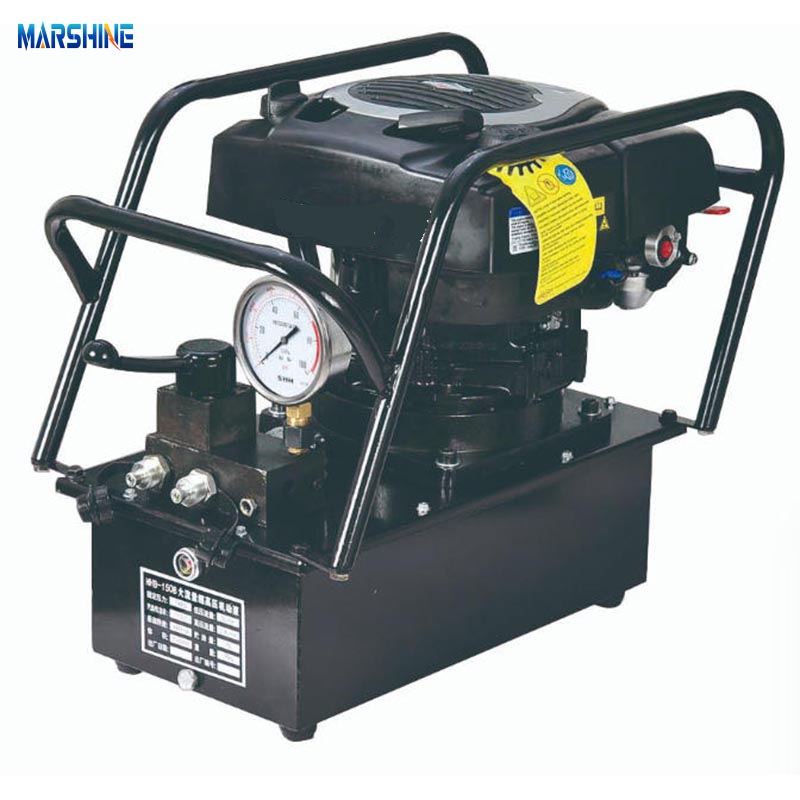
This is exactly why opting for a separate hydraulic crimping head makes so much sense for overhead work. By leaving the 15 kg electric or gas-powered pump on the ground, the lineman only has to maneuver a 4 to 6 kg head. You trade the convenience of a single-unit tool for a massive upgrade in ergonomics and reduced operator fatigue, which directly translates to cleaner, more accurate crimps.
How to evaluate suppliers and make the final selection
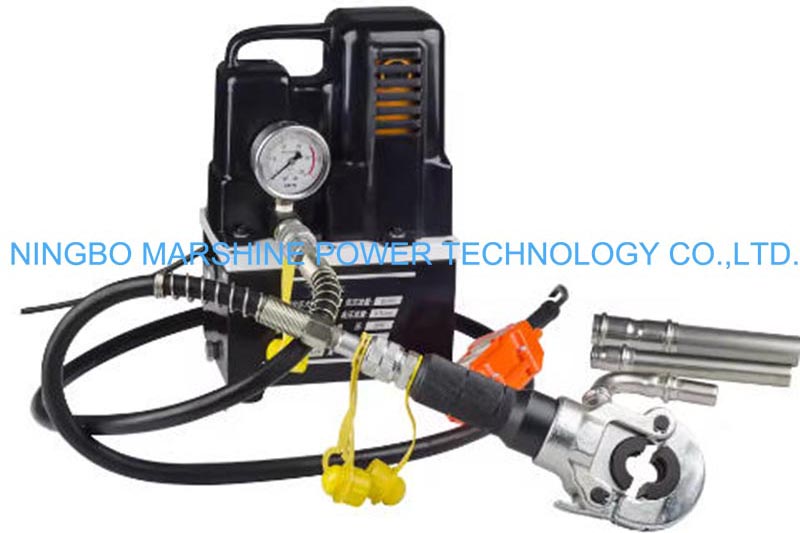
Once you know the specs you need, the final hurdle is picking the right manufacturing partner. You aren't just buying a piece of metal; you are investing in an ecosystem of dies, pumps, hoses, and long-term technical support. A great supplier makes all the difference when a tool needs recalibration or a specific replacement die in the middle of a major project.
Supplier capability, product range, and support
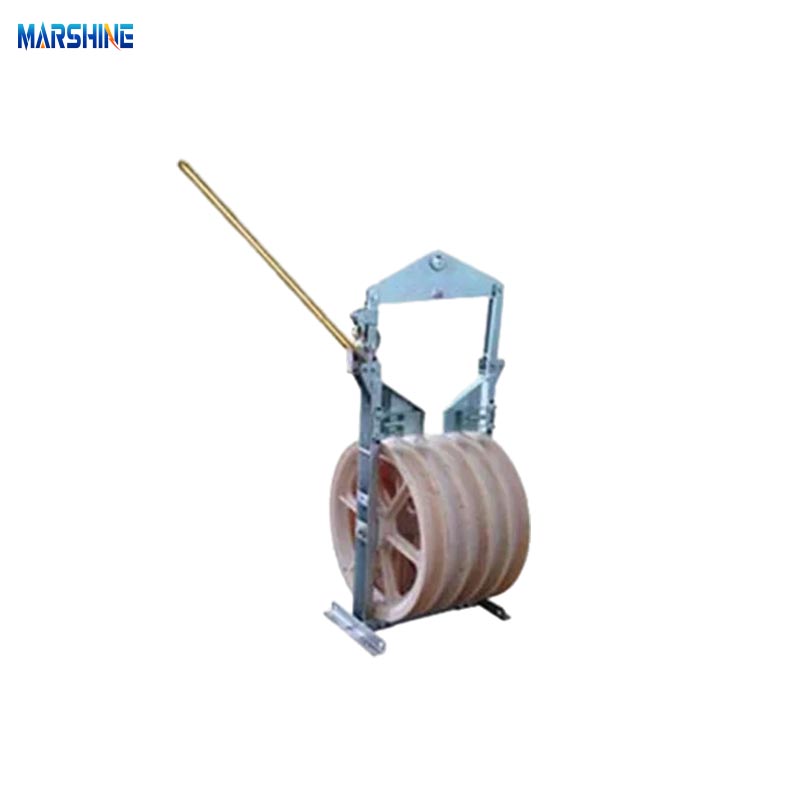
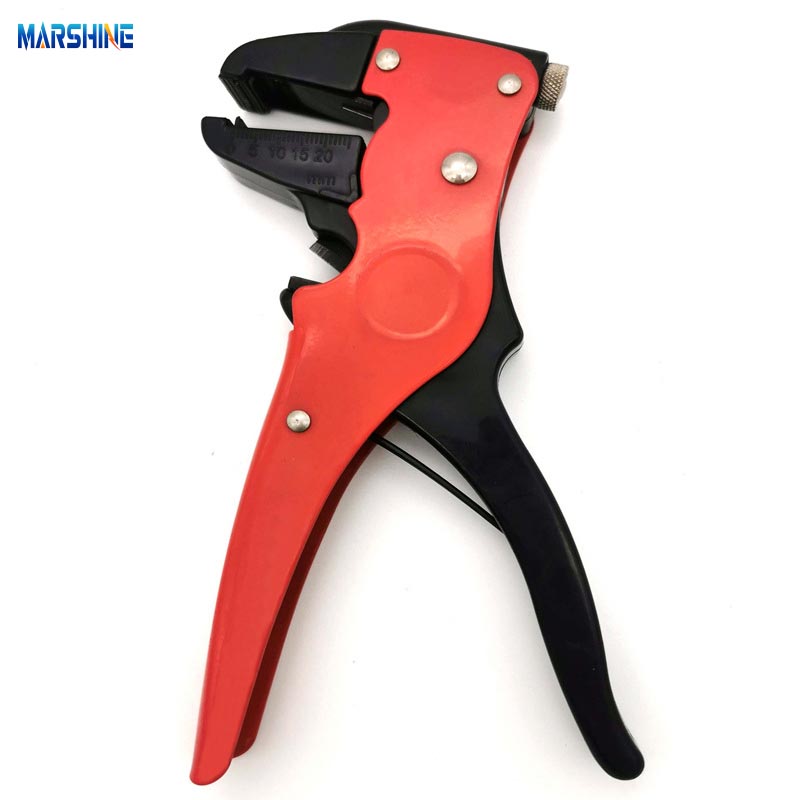
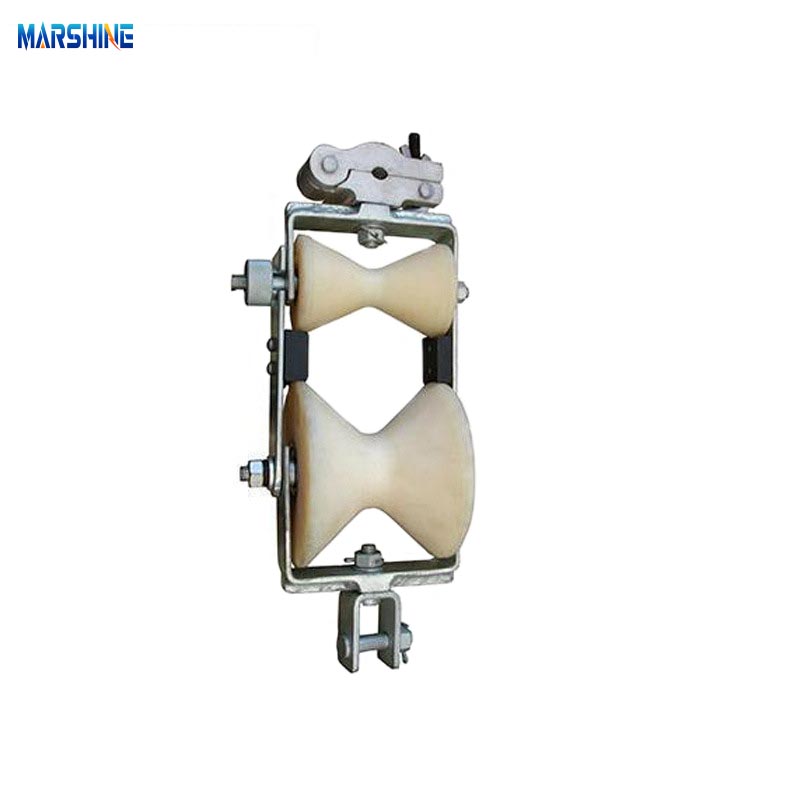
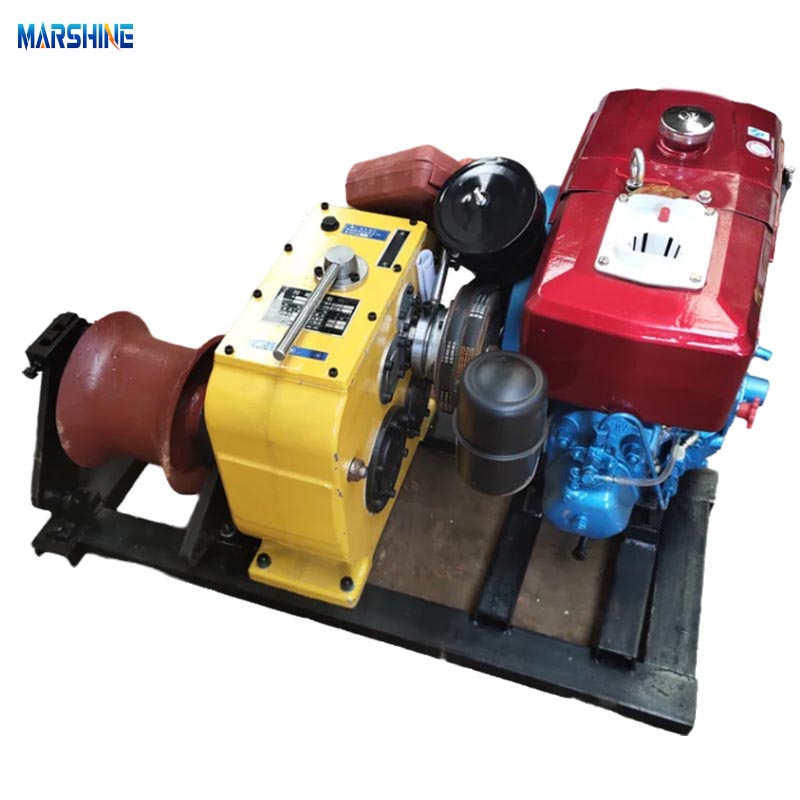
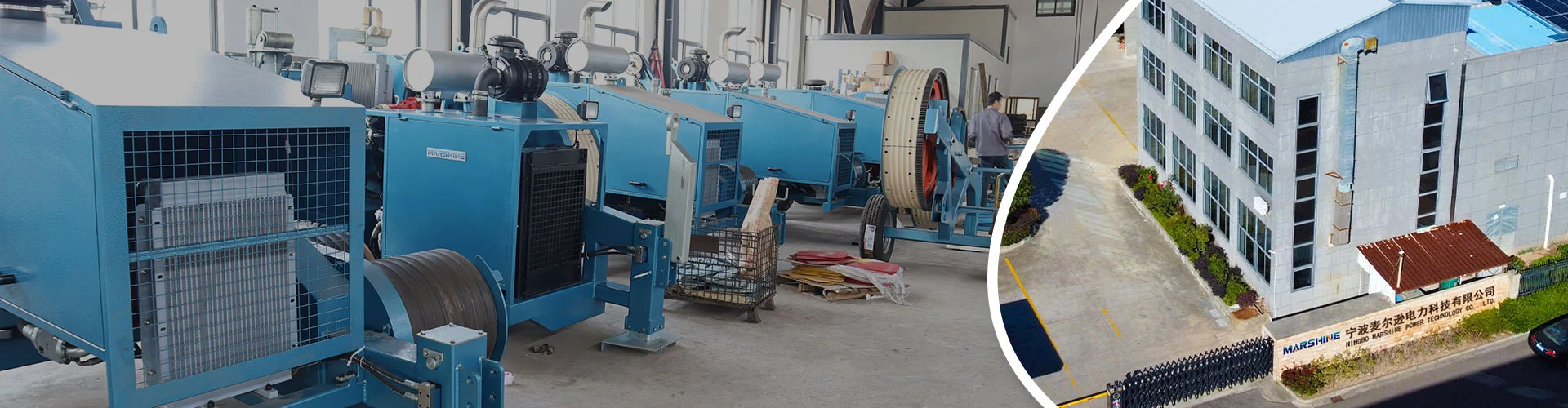
You want to look for suppliers that have a massive, proven footprint in power circuitry construction. For example, [MARSHINE](https://www.cable-winch.com/) produces over a thousand kinds of tools spanning 20 different series. Their catalog covers everything from hydraulic puller tensioners, cable winches, and stringing pulley blocks, to cable drum trailers, aerial and underground cable tools, and heavy-duty pulley systems.
Working with a supplier that offers a full series of high-technology equipment means you get reliable quality across the board. If you buy a hydraulic crimping head from a company that also manufactures cable conveyors, gin poles, and double-hook tight line devices, you know they intimately understand the realities of line work. Look for partners that offer at least a 12-month warranty and guarantee fast availability for spare parts like O-rings and custom die sets.
Step-by-step tool selection process
To make your final selection, follow a strict step-by-step evaluation of your required tonnage, head configuration, and the supplier's long-term support capabilities.
Further reading:
Key Takeaways
- The most important conclusions and rationale for remote hydraulic crimping tool
- Specs, compliance, and risk checks worth validating before you commit
- Practical next steps and caveats readers can apply immediately
Frequently Asked Questions
What tonnage should I choose for a remote hydraulic crimping tool?
Match tonnage to your largest daily conductor. Common ranges are 12–15 tons for up to 400 mm², 25–30 tons for up to 630 mm², and 45+ tons for 1000+ mm² work.
Why use a remote hydraulic crimping tool instead of a self-contained crimper?
A remote setup keeps the pump off the tool head, reducing weight in buckets, trenches, and tight panels while still delivering up to 10,000 psi for large cable lugs.
Which head style is best for cable work?
Use a C-head for faster access on continuous runs and tight spaces. Choose a closed or flip-top head when you need more rigidity for higher-tonnage or larger conductor applications.
How can I avoid bad crimps in field cable installations?
Use the correct die set, confirm the tool capacity exceeds the conductor size, and choose a model with a safety relief valve. This helps prevent under-crimping, strand damage, and overheating.
What features matter most when buying from cable-winch.com?
Prioritize 700 bar compatibility, quick-disconnect couplers, 360-degree swivel fittings, suitable crimping head capacity, and hose reach that fits your trench, pole, or underground cable workflow.