

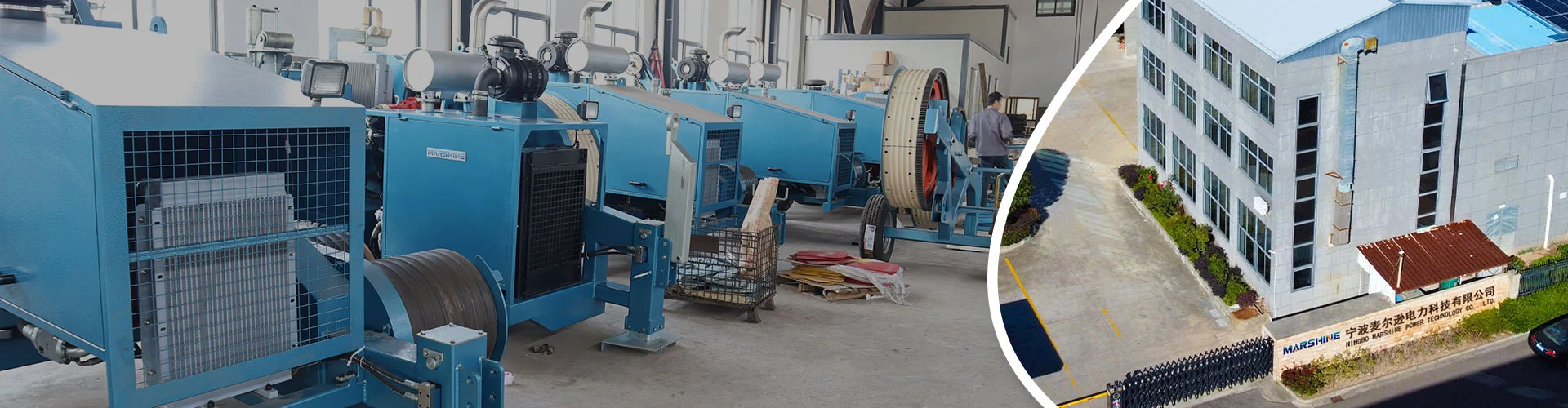
Introduction
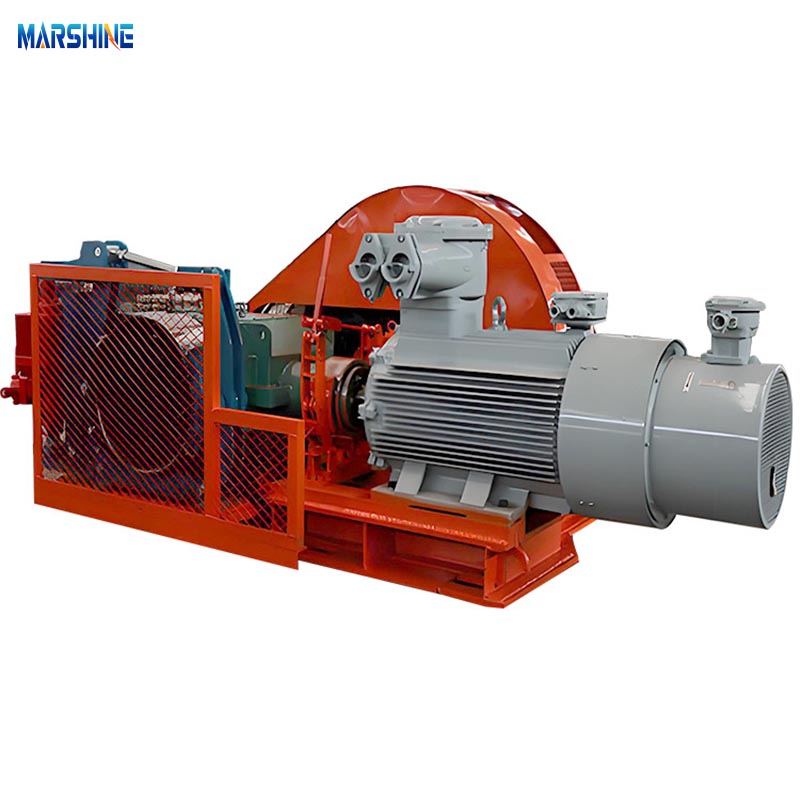
Modern line stringing demands more than raw pulling force; it requires steady tension, precise control, and reliable performance across long, challenging routes. A cable hauling machine addresses these needs by mechanizing conductor pulling, reducing manual strain, and helping crews protect expensive cable from damage during installation. This article explains how the machine improves efficiency, safety, and cable handling quality, while also showing which performance factors matter most when comparing equipment. With that context, it becomes easier to see why cable hauling machines play a central role in faster, cleaner, and more dependable transmission line projects.
Why a cable hauling machine matters in modern line stringing
Stringing modern transmission lines is a demanding task. As global infrastructure projects push toward higher capacities, often handling 500kV or even 800kV ultra-high-voltage networks, relying on basic tools is no longer sufficient. A dedicated cable hauling machine provides continuous, stable pulling power that manual labor simply cannot match.
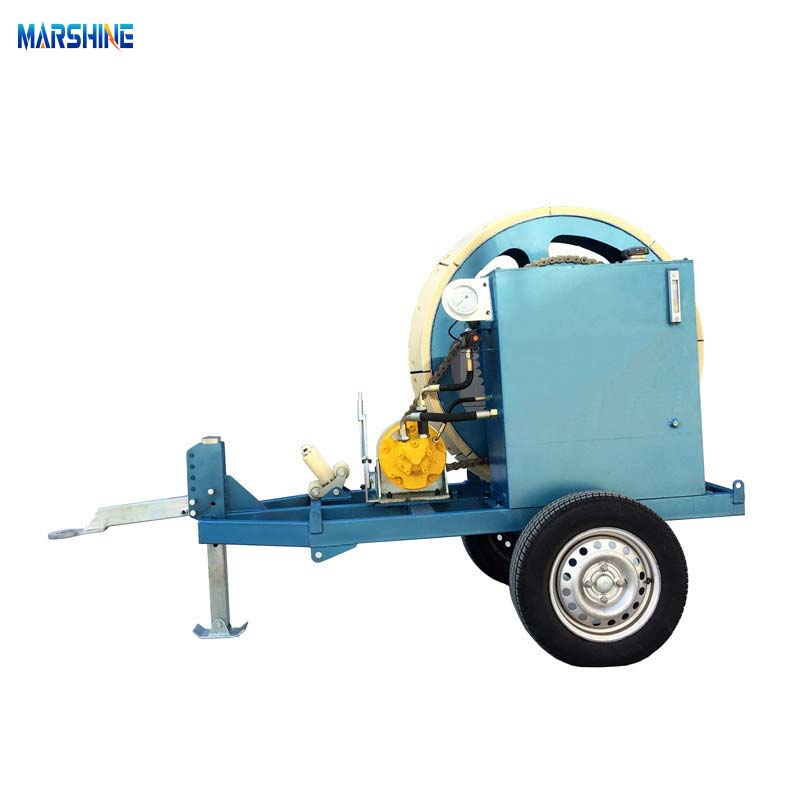
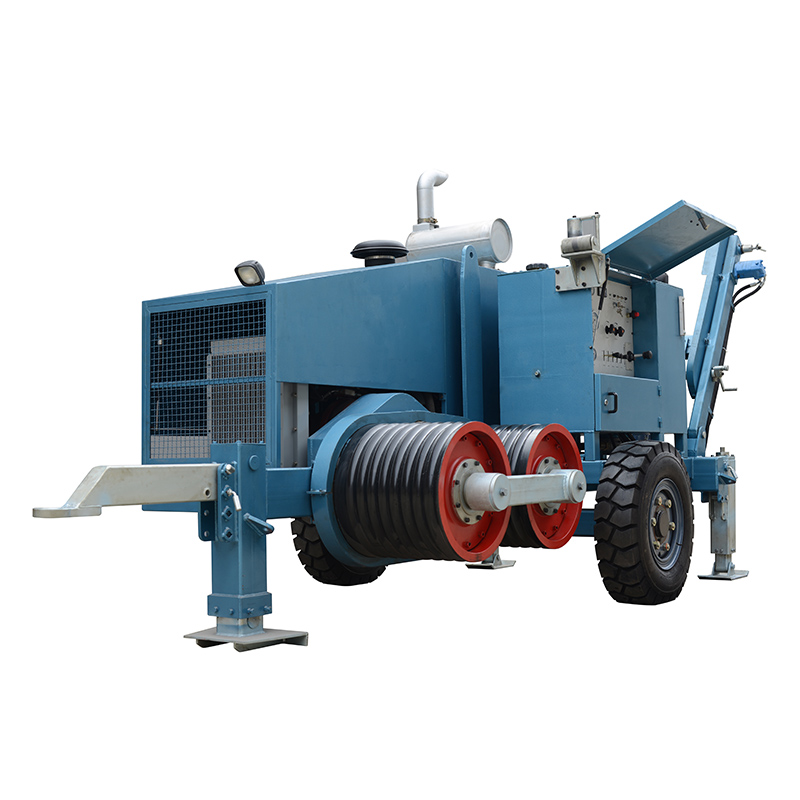
These machines feature heavy-duty closed-loop hydraulic systems and robust water-cooled diesel engines, turning what used to be a logistical nightmare into a highly streamlined operation. By mechanizing the heaviest parts of the workflow, contractors can maintain strict project timelines while dramatically reducing the physical strain on their ground crews.
How it improves line stringing
The primary advantage lies in how these machines maintain consistent tension across massive distances. Instead of letting expensive conductors drag across rough ground or sag dangerously between transmission towers, advanced overhead conductor hauling equipment keeps the line elevated and perfectly taut.
Key product features like synchronized tensioning valves and anti-twist wire ropes ensure the cable doesn't warp, scratch, or fray during installation. This mechanical precision directly translates to fewer micro-cracks in the conductor core, preserving the electrical and structural integrity of the entire grid.
Key specifications to evaluate
When reviewing specifications, certain metrics are critical. Pulling force is the primary indicator, typically ranging from a modest 40 kN for lighter distribution work up to a massive 250 kN for heavy, multi-bundled transmission lines. It is also essential to evaluate the bull wheel diameter, often sitting between 400mm and 700mm, which dictates the safe bend radius the cable experiences under heavy load.
Manufacturers like MARSHINE, who operate under the rigorous GB/T19001-2008 quality management system, build these precise specs into machines designed to handle daily abuse. High-quality wear-resistant nylon or aluminum wheels further protect the cable, ensuring that the heavy-duty performance doesn't come at the cost of material damage.
Cable hauling machine vs manual pulling
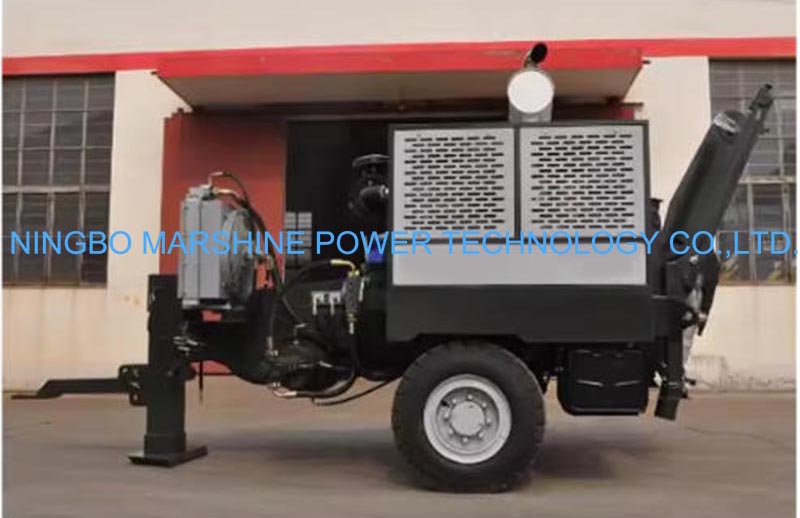
Historically, crews relied heavily on manual labor and makeshift winches to elevate lines. Today, a modern cable hauling machine vastly outperforms manual pulling. Manual methods simply cannot keep up with the aggressive timelines and strict safety regulations of modern grid expansion.
Mechanized haulers come packed with automated braking systems, digital control interfaces, and real-time load monitoring. These integrated features fundamentally change the pace and safety profile of the job site, allowing crews to work smarter rather than harder.
Main comparison points
To understand the leap in efficiency, consider the side-by-side performance metrics. Mechanized equipment fundamentally changes the calculations for labor, speed, and overall project costs.
| Metric | Manual Pulling | Cable Hauling Machine |
|---|---|---|
| Average Speed | < 1 km/h | 2.5 to 5.0 km/h |
| Crew Size | 10+ personnel | 2 to 4 operators |
| Max Tension | < 10 kN (inconsistent) | Up to 250+ kN (precise) |
| Conductor Defect Rate | High (dragging/snagging) | < 1% (continuous tension) |
Looking at the data, a standard machine easily outpaces a manual crew while requiring a fraction of the manpower. This shift allows site managers to reallocate workers to other critical tasks, boosting overall site productivity.
Performance and safety differences
Beyond accelerating the workflow, the safety upgrades are substantial. Manual pulling introduces unpredictable tension spikes, which can snap lines or cause severe injuries to ground personnel. Modern line pulling equipment eliminates this unpredictability.
These machines feature automatic spring-applied, hydraulic-released brakes that instantly lock the line if system pressure drops. This means if an engine stalls or a hose fails, the machine holds the load completely secure. This fail-safe mechanism drops the risk of catastrophic runaway cables to near zero, keeping the operators safely behind a control panel instead of in the line of fire.
How to choose the right cable hauling machine
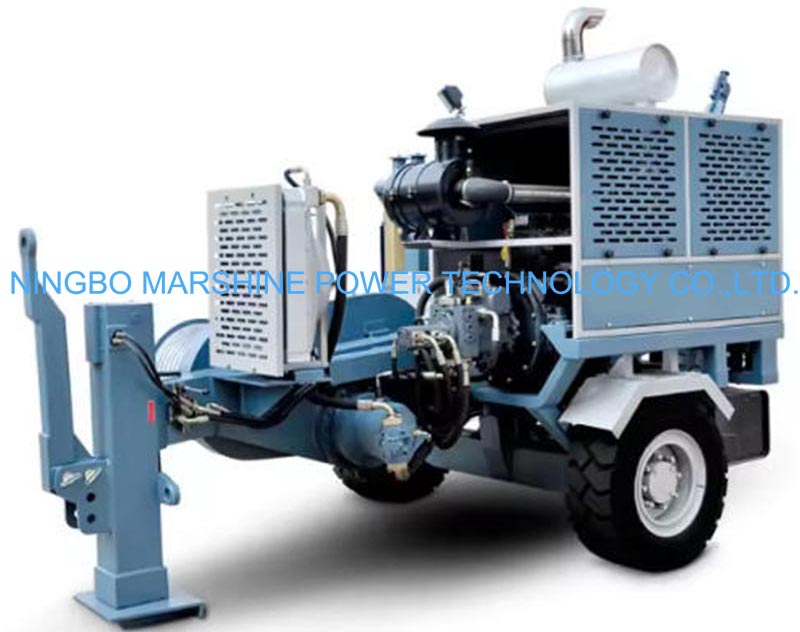
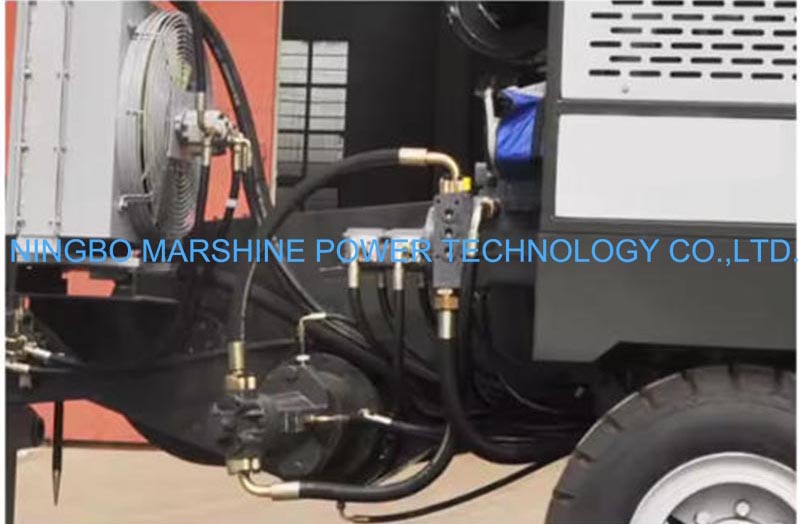
Selecting the right equipment for a grid project requires more than reviewing a spec sheet. The machine must match the terrain, cable type, and operational environment. Whether navigating mountainous regions or flat desert plains, features like trailer-mounted mobility and advanced cooling systems for continuous operation are essential.
While the standard Minimum Order Quantity (MOQ) for this heavy machinery is usually just 1 unit, custom configurations can push manufacturing lead times anywhere from 30 to 60 days. Because of this, planning ahead and knowing exactly what features you need is crucial for keeping your project on schedule.
Practical selection steps
Start by evaluating the specific demands of your typical projects. Are you pulling lightweight optical ground wires (OPGW) or heavy aluminum conductor steel-reinforced (ACSR) cables? Lighter fiber optic cables might only need a nimble 30 kN to 40 kN machine, while bundled ACSR setups demand heavy-duty, multi-groove bull wheels to prevent slippage.
You also need to factor in the environmental conditions. Reliable heat dissipation systems and oversized hydraulic oil coolers are must-have features if your crews operate in high-temperature climates. Overheating mid-pull can cause costly delays, so ensuring the machine has adequate thermal management is a top priority.
Final decision criteria
The final call usually comes down to vendor reliability and the broader ecosystem of tools they offer. A hauling machine is only as good as the after-sales support, spare parts availability, and quality tracking behind it.
Partnering with a dedicated manufacturer that provides a full suite of circuitry construction tools—from transmission stringing blocks to hydraulic crimpers—ensures compatibility across your entire fleet. Ultimately, investing in certified, feature-rich hauling equipment guarantees lower maintenance costs, fewer project delays, and a vastly improved bottom line over the machine's operational lifecycle.
Further reading:
Key Takeaways
- The most important conclusions and rationale for cable hauling machine
- Specs, compliance, and risk checks worth validating before you commit
- Practical next steps and caveats readers can apply immediately
Frequently Asked Questions
What does a cable hauling machine do in line stringing?
It pulls conductors with steady hydraulic tension, keeping the line elevated and controlled to reduce dragging, snagging, and conductor damage during installation.
How is a cable hauling machine better than manual pulling?
It delivers higher, more consistent tension, faster stringing speeds, smaller crew needs, and safer operation with braking and load monitoring.
Which specifications matter most when choosing a cable hauling machine?
Focus on pulling force, bull wheel diameter, braking system, cooling method, and wheel material. Match these to conductor size, terrain, and daily duty cycle.
What pulling force should I select for my project?
Light distribution work may use around 40 kN, while heavy transmission or bundled conductors can require up to 250 kN. Choose based on line type and span demands.
Can I buy a single cable hauling machine from cable-winch.com?
Yes. For heavy equipment, the standard MOQ is usually 1 unit. Confirm the exact model, configuration, and delivery details directly with the supplier.