

Introduction
For manufacturers handling frequent wire terminations, ferrule quality depends on more than operator skill. An industrial cable pressing machine applies controlled, repeatable force that helps produce tighter crimps, fewer defects, and more reliable electrical connections across varying wire sizes. It also reduces the inconsistency, fatigue, and slower cycle times common with manual tools, especially in higher-volume environments. This article explains how these machines improve ferrule crimping in practical terms, including the impact on precision, throughput, changeover speed, and overall production efficiency, so you can better judge when this equipment is worth the investment.
Why Industrial Cable Pressing Machines Matter for Ferrules
When you are dealing with high-volume wire terminations, an industrial cable pressing machine makes all the difference. Moving away from manual hand tools to automated or semi-automated pressing equipment completely changes the game for ferrule crimping. Instead of relying on operator grip strength, these machines deliver consistent, high-tonnage hydraulic or pneumatic force.
A standout feature of these modern units is their ability to automatically adjust to different ferrule profiles, effortlessly handling massive wire cross-sections up to 400 mm² while keeping defect rates well below the industry benchmark of 0.1%.
Core Benefits in Ferrule Crimping
The biggest advantage here is raw consistency. Every time the machine cycles, it applies the exact same pressure across the ferrule sleeve, eliminating the cold joints and loose wires that plague manual operations. With features like quick-change interchangeable dies, operators can swap between wire gauges in seconds.
This level of efficiency regularly cuts processing times by up to 60% compared to standard manual ratcheting tools. It drives up throughput without burning out your assembly team, making it a critical upgrade for any serious production floor.
Key Comparison Criteria
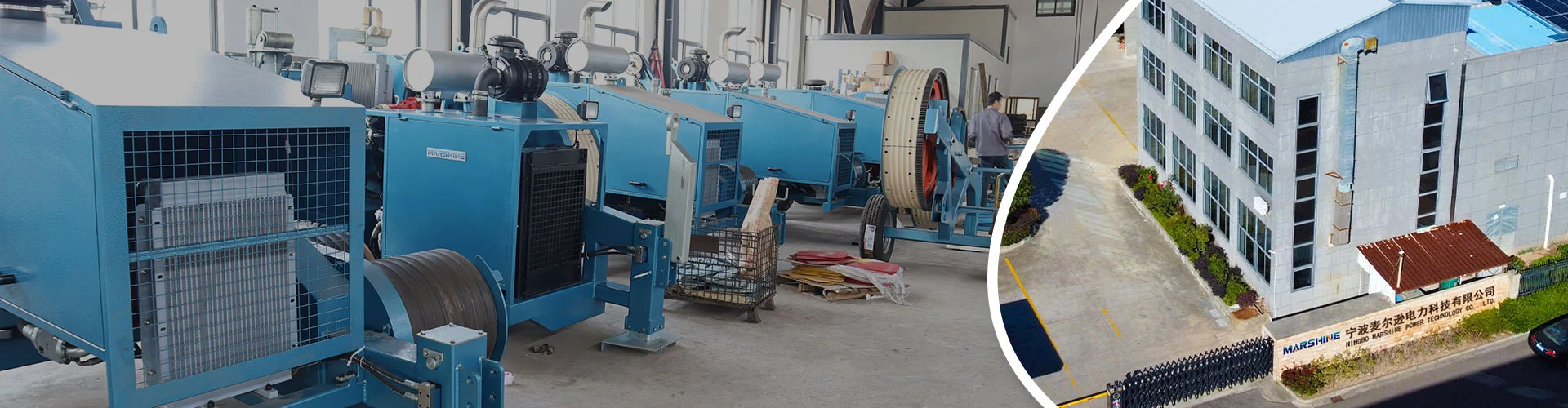
When comparing your options, it usually comes down to production volume and power delivery. Manual tools are fine for occasional repairs, but industrial setups require pneumatic or hydraulic power to maintain speed and reduce fatigue. Companies like Ningbo Marshine Power Technology Co., Ltd. build their equipment around the philosophy that science and technology should directly serve the user's demands, ensuring their tools hold up under heavy daily use.
| Tool Type | Power Source | Max Wire Size (mm²) | Typical Output (Crimps/Hour) |
|---|---|---|---|
| Manual Ratchet | Human Hand | 16 | 150 - 200 |
| Pneumatic Press | Compressed Air | 50 | 800 - 1,200 |
| Hydraulic Press | Electric/Hydraulic | 400+ | 400 - 600 (Heavy Duty) |
How Industrial Cable Pressing Machines Improve Ferrule Crimping
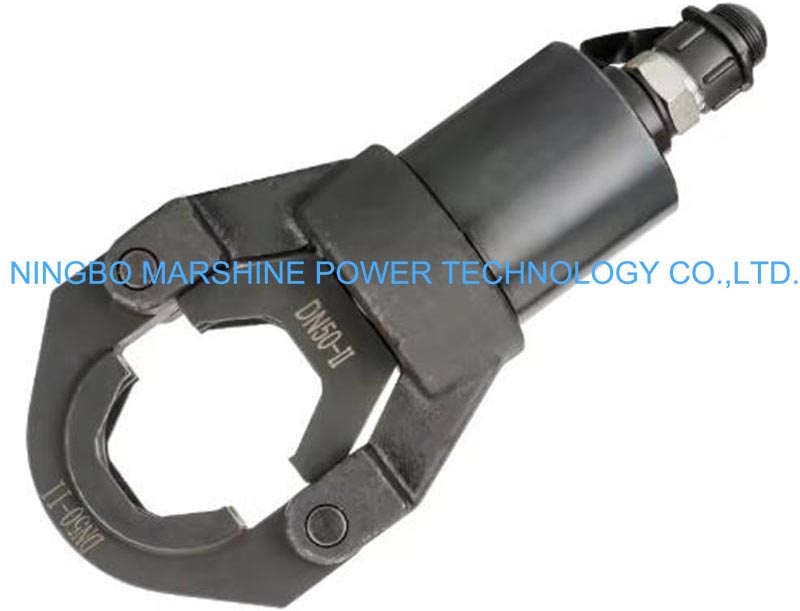
To understand how these machines elevate your workflow, you need to look at the mechanics behind the crimp. An industrial cable pressing machine works by translating fluid or air pressure into immense mechanical force, driving a precision die set into the ferrule.
A key product feature in these setups is the automatic pressure release valve, which ensures the die retracts exactly when the optimal crimp depth is reached. Operating pressures can easily hit 700 bar (10,000 psi), guaranteeing a gas-tight connection that locks out moisture and prevents oxidation inside the terminal.
Main Process Steps
The actual operation is straightforward but highly controlled. First, the wire is stripped to the exact length of the ferrule barrel. Once the ferrule is seated on the exposed strands, the operator positions it inside the die.
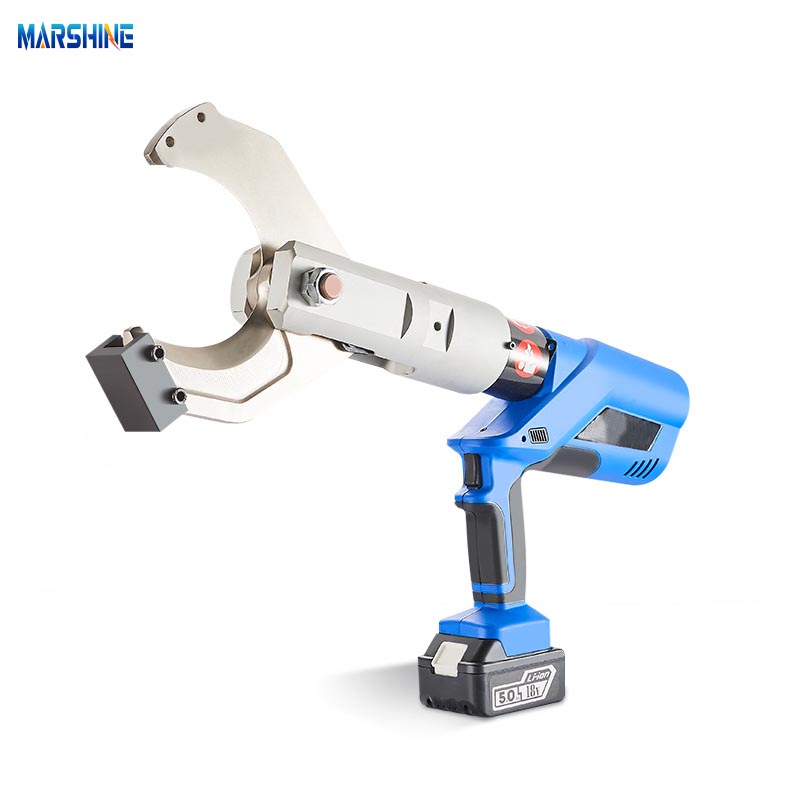
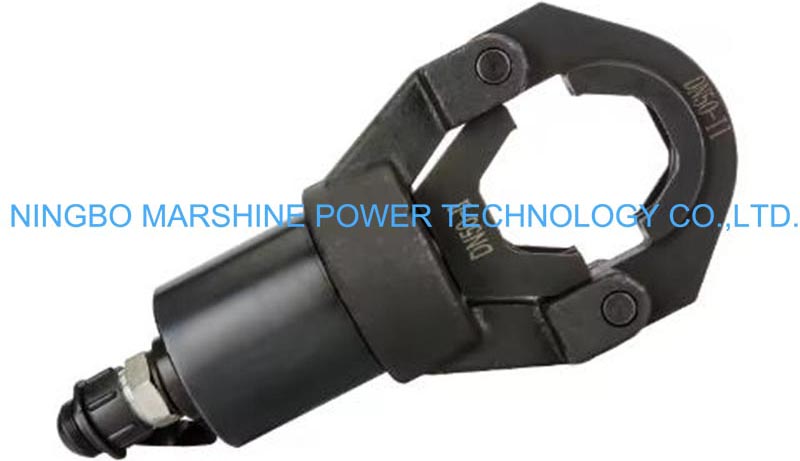
Using a foot pedal for hands-free control—a major feature of a modern hydraulic ferrule pressing tool—the machine initiates the crimp cycle. The dies close with uniform pressure, compressing the metal sleeve into the wire strands in a fraction of a second before automatically retracting for the next piece.
Compliance and Technical Requirements
Reliable crimping isn't just about making the wire stick; it is about meeting strict international compliance metrics like UL 486F and DIN 46228. For instance, a properly crimped 10 mm² wire ferrule must withstand a minimum pull-out force of 350 N. Achieving these numbers consistently requires rigorously tested equipment.
Manufacturers who pass heavy-duty certifications, like the GB/T19001-2008 quality system, prove their gear is up to the task. By continually developing advanced, safe, and easy-to-handle products, top-tier manufacturers ensure your connections pass inspection every single time, keeping power grid construction and daily operations running flawlessly.
How to Choose an Industrial Cable Pressing Machine
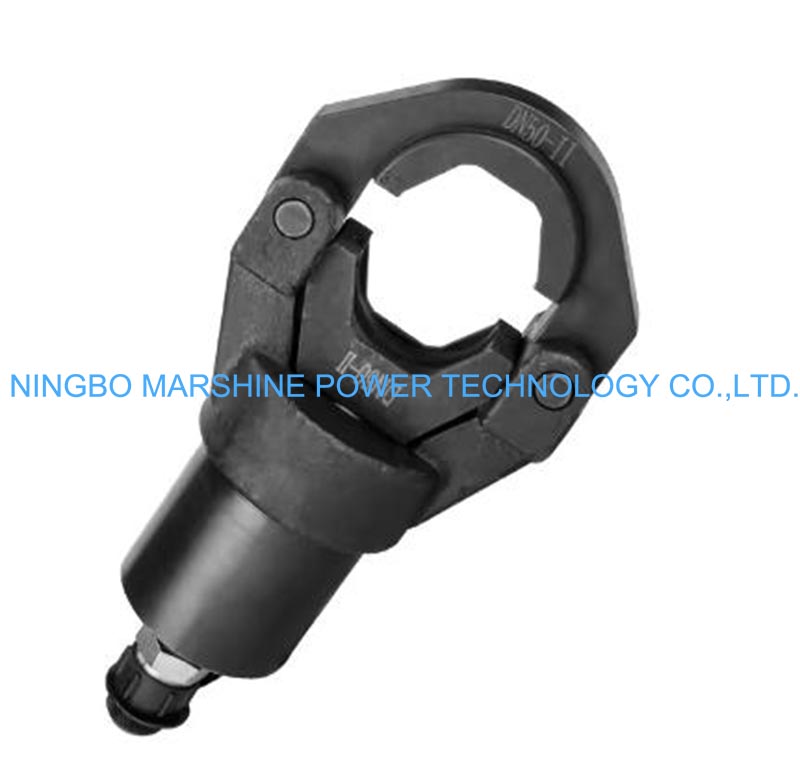
Picking the right machine for your shop floor involves matching the equipment's capabilities to your actual daily workload. Overbuying eats into your budget, while underbuying leads to bottlenecked production and premature equipment failure.
You want to look for machines featuring built-in cycle counters and predictive maintenance alerts, which are lifesavers for high-volume facilities. If your facility is pushing out 5,000+ crimps per day, calculating your return on investment based on cycle speed and reduced downtime becomes the most critical part of the buying process.
Evaluation Factors for Buyers
Start by evaluating the tonnage. A compact 5-ton press might be perfect for standard control panel wiring, but heavy power distribution lines will require 15-ton presses or larger. Next, look at the cycle time; a high-quality machine should complete a full crimp and retract cycle in just 2 to 3 seconds.
Also, verify die compatibility to ensure you aren't locked into excessively expensive proprietary die sets. Always prioritize advanced, safe, and easy-to-handle products that keep your operators protected while maintaining a brisk production pace.
Sourcing and Decision-Making Tips
Sourcing industrial equipment requires finding a partner who stands behind their hardware. You need a supplier with a complete after-sales system, including quality tracking and service monitoring. MARSHINE continues to promote an "integrity, development, and innovation" entrepreneurial spirit, offering more than a thousand kinds of tools across 20 series.
From cable pulling winches and fiberglass duct rodders to specialized hydraulic crimping tools, their deep catalog proves a lasting commitment to the power grid construction industry. Adhering to the "quality first, users first" philosophy ensures that the equipment you invest in today will keep your production lines running smoothly for years to come.
Further reading:
Key Takeaways
- The most important conclusions and rationale for industrial cable pressing machine
- Specs, compliance, and risk checks worth validating before you commit
- Practical next steps and caveats readers can apply immediately
Frequently Asked Questions
What does an industrial cable pressing machine improve in ferrule crimping?
It delivers repeatable pressure, faster cycle times, and more reliable gas-tight crimps than manual tools, especially in high-volume production.
How do I choose between pneumatic and hydraulic crimping machines?
Choose pneumatic for faster output on smaller ferrules, and hydraulic for larger cable sizes, higher force, and heavy-duty daily use.
What cable sizes can these machines typically handle?
Many industrial units handle ferrules from small control wires up to 400 mm², depending on the die set and machine design.
Which features should buyers check on cable-winch.com?
Focus on max crimping force, supported wire range, quick-change dies, foot pedal control, cycle counters, and automatic pressure release.
Why is automatic pressure release important for ferrule crimping?
It stops the cycle at the correct crimp depth, improves consistency, and helps prevent under-crimping or damage to the ferrule and conductor.