

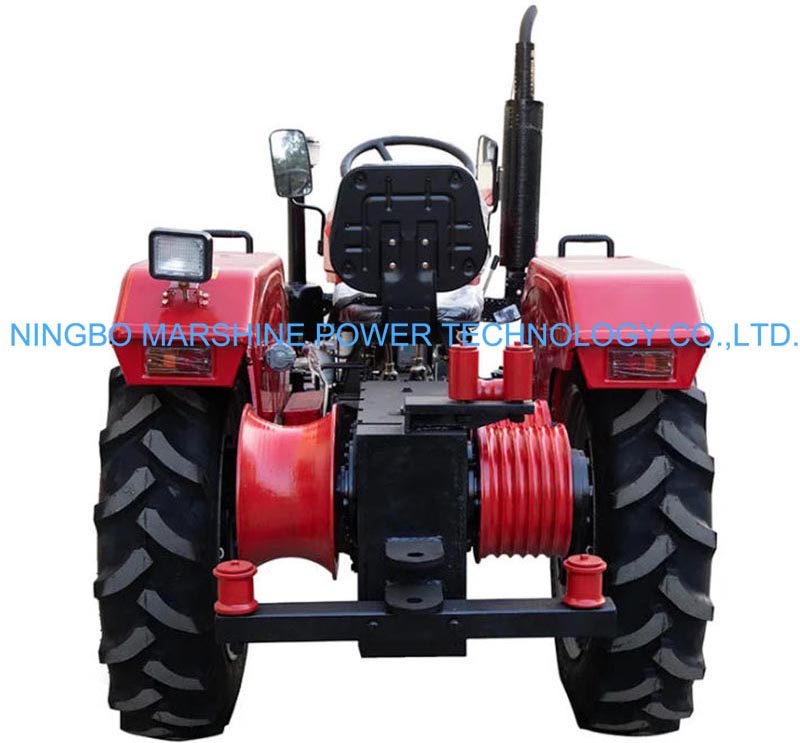
Cable installation projects are often won or lost in the minutes between pulls: setup delays, misaligned equipment, excess labor, and uncontrolled tension can quickly erode margins. Wheeled pulling equipment changes that equation by combining traction, mobility, and integrated controls on one chassis, allowing crews to move faster between access points while maintaining safer, more consistent cable handling. This article examines where mobile pullers deliver measurable value, including reduced setup time, leaner crew deployment, and pulling-force flexibility from light fiber work to heavier utility applications. It also highlights the limits contractors must plan for, from muddy terrain and steep slopes to maintenance, permitting, and operator training requirements.
How Wheeled Pulling Equipment Changes Cable Installation Economics
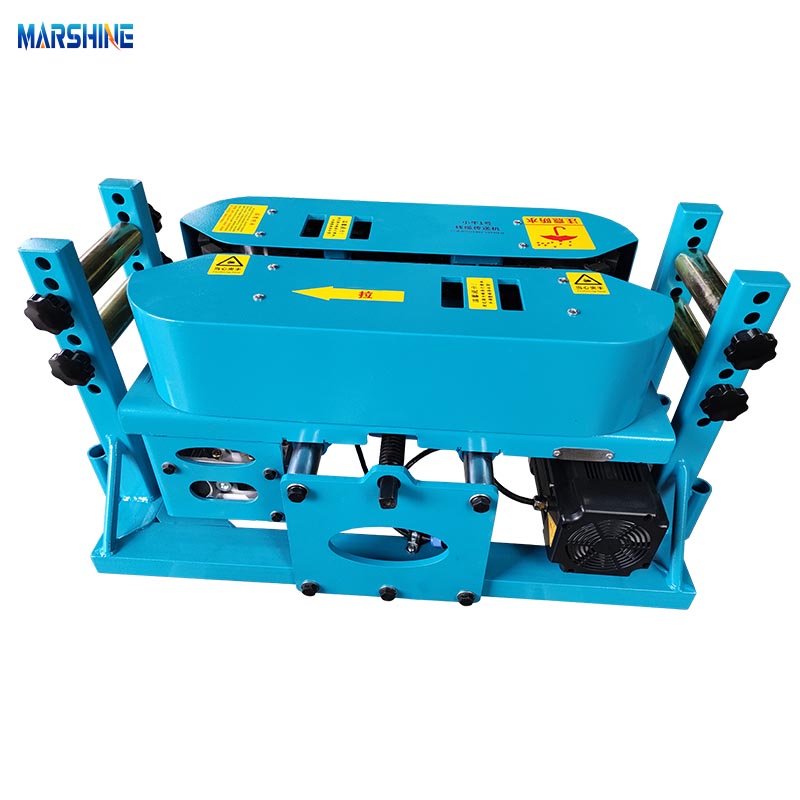
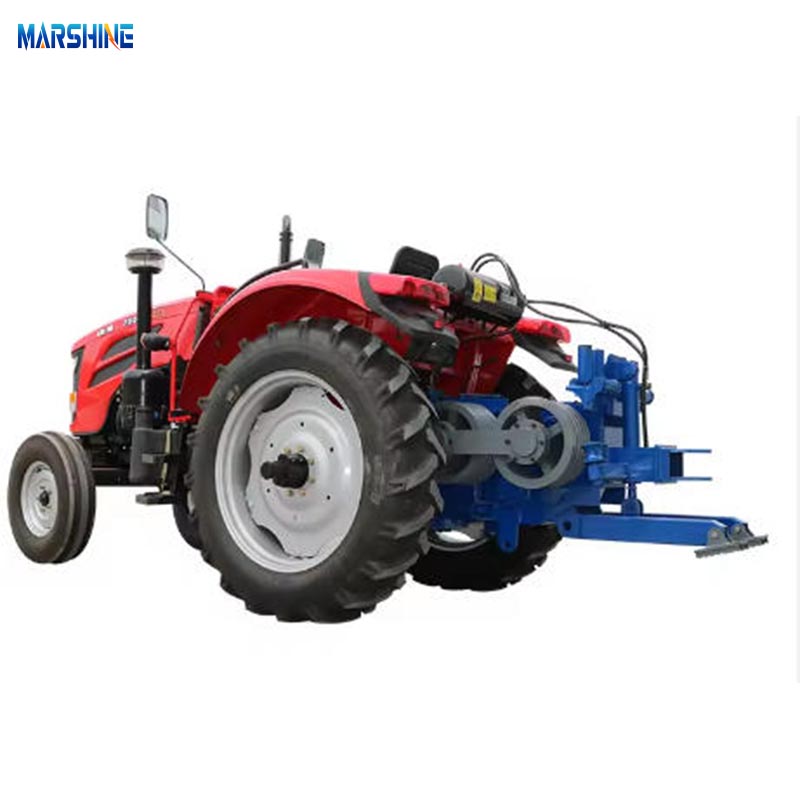
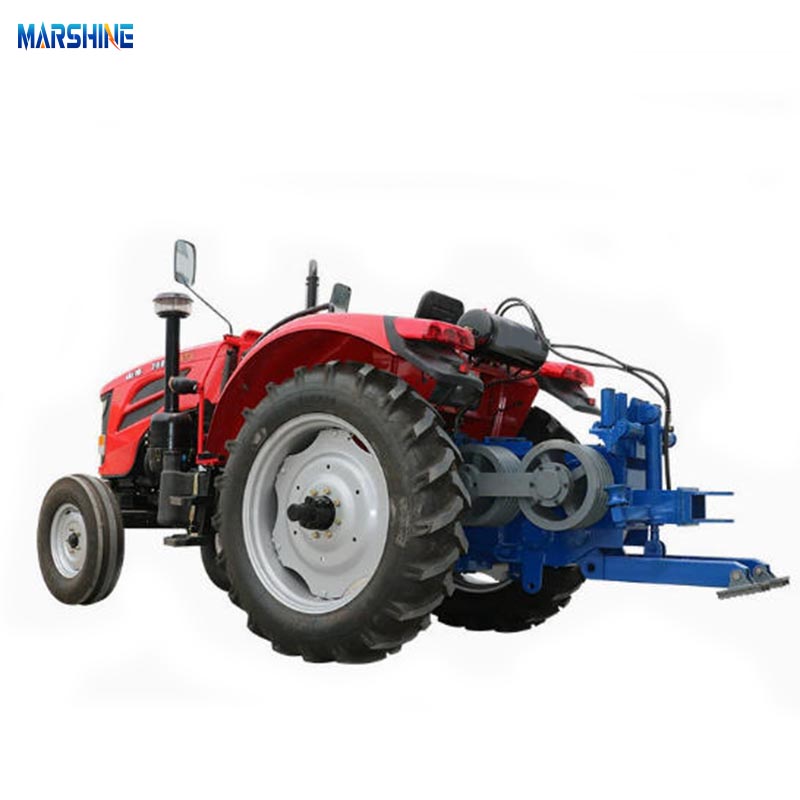
Upgrading to wheeled pulling equipment fundamentally changes how crews manage underground and aerial cable installations. Instead of utilizing static winches that require extensive anchoring and alignment, crews can position a mobile unit directly over the access point. This mobility combines heavy-duty traction with maneuverability to maintain project schedules. However, wheeled units require a higher upfront capital investment and face distinct environmental limitations. Deep mud, heavy snow, steep slope instability, and narrow indoor clearances can render wheeled units unsuitable, necessitating careful site assessments before deployment. Despite these constraints, their operational efficiency often offsets the initial capital expenditure.
Integrating the power unit and the pulling mechanism onto a single wheeled chassis allows contractors to eliminate the indirect costs of prolonged setup phases and complex logistics. Because these units are self-contained, they reduce the reliance on secondary flatbed transport vehicles and heavy lifting cranes required to position static winches. While they do not universally eliminate all logistics expenses—factors such as routine maintenance, tire wear, long-distance transport requirements, and local road permitting must be accounted for in the total cost of ownership—this consolidation of heavy machinery significantly lowers jobsite fuel consumption.
Jobsite Productivity and Cost Drivers
When analyzing jobsite productivity, labor remains a primary cost variable. Traditional setups frequently require larger crews to manage feeding, pulling, and equipment monitoring. Wheeled units feature integrated controls and dynamic tension monitoring, safely enabling a leaner crew to execute the pull. However, actual crew-size reductions depend on local safety regulations, union agreements, and site complexity. Furthermore, operating these advanced systems requires specialized operator training and certification to ensure safe handling and accurate tension monitoring. Where permitted and properly staffed, this streamlined operation translates to a reduction in daily labor costs per installation site.
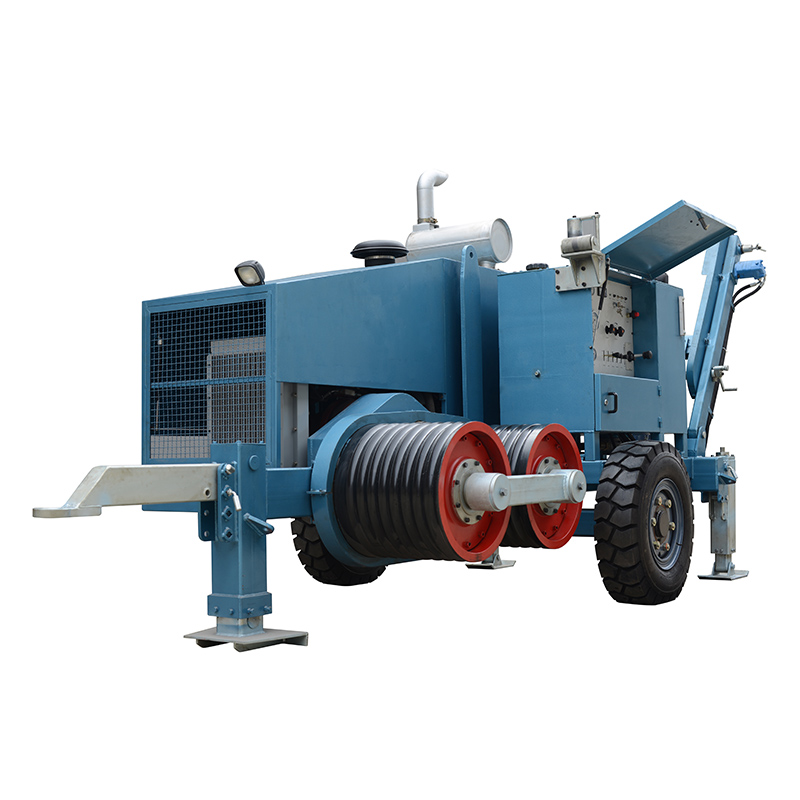
Beyond labor, relocation and setup times are substantially reduced. Moving a Utility Pulling Vehicle between access points requires minimal time compared to static alternatives. Features such as hydraulically driven wheels and automated leveling jacks ensure the machine is operational shortly after arrival, significantly decreasing idle time.
Key Specifications and Parameters
Operational efficiency is directly linked to the machine's performance parameters. Modern wheeled pullers provide continuous pulling forces—typically ranging from 20 kN to over 100 kN depending on the manufacturer—accommodating applications from standard fiber optics to heavy transmission lines. They maintain variable pulling speeds, generally between 0 and 25 meters per minute based on the model, allowing operators to adjust dynamically as duct friction fluctuates.
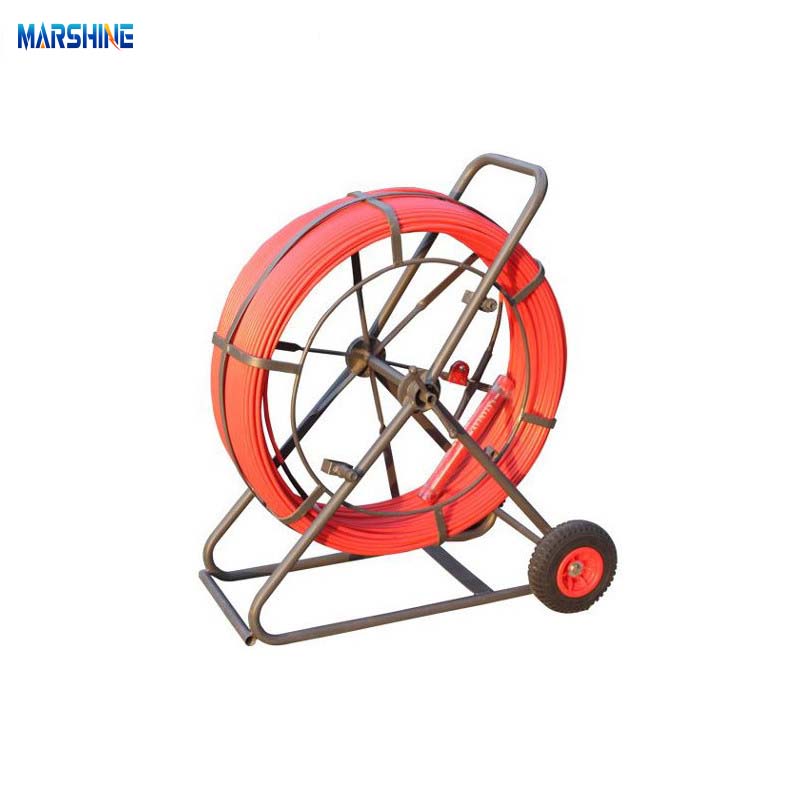
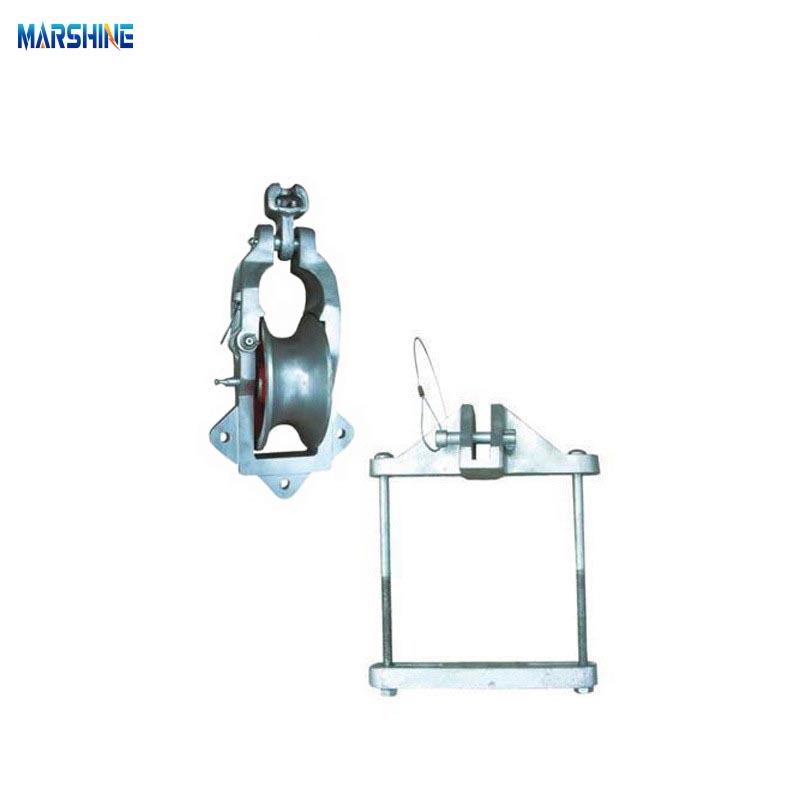
Utilizing a compatible equipment ecosystem enhances these efficiencies. Manufacturers design these pullers to integrate with a wide range of complementary tools. Whether a crew utilizes a cable drum trailer for smooth pay-off, runs lines through universal stringing blocks, or deploys fiberglass duct rodders, matching the puller's specifications to the broader toolkit prevents operational bottlenecks.
Critical Specifications for Safe Cable Pulling
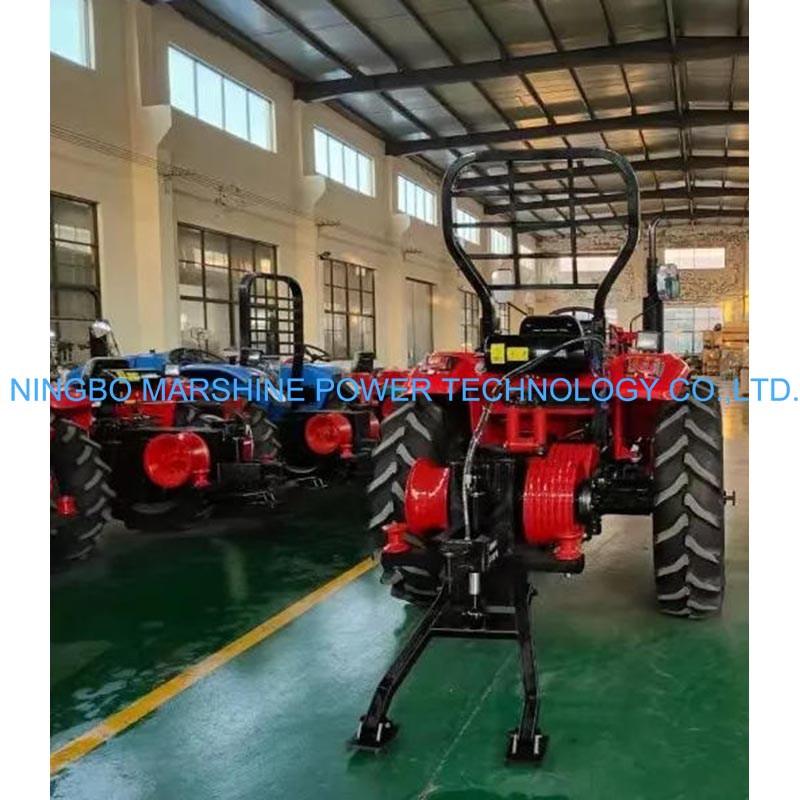
Achieving favorable economic metrics is secondary to preventing cable damage during installation. Critical safety specifications govern how a wheeled puller operates, ensuring tension never exceeds the cable manufacturer's maximum yield limits. Built-in features such as overload protection and automatic tension release are essential for modern grid construction, protecting both the infrastructure and the personnel. Crucially, safe tension limits must be derived directly from cable manufacturer datasheets and site-specific engineering calculations. Additionally, the tension-monitoring systems require regular, documented calibration to guarantee accuracy; uncalibrated equipment can apply excessive force despite electronic safeguards.
Specification Comparison
To understand what makes a Mobile Line Puller safe and effective, it is useful to examine how specifications scale with project requirements. Standard units handle everyday distribution work, while heavy-duty models are engineered for massive underground transmission cables.
| Equipment Class | Max Pulling Force | Variable Speed Range | Max Cable Diameter | Built-in Overload Protection |
|---|---|---|---|---|
| Standard Wheeled Puller | Typically 20 - 40 kN | Approx. 0 - 15 m/min | Up to 50 mm | Electronic/Hydraulic |
| Heavy-Duty Wheeled Puller | Typically 50 - 100+ kN | Approx. 0 - 10 m/min | 50 mm - 150 mm | Multi-stage Hydraulic |
| Specialized Fiber Puller | Typically 5 - 15 kN | Approx. 0 - 25 m/min | Up to 25 mm | Micro-step Electronic |
Selecting the appropriate specification class ensures the pulling force aligns with the physical limits of the cable jacket. Utilizing oversized equipment can lead to accidental cable snapping if safety thresholds are bypassed, while undersized equipment risks motor burnout. Equipment class serves only as a baseline; precise operational limits must be calculated per project.
Practical Installation Process
The installation process relies on translating these specifications into field operations. A safe pull begins at the feed-in point, where a cable drum trailer and nylon-wheeled pay-off pulleys reduce initial friction. The pulling rope—typically a high-strength braided steel rope or specialized synthetic line—is guided through the conduit using a fiberglass duct rodder.
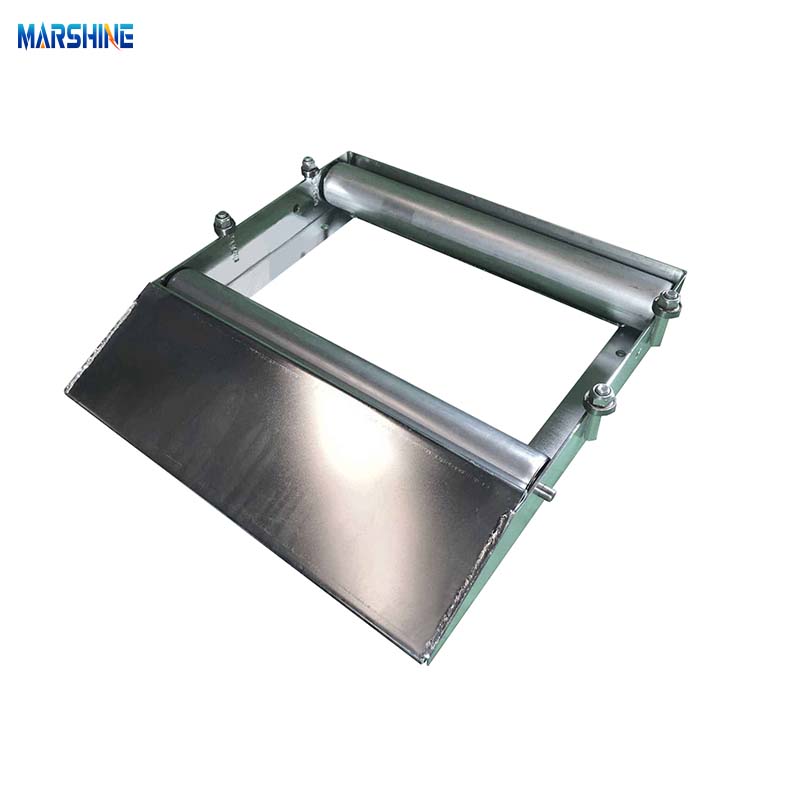
During a continuous underground pull, friction accumulates rapidly. Strategically placing cable rollers at every bend and utilizing universal stringing blocks ensures the dynamic load remains within safe operating limits. These limits depend entirely on the specific cable type, diameter, and route geometry rather than a fixed numerical threshold. Once attached via a secure cable pulling sock, the wheeled equipment engages. The certified operator sets the maximum tension threshold on the control panel based on engineering calculations. If the cable snags and tension spikes toward that limit, the machine automatically pauses. This mechanism prevents jacket tearing and core stretching, ensuring the cable remains compliant with electrical safety standards.
How to Choose Wheeled Pulling Equipment Suppliers
Sourcing this equipment requires evaluating the manufacturer's engineering capabilities and support infrastructure beyond the basic specification sheet. A wheeled puller represents a major capital investment, and downtime caused by poor manufacturing or a lack of replacement parts can delay entire grid construction projects. Identifying a reliable supplier is critical for long-term operational success.
Sourcing and Quality Criteria
A reliable indicator of a competent supplier is adherence to
Further reading:
Key Takeaways
- Assess terrain, slope, snow, mud, and indoor clearance before choosing a wheeled puller, because mobility advantages disappear on unsuitable jobsites.
- Match pulling force to the application, with modern wheeled units typically ranging from 20 kN to over 100 kN for fiber, utility, and transmission work.
- Use variable pulling speeds, often up to about 25 meters per minute, to respond safely to changing duct friction during installation.
- Reduce idle time by using wheeled units with hydraulically driven wheels and automated leveling jacks for faster relocation between access points.
- Calculate total ownership cost beyond purchase price by including maintenance, tire wear, transport requirements, fuel use, and local road permitting.
- Pair the puller with compatible drum trailers, stringing blocks, and duct rodders to prevent bottlenecks during cable pay-off and routing.
Frequently Asked Questions
What is wheeled pulling equipment used for?
Wheeled pulling equipment is used to pull underground or aerial cables with a mobile, self-contained machine that can be positioned near access points, reducing setup time compared with static winches.
How does wheeled pulling equipment reduce installation costs?
It can lower costs by reducing relocation time, limiting secondary transport needs, improving fuel efficiency, and enabling leaner crews where regulations and site conditions allow.
What pulling force should contractors look for?
Modern wheeled pullers commonly provide continuous pulling force from about 20 kN to over 100 kN, so the right choice depends on cable type, duct friction, route length, and safety limits.
Are wheeled pullers suitable for every jobsite?
No. Deep mud, heavy snow, steep slopes, unstable ground, and tight indoor clearances can make wheeled units impractical, so crews should assess access, terrain, and clearance before deployment.
Why is tension monitoring important during cable pulling?
Dynamic tension monitoring helps operators avoid exceeding cable limits, reducing the risk of sheath damage, conductor stress, or costly rework during installation.