

Introduction
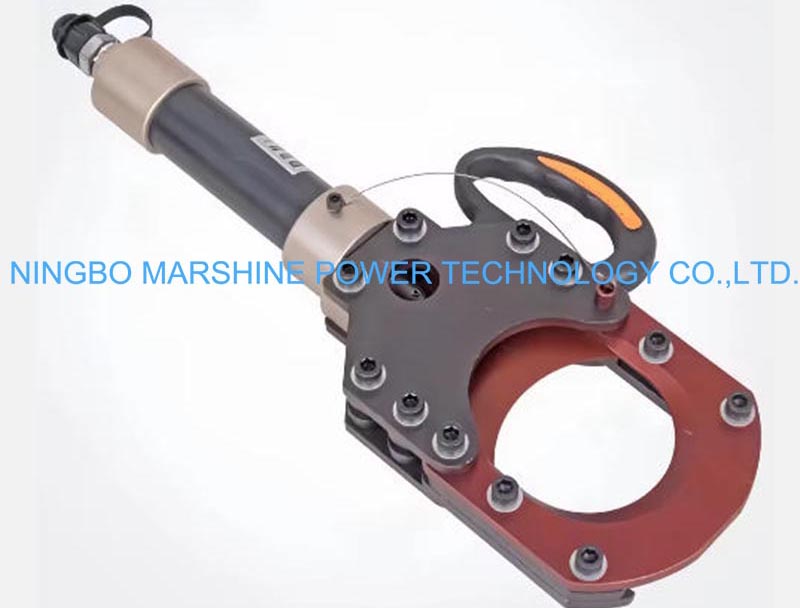
Cutting armored cable safely depends as much on tool design as on operator technique. An armored wire cutter is built to handle steel wire armor, dense insulation, and heavy conductors with controlled force, reducing the slipping, crushing, and jagged cuts that often occur with general-purpose tools. For crews working with SWA, ACSR, or other reinforced cables, that means cleaner shears, less physical strain, and fewer opportunities for hand injuries or damage to the cable itself. The sections that follow explain how these cutters improve cable shear safety, what features make the biggest difference in the field, and when a dedicated cutter is the better choice than standard hand tools.
Why an Armored Wire Cutter Matters for Cable Shearing
Dealing with armored cables out in the field is no easy task. These cables are designed with rigid steel structures and heavy insulation for maximum corrosion resistance and durability, making them incredibly tough to sever. Standard hand tools simply do not cut it when you are up against tough steel wire armor or thick copper cores. You need specialized equipment that brings serious power to the table without compromising on safety.
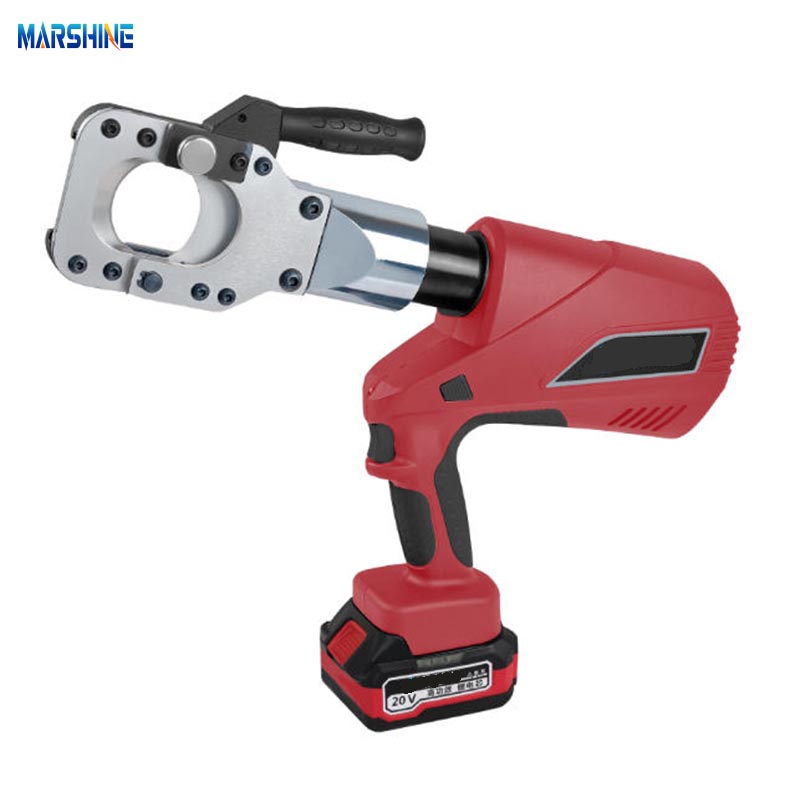
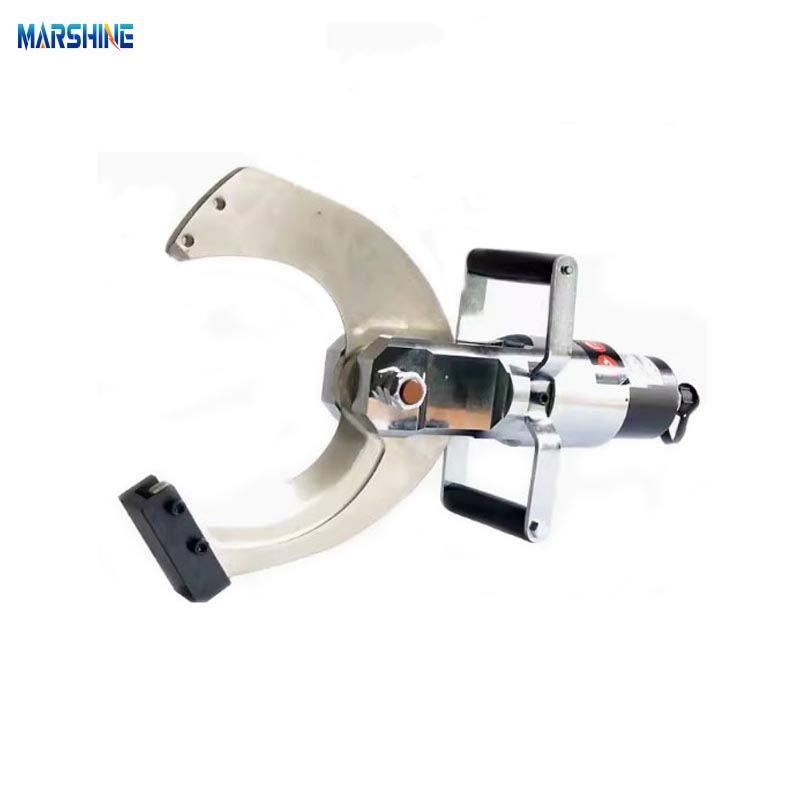
That is exactly why upgrading your toolkit with a dedicated armored wire cutter makes a massive difference. These tools feature hardened cutting edges and advanced force multipliers that slice through heavy-duty materials cleanly. This not only speeds up the job but also saves a tremendous amount of physical strain on the operator.
Use Cases and Core Benefits
When laying down lines for power grid construction or underground installations, technicians frequently encounter steel-wire armored (SWA) and aluminum conductor steel-reinforced (ACSR) cables. Using the right heavy duty cable shear ensures you can sever cables up to 50mm in diameter without crushing the internal conductors or leaving jagged metal edges that could cause severe lacerations.
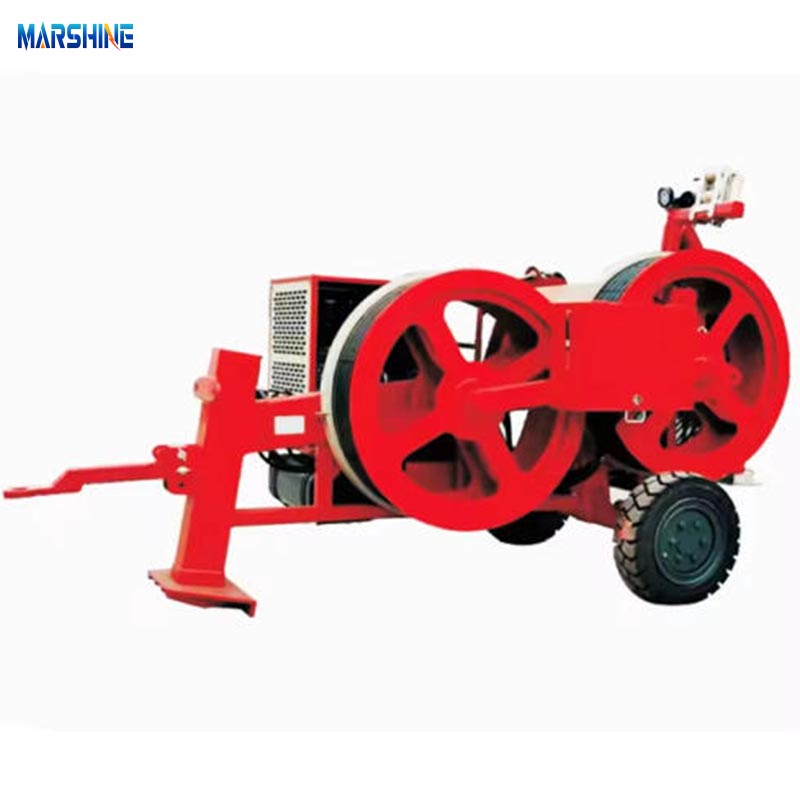
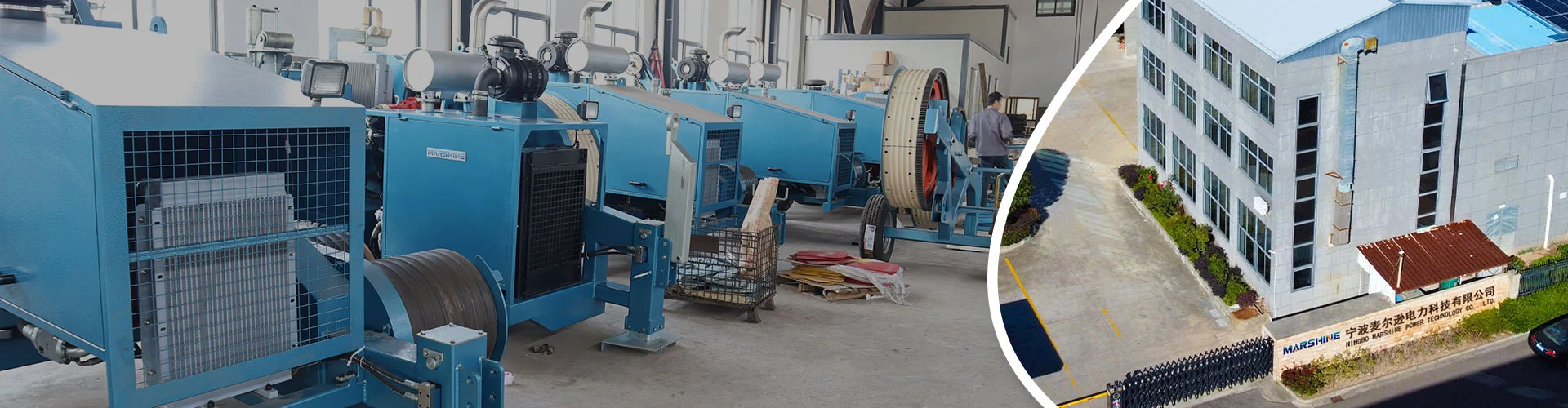
Manufacturers like Ningbo Marshine Power Technology Co., Ltd. specialize in developing, designing, and manufacturing these essential cable pulling tools. By consistently engaging in power grid construction and operation, they provide advanced, safe, and easy-to-handle products. Their tools are specifically engineered with features that reduce hand fatigue, allowing crews to work efficiently even during long shifts.
Key Specifications to Check
Before you put a tool to work, checking its core specifications is absolutely crucial. You want to look closely at the maximum cutting capacity, the tool's overall weight, and the type of force delivery it uses. A reliable hydraulic armored cutter typically delivers around 120 kN of cutting force while keeping the weight manageable at roughly 4.5 to 6 kg, making it highly portable for field work.
It is also smart to look for tools backed by solid quality system certifications, such as GB/T19001-2008. This ensures the equipment has been rigorously tested to meet strict industry standards. Having a tool that combines high technology with reliable quality means fewer unexpected breakdowns on the job site and a much safer environment for the entire crew.
How an Armored Wire Cutter Improves Cutting Safety
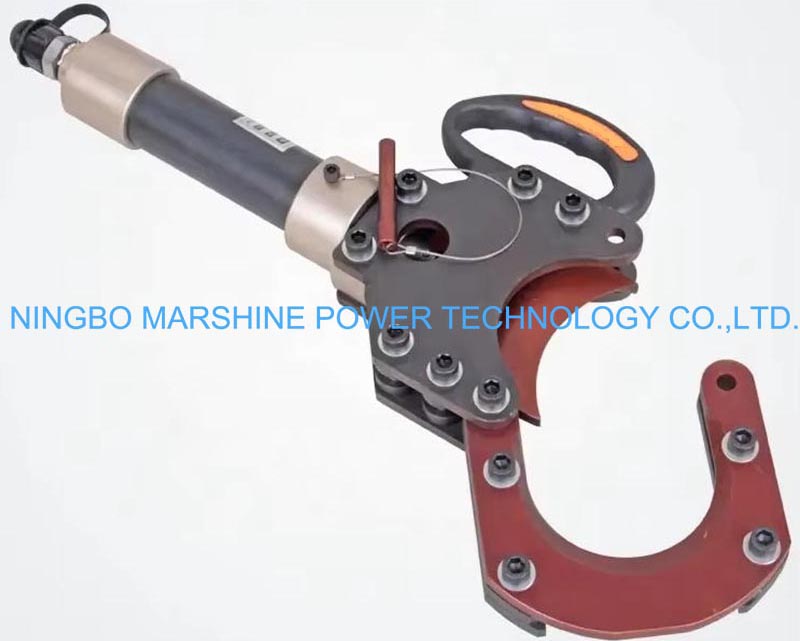
Safety is always the biggest concern when shearing thick, armored cables, especially when working in confined spaces or deep underground trenches. If you try to force a standard cutter through steel reinforcement, the blades can easily slip, bind, or even shatter under the immense pressure, creating a serious hazard for everyone nearby.
An armored wire cutter dramatically improves safety by keeping the cutting process entirely controlled and predictable. The unique combination of specialized blade geometry and steady force delivery eliminates the sudden, violent snapping motions that frequently lead to workplace injuries.
Blade Design and Force Delivery
The secret behind this massive safety upgrade lies in the precise blade design and the mechanics of force delivery. High-quality cutters feature high-carbon alloy steel blades that are specially heat-treated to achieve a hardness of HRC 58-62. This extreme hardness allows the cutting edges to bite seamlessly into steel armor without chipping, rolling, or deforming over time.
Instead of relying purely on human muscle, these tools typically utilize hydraulic pumps or heavy-duty ratcheting mechanisms. This smooth, incremental force delivery ensures the blade glides through the thickest cables at a controlled pace. By removing the need for aggressive, jerky physical movements, the operator maintains full balance and control throughout the entire cutting cycle.
Essential Specification Comparison
To really understand the safety benefits, it helps to look at the performance numbers side-by-side. When you compare a standard, everyday cutter to a dedicated steel reinforced cable cutter, the differences in capability and injury risk become glaringly obvious.
| Specification | Standard Cable Cutter | Armored Wire Cutter |
|---|---|---|
| Max Cutting Diameter | Up to 25mm | 50mm - 100mm+ |
| Blade Hardness (HRC) | 50 - 54 | 58 - 62 |
| Force Delivery | Manual Leverage | Hydraulic / Ratcheting |
| Typical Cutting Force | 20 - 30 kN | 80 - 120 kN |
| Operator Injury Risk | High (Slippage/Strain) | Low (Controlled Cut) |
As the table clearly shows, the armored variant offers nearly four times the cutting force and a significantly harder blade profile. This translates directly to a safer, more efficient workflow, particularly when dealing with infrastructure cables that far exceed standard thickness and reinforcement levels.
How to Evaluate an Armored Wire Cutter Before Buying
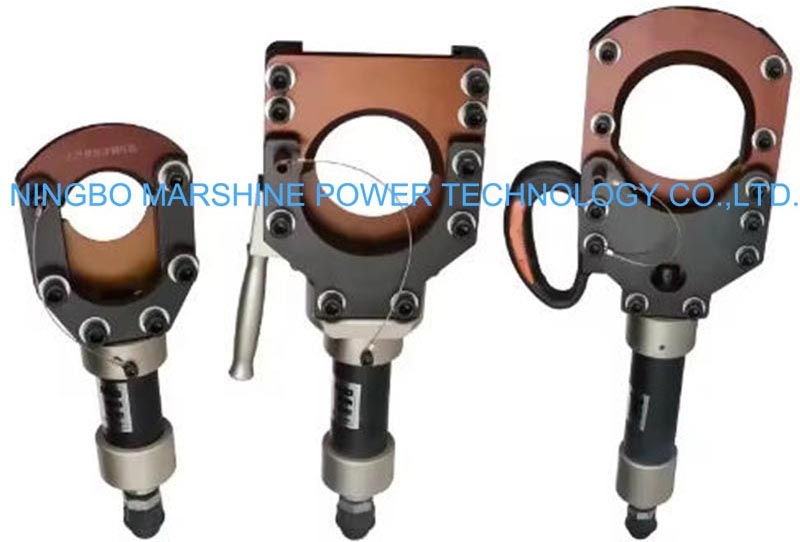
Buying the right tool requires a bit more effort than just picking the first one you see with a high force rating. You need to carefully evaluate the build quality, the manufacturer's industry reputation, and how well the tool's specific features align with your daily operational tasks.
Taking the time to inspect the equipment and understand the company behind it ensures you are investing in a product that will actually last. A solid evaluation covers everything from the ergonomics of the handles to the long-term reliability of the internal hydraulic seals.
Inspection Points and Selection Criteria
When inspecting a potential purchase, pay close attention to blade alignment and the overall integrity of the hydraulic system. The blades should meet perfectly without any visible gaps, and the pump action or pressure release valve should operate smoothly without fluid leaks. Ergonomic, non-slip handles are also a mandatory feature to prevent grip fatigue during repetitive tasks.
It is highly recommended to source your equipment from established industry manufacturers. For instance, companies that offer over a thousand kinds of tools across 20 series—ranging from circuitry construction tools, cable pulling winches, and fiberglass duct rodders to hydraulic crimping tools—demonstrate deep engineering expertise. Partnering with a supplier that maintains a complete after-sales system and quality tracking ensures your investment is well-protected.
Proper Use and Final Considerations
Even the absolute
Further reading:
Key Takeaways
- The most important conclusions and rationale for armored wire cutter
- Specs, compliance, and risk checks worth validating before you commit
- Practical next steps and caveats readers can apply immediately
Frequently Asked Questions
What makes an armored wire cutter safer than a standard cable cutter?
It uses hardened blades and controlled hydraulic or ratcheting force to prevent slipping, binding, and jagged cuts on armored cable.
What cable types can an armored wire cutter handle?
It is commonly used for SWA, ACSR, and other steel-reinforced power cables that standard hand cutters struggle to sever cleanly.
Which specs should I check before buying an armored wire cutter?
Check maximum cutting diameter, cutting force, tool weight, blade hardness, and whether the tool is hydraulic or ratcheting.
How much cutting force is typical for a hydraulic armored wire cutter?
A reliable field model often delivers about 120 kN, which helps cut thick armored cable smoothly with less operator strain.
Where can I find armored wire cutters for power grid and cable installation work?
You can explore armored cable cutter options at cable-winch.com, which focuses on cable pulling and cutting tools for field applications.