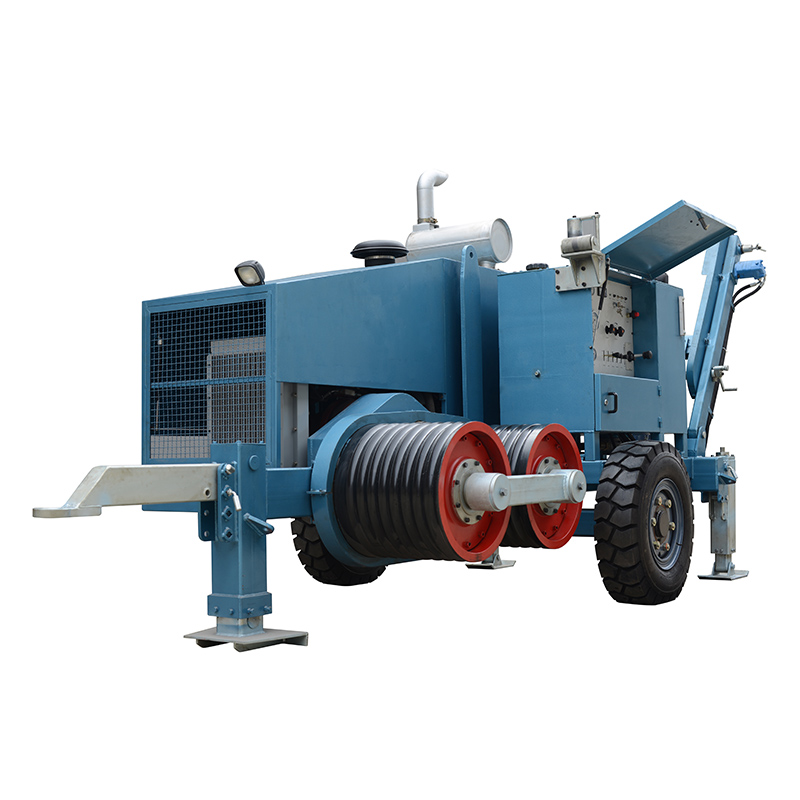



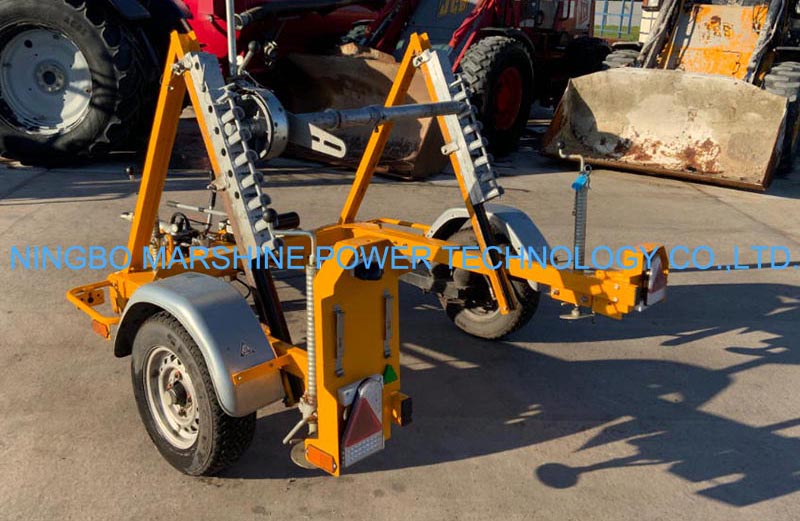
Heavy cable drums can turn a routine utility job into a safety and productivity problem if the transport equipment is undersized, unstable, or poorly matched to the terrain. A well-selected cable reel transporter protects valuable cable, reduces manual handling, and helps crews move from road travel to payout setup with fewer delays. The right choice depends on more than stated payload capacity: reel diameter, arbor size, axle rating, hydraulic lifting method, towing limits, and site conditions all matter. This guide explains how to assess those factors clearly, compare towable cable drum trailer designs, and avoid common selection mistakes that can lead to damaged reels, unsafe towing, or costly downtime.
Define Utility Cable Reel Transporter Requirements
Check Core Transporter Specifications
Before you even look at a catalog, you need to pin down your core specifications. Utility reels come in all shapes and sizes, so your transporter needs to match those physical demands perfectly. Payload capacities and maximum reel dimensions vary widely by manufacturer; you will find everything from modest units for local telecom work to heavy-duty models for transmission line installations.
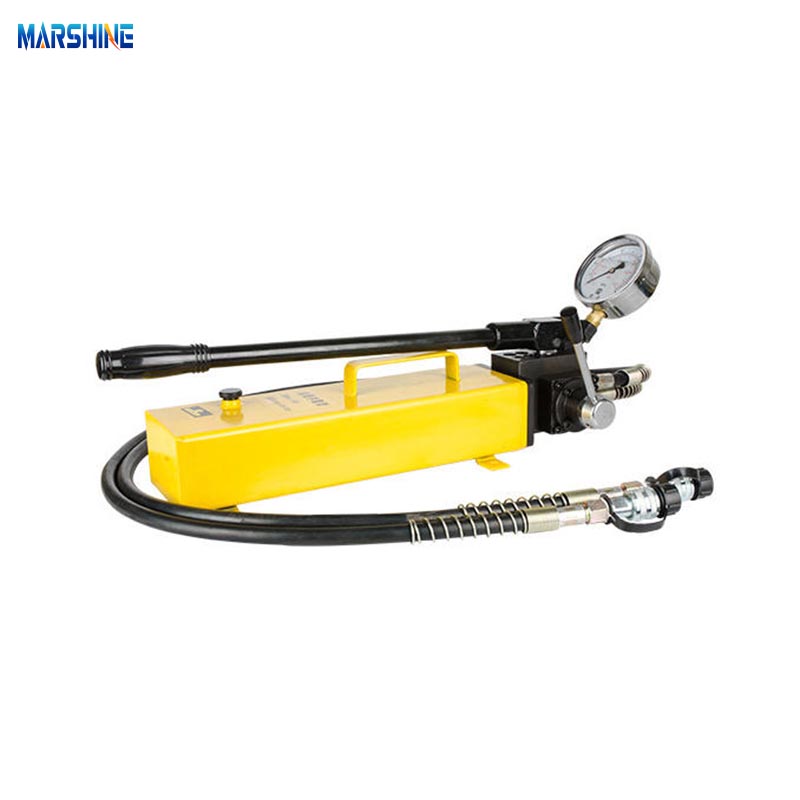
Key features include solid steel spindle bars (which secure the drum through its arbor hole) and integrated hydraulic lifting systems (ranging from single-cylinder hand pumps to dual-cylinder motorized units). Consolidating your lifting power into these hydraulics saves crews from strenuous manual jacking, providing a smooth lift that reduces sudden stress on the cable drum and speeds up the setup process. You must always verify arbor hole sizing to ensure the spindle bar fits your drums perfectly.
Match Transporter Design to Cable Job Type
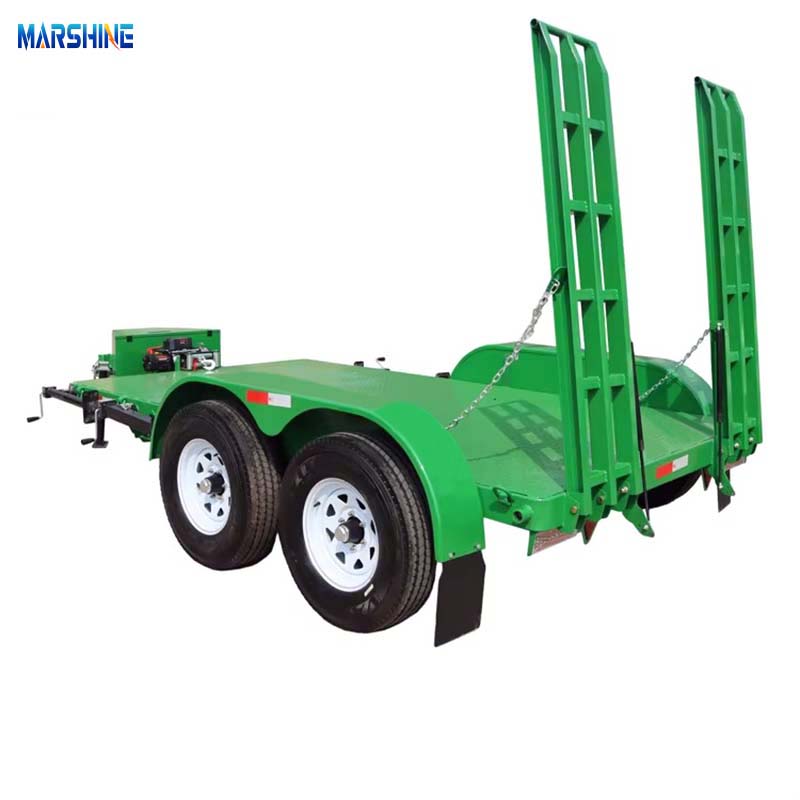
Not every job site looks the same, so matching the transporter design to your specific cable job type is crucial for operational efficiency. Note that the terms "cable reel transporter" and "cable drum trailer" are generally used interchangeably in the industry to describe these towable units.
Buyers often face necessary trade-offs between highway-rated maneuverability and off-road capacity. If you are doing urban underground cable work, a compact towable cable drum trailer with tight turning radii and a highway-rated suspension makes perfect sense. However, for rugged, off-grid aerial cable installations, you must trade that compact footprint for heavy-duty off-road tires, higher ground clearance, and robust axle assemblies that can handle mud and rocks. Another common pitfall is overestimating towing capacity; opting for a higher payload means heavier towing requirements, which may exceed your current fleet's legal limits. Always account for proper load distribution, tongue weight limits, and secure hitching procedures, as these are critical safety factors when towing heavy, shifting loads.
Compare Cable Reel Transporter Options
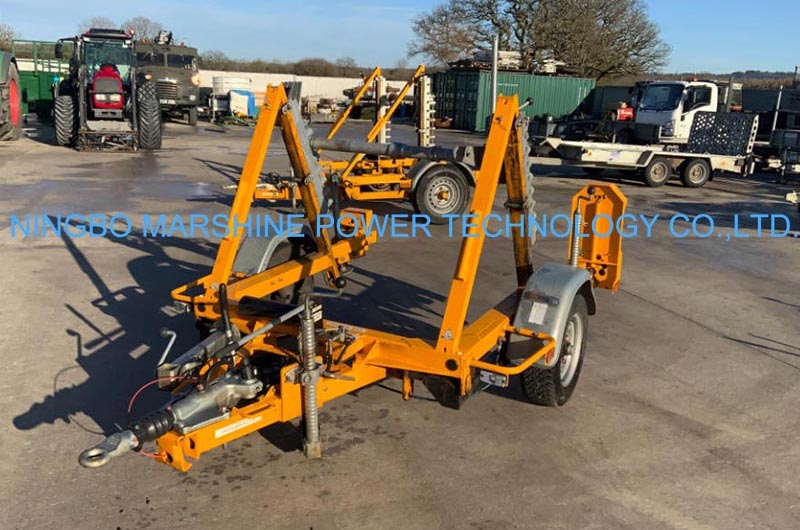
Once you know what your project demands, it is time to compare the options on the market. Digging into the specific handling features and the background of the manufacturer will help you separate the premium, long-lasting gear from unreliable alternatives.
Instead of relying on vague promises of efficiency, look for a well-designed transporter that provides a measurable return on investment—such as measurably reducing daily setup times and minimizing the physical strain that leads to operator fatigue and workers' compensation claims.
Evaluate Payload, Reel Size, and Handling Features
Evaluating the payload, reel size, and handling features side-by-side reveals exactly what you are paying for. A high-quality cable handling trailer incorporates comprehensive braking and tensioning systems. This includes overrun brakes for lighter loads, full air brake systems for heavy-duty hauling, and adjustable tensioning brakes to prevent freewheeling when pulling line across challenging, uneven landscapes.
The following table provides illustrative examples of typical transporter classes derived from aggregated manufacturer data and industry standards; however, these values vary significantly by manufacturer, region, and application:
| Transporter Class | Payload Capacity (kg) | Max Reel Diameter (mm) | Typical Lift Mechanism |
|---|---|---|---|
| Light-Duty | 1,000 - 1,500 | Up to 1,600 | Manual / Hand Pump |
| Medium-Duty | 2,000 - 3,000 | Up to 2,400 | Single-cylinder Hydraulic |
| Heavy-Duty | 4,000 - 5,000+ | Up to 3,200 | Dual-cylinder Hydraulic |
Beyond just holding the weight and maintaining a safe ground clearance, you need to look for locking collars that keep the drum perfectly centered on the spindle during a bumpy ride. High-end models also feature galvanized or heavy powder-coated finishes that resist rust and corrosion, extending the life of the transporter in harsh weather conditions.
Assess Supplier Quality and Manufacturing Capabilities
The technical specs only tell half the story; the manufacturer's track record tells the rest. Assessing supplier quality is just as important as checking the payload limits. Reputable manufacturers demonstrate industry presence through specific quality system certifications (such as ISO 9001) and verifiable compliance with regional roadworthiness directives (like CE marking or DOT approval).
Instead of relying on brand names alone, use a neutral checklist to evaluate suppliers based on these certifications, clear warranty terms, spare parts availability, and a robust service network. Choosing a supplier with strict quality tracking and documented testing procedures means your transporter is more likely to hold up to years of heavy use. Prioritize vendors that offer accessible customer support to ensure you get safe, easy-to-maintain products.
Choose the Right Cable Reel Transporter
Making the final call requires a structured, logical approach that balances your immediate capital budget with long-term return on investment.
You want to ensure the equipment you buy today will offer a long lifecycle, featuring the right mix of rugged durability, accessible maintenance points, and intuitive, user-friendly controls.
Follow a Step-by-Step Selection Process
Following a step-by-step selection process takes the guesswork out of your purchase. Start by auditing your current fleet's towing capabilities, ensuring your towing vehicles are rated for the fully loaded trailer weight, proper tongue weight, and safe axle load distribution.
Further reading:
Key Takeaways
- Confirm the loaded reel weight, maximum reel diameter, arbor hole size, and spindle compatibility before selecting a cable reel transporter.
- Choose hydraulic lifting systems when crews need faster setup, safer reel handling, and reduced manual jacking on demanding utility jobs.
- Match the transporter design to the worksite, using highway-rated trailers for urban routes and off-road configurations for mud, rocks, and remote terrain.
- Do not select payload capacity in isolation; verify towing vehicle limits, tongue weight, axle ratings, hitch setup, and legal road requirements.
- Use reinforced chassis construction, proper load distribution, and secure hitching procedures to reduce the risk of drum damage and job-site safety hazards.
Frequently Asked Questions
What is a cable reel transporter used for?
A cable reel transporter moves and supports heavy cable drums during utility work, helping crews transport reels safely and position them for pulling or payout without damaging the cable or drum flanges.
Is a cable reel transporter the same as a cable drum trailer?
In many utility contexts, the terms are used interchangeably. Both usually refer to towable equipment designed to carry, lift, and stabilize cable drums for transport and field installation.
How do I choose the right payload capacity?
Match the transporter’s rated payload to the heaviest loaded reel you plan to carry, not just the empty drum weight. Also confirm axle ratings, tongue weight, hitch capacity, and legal towing limits.
Why is arbor hole size important?
The spindle bar must fit through the reel’s arbor hole securely. If the fit is wrong, the drum may shift, lift unevenly, or become unstable during transport and cable payout.
Should I choose a highway or off-road cable reel transporter?
Choose highway-rated models for urban utility routes and smooth roads. For remote aerial or off-grid jobs, prioritize off-road tires, higher ground clearance, reinforced axles, and a stronger chassis.