

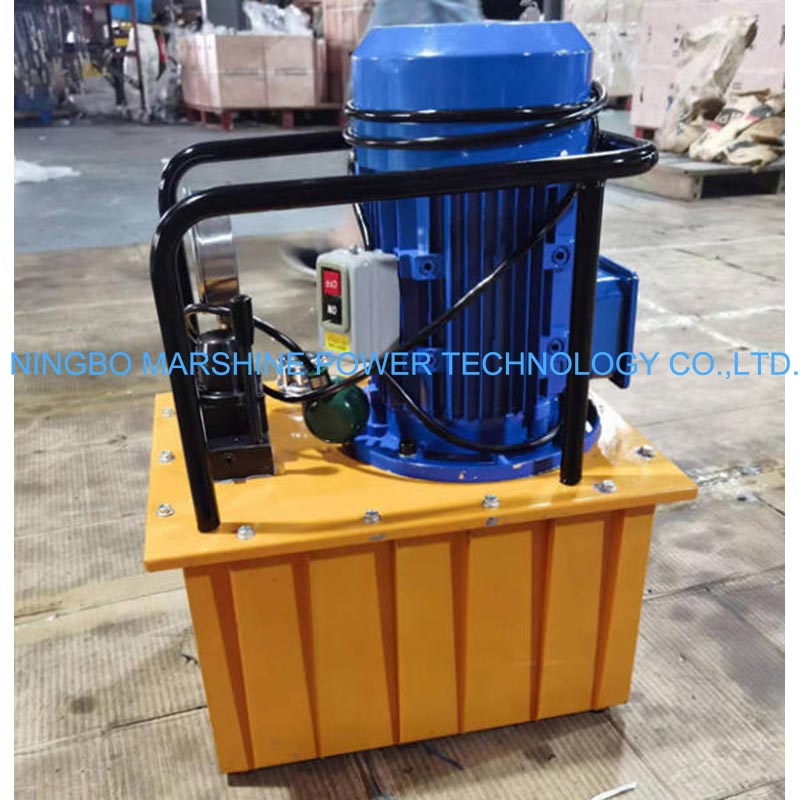
A stalled cable pull can cost more than time—it can damage conductors, delay energization, and put crews under unnecessary strain. For modern utility and underground grid projects, hydraulic power units give cable pulling teams the controlled force needed to move heavy lines through long conduits, uneven terrain, and demanding job sites. By converting engine power into high-pressure fluid flow, these systems support smoother pulls, steadier tension, and better protection for valuable cable assets. This article explains how hydraulic units work, why they outperform older mechanical methods in high-load applications, how they compare with electric pullers, and what specifications buyers should evaluate before choosing equipment.
Hydraulic Power Unit Benefits for Cable Pulling
When crews face massive underground cable installations, relying on manual labor or underpowered equipment quickly leads to operational bottlenecks. A hydraulic power unit fundamentally changes the workflow by delivering immense, sustained force exactly where it is needed most. These robust machines feature high-capacity fluid reservoirs, advanced thermal cooling systems, and continuous-duty cycles, ensuring they handle the grueling demands of modern power grid construction.
Leading industry manufacturers, such as MARSHINE, focus on developing advanced, safe, and easy-to-handle products that keep complex grid operations running smoothly, prioritizing practical user needs over outdated mechanical designs.
What a Hydraulic Power Unit Does
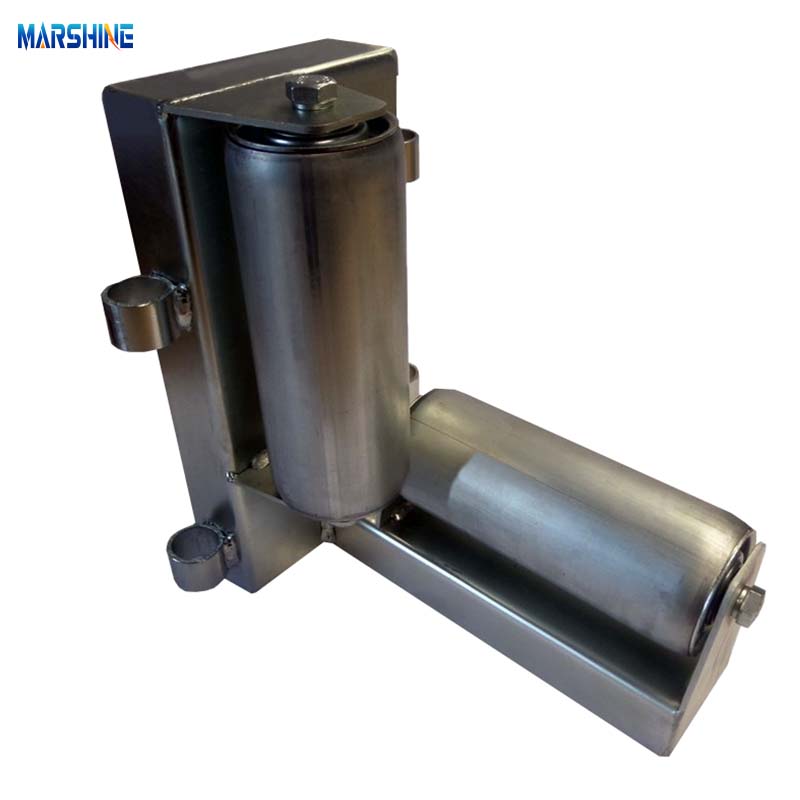
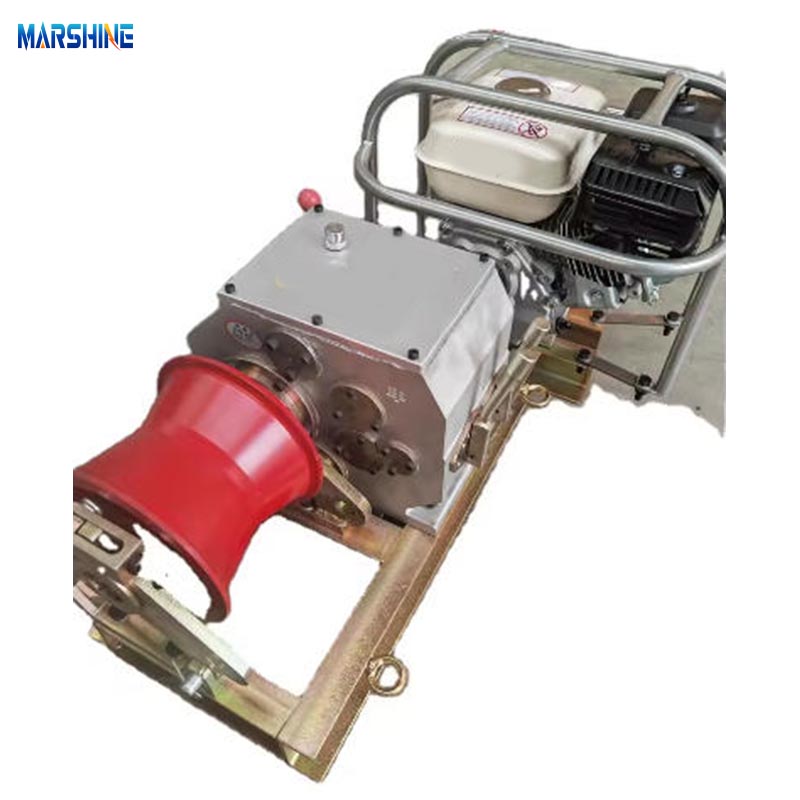
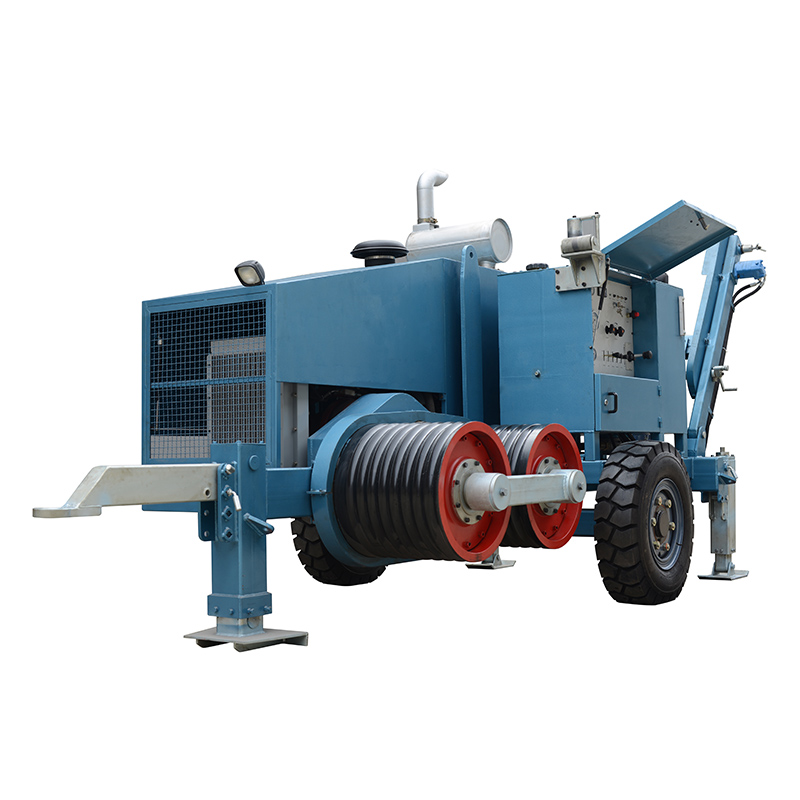
At its core, the unit converts a primary mechanical power source—usually a heavy-duty gas or diesel engine—into highly pressurized fluid power. This pressurized fluid travels through reinforced, high-pressure hoses to drive auxiliary equipment like cable pulling winches, tensioners, or stringing blocks.
A standout feature of top-tier hydraulic systems is their ability to maintain incredibly high pressures under heavy loads. As a representative example, industrial-grade units routinely operate continuously at pressures reaching 10,000 psi (700 bar), with fluid flow rates ranging from 5 to 10 gallons per minute (GPM). In these systems, the pressure determines the maximum pulling force (torque) applied to the cable, while the flow rate dictates the speed of the pull. This advanced fluid dynamics approach allows the equipment to generate massive, unyielding force without relying on the bulky, friction-heavy mechanical gearboxes found in older setups.
Key Performance Improvements
The most significant upgrade construction crews notice is the absolute smoothness of the pull. Unlike older mechanical systems that can jerk, stutter, and potentially snap delicate optical fiber cables or deform heavy transmission lines, hydraulic systems offer infinitely variable speed and tension control. This precise handling prevents costly jacket damage and maintains the structural integrity of the wire.
To guarantee this reliable performance, equipment must meet strict operational standards and quality system certifications. Rigorous manufacturing tolerances ensure that every pull is supported by equipment built to handle extreme stress safely, maximizing both efficiency and worker protection on the job site.
Hydraulic vs Electric Cable Pulling Systems
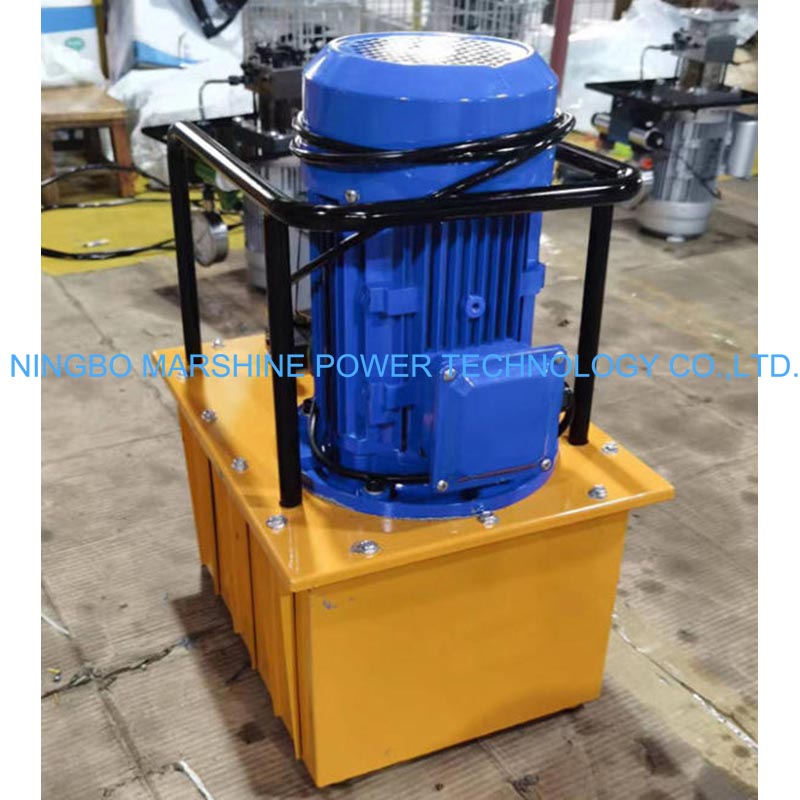
Deciding between hydraulic and electric pulling systems often comes down to the specific operational environment and the sheer physical scale of the pull. Electric pullers are highly effective for indoor commercial wiring or lighter conduit pulls where noise limits, exhaust emissions, and power outlet availability are primary concerns.
However, when the job moves outdoors to rugged terrain, muddy utility trenches, or long-distance underground conduits, hydraulic systems demonstrate their true advantages: extreme weather resistance, spark-free operation, and unmatched continuous power delivery. These benefits come with necessary trade-offs; hydraulic units require more rigorous maintenance (such as regular fluid changes, filter replacements, and leak management), produce diesel exhaust that requires adequate ventilation, and generally incur higher fuel and operating costs than electric systems.
Specifications Buyers Should Compare
Project managers must rigorously weigh several technical specifications before committing to a pulling system. A primary feature to evaluate is the continuous duty cycle and the maximum force threshold. Electric pullers often require mandatory cooldown periods to prevent internal motor burnout, whereas hydraulic systems can run uninterrupted for hours thanks to integrated fluid cooling radiators.
| Specification | Electric Cable Pullers | Hydraulic Power Units |
|---|---|---|
| Max Pulling Force | Typically peaks at 10,000 lbs | Easily exceeds 20,000 to 50,000+ lbs |
| Duty Cycle | Intermittent (requires frequent cooling) | 100% Continuous operation |
| Environment | Indoor / Dry, climate-controlled conditions | Harsh / Wet / Underground / Extreme temps |
| Weight & Mobility | Lighter, highly portable by hand | Heavier, typically trailer or skid-mounted |
Quality, Sourcing, and Tool Compatibility
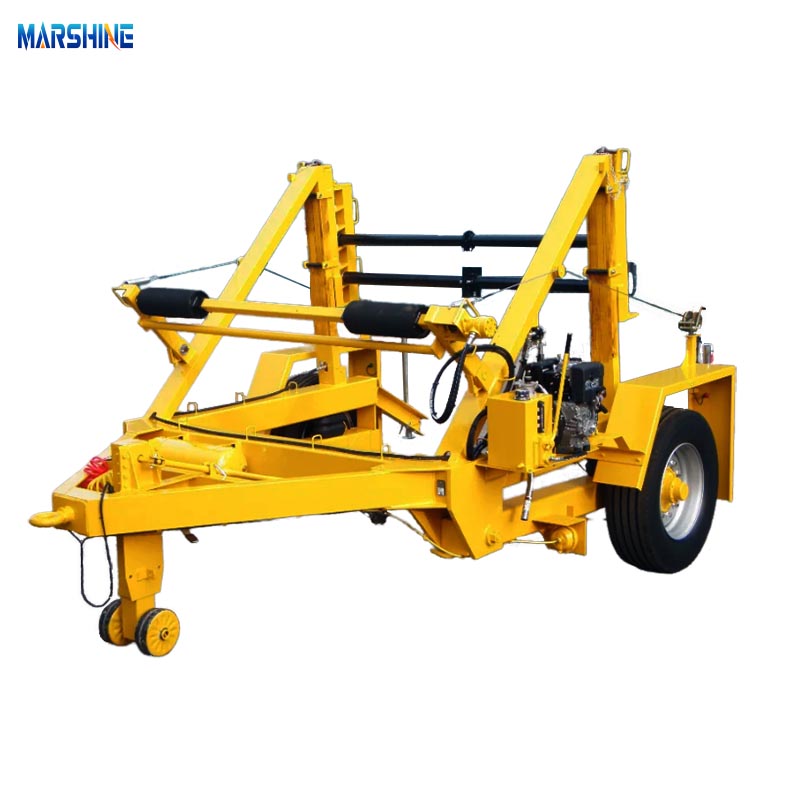
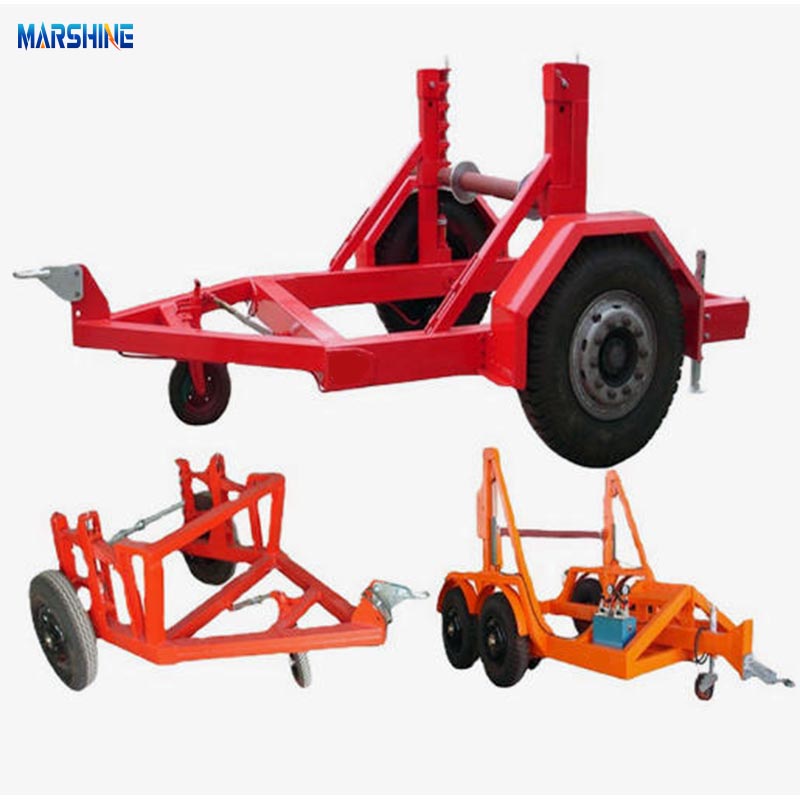
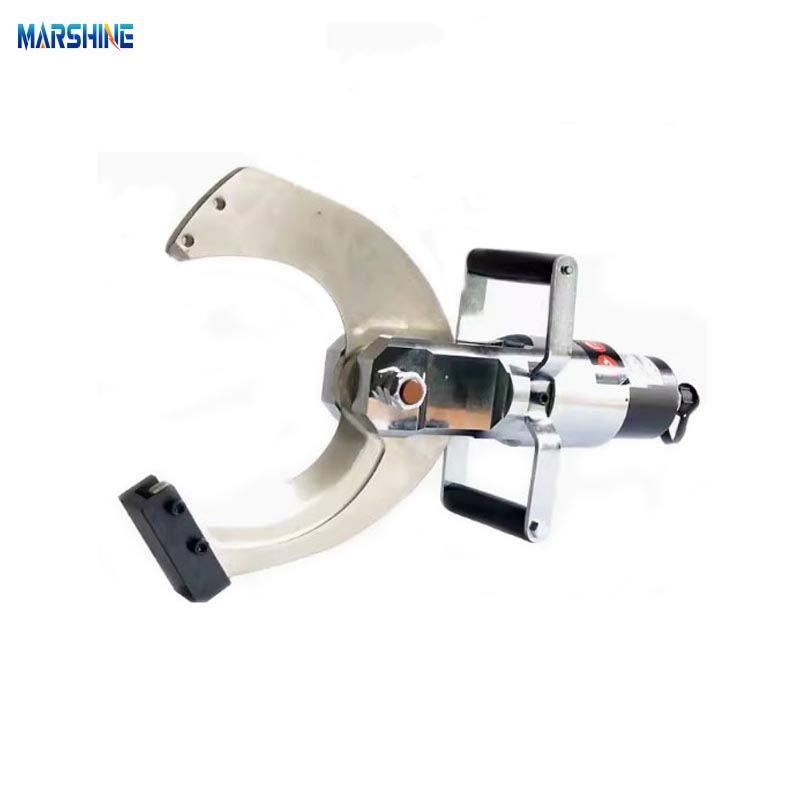
Tool compatibility serves as another critical deciding factor for procurement teams. A high-quality hydraulic power unit—sometimes marketed as a Portable Hydraulic Power Pack—must interface seamlessly with a wide variety of accessories. This includes powering attachments like hydraulic crimping tools, heavy-duty cable drum trailers, fiberglass duct rodders, and come-along clamps.
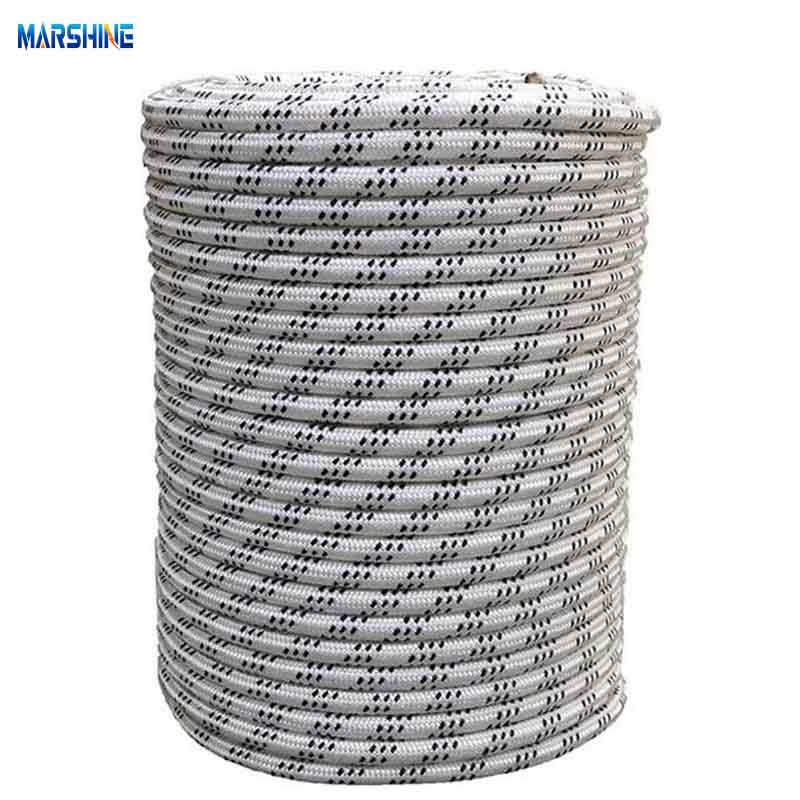
Sourcing from a comprehensive manufacturer greatly simplifies this logistical challenge. The industry offers thousands of circuitry construction tools across distinct series. A deep catalog ensures that the central power unit matches perfectly with specialized attachments, braided steel ropes, and aluminum wheels for pay-off pulleys. Proper compatibility eliminates the risk of mismatched hose fittings or sudden pressure drops during a critical pull.
Choosing, Deploying, and Maintaining a Hydraulic Power Unit
Investing in heavy-duty pulling equipment represents only the first step; proper field deployment and rigorous maintenance ultimately dictate the return on investment. Modern units feature user-friendly additions like quick-disconnect hydraulic couplers, integrated steel roll cages for impact protection, and easily accessible fluid sight glasses.
These design features make site setup significantly faster and protect the machinery during rough transport on utility trucks. Operating with a strict adherence to scheduled maintenance and service intervals ensures that field crews can rely on their power equipment day in and day out, minimizing costly unexpected downtime.
Pre-Pull Setup Steps
Before initiating any heavy underground pull, operators must execute a strict, documented pre-pull checklist. This essential process involves inspecting all high-pressure hoses for external abrasions, verifying that the hydraulic fluid is at the correct operational level, and carefully calibrating the system's pressure relief valves.
Crews should allow the diesel or gas engine to warm up for 5 to 10 minutes, ensuring the hydraulic fluid reaches an optimal viscosity before operating under load. During the actual pull, it is crucial to monitor the system gauges so that fluid temperatures remain safely below 140°F (60°C). Overheating degrades the fluid's protective properties, which can rapidly lead to internal pump damage, blown seals, and a sudden, dangerous loss of pulling tension.
Final Purchase Decision Criteria
When finalizing a major equipment purchase, buyers must look far beyond the initial price tag and evaluate the complete lifecycle cost of the machinery. A reliable power unit—often specified as a [Hydraulic Pump Station](https://www.cable-winch.
相关阅读:MARSHINE
Further reading:
Key Takeaways
- Use a hydraulic power unit for long, heavy, outdoor cable pulls where continuous force and rugged field performance are more important than low noise or low emissions.
- Compare pressure and flow rate before buying because pressure affects maximum pulling force while flow rate controls pulling speed.
- Choose hydraulic systems when smooth, variable tension control is needed to protect optical fiber, transmission cable, or sensitive cable jackets from sudden load spikes.
- Plan routine maintenance for fluid, filters, hoses, and leak prevention because hydraulic systems require more upkeep than many electric pulling options.
- Match the power unit to the job environment, since electric pullers suit indoor light-duty work while hydraulic units are better for trenches, mud, weather, and long conduit runs.
Frequently Asked Questions
What does a hydraulic power unit do in cable pulling?
It converts engine power into pressurized hydraulic fluid, which drives cable winches, tensioners, and related pulling equipment with steady force and controllable speed.
Why is hydraulic power better for heavy underground cable pulls?
Hydraulic systems deliver high continuous force, smooth tension control, and strong performance in outdoor trenches, long conduits, and rugged utility environments.
How does hydraulic control protect cables during pulling?
Variable speed and tension control reduce jerking, stuttering, and sudden load spikes that can damage cable jackets, deform conductors, or stress optical fiber lines.
What specifications should buyers compare before choosing a hydraulic power unit?
Compare operating pressure, flow rate, duty cycle, cooling capacity, reservoir size, hose compatibility, maintenance access, and suitability for the required pulling force.
When is an electric cable puller a better choice?
Electric pullers are often better for indoor commercial wiring, lighter conduit runs, low-noise areas, and locations where exhaust emissions are not acceptable.