

Cable pulling projects often lose time before the first meter of cable moves—crews must position trucks, align winches, manage soft ground, and coordinate labor around heavy tension loads. A self propelled winch changes that workflow by combining job-site mobility with controlled pulling force in one machine. For utility contractors working in trenches, narrow rights-of-way, substations, or off-road grid construction zones, the result can be faster setup, fewer operators, and more consistent cable handling. This article explains the key specifications that matter, compares self-propelled units with conventional winch setups, and highlights practical factors such as line speed, ground pressure, pulling capacity, safety, and total equipment cost.
How a Self Propelled Winch Improves Cable Pulling
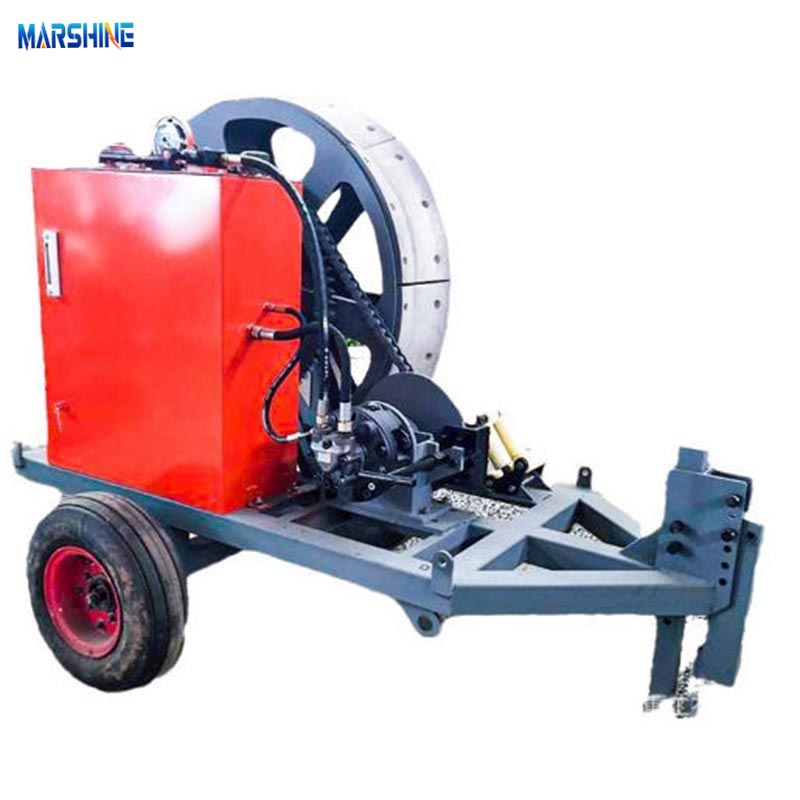
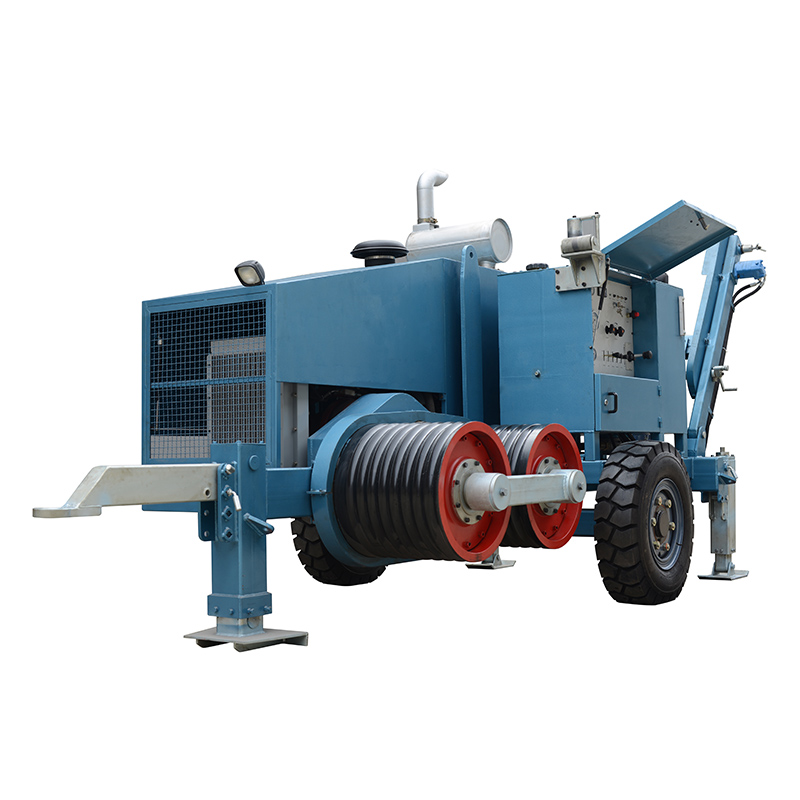
When utility crews face underground or aerial cable installations, positioning heavy equipment often consumes valuable time and labor. A self-propelled winch improves efficiency by combining independent mobility with pulling power, reducing the need for separate towing vehicles (which often exceed 5,000 kg) and complex rigging on the job site. Available in tracked or wheeled configurations, these units allow crews to access remote grid construction sites more easily. By navigating off-road terrain independently, they streamline the transition from transport to active pulling, allowing operators to focus on the installation process rather than equipment positioning.
Key Specifications That Affect Performance
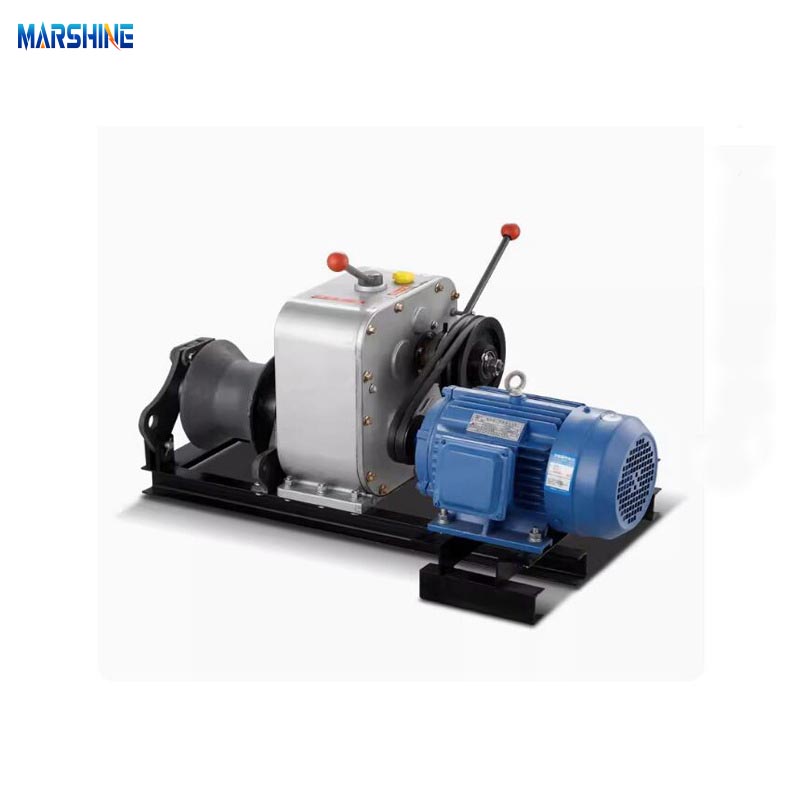
The specifications of a Tractor Puller Winch dictate its suitability for power grid construction. Rather than relying on a single universal standard, buyers must evaluate both drawbar pull (for vehicle mobility) and winch pull ratings. For example, a typical mid-range machine might offer a rated pulling force between 30 kN and 50 kN (approximately 6,700 to 11,200 lbf) to manage heavy-duty underground power cables, though exact capacities vary significantly by model class and engineering design.
Line speed is equally critical for productivity and cable safety. Many standard units maintain a steady, adjustable pulling speed—often around 10 to 15 meters per minute on mid-sized models powered by 25 to 50 HP diesel engines—preventing sudden jerks that could damage the cable jacket. The integration of a robust diesel engine with a precision-machined wire rope winch delivers consistent torque. Additionally, dual-capstan bull wheels (typically 300mm to 500mm in diameter) help maintain constant tension, mitigating rope slip and ensuring efficient power transfer during continuous operations.
Comparison With Conventional Cable Pulling Methods
Utilizing a self-propelled unit shifts the operational timeline and resource allocation on site. Conventional setups often require a separate heavy-duty truck to tow a skid-mounted winch, followed by manual positioning that can be time-consuming in tight urban environments or muddy fields. Conversely, self-propelled models introduce higher capital costs and may face noise or emissions restrictions in certain municipalities. In scenarios where mobility is not an issue, conventional truck-mounted winches may remain the more cost-effective choice.
| Feature | Conventional Winch Setup | Self-Propelled Winch |
|---|---|---|
| Setup Time | Often 30–45 minutes | Typically under 10 minutes |
| Mobility | Requires external towing vehicle | Independent travel on site (up to 3–5 km/h) |
| Labor Required | 3–5 operators | 1–2 operators |
| Ground Pressure | High (truck tires >40 psi) | Low (tracks typically 4–8 psi) |
| Capital Cost Premium | Baseline investment | 20–40% higher initial equipment cost |
By driving directly to the trench or utility pole, the self-propelled model streamlines vehicle coordination. Its compact footprint is advantageous for working in congested city streets or narrow right-of-ways, offering an efficient alternative for modern line construction.
How Crews Use a Self Propelled Winch Safely
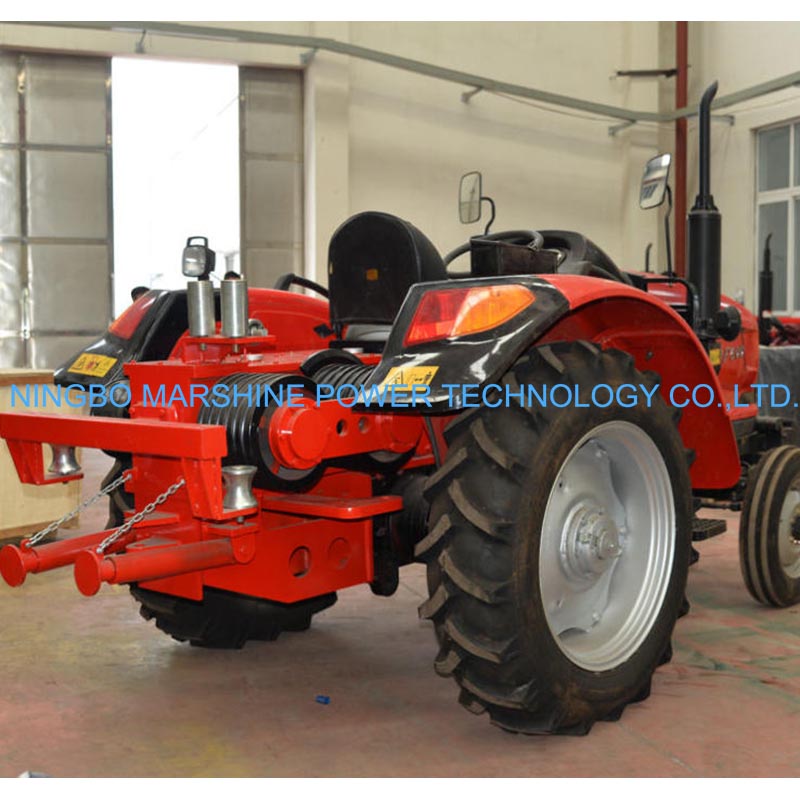
Keeping crews safe while handling massive tension loads (often exceeding 3,000 kg) is critical in power line construction. Manufacturers integrate safety features directly into the equipment design. Depending on the jurisdiction and the specific control setup—such as walk-behind, ride-on, or remote-operated systems—operators need specialized training to handle this machinery safely. For instance, remote-operated units require strict adherence to line-of-sight requirements (typically within a 50-meter operational radius) to prevent blind pulls and ensure immediate response to snags.
A self-propelled winch typically includes integrated safety mechanisms like automatic braking systems, heavy-duty outriggers, and reinforced chassis designs. These elements are essential for stabilizing the unit against the reaction forces generated during high-tension pulls.
Jobsite Preparation and Route Inspection
Before starting the engine, crews must inspect the entire pulling route to identify potential hazards, sharp bends, or obstructions. Although a self-propelled unit features aggressive traction, operators must consult specific manufacturer guidelines regarding maximum slope limits (often restricted to 15° to 20°) to prevent tip-overs.
Ground conditions significantly affect on-site traction and anchoring requirements. Buyers and operators must account for ground pressure differences; tracked units distribute weight better (often 4 to 8 psi) on swampy or loose soil, while wheeled units may require heavy-duty leveling mats to prevent sinking. Crews should establish a safety clearance zone around the pulling path and the winch (typically a minimum 10-meter radius), adhering to local regulations and jobsite-specific engineering plans. Routine checks of the braided steel rope are mandatory; safety protocols dictate replacing the rope if inspectors find wear exceeding the manufacturer's specified thresholds (e.g., >5% reduction in nominal diameter or 3+ broken wires per strand), protecting personnel from potential line snaps.
Operating Parameters for Safe Pulling
During the pull, operators rely on the winch's built-in dynamometer and tension gauges to keep pulling force under the cable's maximum rated limit. Following recognized industry guidelines, engineers recommend maintaining tension well below this maximum threshold (often capping pulls at 80% of the rated limit) to provide a 20% safety margin. Exceeding the limit risks stretching the internal copper conductors or tearing the outer protective jacket, which can lead to electrical failures.
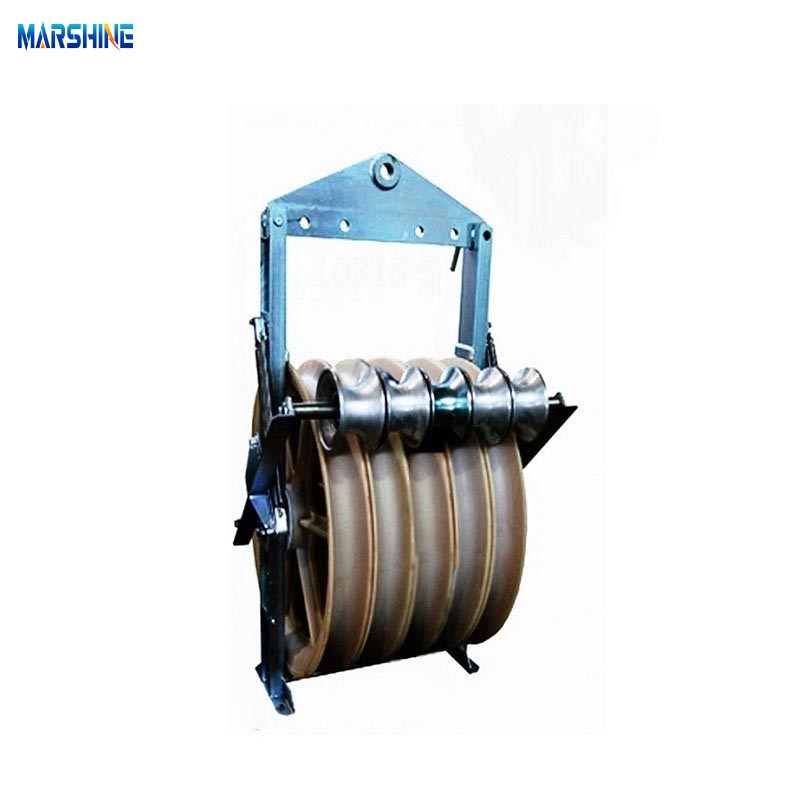
Modern self-propelled winches feature advanced anti-reversing mechanisms and hydraulic tensioners that automatically lock and hold the load if engine power is lost. By actively monitoring these parameters and utilizing properly sized stringing blocks and cable rollers that match the cable's bending radius (typically 15 to 20 times the cable's outer diameter), crews can maintain a controlled pull.
How Buyers Choose the Right Self Propelled Winch
Navigating the market for heavy-duty pulling tools requires understanding the total cost of ownership. Buyers need equipment that provides long-term reliability, factoring in that self-propelled diesel and hydraulic systems demand specialized, regular maintenance (e.g., hydraulic fluid and filter changes every 250 to 500 operating hours) compared to simpler static setups. Furthermore, buyers must consider deployment logistics, including trailer licensing requirements and weight limits (units often range from 1,500 kg to 3,500 kg) for transporting the unit over public roads between job sites.
When evaluating a [Self Propelled Cable Puller](https://www.cable-winch.
Further reading:
Key Takeaways
- Choose a self propelled winch when frequent repositioning, remote access, or tight right-of-way work makes towing a skid-mounted unit inefficient.
- Match the machine to the project by checking both drawbar pull for mobility and winch pull rating for cable tension requirements.
- Use adjustable line speed, often around 10 to 15 meters per minute on mid-sized units, to maintain steady tension and protect cable insulation.
- Consider tracked models for muddy or sensitive ground because track pressure can be far lower than heavy truck tire pressure.
- Balance productivity gains against budget because self propelled models may cost 20–40% more upfront than conventional winch setups.
- Plan crew size around the equipment advantage, since self propelled winches can often reduce operating labor from 3–5 people to 1–2 people.
Frequently Asked Questions
What is a self propelled winch used for?
A self propelled winch is used to pull underground or aerial cables while moving independently around the job site, reducing the need for towing vehicles and manual repositioning.
How much pulling force does a self propelled winch typically provide?
Many mid-range models provide about 30 kN to 50 kN of rated pulling force, though the correct capacity depends on cable size, route conditions, and project requirements.
How does it reduce cable pulling setup time?
Because it can drive directly to the trench, duct, or pole location, setup can often drop from 30–45 minutes with conventional systems to under 10 minutes.
Is a tracked or wheeled self propelled winch better?
Tracked models are better for soft, muddy, or uneven terrain because they lower ground pressure, while wheeled models can be more efficient on firm, accessible sites.
What line speed is common for mid-sized cable pulling winches?
Many mid-sized diesel-powered units operate around 10 to 15 meters per minute, helping maintain steady tension and reduce the risk of cable jacket damage.