

Introduction
Removing a tight, interference-fit bearing without harming the shaft, housing, or nearby components requires more than force alone. A hydraulic bearing puller improves this process by applying controlled, even pressure that reduces shock loading, lowers the chance of jaw slip or sudden release, and makes difficult removals more predictable. It also helps technicians work faster in confined spaces and with less reliance on improvised methods such as excessive prying or heat. The sections that follow explain why this tool is safer than manual pullers, where it is commonly used, and which specifications matter when choosing the right model.
Why a Hydraulic Bearing Puller Matters
Industrial maintenance requires specialized equipment to dismount interference-fit components without damaging the precision-machined shaft or the surrounding housing. A hydraulic bearing puller provides a massive mechanical advantage over traditional manual tools, utilizing fluid dynamics to generate controlled linear force. A defining feature of these advanced units is the integrated, sealed hydraulic cylinder. This self-contained design eliminates the need for separate hand pumps and bulky hoses in many compact models, allowing for single-person operation even in confined spaces and significantly reducing equipment downtime during critical maintenance windows.
Safety and application overview
Replacing bearings on large-scale rotary equipment presents significant safety risks if improvised or purely mechanical methods are used. When a standard mechanical puller reaches its tensile limit, the sudden release of kinetic energy can cause catastrophic jaw failure or projectile hazards. Conversely, hydraulic systems apply smooth, continuous pressure, effectively mitigating dangerous shock loading. These robust tools are heavily utilized in power grid construction, railway maintenance, and heavy manufacturing facilities, where a specialized hydraulic wheel puller is often deployed to extract seized gears, pulleys, and heavy-duty bearings safely without relying on dangerous open-flame heating methods.
Key specifications to note
Selecting the appropriate equipment requires strict adherence to technical specifications and load limits. Standard hydraulic pullers typically offer extraction capacities ranging from 5 tons for light industrial electric motors up to 50 tons or more for heavy mining machinery. Operators must also evaluate the maximum spread (often ranging from 200 mm to over 500 mm) and the effective reach capabilities of the pulling arms to ensure compatibility with the specific application.
| Specification | Light-Duty Hydraulic Puller | Heavy-Duty Hydraulic Puller |
|---|---|---|
| Pulling Capacity | 5 - 10 Tons | 20 - 50+ Tons |
| Maximum Spread | 200 mm - 250 mm | 400 mm - 500 mm |
| Operating Pressure | 700 bar (10,000 PSI) | 700 bar (10,000 PSI) |
| Typical Weight | 5 - 8 kg | 25 - 40 kg |
How a Hydraulic Bearing Puller Improves Removal
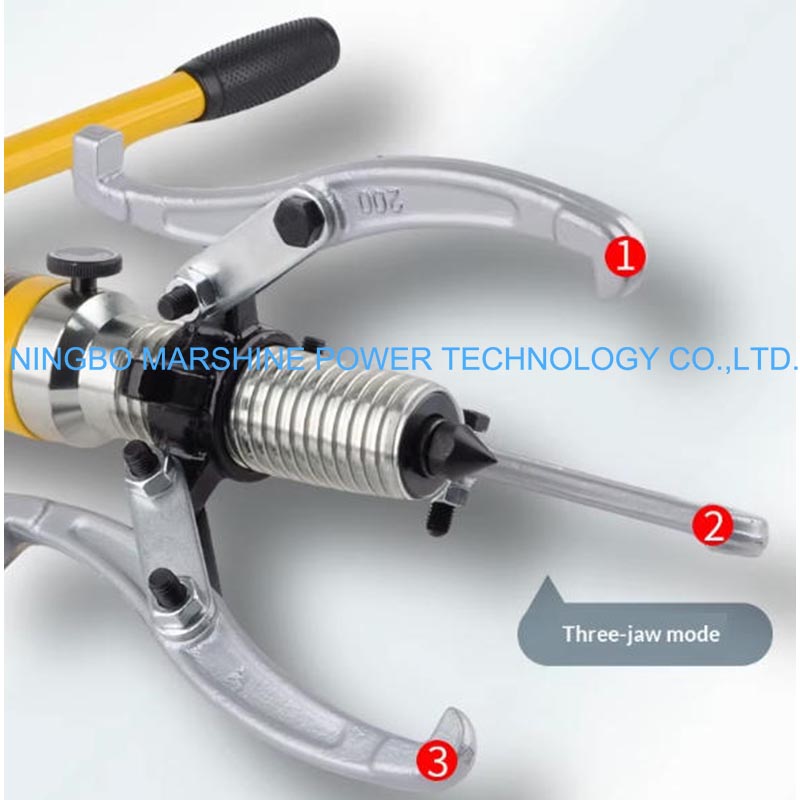
The core advantage of a hydraulic bearing puller lies in its ability to translate minimal manual input into immense, highly concentrated extraction force, bypassing the severe torque limitations of threaded mechanical pullers. A critical feature in modern iterations is the 360-degree rotating pump handle combined with a self-centering jaw mechanism. This design ensures the pulling force remains perfectly aligned with the shaft axis at all times, preventing lateral deflection, galling, or binding during the extraction phase.
Safety and precision mechanisms
Precision engineering within the hydraulic cylinder allows for micro-adjustments during the most critical phases of extraction. Standard professional units operate at extreme internal fluid pressures reaching 700 bar (10,000 PSI) and are equipped with internal bypass pressure relief valves. This integrated safety feature automatically prevents the operator from exceeding the tool's maximum rated tonnage, ensuring the structural integrity of the forged steel jaws is never compromised. By distributing the load evenly across a modular two-jaw or three-jaw configuration, the risk of localized point-load deformation on the bearing ring is significantly reduced.
Basic removal process
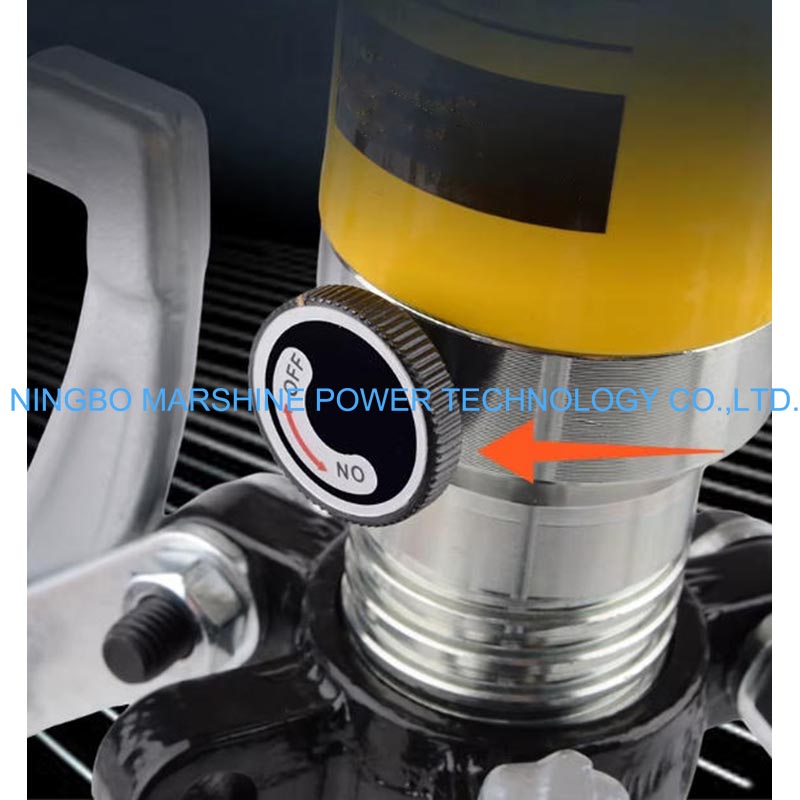
Using a bearing removal tool efficiently requires a highly systematic approach to prevent component damage. First, the operator adjusts the jaw spread to securely grip the inner or outer ring of the bearing, ensuring the center point of the hydraulic ram aligns perfectly with the shaft's center indentation. Once positioned correctly, the operator closes the hydraulic return valve and actuates the pump handle. The internal hydraulic plunger extends, applying steady, measurable pressure against the shaft while simultaneously pulling the bearing outward. Once the bearing breaks free of its tight interference fit, the pressure is safely released via the return valve, instantly retracting the plunger and completing the extraction with zero impact damage.
How to Choose the Right Hydraulic Bearing Puller
Procuring the correct hydraulic bearing puller requires balancing technical specifications with the realities of harsh operational environments. Industrial buyers must look for key features such as anti-corrosion treatments on the hydraulic cylinder, high-strength drop-forged alloy steel jaws, and modular designs that allow maintenance technicians to quickly switch between two-jaw and three-jaw configurations to accommodate varying spatial constraints within machinery housings.
Selection criteria
The fundamental rule for sizing a puller is based primarily on the shaft diameter and the tightness of the interference fit. A standard industry metric requires approximately 7 to 10 tons of pulling capacity per inch (25.4 mm) of shaft diameter. Therefore, extracting a bearing from a 3-inch shaft typically requires a puller rated for at least 21 to 30 tons. Additionally, the tool's maximum reach must comfortably exceed the depth of the bearing placement on the shaft, and the jaw tips must possess sufficient profile thinness—often requiring clearances as tight as 5 mm to 8 mm—to fit securely behind the bearing without compromising their overall tensile strength.
Sourcing and supplier considerations
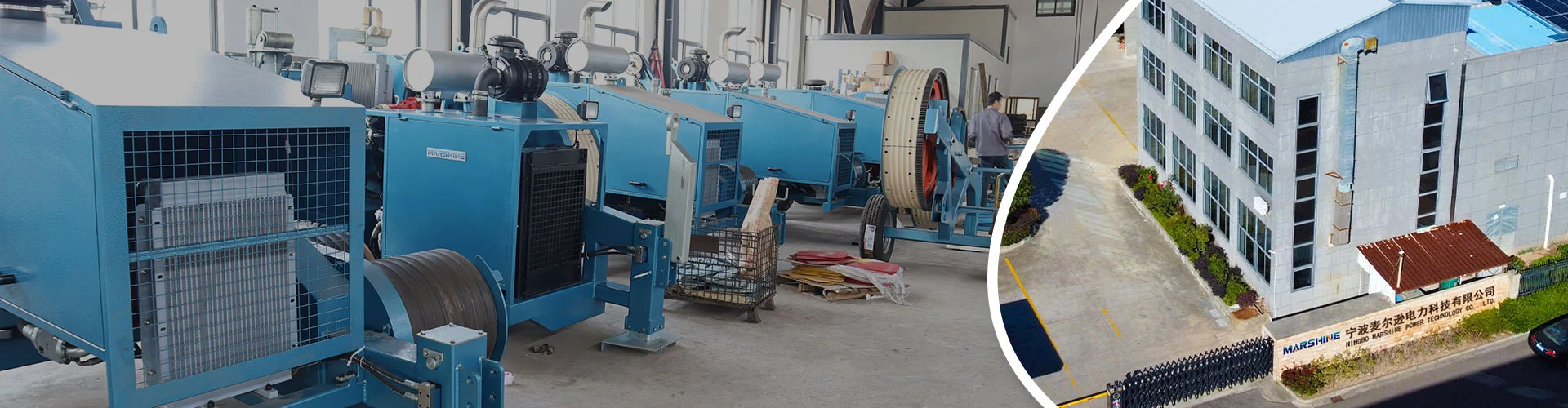
Reliable tooling requires sourcing from established manufacturers with proven quality control frameworks and deep industry expertise. For instance, Ningbo Marshine Power Technology Co., Ltd. specializes in developing and manufacturing advanced electrical power equipment tools, maintaining the rigorous GB/T19001-2008 quality system certification. Operating under the enduring management philosophy, "science and technology-oriented, the user's demand is our pursuit," MARSHINE consistently delivers first-class products for power grid construction and operation. Their extensive and innovative portfolio, which includes everything from cable pulling winches to specialized hydraulic crimping tools, demonstrates an unwavering commitment to reliable quality. By prioritizing customer satisfaction and comprehensive quality tracking, they ensure maintenance teams worldwide have access to the safest, most efficient extraction equipment available on the market.
Further reading:
Key Takeaways
- The most important conclusions and rationale for hydraulic bearing puller
- Specs, compliance, and risk checks worth validating before you commit
- Practical next steps and caveats readers can apply immediately
Frequently Asked Questions
Why is a hydraulic bearing puller safer than a mechanical puller?
It applies smooth, controlled force instead of sudden shock loads, reducing jaw failure and flying-part risks during bearing removal.
What capacity hydraulic bearing puller should I choose?
Match tonnage, spread, and reach to the bearing and shaft size. Typical options range from 5–10 tons for motors to 20–50+ tons for heavy equipment.
Can a hydraulic bearing puller be used in tight maintenance spaces?
Yes. Compact models with an integrated hydraulic cylinder and rotating handle are designed for single-person use in confined industrial areas.
How do I prevent shaft or housing damage during removal?
Center the ram on the shaft, grip the correct bearing ring, and use self-centering jaws to keep force aligned and avoid lateral scoring or binding.
Where can hydraulic pullers be used in cable-winch.com industries?
They are practical for power grid work, railway maintenance, and heavy manufacturing when removing seized bearings, gears, pulleys, and wheels safely.