

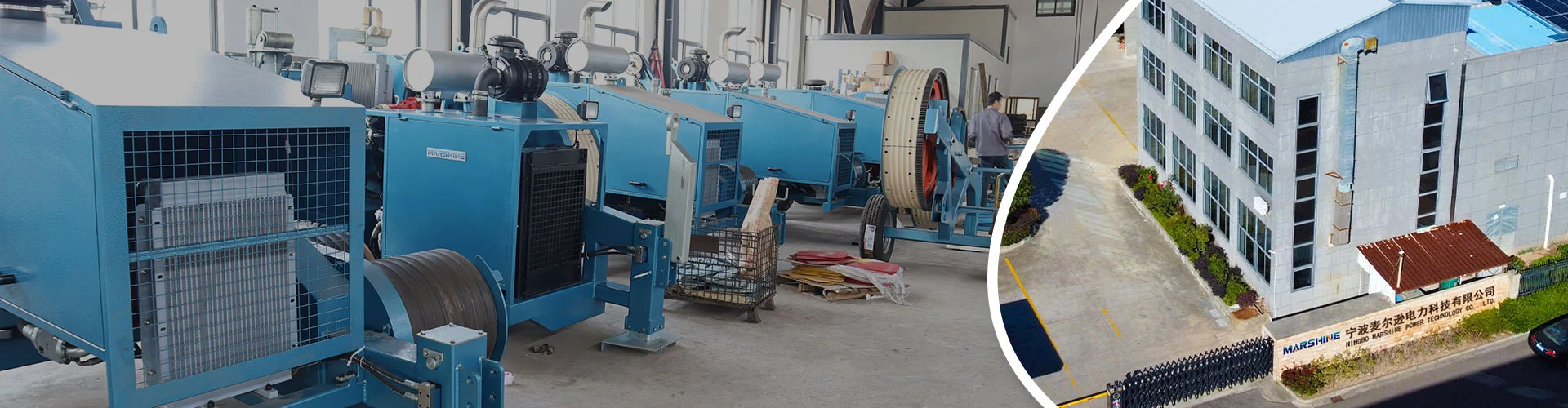
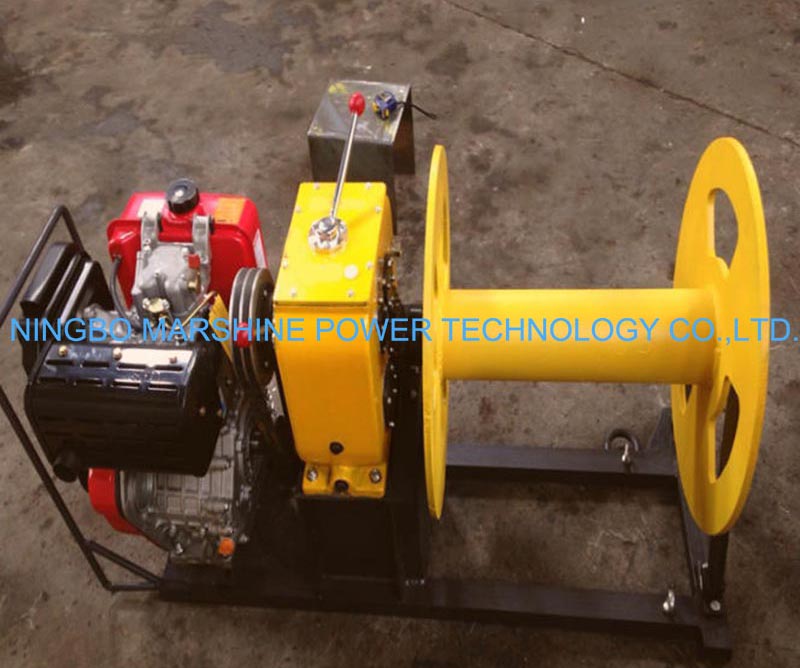
Remote utility projects often fail or fall behind for one simple reason: the crew has pulling work to do but no reliable power source nearby. In power-grid expansion, telecom cable installation, and difficult conduit runs, a petrol engine winch gives field teams independent pulling force without the added burden of transporting generators. The result is faster setup, less manual strain, and more consistent control over cable movement in rough terrain. This article explains how petrol-powered winches support construction crews, why specifications such as 3-ton to 5-ton capacity and variable line speed matter, and how capstan designs, tensioners, stringing blocks, and drum trailers work together to improve safe cable pulling.
How Petrol Engine Winches Improve Field Construction
In remote utility field construction—specifically power-grid expansion and telecom cable stringing—relying on manual labor or generator-dependent electric tools is often impractical and slow. Field construction frequently involves navigating challenging terrain where power outlets are unavailable. A reliable petrol engine winch provides heavy-duty, off-grid pulling power that directly cuts deployment time and reduces crew fatigue. By offering true generator independence, this equipment removes the logistical burden of hauling heavy secondary power sources to remote sites. With a high power-to-weight ratio and rapid site-to-site mobility, these winches ensure utility infrastructure projects proceed safely and efficiently regardless of challenging environmental conditions.
What a Petrol Engine Winch Is
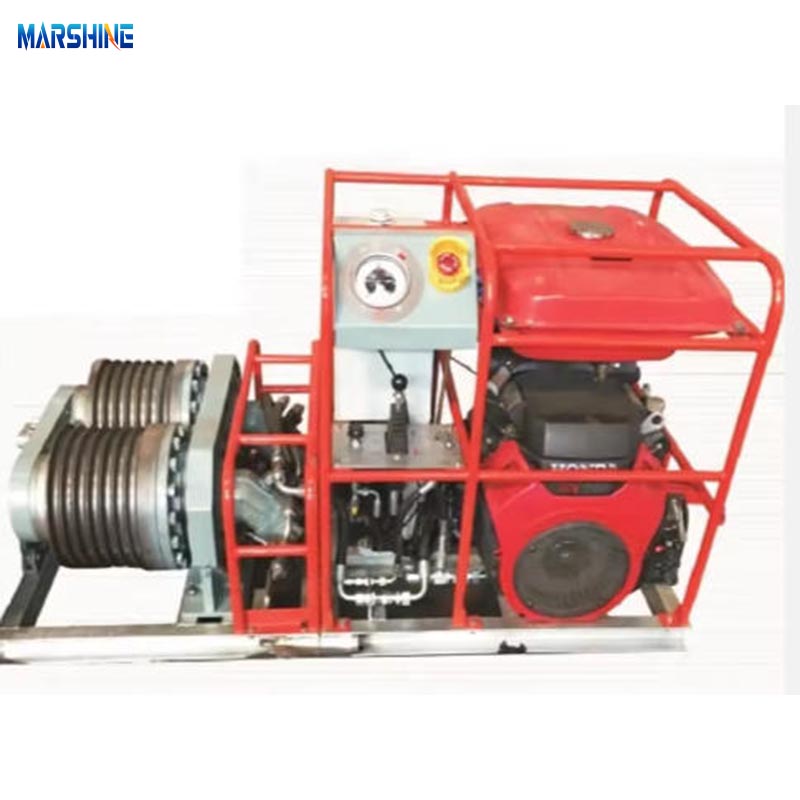
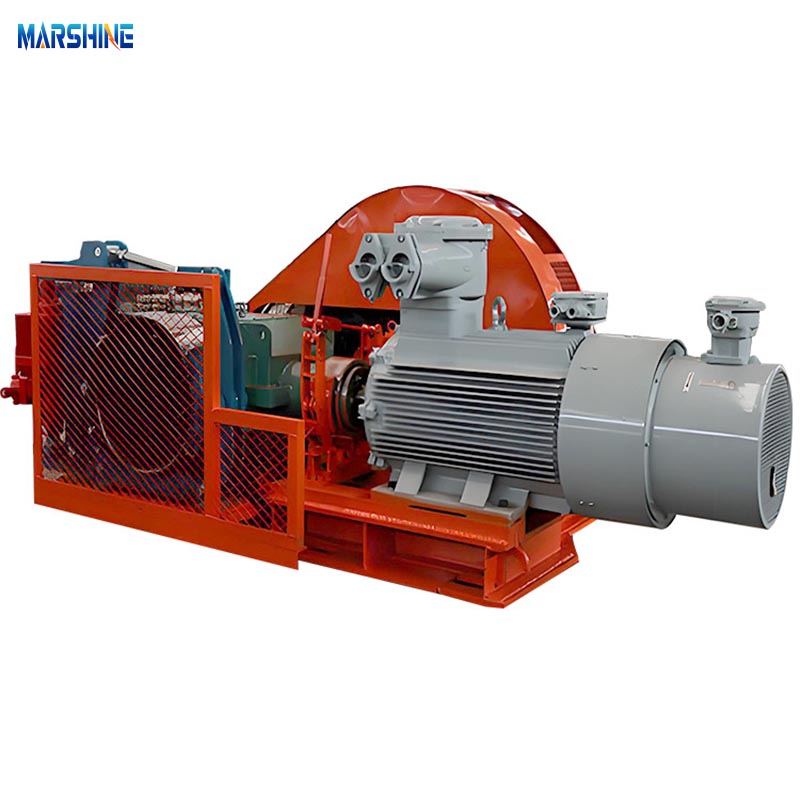
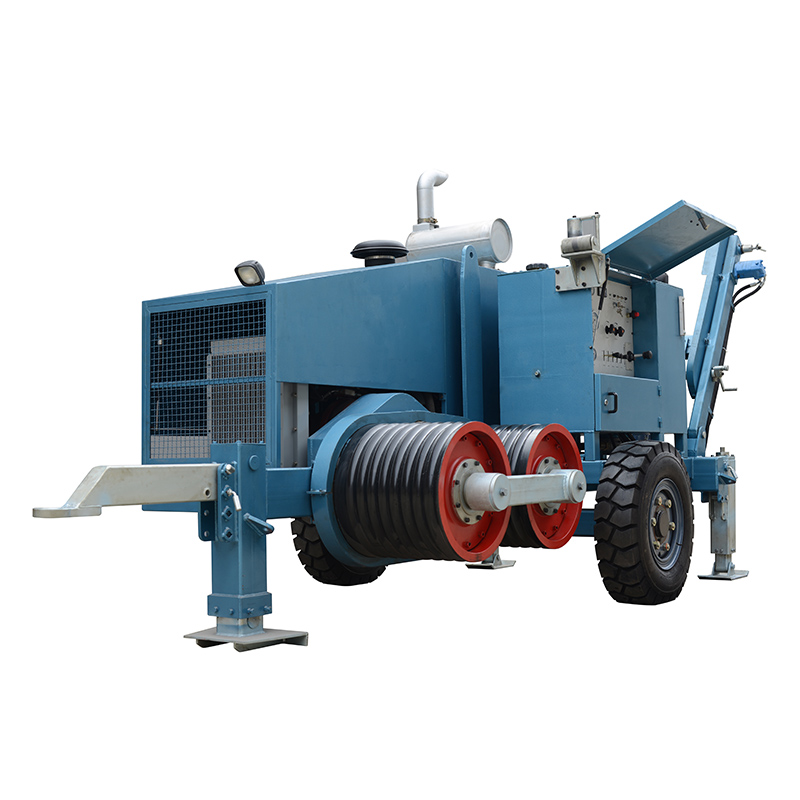
A petrol engine winch is a standalone, gas-powered mechanical pulling device designed for heavy dragging and tensioning. Unlike electrical alternatives that require bulky generators, these winches feature a 4-stroke gasoline engine, providing an independent power source that allows for easy transport via ATVs to remote sites. A standard field unit offers a 3-ton to 5-ton continuous pulling capacity, sufficient for standard distribution lines. Advanced tools, such as a wire rope take-up winch, often utilize a dual-capstan design. Unlike traditional drum winches that store the rope on a spool, a dual capstan grips the rope to maximize surface contact and passes it through continuously. This capstan-based unlimited rope length eliminates the need for mid-pull splicing, which significantly reduces tower-to-tower setup time and prevents the wire rope from crushing or fraying under high tension.
How Petrol Engine Winches Support Cable Pulling
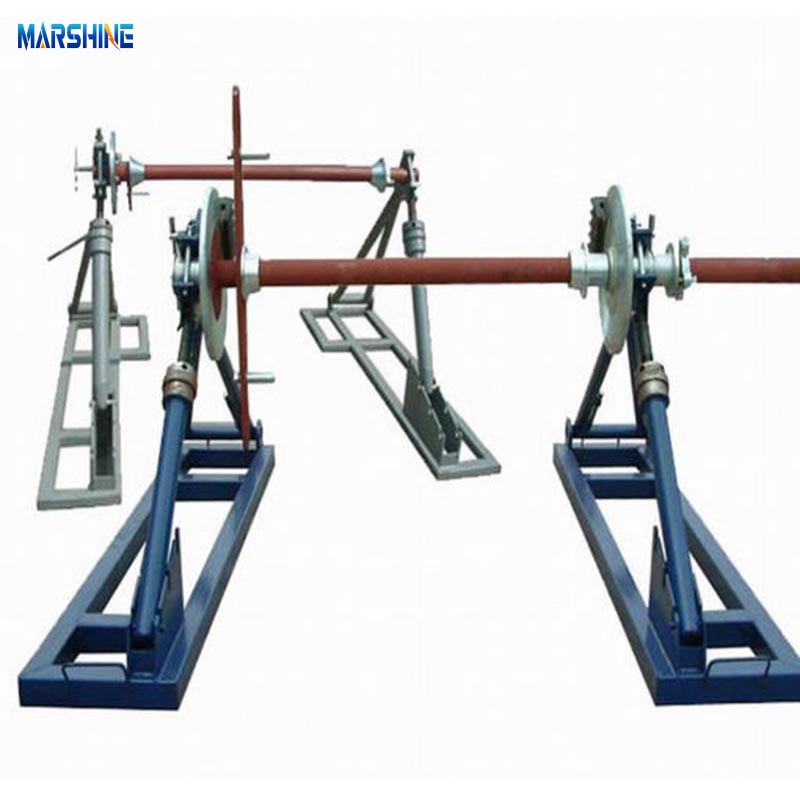
For utility cable pulling, these winches provide the necessary force for complex aerial stringing and challenging underground conduit networks. A typical pull sequence begins by threading a lightweight pilot line through the conduit or across stringing blocks. Once the main conductor is attached, the operator initiates the pull. During this critical phase, variable throttle controls allow operators to carefully advance delicate fiber optic cables through tight underground spaces. This direct cause-and-effect control over line speed prevents sudden tension spikes, thereby protecting fragile fiber jackets from friction damage and preventing conductor stretching. Once the delicate section is cleared, the operator can increase the throttle for rapid slack line recovery. These winches operate within an ecosystem of accessories—including cable pulling tensioners, universal stringing blocks, cable drum trailers, and fiberglass duct rodders—working in tandem to create a comprehensive, highly controlled pulling system.
Key Petrol Engine Winch Specifications for Cable Pulling
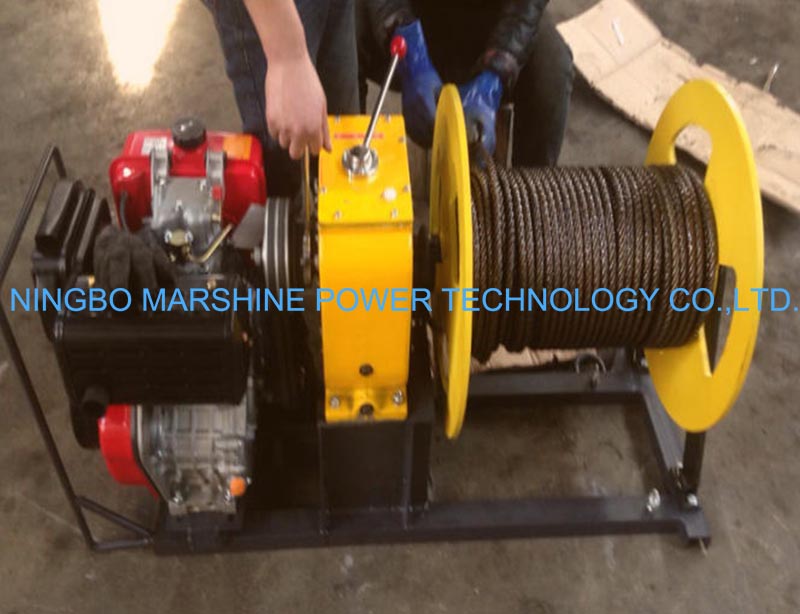
Selecting an inappropriate winch for a demanding cable pull can result in snapped lines, damaged conductors, or motor failure. Field crews must carefully match the specific technical features of the equipment to the demands of the terrain and the physical weight of the conductor, whether pulling heavy ACSR wire or delicate fiber optics.
How to Evaluate Pulling Capacity, Speed, and Rope Length
Evaluating a winch requires analyzing its rated pulling capacity, line speed, and rope handling capabilities. Most standard utility field jobs require a rated pulling force of 30 kN (3 tons) to 50 kN (5 tons) to maintain an adequate safety margin. Speed is also crucial; a standard petrol engine winch typically offers consistent line speeds ranging from 10 to 15 meters per minute. This controlled pace directly prevents cable jacket friction damage inside conduits. Furthermore, equipment selection must account for rope length. Traditional drum winches must be sized to spool between 100 and 300 meters of braided steel rope, whereas capstan units allow for continuous pulling of unlimited rope lengths. Adequate capacity ensures crews can handle long spans between transmission towers without stopping for mid-pull splices.
How to Compare Petrol Engine Winch Options
Comparing various options involves matching engine horsepower and physical dimensions against the crew's mobility requirements, while also weighing operational trade-offs. A lighter unit is easier to transport into remote areas, but it is a common oversimplification to assume that heavier units automatically provide more torque. In reality, torque and pulling power are determined by gearbox ratios, capstan diameter, and engine output, not merely the mass of the machine.
Buyers must also consider performance trade-offs versus alternative technologies. Petrol winches offer unmatched remote runtime, but they face emissions and noise restrictions in environmentally sensitive zones where battery-electric models might be required. Conversely, while petrol units are highly portable, they cannot match the massive, continuous pulling force of heavy hydraulic alternatives. Buyers must also decide between configurations: drum winches are simpler to operate but limited by spool capacity, whereas capstan winches allow unlimited rope length but require skilled operators to maintain proper friction. Whether evaluating a standard setup or a specialized rope recovery winch, checking typical specification ranges side-by-side helps clarify the best procurement decision for specific site conditions.
| Feature | Typical 3-Ton Petrol Winch | Typical 5-Ton Petrol Winch |
|---|---|---|
| Rated Pulling Force | 30 kN | 50 kN |
| Engine Power | 5.0 - 6.5 HP | 8.5 - 10.0 HP |
| Average Line Speed | 10 - 14 m/min | 8 - 12 m/min |
| Estimated Weight | 80 - 95 kg | 120 - 145 kg |
| Best Application | Distribution lines, telecom | Heavy transmission, large underground |
Note: The specifications above represent broad manufacturer ranges. Exact figures vary significantly by brand and model.
As the table highlights, upgrading to a 5-ton unit sacrifices some line speed and adds weight, but it provides the necessary power for heavy-duty transmission projects.
How to Select, Deploy, and Source Petrol Engine Winches
Transporting equipment to the construction site is only the first step. Proper jobsite deployment and sourcing from an industry-tested manufacturer are critical to ensuring the project finishes on schedule and avoids costly delays.
Practical Deployment Steps for Field Crews
Practical deployment requires certified, load-rated anchoring. Standard ground stakes or standard truck hitches are rarely rated for 3-ton to 5-ton pulls and can fail catastrophically under load.
Further reading:
Key Takeaways
- Use a petrol engine winch for remote field construction when site power is unavailable and hauling a generator would slow deployment.
- Match the winch to the job by checking pulling capacity, line speed, and rope handling before pulling heavy ACSR conductors or delicate fiber cables.
- Choose a 3-ton to 5-ton petrol engine winch for many standard distribution-line and utility cable pulling tasks.
- Select a dual-capstan winch when long pulls are required because continuous rope passage reduces splicing and helps protect the wire rope.
- Control line speed with the throttle during fiber optic pulls to prevent sudden tension spikes, jacket damage, and conductor stretching.
- Combine the winch with tensioners, stringing blocks, drum trailers, and duct rodders to build a safer and more controlled pulling setup.
Frequently Asked Questions
What is a petrol engine winch used for in field construction?
It is used for off-grid pulling, dragging, and tensioning in utility work such as power-line construction, telecom cable stringing, and underground conduit pulls where electrical power is unavailable.
Why choose a petrol engine winch instead of an electric winch?
A petrol engine winch does not need a generator or site power, making it easier to deploy in remote terrain. It reduces equipment hauling, setup time, and crew fatigue.
What pulling capacity is typical for field cable work?
Many field petrol engine winches provide about 3 tons to 5 tons of continuous pulling capacity, which is suitable for standard distribution lines and many telecom cable applications.
How does a dual-capstan winch help cable pulling?
A dual-capstan design grips the rope continuously instead of storing it on a drum. This allows longer pulls, reduces mid-pull splicing, and helps prevent rope crushing under high tension.
Can a petrol engine winch be used for fiber optic cable?
Yes, when operated with controlled line speed. Variable throttle control helps reduce sudden tension spikes, protecting delicate fiber jackets from friction damage or overstretching.