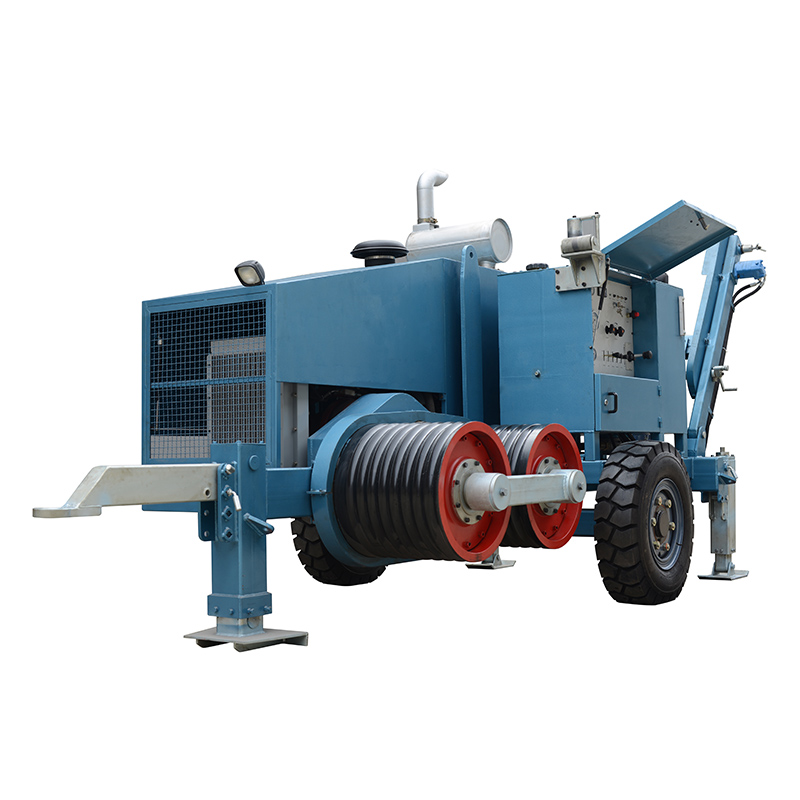


A conductor stringing project can fail quickly if tension is inconsistent: sagging cable may strike obstacles, delicate OPGW can be damaged, and crews may face unnecessary safety risks. The right hydraulic tensioning equipment keeps conductors controlled across demanding spans, whether the route crosses mountains, forests, roads, or rivers. This guide explains how to assess site conditions, calculate capacity needs, match the tensioner with pulling machinery and stringing blocks, and evaluate critical features such as bull wheel design, braking systems, hydraulic control, and cooling. By focusing on measurable project requirements instead of generic specifications, buyers can select a machine that improves safety, productivity, and conductor protection.
Define Project Requirements
Assess Line Conditions
Evaluating the physical environment of the installation site is the first step, as terrain drastically impacts equipment selection. Stringing operations across mountainous regions, dense forests, or wide river crossings with long spans—such as those exceeding 800 meters—demand robust machines capable of handling sudden load shifts. The specific type of cable being pulled—whether heavy ACSR (Aluminum Conductor Steel Reinforced) or delicate OPGW (Optical Ground Wire)—dictates the necessary groove profiles and bull wheel materials to prevent surface damage.
Additionally, practical mobility and site access are critical factors that often determine whether a machine can be deployed at all. Project managers must evaluate the unit's overall weight, transport dimensions, ground-bearing pressure, and terrain adaptability to ensure it can safely reach and operate in remote or rugged locations. Rather than duplicating specification checks here, buyers should cross-reference these environmental constraints with the core machine specifications detailed in the Review Key Technical Parameters section below.
Set Tension and Capacity Needs
Operational requirements dictate the core equipment specifications. Rather than focusing on specific machine ratings at this stage, project managers must calculate the required continuous tension based on the conductor type, span length, and sag parameters. Multi-bundle setups specifically require multi-groove bull wheels to handle multiple cables simultaneously, and the machine's required line speed must align with the pulling equipment to maintain synchronization.
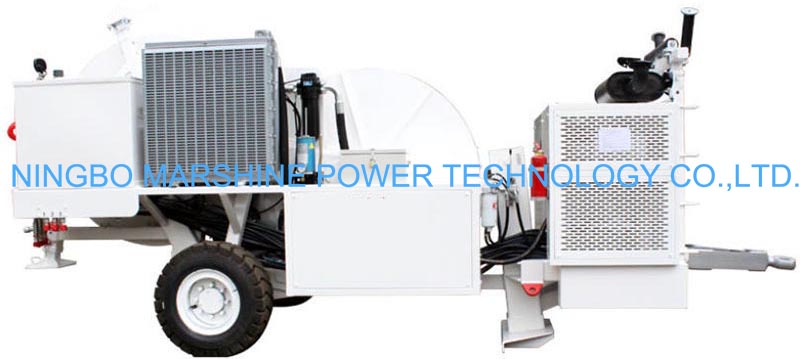
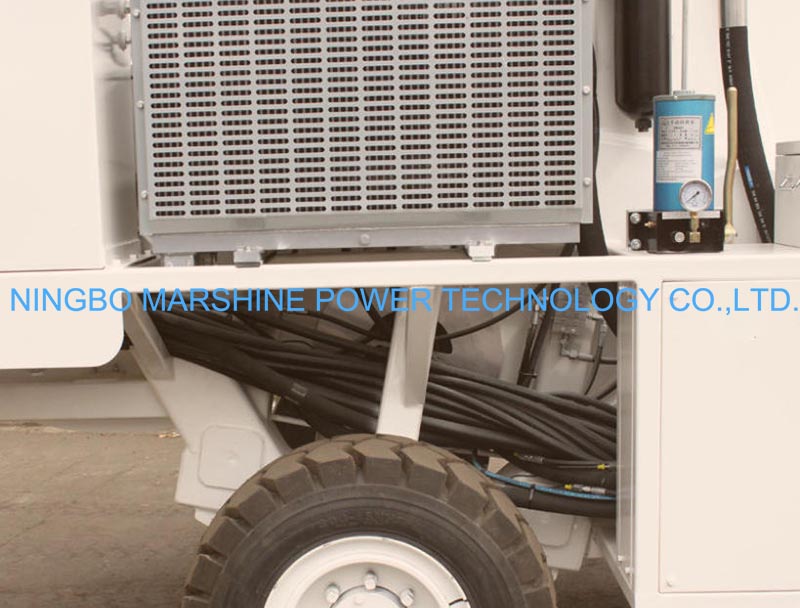
Construction crews rely on tensioners that deliver constant, infinitely variable tension control to prevent conductor snapping or dangerous sagging—though actual performance depends heavily on the specific hydraulic system and manufacturer-rated synchronization limits. Modern machines feature closed-loop hydraulic systems that automatically adjust to line resistance; buyers should check the manufacturer's rated specifications for tension deviation limits to ensure precise control. Safety and reliability features are equally critical; look for redundant braking systems, emergency stop functions, and hydraulic pressure relief valves to protect both the crew and the conductor. Cooling systems are also essential to manage hydraulic fluid temperatures during extended continuous pulls, which can sometimes last over eight hours. Finally, system compatibility is paramount; the tensioner should be carefully matched with the pulling machine, pulling rope, stringing blocks, and reel stands.
Compare Machine Options
Comparing hardware specifications and evaluating manufacturers ensures the selected machine meets engineering requirements with proven reliability. Successful equipment procurement relies on finding a balance between mechanical capability and long-term supplier support.
Review Key Technical Parameters
Reviewing the technical specification sheet is essential for matching equipment to project demands. A standard 220kV to 500kV high-voltage transmission line often requires continuous tension capacities ranging from 40 kN for single conductors up to 180 kN for complex multi-bundle configurations. Bull wheel diameter is another critical metric for preserving cable integrity; to prevent bending fatigue on standard conductors, these diameters typically range between 1200 mm and 1500 mm. It is also vital to verify specific groove geometry compatibility with the exact conductor diameters being installed to prevent crushing or surface abrasion.
Buyers should evaluate engine power, with diesel engines usually ranging from 100 HP for lighter distribution work to over 250 HP for heavy transmission lines. The choice between nylon and aluminum materials for the bull wheel or groove sheave directly affects both the unit's overall weight and its long-term wear resistance.
It is important to explicitly state that the voltage-class-to-machine-class mappings, kN capacities, and bull wheel diameters in the table below are strictly illustrative examples. Manufacturer nomenclature varies widely, making this a sample segmentation rather than an industry-standard classification system. Final specifications must always be validated against the specific project conductor, design tension, span lengths, and applicable industry standards such as IEC, IEEE, or national grid codes.
| Tensioner Class | Max Tension Capacity (kN) | Bull Wheel Diameter (mm) | Engine Power (HP) | Typical Application |
|---|---|---|---|---|
| Light-Duty | 30 - 40 | 1000 - 1200 | 75 - 100 | Distribution lines, OPGW |
| Medium-Duty | 70 - 90 | 1300 - 1500 | 120 - 150 | 110kV - 220kV transmission |
| Heavy-Duty | 140 - 180 | 1500 - 1700 | 200 - 280 | 500kV+ multi-bundle lines |
Evaluate Supplier Capabilities
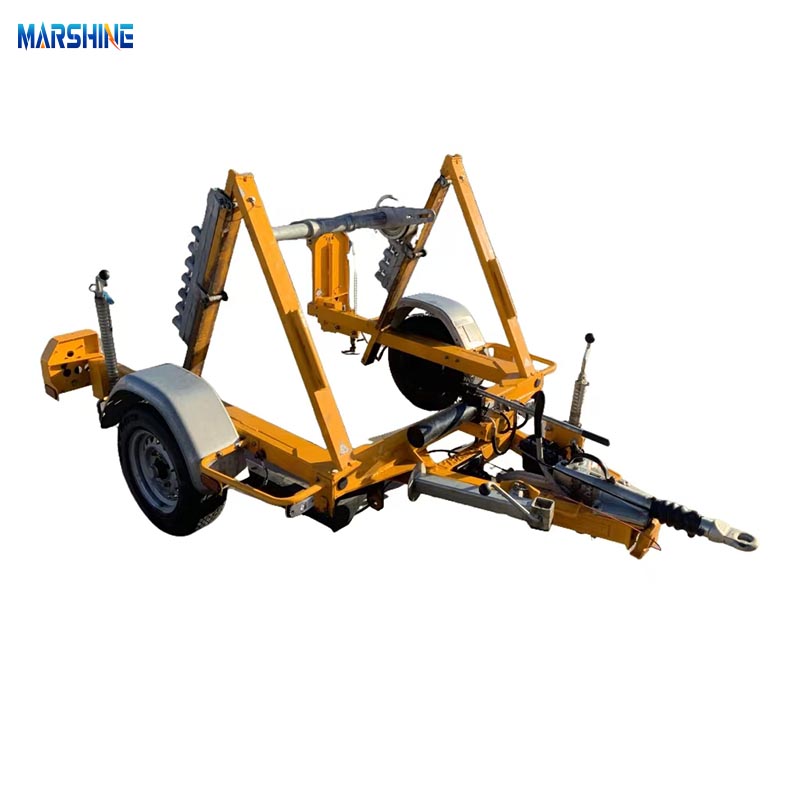
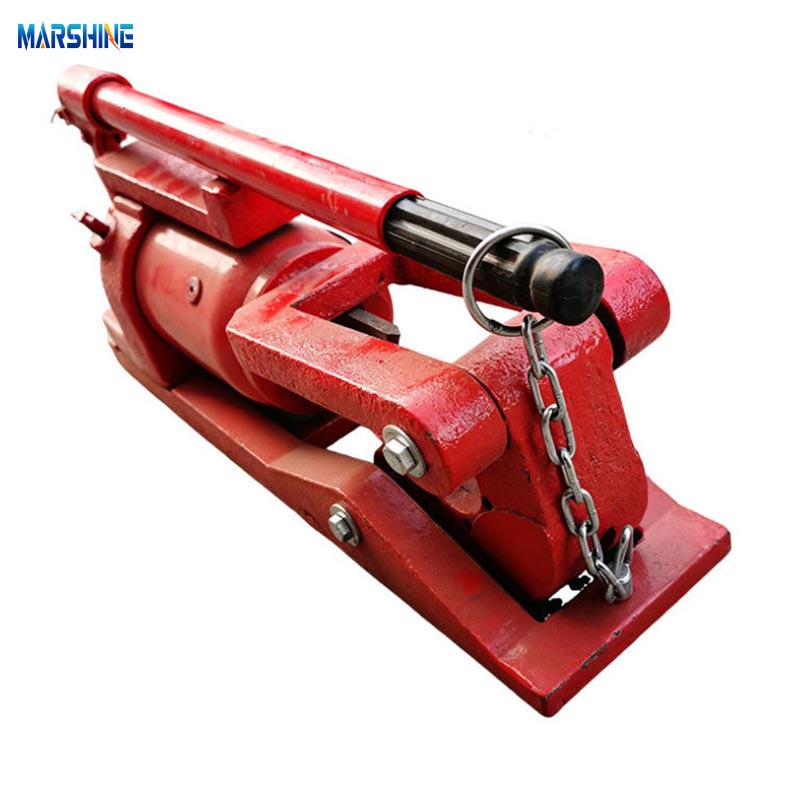
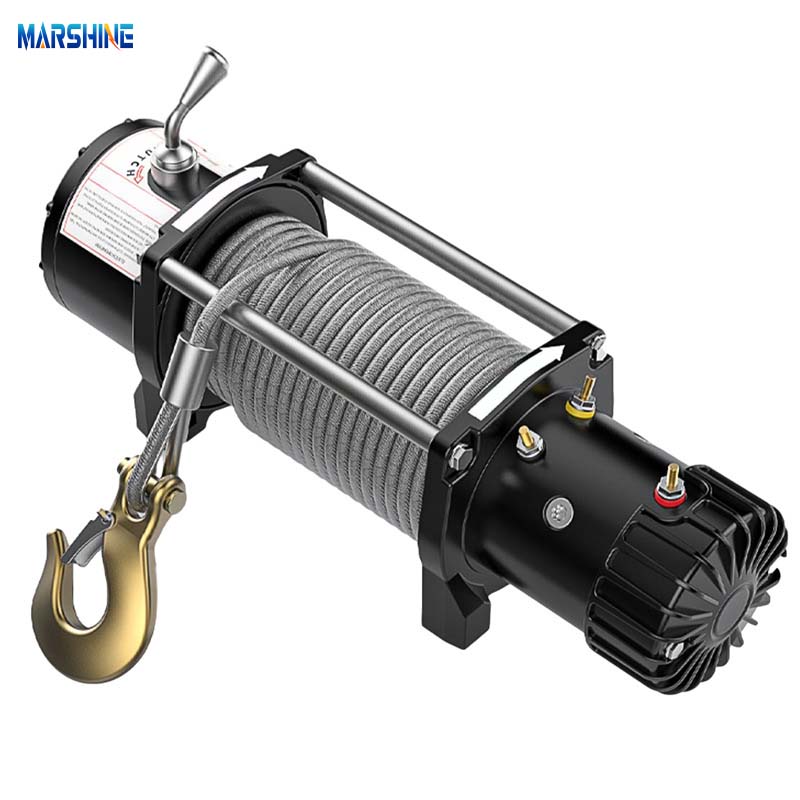
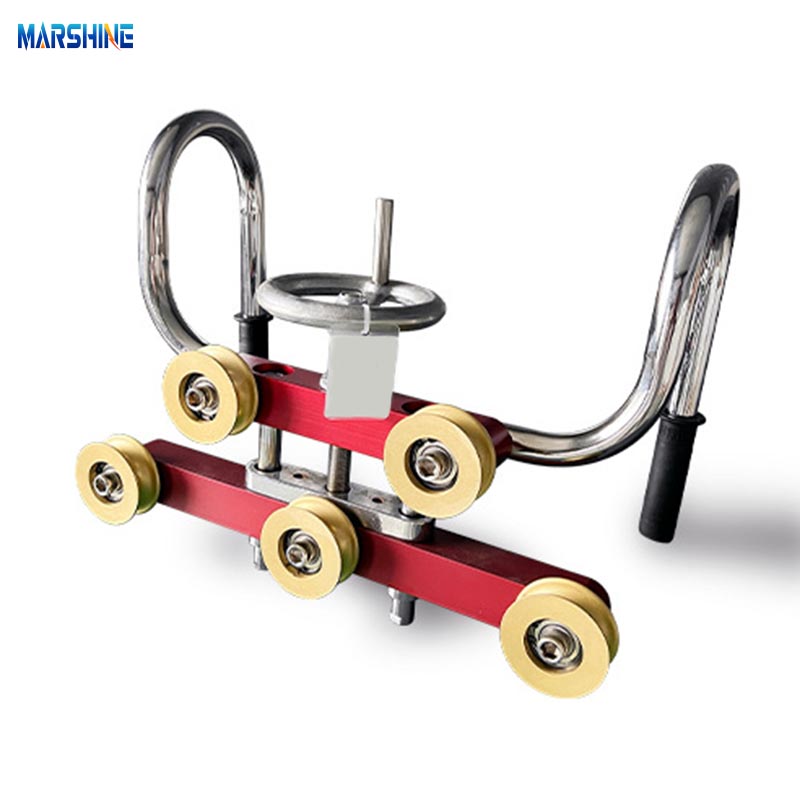
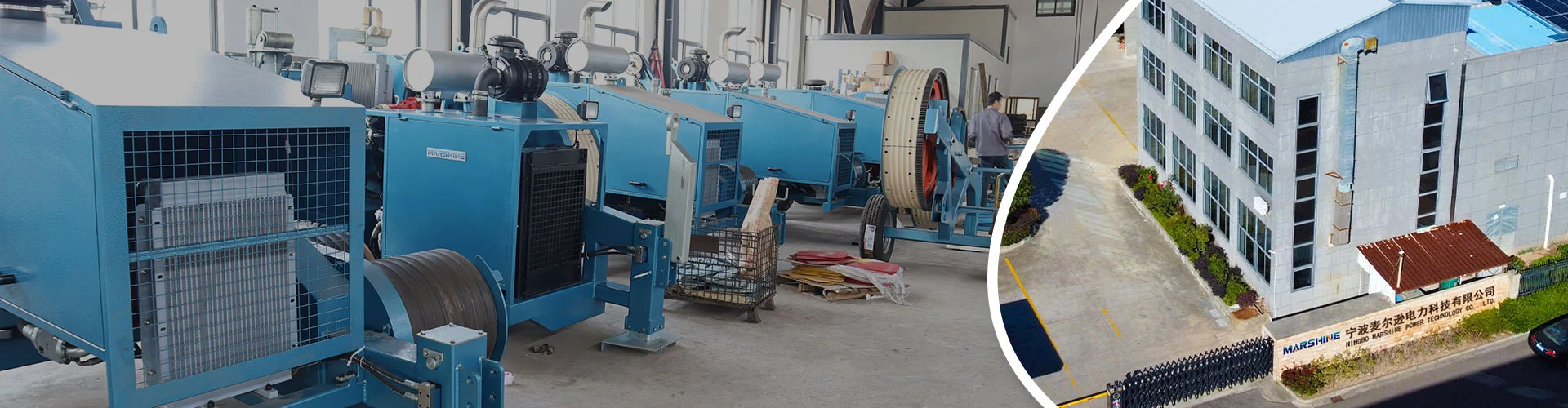
A hydraulic tension machine requires robust backing from its manufacturer. Buyers should look for specialized industry suppliers with a proven portfolio of transmission line tools, such as wire rope winches, universal transmission stringing blocks, fiberglass duct rodders, cable drum trailers, and hydraulic crimping tools. Partnering with a comprehensive equipment supplier can offer access to a broad catalog of compatible equipment while maintaining an objective, vendor-independent procurement process. Procurement teams should evaluate manufacturers based on objective criteria, including their certification scope, field references, spare-parts availability, and service network coverage. Evaluating a supplier's track record ensures buyers benefit from reliable grid construction equipment and consistent technical support rather than just purchasing an isolated tool.
Confirm the Procurement Decision
The final phase before issuing a formal purchase order focuses on risk mitigation. Confirming the procurement decision means checking industry certifications, auditing manufacturing standards, and ensuring the supplier provides robust, long-term post-sale support for their equipment.
Verify Quality and Compliance
Regulatory compliance and quality assurance separate reliable heavy equipment from risky investments. Reputable manufacturers hold recognized industry credentials, such as the ISO 9001:2015 / GB/T 19001-2016 quality system certification. Beyond facility-level quality systems, buyers must verify machine-level certifications, including CE marks, EPA emissions compliance for engines, and relevant national type approvals. Rigorous factory acceptance testing should encompass dynamic brake testing and comprehensive hydraulic system safety checks.
When investing in [cable stringing tension equipment](https://www.cable-winch.
Further reading:
Key Takeaways
- Calculate required continuous tension from conductor type, span length, and sag parameters before comparing machine models.
- Use more robust tensioning equipment for difficult terrain or long crossings, especially spans exceeding 800 meters.
- Match the tensioner’s line speed and capacity with the pulling machine, pulling rope, stringing blocks, and reel stands.
- Choose multi-groove bull wheels for multi-bundle stringing so multiple conductors can be controlled simultaneously.
- Verify safety systems such as redundant brakes, emergency stops, pressure relief valves, and cooling before purchase.
Frequently Asked Questions
What does a hydraulic conductor tension machine do?
It maintains controlled tension on overhead conductors during stringing, helping prevent sagging, ground contact, obstacle contact, and conductor damage while working with pullers, stringing blocks, and reel stands.
How do I determine the required tension capacity?
Base it on conductor type, span length, sag requirements, terrain, and bundle configuration. Long spans, heavy ACSR conductors, and difficult terrain generally require higher continuous tension and stronger braking capacity.
Why is terrain important when selecting a tensioner?
Mountainous areas, forests, river crossings, and remote sites affect load changes, machine access, transport dimensions, ground pressure, and stability. The unit must safely reach the site and perform under expected field conditions.
What features protect conductors from damage?
Look for suitable groove profiles, appropriate bull wheel materials, stable hydraulic tension control, synchronized line speed, and smooth braking. These are especially important for delicate cables such as OPGW.
Should the tensioner match the hydraulic cable puller?
Yes. The tensioner’s line speed, capacity, rope compatibility, and control range should align with the hydraulic cable puller to maintain synchronized, safe, and efficient stringing operations.