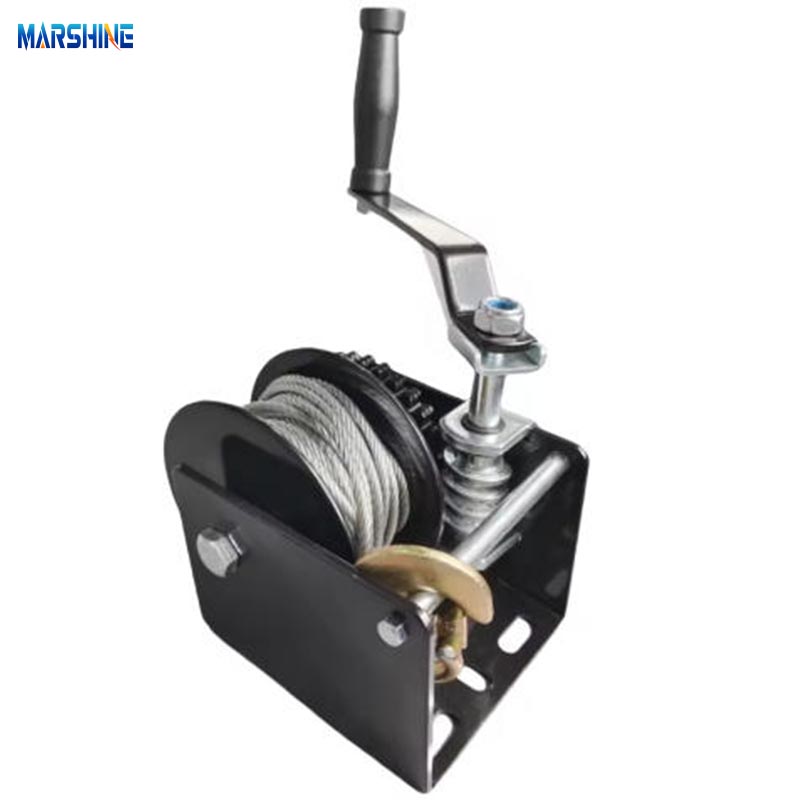
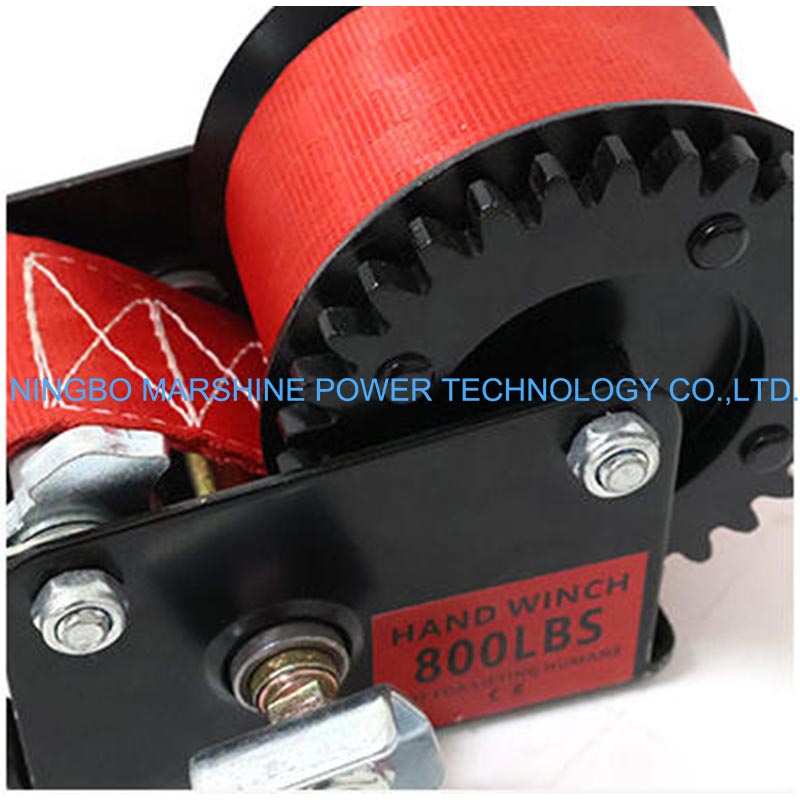
A manual boat anchor winch is most commonly called an anchor windlass. This essential equipment provides mechanical advantage. It helps boaters haul in or pay out an anchor and its rode. Many choose a manual boat anchor winch because it offers cost savings and simple installation. This makes it a reliable manual hand winch. MARSHIEN ensures these tools are advanced, safe, and easy to handle.
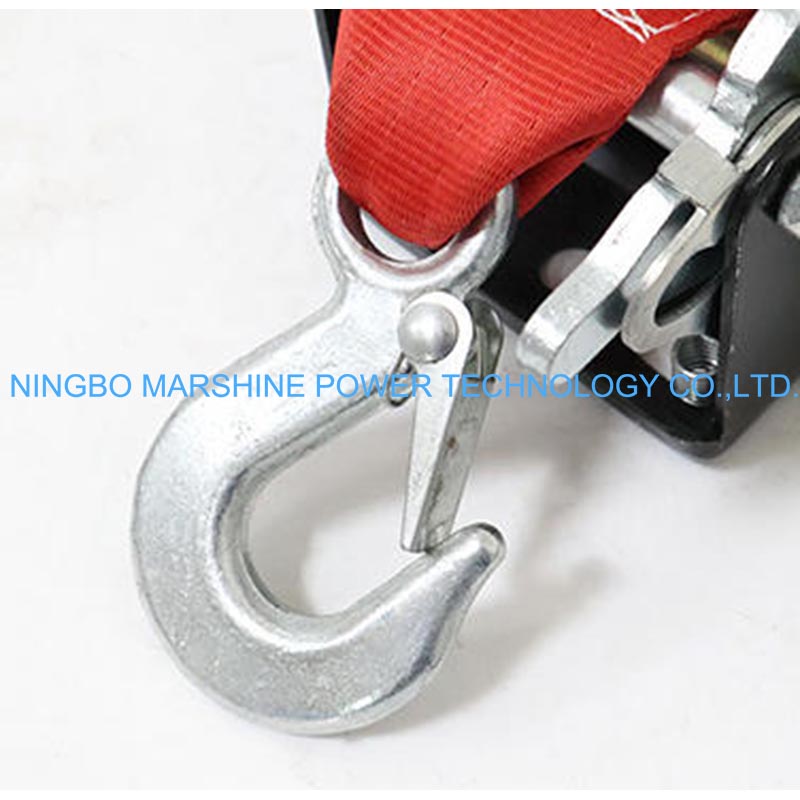
Boaters often refer to a manual boat anchor winch as an anchor windlass. This term has deep historical roots. It comes from the Old Norse phrase 'vinda- áss'. This phrase combines 'vinda', which means 'to wind', and 'áss', which means 'pole'. This etymology perfectly describes the device's main action: winding a rope or chain around a rotating spindle.
The windlass is a foundational technology. It has ancient roots in many fields, not just anchoring. People used similar devices in construction, mining, and even for drawing water. A key feature of a windlass is its horizontal axle. This sets it apart from a capstan, which uses a vertical axle. Both operate on the same 'winding-pole' principle. However, a windlass handles both chain and rope. A capstan primarily manages only rope. Sometimes, a windlass even includes a small capstan for handling rope-only anchor rodes.
| Aspect | Origin & Meaning | Mechanical Function |
|---|---|---|
| Term | Old Norse: 'vinda-áss' | Literal meaning: 'winding-pole' |
| Action | 'Vinda' = to wind | Wraps rope/chain to convert rotation into linear pull |
| Mechanism | 'Áss' = pole or beam | Axle/drum that multiplies force for lifting/hauling |
| Application | Used in ships, construction, mining | Provides mechanical advantage for heavy loads |
The history of these devices shows a long evolution.
A manual boat anchor winch plays an essential role for many boaters. It provides crucial mechanical advantage. This makes the difficult task of raising and lowering an anchor much easier. Without it, boaters would rely solely on their strength. This often leads to physical strain and potential injury.
Consider the safety benefits a windlass offers:
A manual boat anchor winch also offers easy and precise control over the anchor. This simplifies setting and retrieval. It serves as a reliable backup system. It does not rely on electricity or hydraulics. This means it works even if power fails or other mechanical issues arise. MARSHINE designs its cable pulling tools, including winches, to be advanced, safe, and easy to handle. They understand the importance of reliable equipment for power grid construction and operation. This commitment to quality ensures boaters have dependable tools for their anchoring needs. While beneficial, users must still wear gloves to prevent rope burns and use proper lifting techniques to avoid back strain. User awareness remains key to safety.
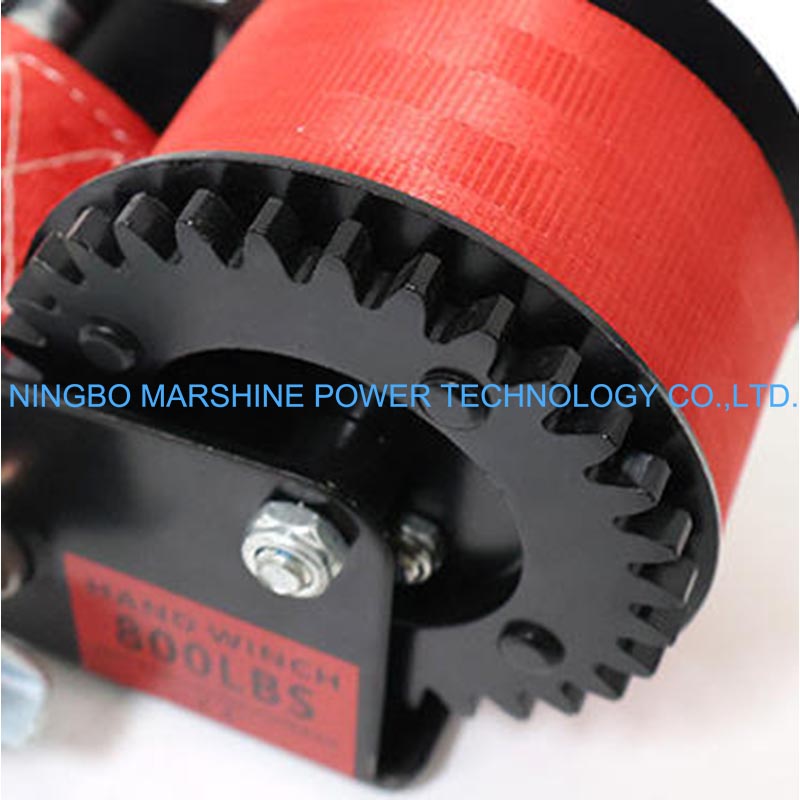
A manual boat anchor winch, often called an anchor windlass, works by converting a small, consistent input force into a much larger output force. This mechanical advantage makes it possible for a boater to lift heavy anchors and their long chain or rope rodes with relative ease. It is a clever system of gears and levers designed for efficiency and reliability.
At the heart of a manual boat anchor winch, you find several key components working together. The main parts include the gypsy or wildcat, the gear system, the crank handle, and a brake or clutch mechanism.
The gypsy or wildcat is a specialized, notched wheel. It has gears specifically designed to grab and engage with a specified chain size. This component is crucial for retracting and deploying the anchor chain. As you turn the crank, the gypsy rotates, pulling the chain in or letting it out. Some boaters have found that certain chain markers, like spinnaker cloth, can get shredded by some setups. However, plastic markers (red, blue, yellow) often pass through a Lighthouse Windlass without damage. A well-designed system allows the chain, including its markings, to feed smoothly through the hawsepipe and over the wildcat without catching on anything.
The gear system is what provides the mechanical advantage. Inside the windlass, a series of gears multiplies the force you apply to the crank handle. A small gear on the crank shaft turns a larger gear, which in turn rotates the gypsy. This setup means you turn the handle many times to move the chain a shorter distance, but with significantly more power.
The crank handle is your direct interface with the windlass. You insert it into a socket and turn it, initiating the entire process. The brake or clutch mechanism allows you to control the speed of deployment or to hold the anchor securely in place once retrieved.
Manufacturers build these components to withstand harsh marine environments. For instance, the main body of the windlass often features a cast-aluminum housing, which provides structural integrity. They use stainless-steel machine bolts to secure the windlass to the deck, chosen for their strength and resistance to corrosion. To prevent galvanic corrosion between dissimilar metals, like the aluminum housing and stainless steel bolts, and to protect against seawater, they use dielectric plastic in sleeved bolt holes. Sealant is also applied to the bolts, further reducing the risk of corrosion. This robust construction ensures the windlass remains durable and reliable for years.
Operating a manual boat anchor winch is straightforward, but it requires attention to detail to ensure safety and efficiency. When you want to retrieve your anchor, you insert the crank handle and begin turning it. As you crank, the gear system engages, and the gypsy starts to pull the anchor chain. You maintain a steady rhythm, allowing the windlass to do the heavy lifting. For deployment, you typically release the brake or clutch, allowing the chain to run out under gravity, controlling the speed with the brake as needed.
However, boaters sometimes make common mistakes that can damage the windlass or compromise safety. For example, avoid using unsuitable products for maintenance. Generic lubricants, aggressive solvents, penetrating oils, or household cleaning products can harm the specialized materials. Always use marine-specific products with appropriate certifications and follow the manufacturer's recommendations.
Proper lubrication is also key. Under-greasing leads to excessive friction and wear, potentially causing seizure. On the other hand, over-greasing attracts dust and sand, forming an abrasive paste that accelerates wear and can even affect electrical contacts or brake surfaces. Apply a moderate amount of grease to create a protective film without excess, and top it up regularly.
Neglecting the chain or anchor can also cause problems. A worn, thinned, or rusted chain makes the windlass work harder, accelerating wear and causing erratic functioning. A damaged anchor can create jolts. Regularly inspect your chain for wear and rust. Make sure the anchor is properly attached, the swivel rotates freely, and the shackle is secure. Check anchor arms for cracks or deformation.
Finally, never force the windlass if it encounters abnormal resistance, such as a stuck anchor. Forcing it stresses components, wears gears, and can even damage the boat's structure. If this happens, stop immediately, analyze the situation, and maneuver your boat to change the pull angle. If necessary, it is better to sacrifice the anchor than to damage your windlass. MARSHINE designs its cable pulling tools, including winches, to be advanced, safe, and easy to handle, emphasizing the importance of proper operation and maintenance for longevity.
Manual boat anchor winches come with various specifications and design variations to suit different boat sizes and anchoring needs. These variations often relate to the size of the gypsy, the gear ratio, and the overall construction materials. The design also considers how the windlass integrates with the boat's deck layout.
Proper integration is crucial for performance and safety. For instance, backing plates are essential for the windlass, bow roller, and cleats. These plates help spread the load on the deck, especially considering the potential for thousands of pounds of shock loading during anchoring. Ideally, the anchor roller and the windlass should align in the same plane for smooth operation. Sometimes, moving the anchor roller off-center by a few inches might not be a significant issue for tension, as the rode should be mostly vertical during operation, and snubbers handle the real loads.
Deck construction also plays a role. Mounting the bow roller only to a raised portion of the deck can lead to cracking because these sections are not designed for tensile loading. Using a chain stopper in the middle of a loaded chain can put extremely high loads on it and its mounting hardware.
Visibility is another consideration. Replacing original lights with higher, more visible ones is often recommended. Anchor locker accessibility is also important. If the anchor locker is deep, large, or the bow is very narrow, manual operation can become impractical, making a windlass a necessity. For catamarans, boaters might consider installing an anchor roller on a crossbeam and stowing the anchor and cable in a locker if space allows.
The placement of the anchor roller should not interfere with other deck hardware, like the furler. One user experienced breaking a part of the furler drum due to such interference. Consider the placement of cleats in relation to the anchor roller and windlass for a better lead. Fairlead placement can also be constrained by existing structures like bow rails and anchor rollers, potentially leading to them being farther aft than ideal. The bow shape, especially a narrower one, can impact the placement of anchor rollers and fairleads, particularly with larger anchors.
Finally, the chain locker design is critical. The chain can pile up under the windlass and block the hole, especially in shallow anchor wells or when there is already a lot of chain. A deeper well or a distribution plate can help prevent this. For major modifications like chain locker design, building a mock-up first to perfect the design by trial and error is often recommended. MARSHINE's commitment to developing, designing, and manufacturing advanced, safe, and easy-to-handle cable pulling tools extends to these detailed design considerations, ensuring their products integrate seamlessly and perform reliably.
Boaters often choose between horizontal and vertical manual windlasses. Each type offers distinct advantages. A horizontal windlass mounts on deck. Its gypsy and chain locker are usually on the same level. This design often makes maintenance easier. You can access components without much hassle. A vertical windlass, however, has its motor and gearbox below deck. Only the gypsy and capstan head appear above deck. This design saves deck space. It also keeps more of the mechanism protected from the elements. Your choice depends on deck layout and personal preference.
Proper maintenance keeps your manual boat anchor winch working well for years. Lubrication is crucial. You should cover gears with a thin film of grease. This includes straight or conical gears. Avoid too much grease, as it attracts dust. For ball or roller bearings, use a specific, often more fluid, grease. Check manufacturer documents for exact types. Lithium-based greases with anti-corrosion additives work well for marine use. Some highly stressed gears benefit from molybdenum disulfide or graphite. Always avoid standard automotive greases.
Apply grease by slowly rotating the mechanism. This helps it penetrate all gaps. It also pushes out old, contaminated grease. Saltwater breaks down fats quickly, so increase lubrication frequency. Apply a moderate amount, just enough to form a protective film. Regularly top it up during periodic checks. Under-greasing causes friction and wear. Too much grease attracts abrasive particles.
Inspect common wear points regularly. Check the rope/chain splice. Nylon rodes can shrink, making the splice tight. This causes the windlass to struggle. Look for a gap where the rope meets the chain. If it's tight, try softening it. Inspect sprockets for wear. Cells can lose their profile. Check for chipping or cracks. Examine the chain for deformed or thinned links. Also, check swivels and shackles for damaged pins or threads. MARSHINE designs its tools for durability, but regular checks ensure their long life.
The manual boat anchor winch remains highly relevant today, even with electric options available. Its simplicity is a major advantage. It does not rely on complex electrical systems. This means it works even if your boat loses power. This independence makes it a reliable backup. Many boaters appreciate its durability. It has fewer parts to break down. This leads to lower maintenance costs over time. MARSHINE focuses on advanced, safe, and easy-to-handle tools. This commitment ensures manual winches continue to offer dependable performance. They are a cost-effective and robust choice for many boaters.
Manual anchor windlasses remain essential equipment for many boaters. Their simple design, strong durability, and independence from electrical systems make them incredibly reliable. This ensures their continued importance on the water. A manual boat anchor winch offers peace of mind and dependable performance for any journey.
Boaters choose them for reliability and independence. They work without electricity. This makes them a dependable choice for any trip.
It uses gears to multiply force. A small input from the crank handle creates a much larger output. This helps lift heavy anchors easily.
No, they are simple to maintain. Regular lubrication and inspection of components ensure long-lasting performance. MARSHINE designs tools for durability.