

In electrical panel production, busbar fabrication is often where speed, fit, and safety either come together—or break down. Manual cutting, drilling, and bending can leave rough edges, inaccurate holes, and inconsistent angles that slow assembly and increase rework. A hydraulic busbar machine changes that workflow by applying controlled force to cut, punch, and bend conductive bars with far greater repeatability. For switchgear builders and panel shops, the payoff can include shorter processing times, cleaner components, and safer handling of heavy copper or aluminum stock. This article explains the machine’s core functions, the specifications that matter, and the practical buying considerations that separate a useful investment from an expensive mismatch.
How a Hydraulic Busbar Machine Improves Panel Building
A hydraulic busbar machine is a specialized fabrication tool that automates the cutting, punching, and bending of conductive metal bars, offering panel builders a faster, more precise alternative to manual labor. Transitioning to this dedicated equipment completely changes the dynamic of electrical panel builds and the overall fabrication process. Instead of dealing with inconsistent angles, jagged cuts, and misaligned holes, builders get a streamlined, automated workflow that handles heavy conductive metals with ease. The integration of hydraulic power takes the physical exhaustion out of the equation, allowing fabricators to focus on assembly rather than brute force. However, these machines have limitations: for low-volume shops, the high initial capital investment and the potential need for costly 3-phase electrical upgrades may make them impractical compared to traditional hand tools.
Core functions: cutting, punching, and bending
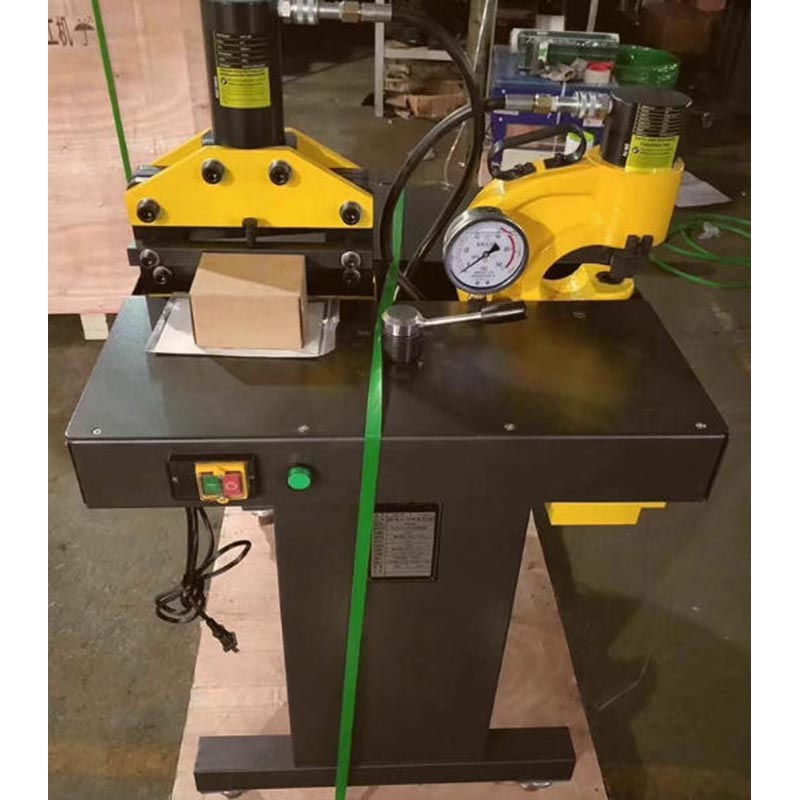
The core features of these units revolve around three essential workstations: cutting, punching, and bending. Modern multi-station machines often feature independent hydraulic pumps, allowing up to three operators to work simultaneously without experiencing pressure drops. The cutting station typically utilizes a double-column shearing structure that slices through solid metal without leaving burrs or deforming the material, saving the extensive time usually spent filing down rough edges. When punching, the hydraulic force easily drives through thick stock, creating clean, precise holes for bolts and insulators. Heavy-duty CNC units can process busbars up to 16 mm thick and 250 mm wide, comfortably covering the vast majority of industrial switchgear requirements, whereas basic manual-hydraulic models handle lighter capacities. It is important to note that real-world capacity and accuracy requirements will vary depending on the manufacturer, the material being processed (such as copper versus aluminum), and local electrical standards.
Key benefits for speed, accuracy, and safety
The shift to hydraulic power brings measurable improvements in overall speed, accuracy, and operator safety, significantly reducing processing time compared to manual methods. Bending tolerances drop significantly, ensuring that complex three-dimensional busbar configurations—like tight Z-bends or U-bends—fit within tight tolerances on the very first try. This precision reduces physical strain and guards against hazards traditionally associated with manual bending levers, keeping your shop floor much safer. Equipment suppliers, such as MARSHINE which specializes in industrial cable and busbar tooling, offer various models, but buyers should evaluate them based on concrete criteria like safety guarding and tooling availability rather than generic claims. Modern designs are driven by the practical demands of high-volume switchgear production, ensuring that tools evolve to meet the rigorous, everyday needs of the industry.
Key Hydraulic Busbar Machine Specifications to Compare
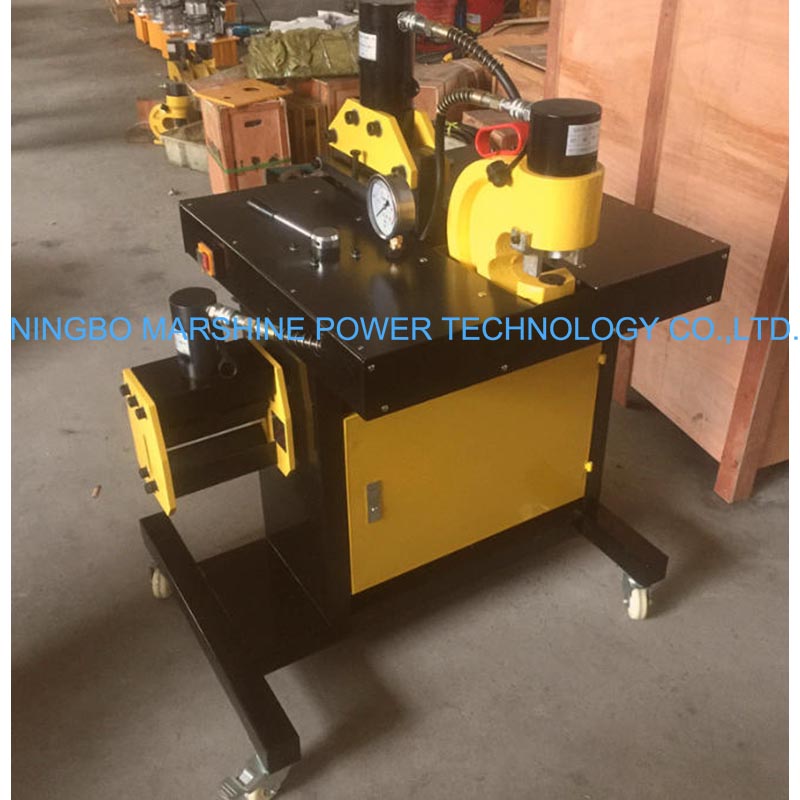
Not all fabrication equipment is built the same, and picking the first unit you see can lead to frustrating production bottlenecks. When evaluating a hydraulic busbar machine for your shop floor, diving into the technical specifications helps you match the equipment's capabilities directly to your daily production volume and material types. Understanding these specs ensures you do not overspend on unnecessary features or under-equip your fabrication team.
Capacity, accuracy, tooling, and material compatibility
Key specifications dictate exactly what a machine can handle before bogging down or overheating during a long shift. You will want to look closely at hydraulic cylinder tonnage, CNC interface options, and die set versatility. A quality hydraulic busbar machine features interchangeable polyurethane or polished steel tooling with quick-release pins, allowing operators to swap dies in seconds while preventing surface scratching on softer conductive materials. High-end CNC models also boast touch-screen controllers that can store hundreds of bend profiles, drastically reducing setup times for repeat jobs—features not typically found on basic hydraulic units. Note that the figures in the comparison table below are strictly illustrative ranges; actual capacities, precision, and setup times will vary widely based on the specific manufacturer, material hardness, and whether the system is basic hydraulic or fully CNC-automated.
| Machine Class (Illustrative) | Max Thickness | Max Width | Punching Force | Bending Precision | Typical Setup Time |
|---|---|---|---|---|---|
| Light-Duty / Portable | 10 mm | 150 mm | 200 kN | ± 1.0° | 5 mins |
| Standard Industrial | 12 mm | 200 mm | 300 kN | ± 0.5° | 3 mins |
| Heavy-Duty CNC | 16 mm | 250 mm | 500 kN | < 0.5° | < 1 min |
Manual fabrication vs. hydraulic busbar processing
Comparing manual fabrication to hydraulic processing highlights a stark contrast in everyday efficiency and material waste. It is important to distinguish between manual tools (hand-levered benders), basic hydraulic machines (operator-controlled hydraulic rams), and CNC hydraulic systems (automated, programmable multi-station units). Manual cutting and drilling often lead to a noticeably higher material scrap rate due to human error, tool wander, and incorrect measurements. In contrast, guided hydraulic processing—especially with CNC automation—minimizes that scrap rate significantly, saving substantial material costs in wasted copper annually. Furthermore, a complex offset bend that traditionally takes considerable time to measure, heat, and manually leverage takes a fraction of the time on a hydraulic workstation. This reduction in labor time translates directly into higher throughput, allowing switchgear builders to take on more contracts without needing to expand their workforce.
How to Choose and Deploy the Right Machine
Bringing a hydraulic busbar machine into your facility requires a bit of logistical foresight. From optimizing the shop floor layout to ensuring your team knows how to run the equipment safely, a well-planned deployment maximizes your return on investment. It is not just about plugging the machine into the wall; it is about building a highly efficient workstation around it to support continuous production, while also accounting for the system's specific utility and maintenance demands.
Planning workflow, space, training, and maintenance
Before the heavy freight arrives, map out your workflow and physical space. A standard three-station unit typically requires a dedicated operational footprint, plus ample clearance for feeding long lengths of raw copper stock.
Further reading:
Key Takeaways
- Use a hydraulic busbar machine to combine cutting, punching, and bending into one controlled workflow for faster electrical panel fabrication.
- Compare machine capacity against your real busbar sizes, as heavy-duty CNC units may handle material up to 16 mm thick and 250 mm wide.
- Choose multi-station equipment with independent hydraulic pumps when several operators need to cut, punch, and bend without pressure drops.
- Evaluate safety guarding, tooling availability, punching force, bending accuracy, and power requirements before comparing supplier claims.
- For low-volume panel shops, calculate machine cost and possible 3-phase electrical upgrades before replacing manual tools or outsourced busbar work.
Frequently Asked Questions
What does a hydraulic busbar machine do?
It cuts, punches, and bends copper or aluminum busbars for electrical panels, replacing slower manual work with hydraulic force for cleaner edges, accurate holes, and repeatable bend angles.
When is a hydraulic busbar machine worth the investment?
It is usually worthwhile for medium- to high-volume panel builders that process busbars daily. Low-volume shops should compare the machine cost, tooling needs, and possible 3-phase power upgrades against manual or outsourced fabrication.
What specifications should buyers compare first?
Start with maximum busbar thickness and width, bending accuracy, punching force, available dies, power requirements, safety guarding, and whether multiple stations can operate at the same time without pressure loss.
Can one machine handle cutting, punching, and bending?
Yes. Many multi-station hydraulic busbar machines combine all three workstations, and some models use independent hydraulic pumps so several operators can work simultaneously.
Does hydraulic processing improve panel quality?
Yes. Cleaner cuts, precise punched holes, and repeatable bends help busbars fit correctly on the first attempt, reducing rework, assembly delays, and alignment problems inside electrical panels.