

Heavy-duty cable work demands more than grip strength and a sharp edge. When crews face large copper, aluminum, or armored conductors, hydraulic cutting pliers turn controlled hand pumping into thousands of pounds of shearing force—often through systems operating up to about 10,000 psi. That power can improve cut quality, reduce fatigue, and speed up grid construction or maintenance tasks, but only when the tool is properly selected and used safely. This article explains how hydraulic force multiplication works, which components matter most, and what specifications buyers should compare before choosing a cutter for demanding field applications.
How Hydraulic Cutting Pliers Generate Force
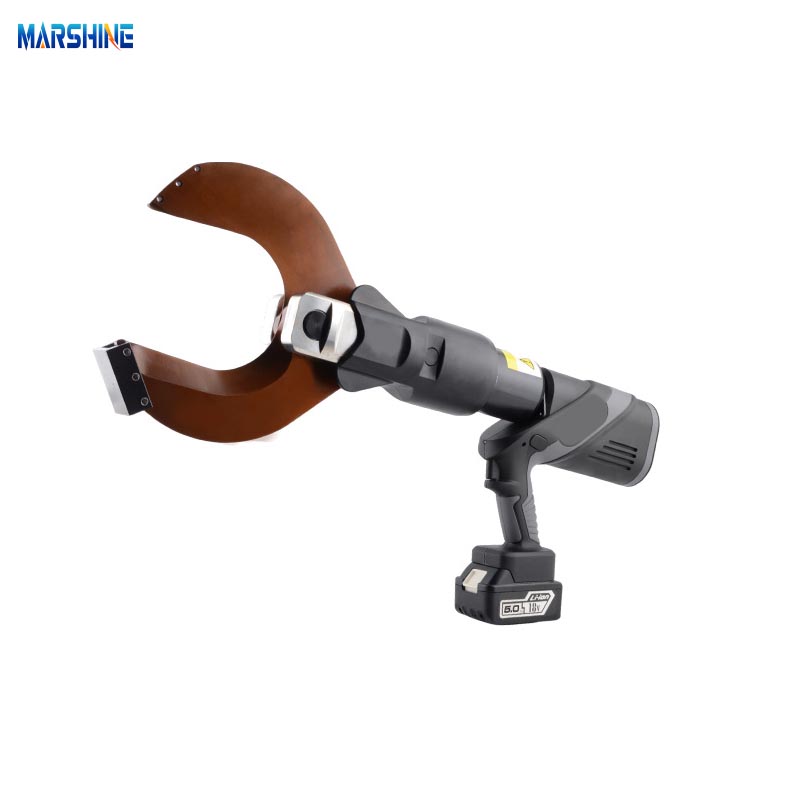
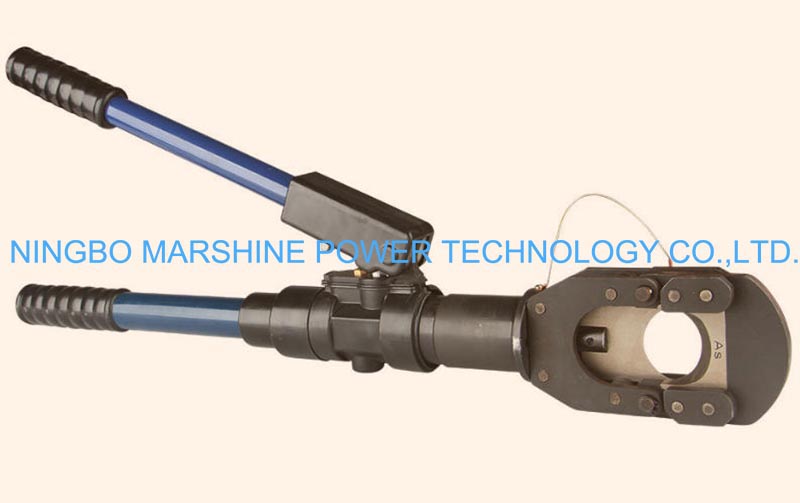
When confronted with a thick, heavy-duty armored cable on a job site, standard ratcheting cutters often fall short. To understand how hydraulic cutting pliers handle these heavy-duty cables, you first have to look at how they generate massive mechanical advantage. These tools feature a compact, self-contained design that allows linemen and grid construction crews to deliver immense shearing force with minimal physical effort. Many modern units incorporate insulated fiberglass handles, providing an extra layer of safety. However, it is critical to note that most hydraulic cable cutters are not rated for live-line work. Standard insulation alone does not confer this rating. Unless using specifically certified and tested live-line equipment, cables must always be de-energized, locked out, and tagged out (LOTO). Users must verify zero voltage and wear proper personal protective equipment (PPE) before making any cuts.
Basic Hydraulic Cutting Principle
At the core of these tools is a highly effective, straightforward application of Pascal’s law. When you pump the handle, you push a small amount of hydraulic fluid from a built-in reservoir into a main cylinder. Because fluids cannot be compressed, that pressure is transmitted equally throughout the fluid. This setup converts a few pounds of hand-pumping effort into a steady output force, avoiding the jerky motions associated with manual ratchets. Standard handheld hydraulic units typically generate internal operating pressures up to 10,000 psi (approximately 690 bar), depending on the model. Because the piston connected to the cutting blade has a larger surface area than the pump piston, the transmitted pressure is converted into a multiplied mechanical output force. This immense force allows the blades to slice cleanly through thick copper or aluminum conductors rather than crushing or flattening them.
Key Components That Amplify Cutting Power
The mechanical advantage is achieved through a combination of precision-engineered components: the hydraulic pump, the fluid reservoir, the pressure release valve, and the heat-treated forged alloy steel blades. The pump rapidly builds pressure to advance the blade, while the release valve ensures the cutting head retracts instantly once the cut is finished or if the pressure exceeds safe operational limits. This intense focus on safety and ease of use is a defining feature of top-tier grid construction tools. Reputable manufacturers design these tools to meet strict industry standards, focusing on material traceability and rigorous quality control. Whether dealing with complex underground lines or aerial setups, using a reliable electrical cable cutting tool ensures that the complex internal mechanics translate into a simple, effortless squeeze for the operator on the ground.
Key Specifications for Comparing Hydraulic Cutting Pliers
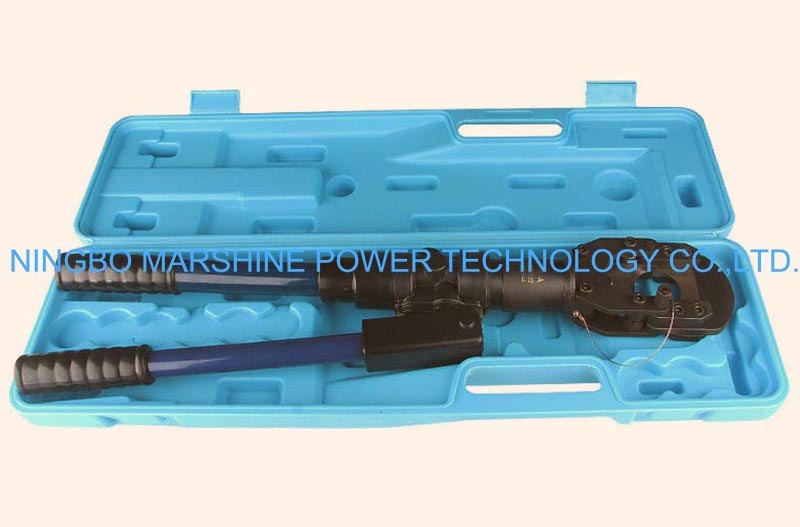
Not all hydraulic cutters are built the same, and picking the right one means digging into the technical specifications. You want to look closely at how the tool balances cutting capacity, output force, and overall durability before making a purchasing decision. The standout features of high-end hydraulic cutting pliers usually revolve around their specialized blade materials and ergonomic weight distribution, which are specifically designed to prevent operator fatigue during long, demanding shifts.
Cutting Capacity, Pressure, and Blade Material
When comparing models side by side, the first numbers you need to check are the maximum cable diameter and the overall output force. The capacity and force ranges listed below are representative examples rather than universal standards; actual ratings vary by manufacturer and specific model. Light-duty models might max out around 40mm with 60 kN of force, while heavy-duty variants can tackle massive 120mm cables using up to 120 kN of output force. Blade material is equally critical; high-quality forged steel holds its edge much longer, especially against tough, steel-reinforced cables like ACSR.
| Tool Class | Typical Max Cutting Diameter (mm) | Approximate Output Force (kN) | Ideal Cable Type |
|---|---|---|---|
| Light-Duty | Up to 40mm | 45 - 60 | Standard Cu/Al |
| Medium-Duty | 40mm - 85mm | 60 - 85 | Armored Cu/Al |
| Heavy-Duty | 85mm - 120mm | 85 - 120 | ACSR / Lead-sheathed |
Matching these representative specifications to your daily workload ensures you are not under-equipping your crew or overpaying for a transmission cable cutter that is far too bulky for standard, everyday jobs.
Manufacturer Quality and Sourcing Factors
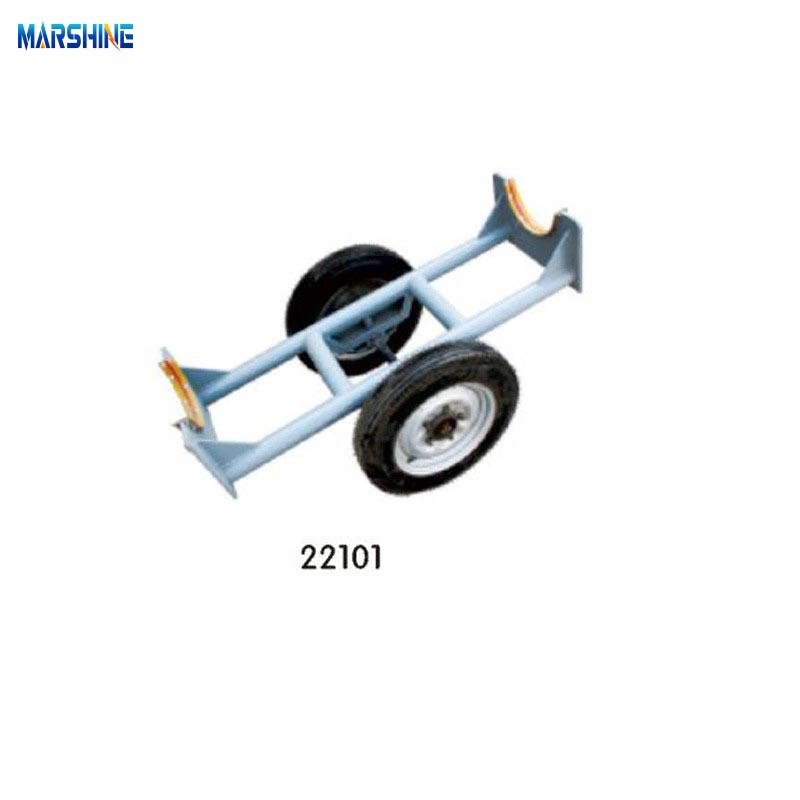
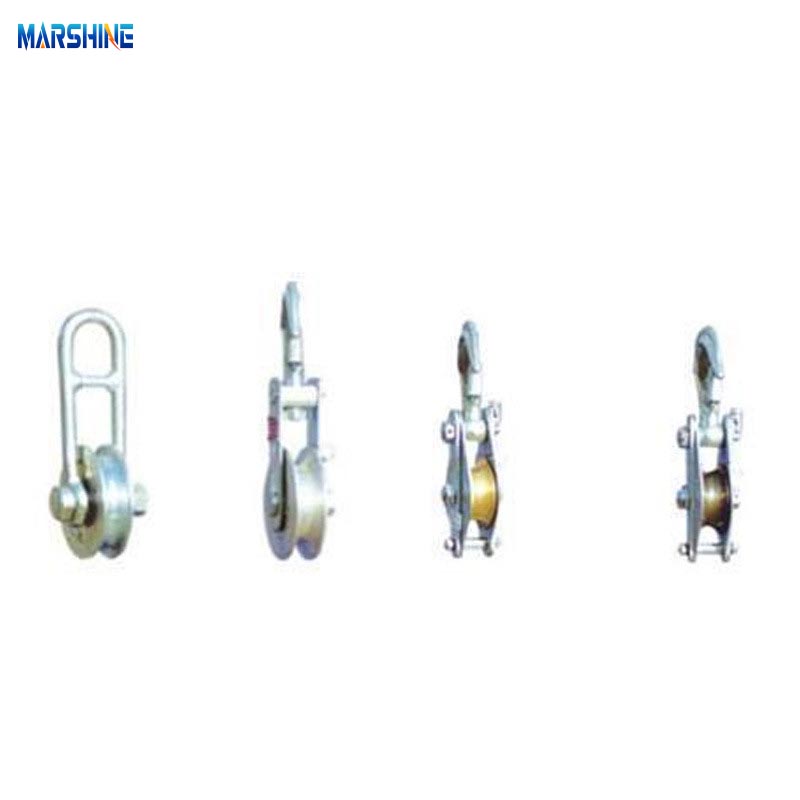
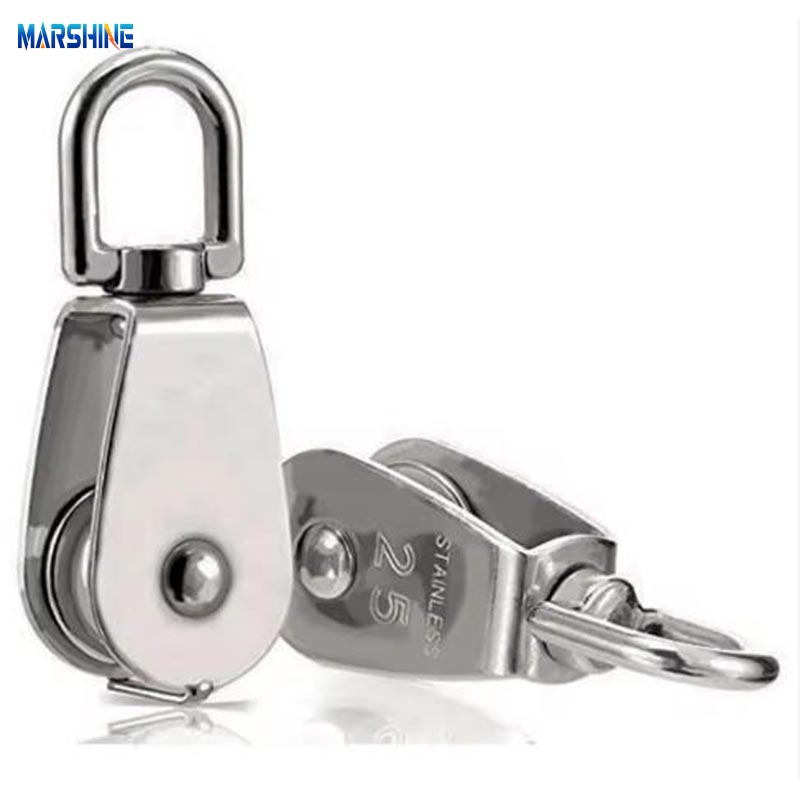
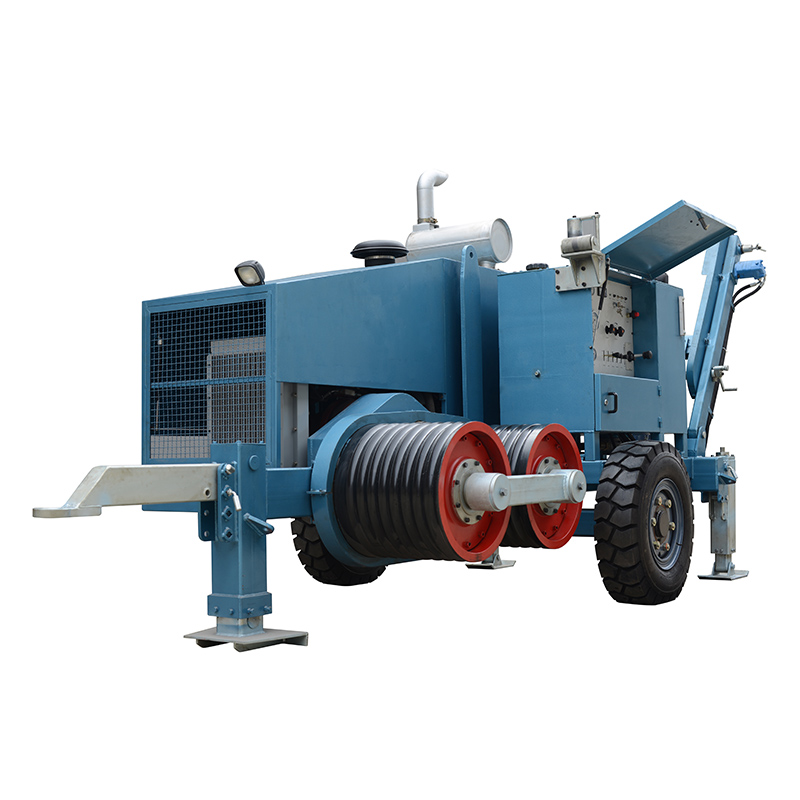
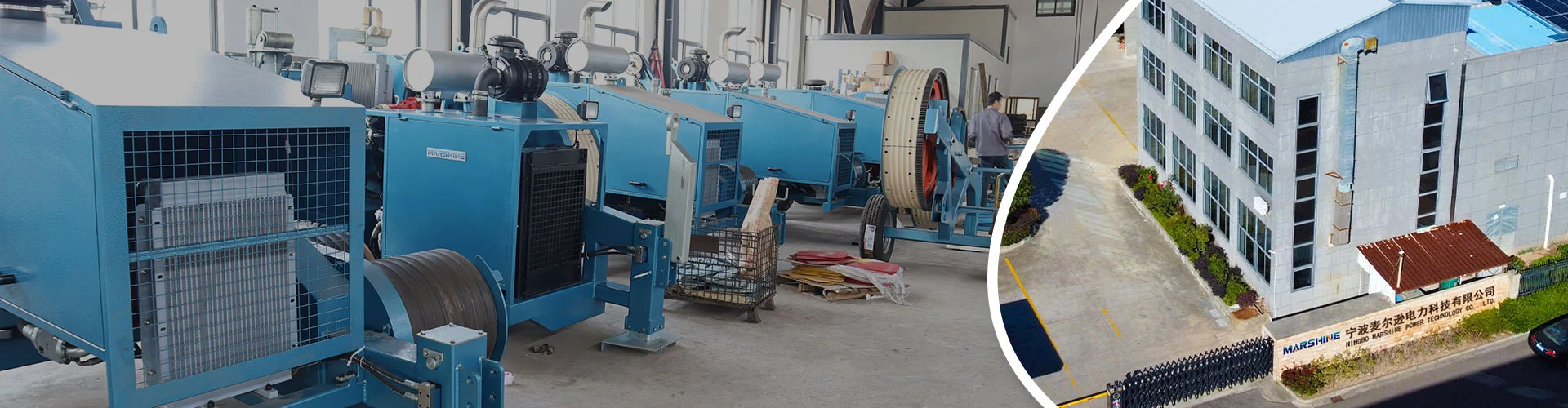
Beyond the raw numbers and spec sheets, the reputation and quality control of the manufacturer play a massive role in the tool's lifespan. You want to source your equipment from companies that have a proven track record in power grid construction. Look for manufacturers that operate under internationally recognized quality system certifications, such as ISO 9001, which verify consistent manufacturing and quality management processes. Established brands like MARSHINE produce a wide range of grid construction tools, including cable pulling tensioners and heavy-duty pulleys. This deep industry integration means their hydraulic tools are built with a systemic understanding of what field workers actually need to succeed. By adhering to verifiable manufacturing standards and material certifications, a reputable MARSHINE product provides reliable quality and a much longer operational lifecycle out in the elements.
How to Use, Maintain, and Choose Hydraulic Cutting Pliers
Procuring a premium set of hydraulic cutting pliers is only half the battle. Knowing how to operate them safely, keep them in top working condition, and select the exact right model for your specific fleet will make or break your return on investment. These tools feature sensitive hydraulic O-ring seals and precision-ground blades that require respect and routine care on the job site to maintain their high performance.
Safe Jobsite Use and Maintenance Steps
Before making any cuts, you should always inspect the tool for hydraulic fluid leaks and ensure the pressure release valve is functioning smoothly. When making a cut, be sure to position the cable deep inside the cutting jaw to prevent the blades from splaying or chipping at the delicate tips. Maintenance for these tools is straightforward but absolutely mandatory for safe operation.
Further reading:
Key Takeaways
- Choose hydraulic cutting pliers by matching their rated cutting capacity to the cable material and diameter you expect to cut.
- Do not treat insulated handles as live-line certification; de-energize, lock out, tag out, and verify zero voltage before cutting.
- Look for models with heat-treated forged alloy steel blades to achieve cleaner cuts on copper, aluminum, and armored cables.
- Use the pressure release valve after each cut or when needed to retract the cutting head safely and quickly.
- Prioritize reputable hydraulic cable cutters that specify operating pressure, output force, and compliance with relevant safety and quality standards.
Frequently Asked Questions
How do hydraulic cutting pliers cut heavy-duty cables?
They use hydraulic pressure based on Pascal’s law to multiply hand force. Pumping the handle moves fluid into a cylinder, driving a blade with enough force to shear thick copper, aluminum, or armored cable cleanly.
What pressure do handheld hydraulic cable cutters typically generate?
Many handheld hydraulic cable cutters operate at pressures up to about 10,000 psi, or approximately 690 bar, depending on the model and manufacturer specifications.
Can hydraulic cutting pliers be used on live cables?
Most hydraulic cutting pliers are not rated for live-line work, even if they have insulated fiberglass handles. Cables should be de-energized, locked out, tagged out, verified for zero voltage, and handled with proper PPE.
What components affect cutting performance?
Key components include the hydraulic pump, fluid reservoir, main cylinder, pressure release valve, and heat-treated forged alloy steel blades. Together, they determine force output, cut quality, safety, and durability.
Why are hydraulic cutters better than ratcheting cutters for large cables?
Hydraulic cutters deliver smoother, steadier force with less operator effort. This helps prevent crushing or flattening conductors and makes cutting large copper, aluminum, or armored cables more efficient.