

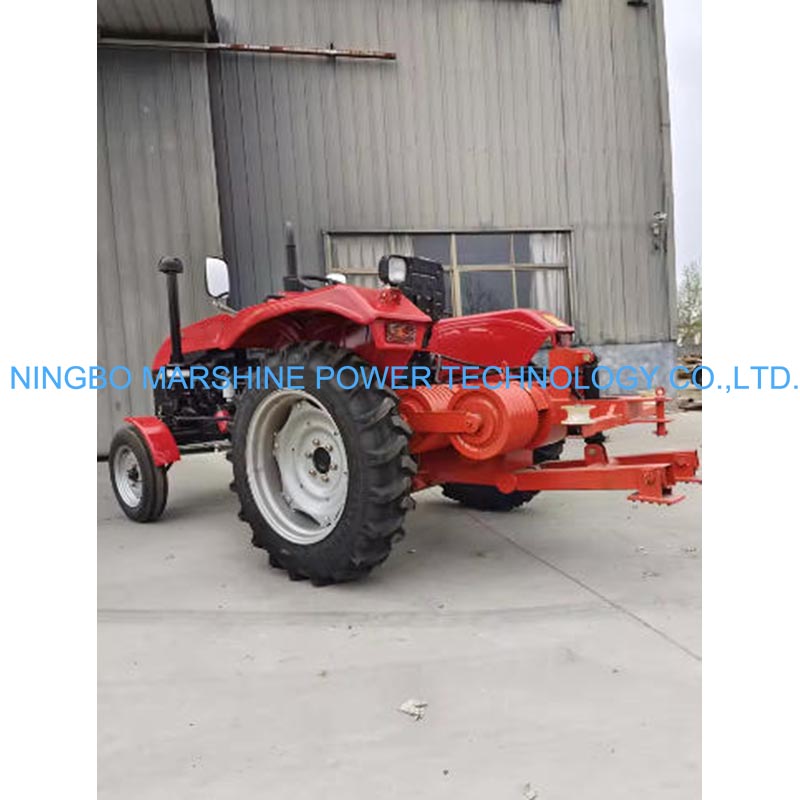
When importing heavy-duty equipment, precise technical specifications mean the difference between a profitable distribution line and unsellable inventory. Tractor-driven winches rely on the host vehicle's power take-off (PTO) mechanism. Their features—such as integrated gear reduction, universal three-point linkages, and heavy-duty spools—must align perfectly with the target market's machinery standards. If units arrive with mismatched splines or inadequate pulling capacities, end-users cannot mount or operate them.
Understanding these technical nuances is crucial for building a reliable product portfolio. High-quality winches feature robust torque transfer and anti-tangle drum designs, directly impacting efficiency in forestry, agriculture, or power grid construction. By securing the exact specifications buyers need, importers minimize returns, lower warranty liabilities, and establish a reputation for supplying dependable equipment.
Impact on resale risk and project fit
Stocking winches with inadequate pulling power or incompatible mounting brackets drastically increases resale risk. End-users in demanding sectors like power line stringing or commercial logging require equipment that fits their tractors seamlessly. If a winch fails to match local PTO shaft standards, it becomes a dead asset, forcing steep markdowns.
Core specs to review early
Before committing to bulk orders, importers must review the core features defining a winch's capability. Focus on maximum pulling force, recommended tractor horsepower, PTO input speed (typically 540 or 1000 RPM), and clutch type. Units with multi-disc friction clutches offer superior overload protection, a major selling point for safety-conscious buyers.
Key demand segments
Different industries demand specific winch features. Forestry applications often require high line speeds and rugged skidding shields, while power grid construction relies on precise tension control and smooth payout. Knowing whether buyers need winches for pulling underground cables or hauling timber dictates the necessary drum capacity and braking system.
Supplier credibility signals
A supplier’s ability to provide detailed, accurate specification sheets indicates manufacturing maturity. Look for factories emphasizing technology-oriented production and recognized quality system certifications. Credible manufacturers proactively ask about your market's PTO standards rather than pushing a one-size-fits-all product.
Key Tractor-Driven Winch Specifications to Evaluate
Evaluating a tractor-driven winch requires a deep dive into the mechanical components dictating performance and longevity. Modern winches feature heavy-duty gearboxes, precision-machined sprockets, and reinforced steel frames designed to withstand immense dynamic loads. B2B buyers must ensure these features meet the rigorous demands of local commercial users.
Procurement teams must also scrutinize integrated safety features. High-quality units include fail-safe braking systems and protective wire rope guards to prevent operator injury during sudden tension releases. Below are the specific technical parameters to evaluate when comparing models for import.
Pulling capacity and safety margin
Pulling capacity is the headline specification, typically ranging from 3 to 10+ tons. However, the safety margin—the winch's ability to handle sudden load spikes without snapping the cable or breaking the PTO shaft—is equally important. Premium models feature shear pins or adjustable clutch slippage to protect the tractor's transmission from catastrophic overloads.
PTO and tractor compatibility
The connection point between tractor and winch is critical. Ensure the winch features a standard Category 1, 2, or 3 three-point hitch matching your market's average tractor size. Additionally, verify the PTO spline count (e.g., 6-spline vs. 21-spline) and required input RPM to guarantee seamless power transfer.
Drum, rope, and line speed
Drum design dictates cable capacity and spooling evenness. Look for winches with automatic level-wind guides to prevent line bunching. Line speed is also a major productivity factor; adjustable gearing allowing quick retrieval of an unloaded cable saves significant time on the job site.
Brake and control system
Reliable stopping power is non-negotiable. Importers should prioritize winches with automatic dead-man brakes that engage the moment the operator releases the control cord or wireless remote. Advanced hydraulic or electro-hydraulic control systems offer smoother operation than basic mechanical levers, adding significant end-user value.
How to Compare Models Side by Side
Creating a standardized framework for comparing winch models is essential for objective procurement decisions. Buyers are comparing engineering quality, steel plating thickness, and internal gearing sophistication, not just prices. A thorough comparison highlights which units feature superior weather-resistant coatings and which cut corners on bearing quality.
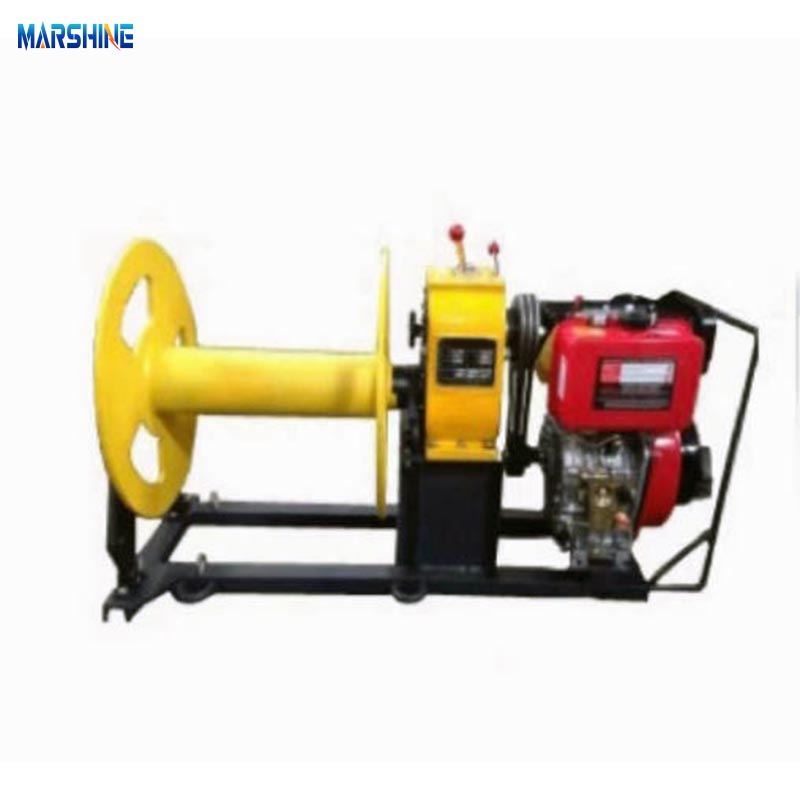
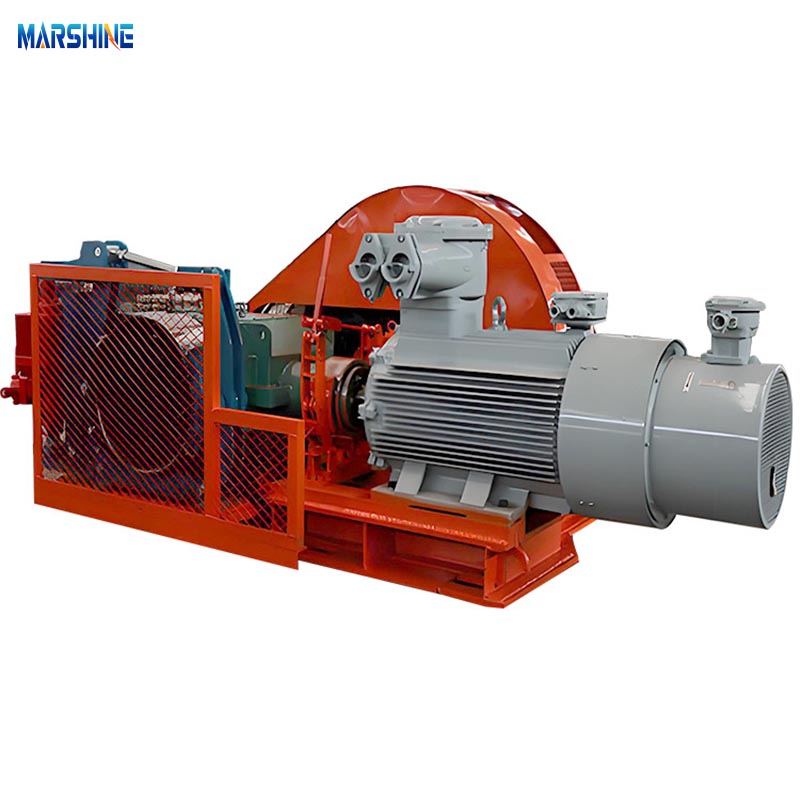
For instance, if expanding your catalog to include a diesel engine cable winch alongside standard PTO models, comparison criteria must adapt to include engine reliability and fuel efficiency. Structured comparison tables help procurement teams visualize trade-offs between cost, capacity, and premium features.
Comparison table essentials
An RFQ comparison table should capture both technical and commercial data. Essential columns include pulling force (tons), drum capacity (meters), required HP, brake type, unit weight, and FOB price.
| Winch Category | Pulling Force | Required Tractor HP | Key Product Feature | Typical Application |
|---|---|---|---|---|
| Light-Duty | 3 - 4 Tons | 30 - 50 HP | Compact frame, manual clutch | Small farm tasks, light logging |
| Medium-Duty | 5 - 7 Tons | 50 - 80 HP | Electro-hydraulic controls | Commercial forestry, agriculture |
| Heavy-Duty | 8 - 12+ Tons | 80 - 120+ HP | Multi-disc clutch, auto-brake | Power grid construction, heavy hauling |
Material and durability checks
Physical build quality determines equipment lifespan. Look for winches featuring high-tensile steel construction, fully enclosed drive chains to block mud and debris, and baked-on powder coating or galvanized finishes that resist rust in harsh environments.
Application fit by use case
Match the winch's features to the specific job. A model designed for underground cable pulling features low-speed, high-torque gearing and tension meters, whereas a logging winch prioritizes rapid line retrieval and robust lower pulleys for skidding logs.
Cost-to-performance factors
The cheapest winch is rarely the most cost-effective when factoring in total cost of ownership. Evaluate the cost-to-performance ratio by assessing included wire rope quality, friction pad lifespan, and the availability of premium features like wireless remote controls that reduce labor costs.
Sourcing Questions to Reduce Import Risk
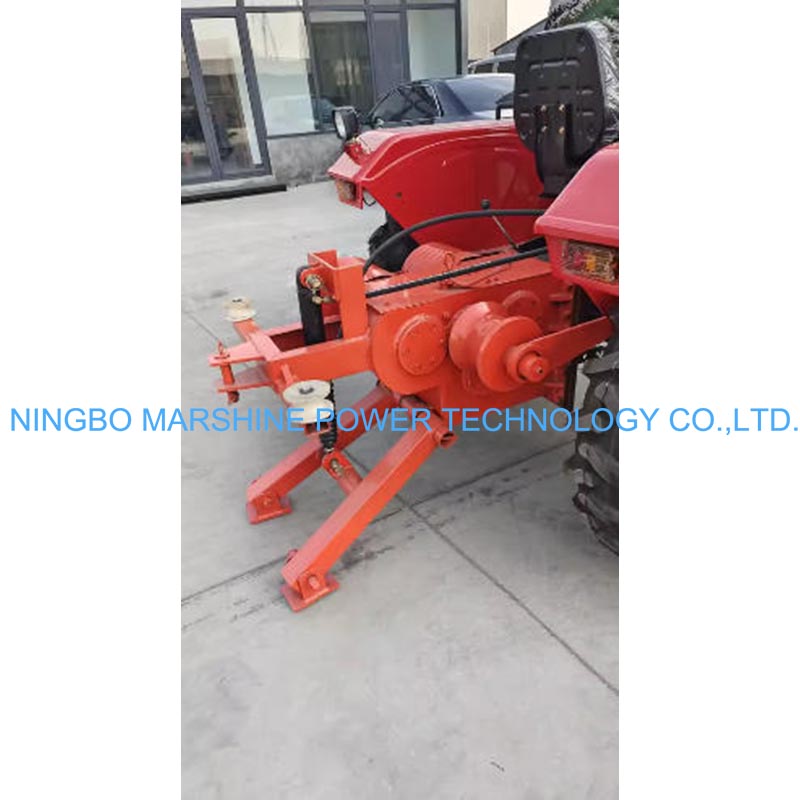
Finding a manufacturer that understands the rigorous demands of power grid construction and heavy forestry is challenging. Sourcing teams must ask targeted questions to verify a supplier’s engineering capabilities, quality control processes, and export performance. Reliable manufacturers feature transparent production processes and willingly share testing protocols.
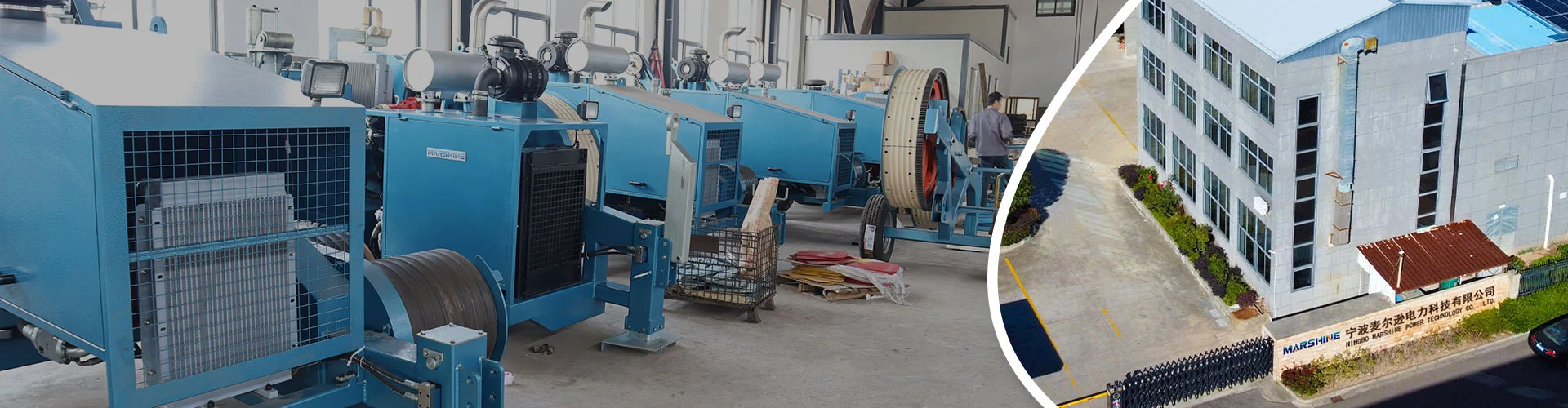
For example, companies like MARSHINE specialize in circuitry construction tools, including underground cable tools and pulling tensioners. Such manufacturers hold certifications like GB/T19001-2008. Partnering with suppliers that have a track record of producing safe, easy-to-handle products significantly lowers import risk.
MOQ, OEM, and customization scope
Clarify the Minimum Order Quantity (MOQ) early. Ask if the factory supports OEM customization, such as brand-specific paint or modified mounting brackets. Suppliers with modular product designs can often accommodate custom requests with lower MOQs and shorter lead times.
Production and quality control points
Inquire about specific quality control checkpoints on the assembly line. Do they perform dynamic load testing for every unit before packaging? Request documentation on braking system and clutch engagement testing to ensure every winch performs safely under stress.
Factory capability review
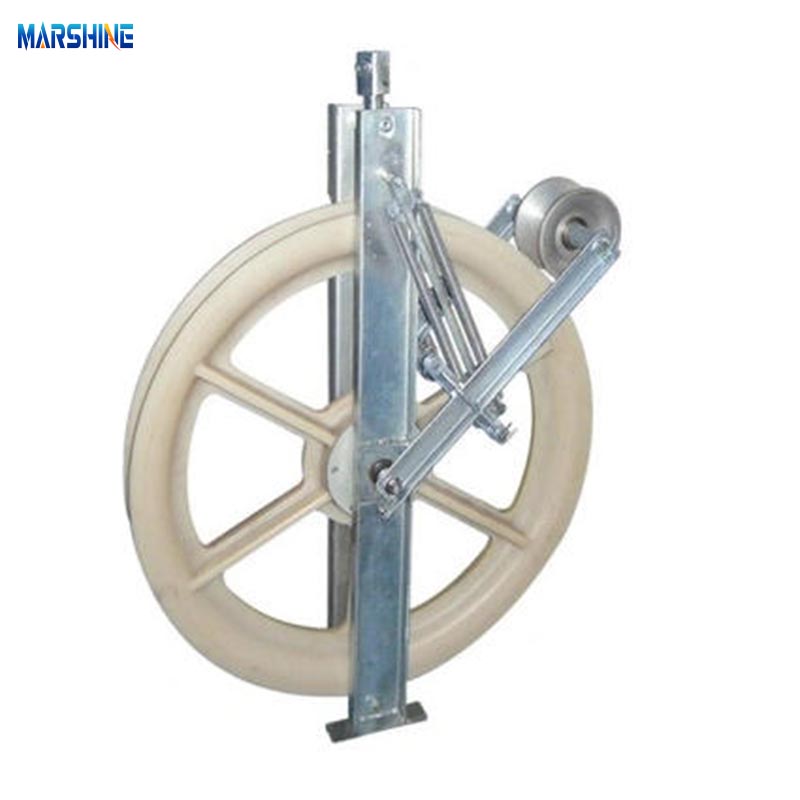
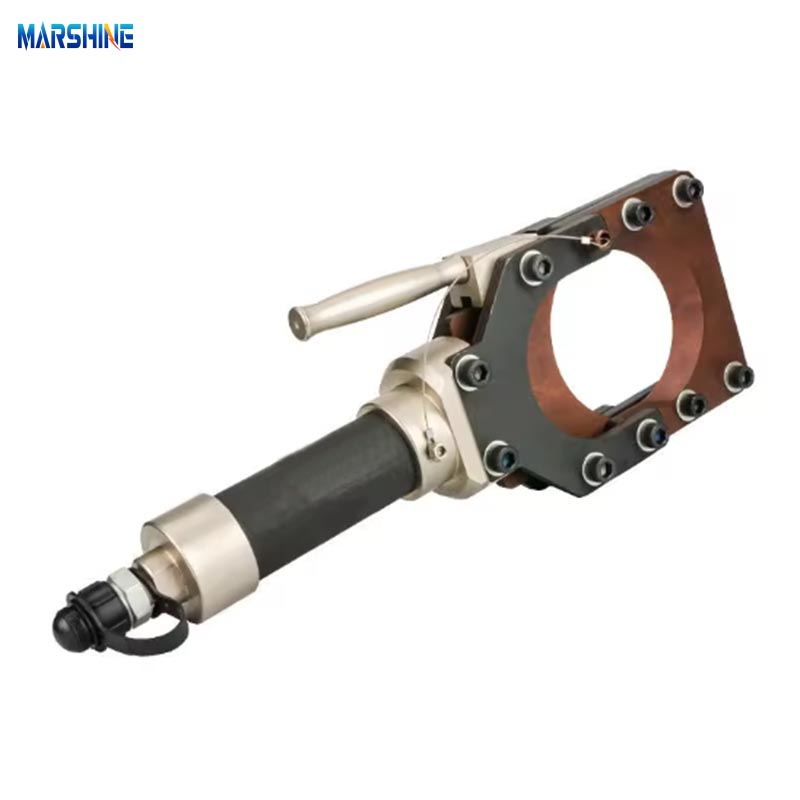
Assess the breadth of the supplier's catalog. Factories producing a wide range of power grid tools—such as stringing blocks, cable rollers, and hydraulic crimping tools alongside winches—demonstrate strong R&D capabilities. This deep industry expertise translates into better-engineered, more reliable products.
Supplier evaluation benchmarks
Evaluate suppliers based on after-sales support and market reputation. Ask for regional reference clients and verify export compliance history. Suppliers that consistently track quality and offer robust service monitoring are safer bets for long-term distribution partnerships.
Compliance, Documentation, and Packaging Requirements
Importing heavy machinery requires strict adherence to international trade regulations and local safety standards. If a winch arrives at customs without proper documentation or mandated safety features, the shipment can be delayed or rejected. High-quality winches feature CE-compliant safety guards, clearly labeled operational decals, and standardized PTO shaft covers to meet regional safety directives.
Furthermore, packaging directly impacts shipping costs and product integrity. Heavy steel equipment can sustain or cause damage in transit if improperly secured. Procurement teams must dictate strict packaging standards to ensure winches arrive in pristine, retail-ready condition.
Required documents
Ensure the supplier provides a flawless set of export documents, including the Commercial Invoice, Packing List, Bill of Lading, and Certificate of Origin. If the winch includes hydraulic components or synthetic oils, Material Safety Data Sheets (MSDS) may be required to clear customs.
Compliance and market-entry checks
Verify that the winch's design complies with local machinery directives. This includes checking for mandatory emergency stop mechanisms, PTO shaft shielding, and compliant noise emission levels. Missing these regulatory features can make the equipment illegal to sell in certain jurisdictions.
Export packaging standards
Insist on heavy-duty packaging. Winches should be bolted to heat-treated wooden pallets or encased in custom steel crates. This prevents units from shifting during ocean transit, protects sensitive control levers, and allows for safe forklift unloading.
Shipping data to confirm
Accurate logistics planning requires precise data. Always confirm the exact Gross Weight and Cubic Meters (CBM) of packaged units before finalizing shipments. This allows freight forwarders to optimize container space, reducing the landed cost per unit.
Logistics, Spare Parts, and After-Sales Terms
The procurement cycle does not end when goods arrive; after-sales support keeps B2B customers returning. Tractor-driven winches are high-wear items, and components like friction discs, wire ropes, and shear pins inevitably need replacement. Importers must build a supply chain providing rapid access to critical spare parts to minimize end-user downtime.
Negotiating favorable logistics and warranty terms upfront protects profit margins. Suppliers offering accessible maintenance points and comprehensive parts manuals make servicing equipment much easier for dealer networks.
Landed-cost drivers
Understand total landed costs by factoring in ocean freight, port handling fees, and import tariffs based on the specific HS code for agricultural or construction winches. Heavy, bulky items are highly sensitive to fluctuating freight rates, making optimized container loading crucial for maintaining margins.
Spare parts planning
Never import heavy machinery without a concurrent order of consumable spare parts. Request a list of high-wear items from the manufacturer and stock up on brake bands, clutch pads, and replacement PTO shafts. Having these parts on hand is vital for offering superior customer service.
Warranty and service terms
Negotiate clear warranty terms before placing a PO. Standard industry warranties cover manufacturing defects for 12 to 24 months. Clarify whether the factory will ship replacement parts via airfreight at their expense if a major component fails prematurely.
Margin impact
Downtime kills profitability for end-users, and broken equipment eats into distribution margins. Sourcing winches with durable, off-the-shelf components and securing strong after-sales terms protects the bottom line and enhances brand reliability.
Practical Buying Process for Procurement Teams
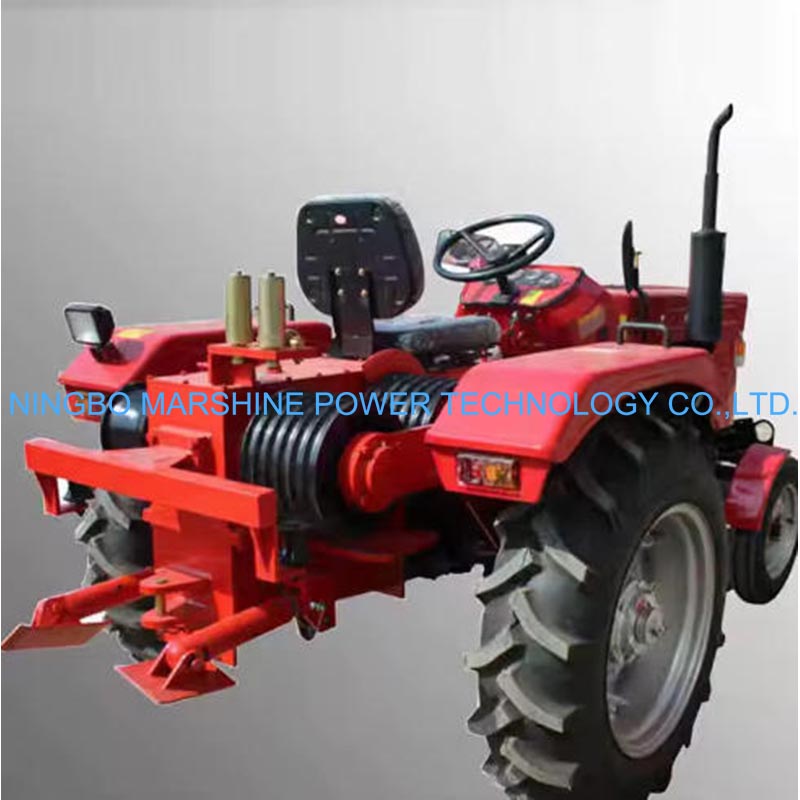
Streamlining procurement ensures buyers get exactly what they need without costly misunderstandings. B2B buyers should approach tractor-driven equipment purchases with a structured methodology, moving from technical definitions to factory audits and commercial negotiations. Whether buying standard PTO models or an engine powered winch, a repeatable purchasing framework is essential.
A disciplined buying process ensures marketed features match what arrives in the container. It bridges the gap between sales promises and factory realities, giving procurement teams total control over product quality and supply chain timing.
Define use case and target specs
Start by documenting exactly what the market needs. Define target pulling capacity, required PTO speed, and essential features like wireless remotes or specific wire rope lengths. Create a technical specification sheet to send to potential suppliers alongside the RFQ.
Validate suppliers and product quality
Filter suppliers based on manufacturing capabilities and quality certifications. Request detailed photos, technical drawings, and operational videos. If possible, order a sample unit to physically test build quality, weld integrity, and brake performance before committing to a container load.
Negotiate commercial terms
Once technical specs are locked in, negotiate commercial aspects. This includes pricing, payment terms (e.g., 30% deposit, 70% against copy of BL), lead times, and spare parts inclusion. Ensure all agreed-upon features and packaging standards are explicitly written into the Proforma Invoice.
Final selection criteria
Make the final supplier choice based on product quality, communication efficiency, and total landed cost. The winning factory should offer competitive pricing, demonstrate a clear understanding of market safety regulations, and feature robust after-sales support.
FAQ
Navigating the complexities of importing tractor-driven winches often brings up common questions. Having definitive answers speeds up decision-making and ensures critical technical and commercial details are not overlooked.
Below are frequently asked questions by B2B buyers when sourcing heavy-duty cable pulling tools and winches for international markets.
How much pulling force should importers specify?
The ideal pulling force depends on the target customer. For light agricultural and farm use, 3 to 5 tons is usually sufficient. For commercial forestry, logging, or power grid construction, importers should specify heavy-duty models with 8 to 12+ tons of pulling capacity to handle severe dynamic loads safely.
What OEM MOQ is typical?
For standard tractor-driven winches, most factories require an MOQ of 10 to 20 units to accommodate custom paint and basic OEM branding. For deeper customizations, such as altering frame designs or adding specialized hydraulic controls, the MOQ may rise to a full 20-foot container load.
Which spare parts and test reports should be included?
Importers should request a spare parts package featuring high-wear items like clutch friction pads, brake bands, shear pins, and replacement control cables. Additionally, demand factory test reports verifying dynamic load testing, brake engagement efficiency, and material strength certifications for the wire rope.
How can buyers verify supplier fit for long-term distribution?
Verify a supplier's fit by checking quality management certifications (like GB/T19001-2008), reviewing export history to markets with similar standards, and assessing the breadth of related product lines. Suppliers featuring comprehensive catalogs of power grid and circuitry construction tools are highly likely to be stable, long-term partners.
Related Reading: MARSHINE