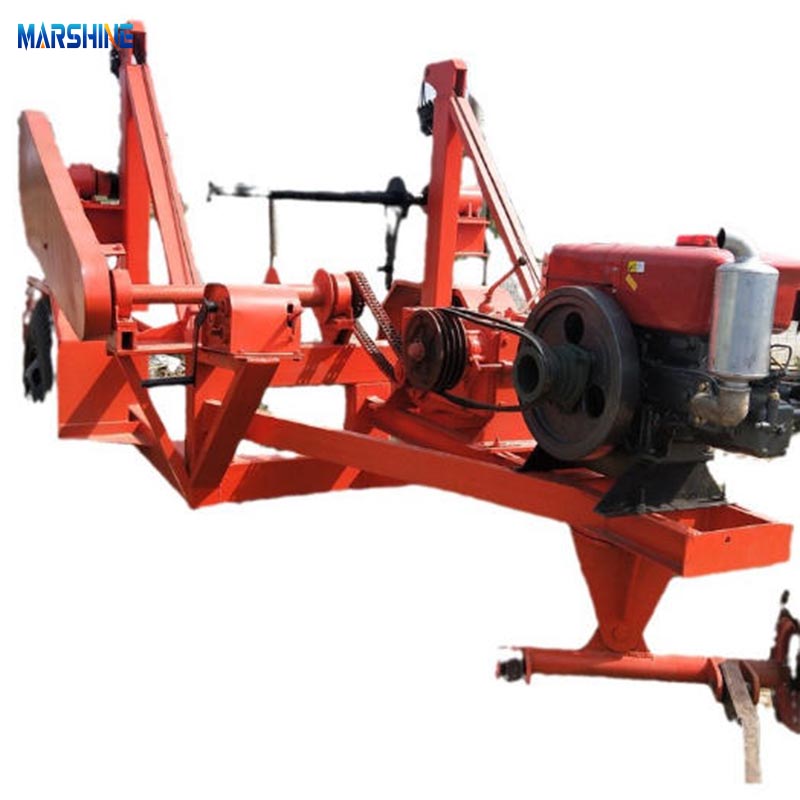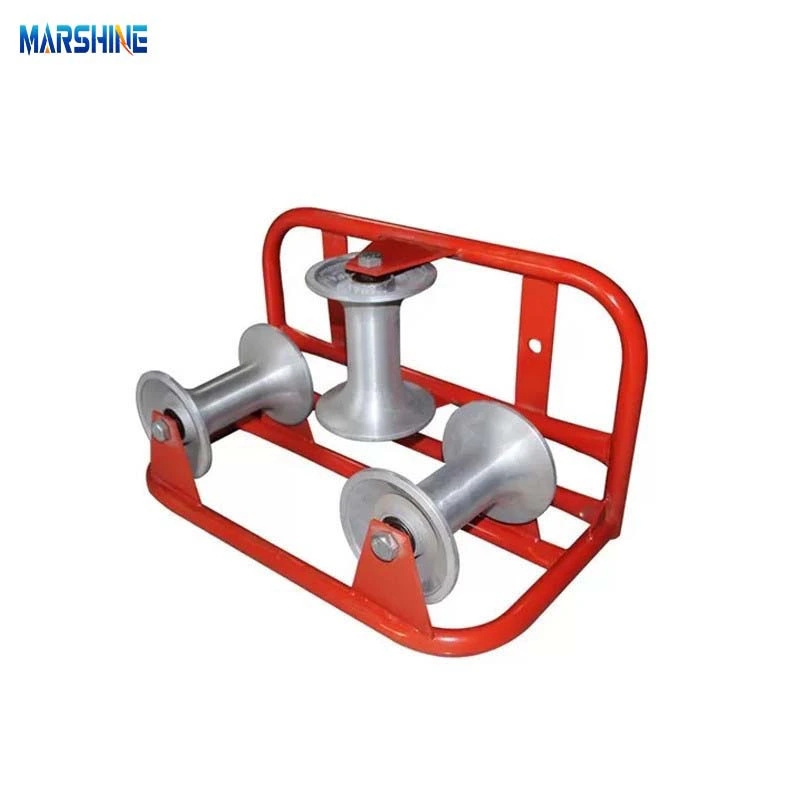
In modern power transmission, telecommunications, and railway construction projects, precise cable tension control is no longer optional—it is essential. Incorrect tension can lead to cable sagging, premature wear, safety hazards, and costly rework. This is where a Hydraulic Cable Tensioner becomes a critical piece of equipment. Designed to apply stable, adjustable, and continuous pulling force, it ensures cables are installed smoothly, safely, and in strict compliance with engineering standards.
This article provides a professional, in-depth overview of the Hydraulic Cable Tensioner, covering its working principles, technical parameters, applications, advantages, and selection guidance, helping contractors and project managers make informed decisions.
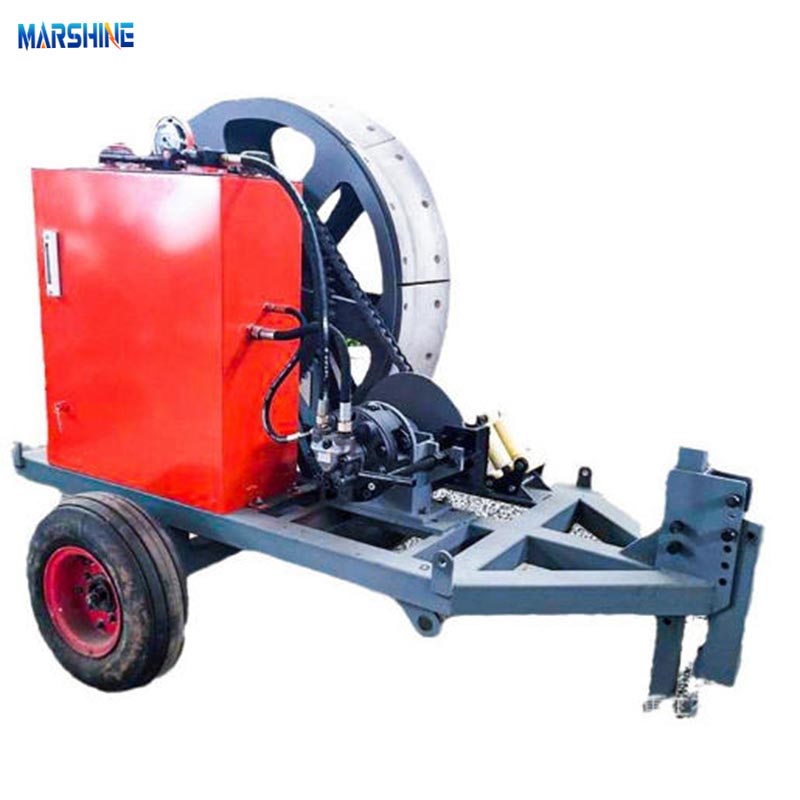
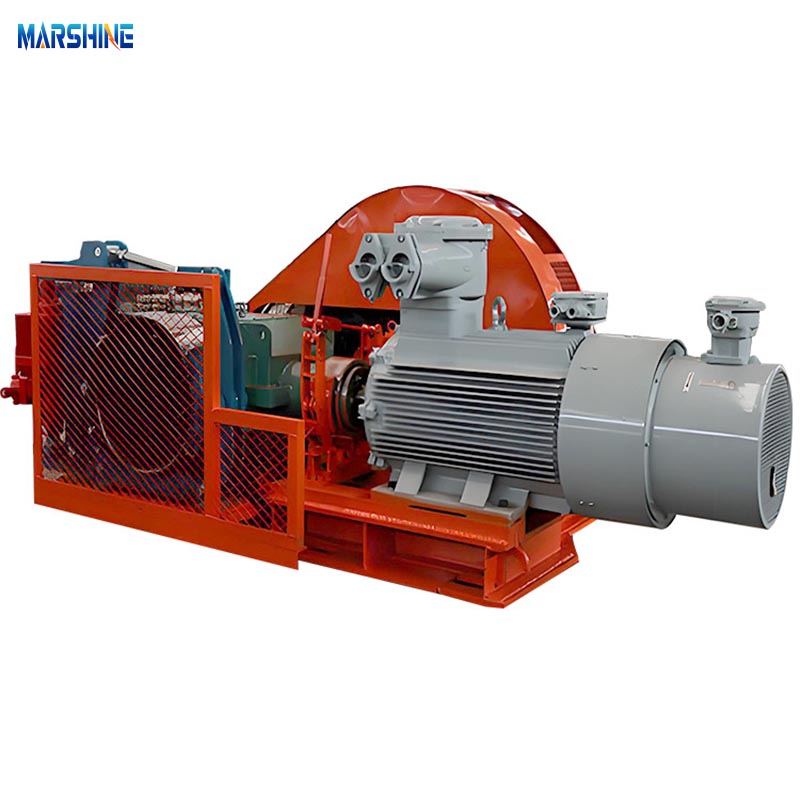
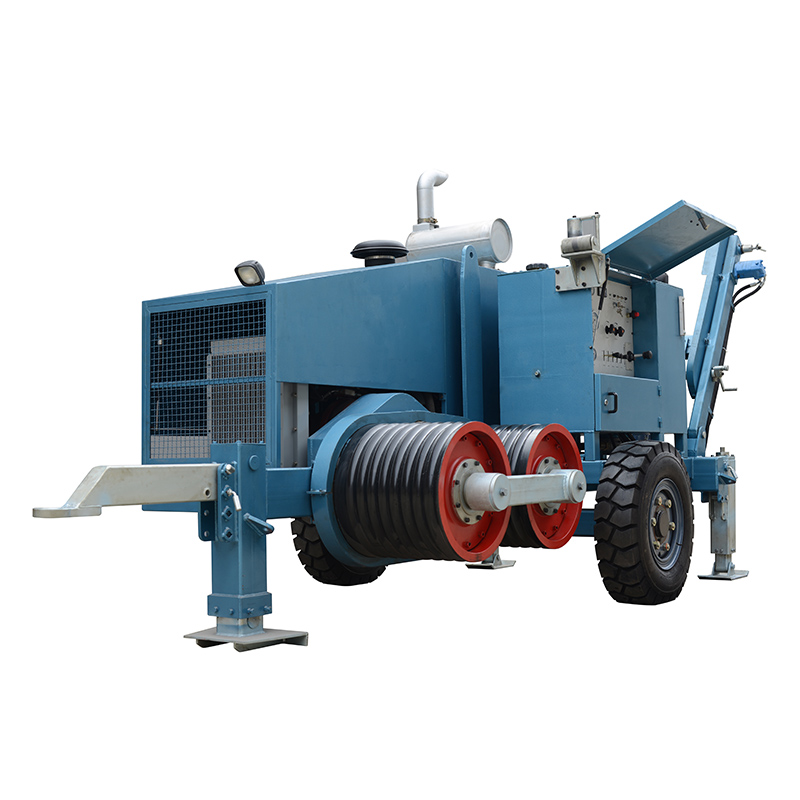
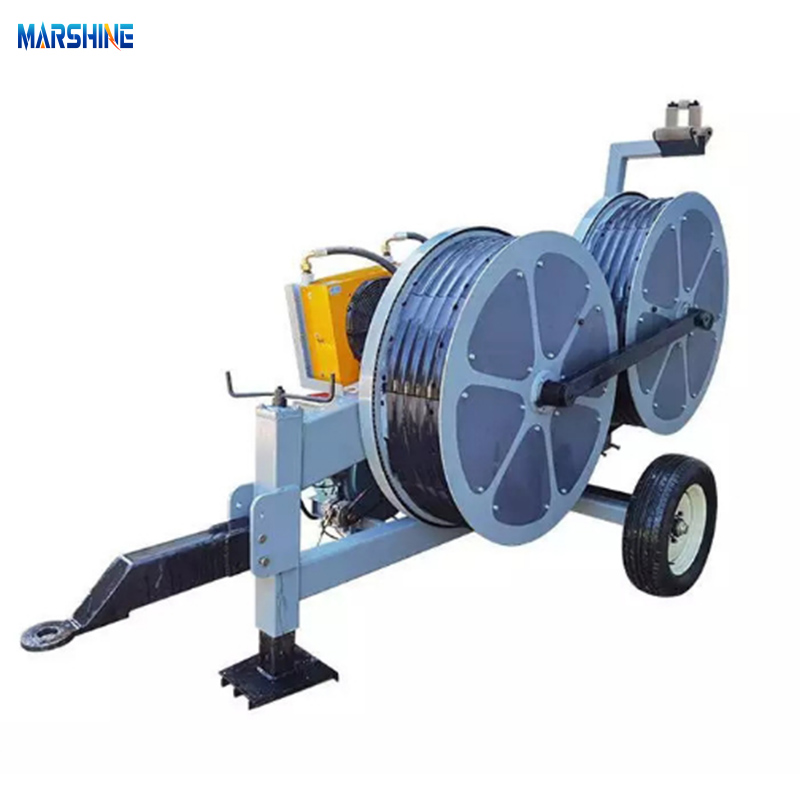
A Hydraulic Cable Tensioner operates by converting hydraulic pressure into controlled pulling force. The system typically consists of a hydraulic pump, motor, reduction gearbox, tension wheel, braking system, and precise control valves.
During operation:
The cable passes over specially designed grooved tension wheels.
Hydraulic pressure drives the wheels to rotate, applying constant tension.
An integrated braking system ensures smooth deceleration and emergency stopping.
Operators can accurately adjust tension according to cable type and project requirements.
This mechanism allows continuous tension control even during speed changes, making it ideal for long-distance and high-precision cable laying tasks.
Compared with manual winches or mechanical tensioning devices, a Hydraulic Cable Tensioner offers significant advantages:
Higher Accuracy: Maintains consistent tension regardless of speed fluctuations
Improved Safety: Reduces sudden stress, cable snap risks, and operator fatigue
Greater Efficiency: Supports continuous operation for large-scale projects
Versatility: Suitable for overhead conductors, OPGW, ADSS, and underground cables
For projects requiring strict quality control and long service life of cables, hydraulic solutions are the industry standard.
Understanding technical specifications is crucial when selecting the right equipment. Below is a simplified overview of the main parameters of our Hydraulic Cable Tensioner, designed for professional field applications.
| Parameter | Specification |
|---|---|
| Maximum Tension Force | 30–80 kN (customizable) |
| Maximum Pulling Speed | 5 km/h |
| Applicable Cable Diameter | 8–40 mm |
| Tension Control Type | Hydraulic stepless adjustment |
| Brake System | Automatic hydraulic brake |
| Power Source | Diesel engine / Electric motor |
| Tension Accuracy | ±5% |
| Operating Mode | Single or dual drum option |
All components are engineered for durability, ensuring stable performance in harsh outdoor environments.
A Hydraulic Cable Tensioner is widely used across multiple industries due to its adaptability:
Power Transmission Lines: Overhead conductor and ground wire stringing
Telecommunications: OPGW and fiber optic cable installation
Railway Electrification: Contact wire and feeder cable tensioning
Urban Infrastructure: Underground cable laying and maintenance
Its precise tension control helps prevent conductor deformation and ensures compliance with international construction standards.
Safety is a top priority on any job site. A Hydraulic Cable Tensioner enhances safety through:
Automatic overload protection to prevent cable damage
Emergency stop systems for immediate response
Smooth start and stop functions to reduce shock loads
Ergonomic control panels for intuitive operation
By minimizing human error and mechanical stress, it significantly reduces accident risks.
Our Hydraulic Cable Tensioner is designed with both performance and reliability in mind:
High-efficiency hydraulic system for energy-saving operation
Precision-machined tension wheels to protect cable surfaces
Robust steel frame for long-term durability
Easy maintenance design with accessible components
These features ensure lower operating costs and higher uptime across demanding projects.
Choosing the right model depends on several factors:
Cable type and diameter
Required maximum tension
Project length and terrain conditions
Power source availability
Transportation and setup requirements
Professional suppliers can help customize solutions to match specific project needs, ensuring optimal performance and cost efficiency.
Q: What is a Hydraulic Cable Tensioner mainly used for?
A: A Hydraulic Cable Tensioner is used to apply controlled and continuous tension during cable installation, ensuring proper alignment, reduced stress, and long-term cable reliability in power, telecom, and railway projects.
Q: How does a Hydraulic Cable Tensioner protect cables during installation?
A: It maintains stable tension through hydraulic control, preventing sudden force changes that could cause stretching, surface damage, or internal conductor fatigue.
Q: Can a Hydraulic Cable Tensioner handle different cable sizes?
A: Yes, most Hydraulic Cable Tensioner models are designed to accommodate a wide range of cable diameters through adjustable tension wheels and control systems.
Q: Why is hydraulic tensioning more reliable than mechanical tensioning?
A: Hydraulic systems provide smoother force transmission, precise control, and automatic braking, resulting in higher accuracy, improved safety, and reduced equipment wear.
A Hydraulic Cable Tensioner is a long-term investment. Reliable equipment reduces downtime, maintenance costs, and project delays. High-quality materials, advanced hydraulic components, and strict manufacturing standards ensure consistent performance across years of operation, even under extreme working conditions.
Selecting a professional-grade Hydraulic Cable Tensioner is essential for achieving safe, efficient, and high-quality cable installation results. With proven engineering, reliable performance, and flexible configurations, our solutions are designed to meet the real demands of modern infrastructure projects.
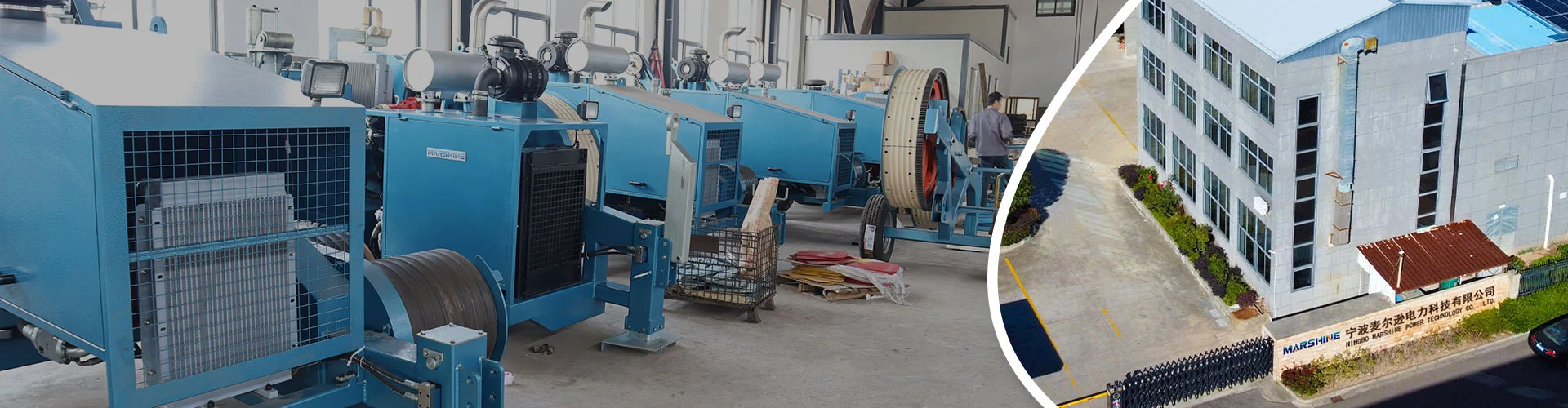
For detailed specifications, technical support, or customized solutions, contact Ningbo Marshine Power Technology Co., Ltd. to discuss how our Hydraulic Cable Tensioner can support your next project with confidence and precision.