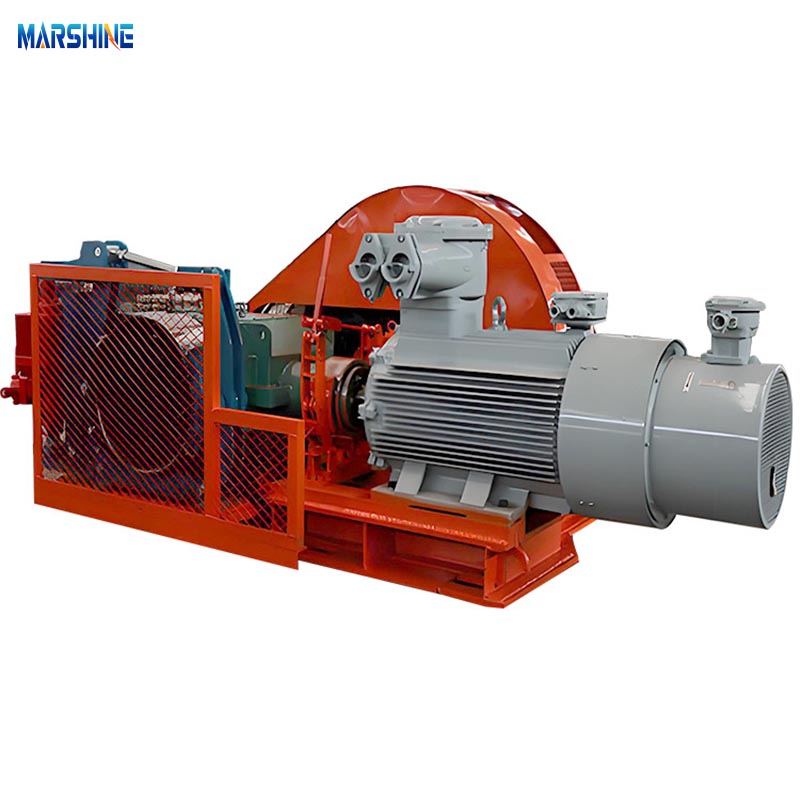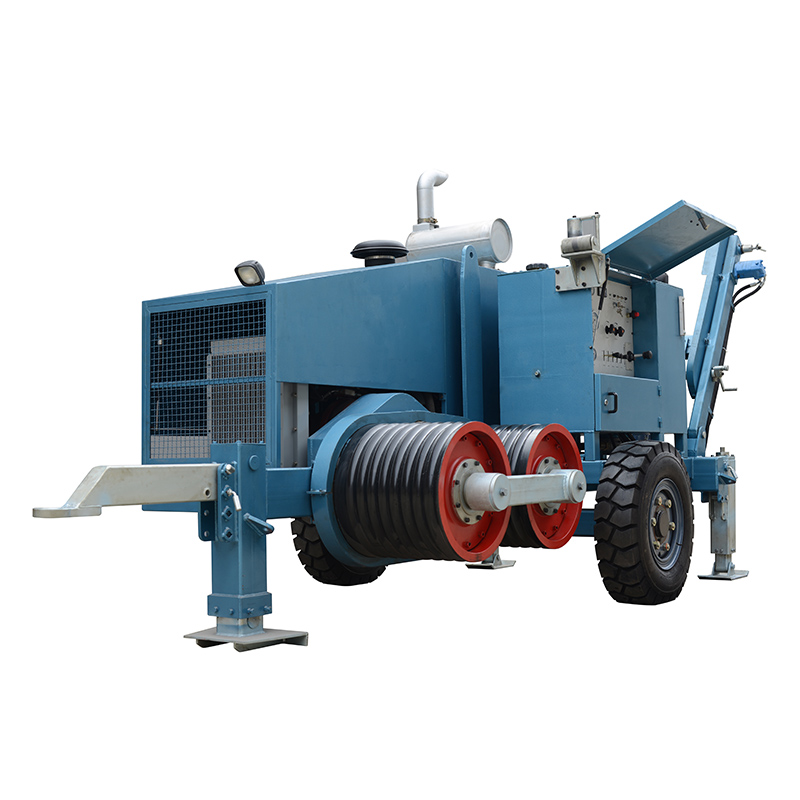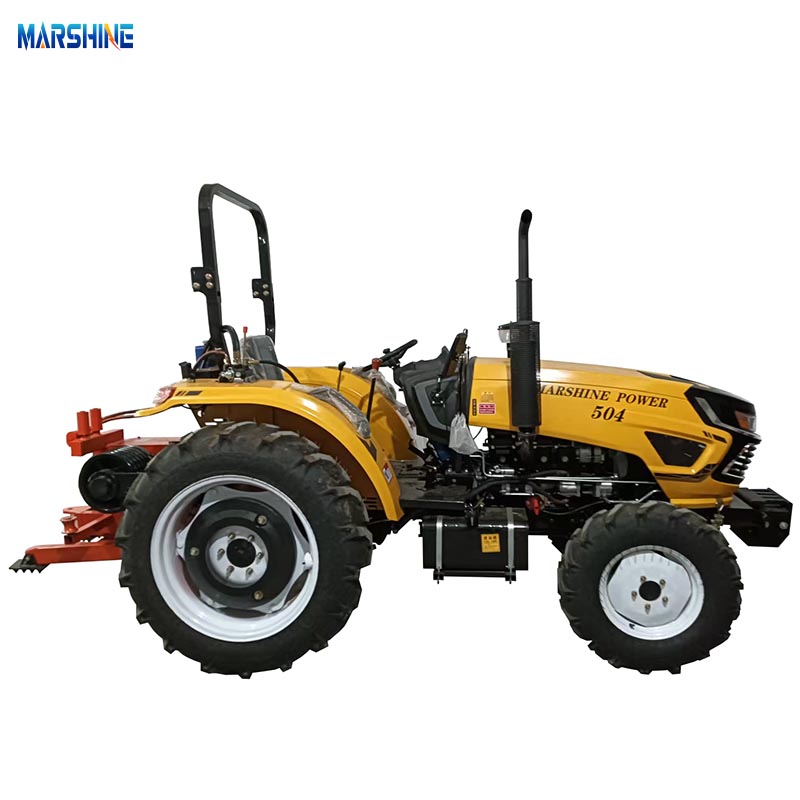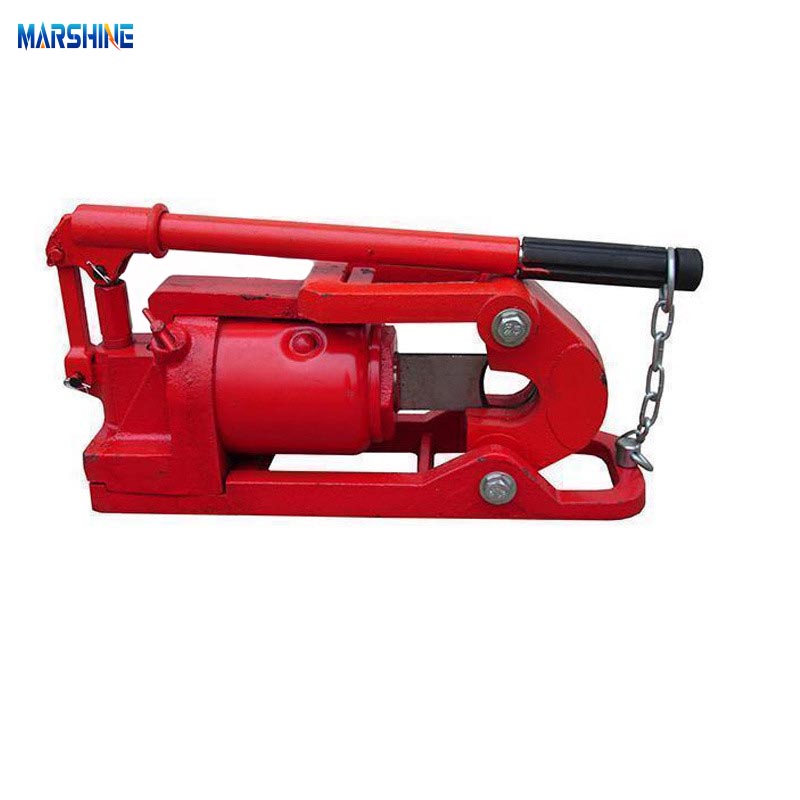
A Tractor Cable Winch is one of the most versatile and indispensable tools found in agricultural, forestry, and heavy-duty land-management work. Whether operators need to pull logs, recover stuck machinery, lift materials, or handle demanding towing tasks, a tractor-mounted winch delivers unmatched strength and efficiency. Designed for high pulling capacity and consistent performance, it transforms a tractor into a powerful recovery and hauling machine.
Modern users expect equipment that offers reliability, safety, durability, and adaptability across changing terrains. A well-engineered Tractor Cable Winch achieves these goals through advanced mechanical design, robust steel construction, and compatibility with various tractor models.
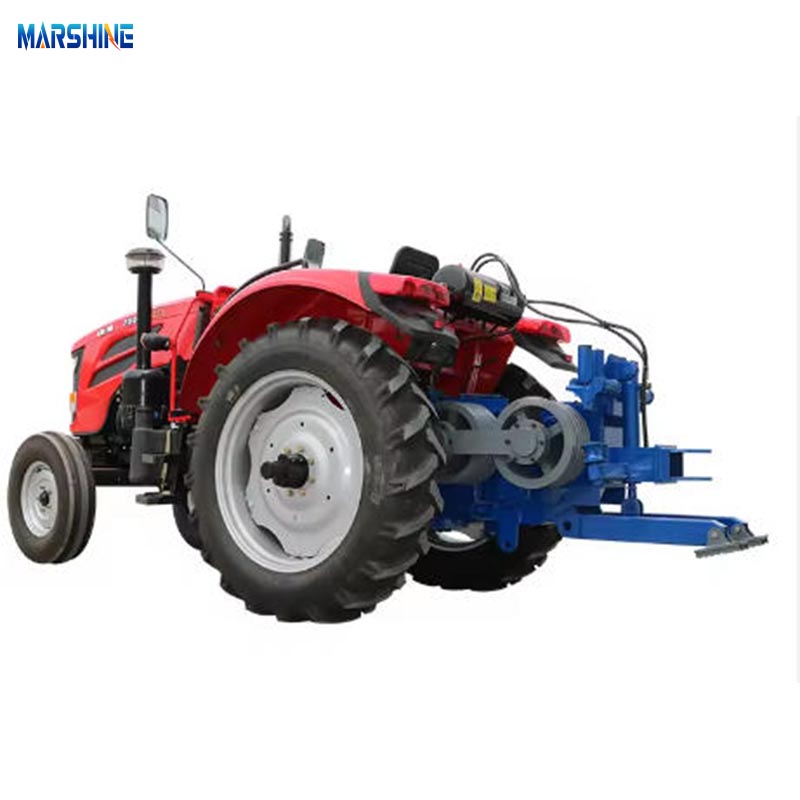
A Tractor Cable Winch uses mechanical power from the tractor's PTO (Power Take-Off) or hydraulic system to provide controlled cable pulling force. Its core components — drum, gearbox, steel cable, braking system, and frame — work together to create smooth and safe operation.
High pulling strength: Capable of pulling logs, vehicles, and heavy loads with stability.
Versatility: Suitable for farming, forestry, landscaping, and industrial applications.
Easy installation: Typically mounted on the tractor's rear three-point linkage.
Safety control: Built-in brakes prevent cable rollback.
Precision handling: Operators can guide material movement with accuracy.
Selecting the right winch requires evaluating capacity, cable length, drum size, operating method, and build quality. For buyers seeking professional-grade performance, attention to the following aspects ensures long-term productivity:
Rated pulling capacity (to match your workload).
Cable length & diameter for extended reach and strength.
Gear reduction ratio for optimal pulling efficiency.
Brake system to guarantee safe load control.
Durable high-grade steel frame for harsh outdoor environments.
Hydraulic or PTO power options depending on your tractor configuration.
Ease of maintenance and readily accessible service points.
Below is a simplified technical table outlining common performance parameters for our high-quality Tractor Cable Winch models. Specifications may vary by capacity and configuration.
| Item | Specification |
|---|---|
| Rated Pulling Force | 30–80 kN (3–8 tons) |
| Driving System | PTO-Driven / Hydraulic |
| Cable Diameter | 8–12 mm steel wire rope |
| Cable Length | 50–100 meters (customizable) |
| Drum Speed | 0.5–1.5 m/s |
| Gear Reduction | High-ratio hardened gear system |
| Brake Type | Automatic mechanical or hydraulic brake |
| Mounting Method | 3-Point Linkage (Category I/II) |
| Structure Material | Reinforced steel with anti-corrosive coating |
| Safety Features | Overload protection, cable guide rollers, emergency stop |
These specifications ensure stable performance across demanding tasks, helping operators work with confidence and improved productivity.
A comparison between a tractor-mounted winch and a portable winch highlights why professionals prefer tractor-based systems for heavy-duty farm and forestry operations.
Tractor Cable Winch: 3–8 tons or more
Portable Winch: 0.5–1.5 tons
A tractor unit significantly outperforms handheld devices.
The tractor acts as a counterweight, eliminating the risk of movement during pulling.
PTO-driven systems run continuously without battery or fuel limits.
Tractor winches handle logs, stuck vehicles, large stones, and construction materials.
Portable winches are limited to lightweight recreational or small-scale tasks.
Tractor winches include mechanical brakes, reinforced frames, and controlled loading.
Portable options rely heavily on manual handling.
For professional environments, a Tractor Cable Winch offers substantially greater durability, capability, and safety.
Proper operation ensures maximum performance and a long service life.
Verify tractor stability before starting.
Inspect the cable for wear, corrosion, or broken strands.
Engage PTO or hydraulic system gradually to avoid jerks.
Keep bystanders away from the cable path.
Never exceed rated load capacity.
Use gloves and eye protection when handling the cable.
Regularly lubricate the drum and gears.
Store the winch indoors to maintain cable and frame condition.
Consistent maintenance and cautious use ensure reliability for years.
A Tractor Cable Winch boosts operational productivity and reduces manual labor. It is especially beneficial in agricultural and forestry work.
Labor savings: One operator can manage heavy hauling tasks.
Time efficiency: Rapid pulling and loading accelerate workflow.
Expanded capabilities: Allows tractors to perform recovery, towing, and lifting.
Cost savings: Reduces the need for dedicated heavy machinery.
Eco-friendly operation: Uses tractor power instead of standalone engines.
These benefits make it a preferred tool for farmers, contractors, forestry workers, and utility service teams.
Q1: What is the primary purpose of a Tractor Cable Winch?
A: It is designed to pull, lift, and recover heavy loads by using the tractor's mechanical power. It is widely used for log skidding, machinery recovery, farm operations, and land clearing.
Q2: How much pulling force do Tractor Cable Winches typically offer?
A: Most units range from 3 to 8 tons of rated pulling capacity, providing strong performance for both agricultural and professional forestry applications.
Q3: What type of power system does a Tractor Cable Winch use?
A: Models can be powered by the tractor's PTO shaft or hydraulic system. PTO-driven winches are popular for consistent and high-torque pulling, while hydraulic versions offer smoother control.
Q4: What factors should I consider when choosing a Tractor Cable Winch?
A: Consider pulling force, cable length, cable diameter, brake system, mounting type, tractor compatibility, and material durability. Selecting based on your actual workload ensures long-term satisfaction.
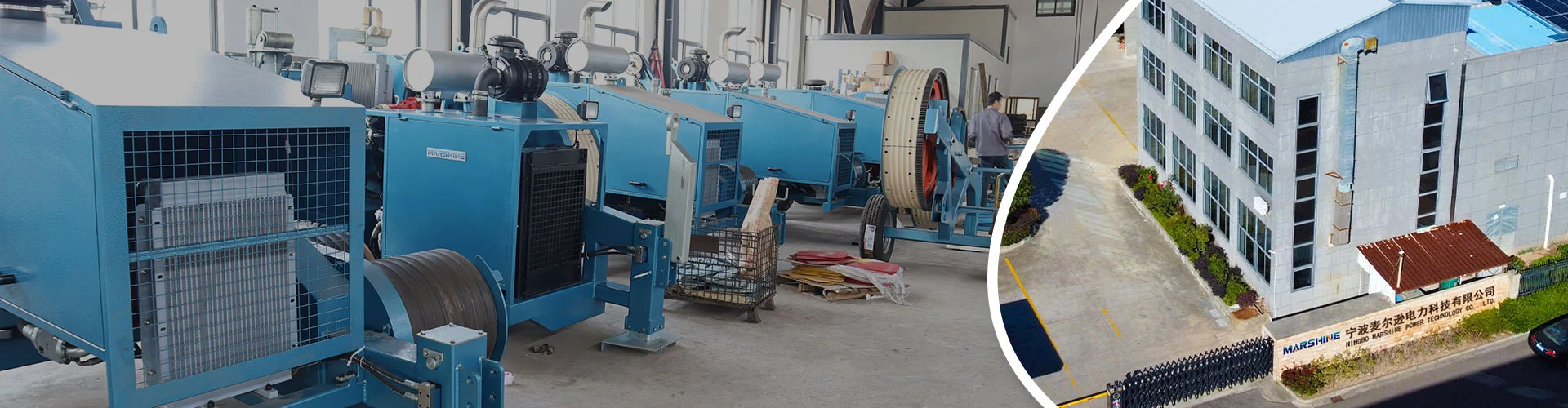
For high-quality Tractor Cable Winch solutions, professional customization, or product consultation, feel free to contact Ningbo Marshine Power Technology Co., Ltd. Our team provides reliable equipment for global agricultural and forestry operations.