

Reliable cable terminations depend on more than strength—they depend on repeatable force, proper alignment, and a tool that operators can use all day without fatigue. In electrical construction, cordless press tools are changing crimping by combining hydraulic output with battery-powered portability, making them especially valuable in panels, trenches, utility work, and high-volume installations. This article looks at how these tools compare with manual crimpers, what battery and power specifications really mean, and where cordless models may not be the best fit. For contractors evaluating hydraulic crimping tools from suppliers such as cable-winch.com, understanding runtime, ergonomics, capacity, and total ownership cost can help prevent poor connections, rework, and downtime.
How Cordless Press Tools Change Cable Crimping
The electrical construction industry has largely moved past the days of relying solely on muscle power for heavy-duty wire terminations. Adopting a cordless press tool fundamentally shifts how contractors approach cable crimping, bringing immediate benefits in portability, speed, and ergonomic safety directly to the job site.
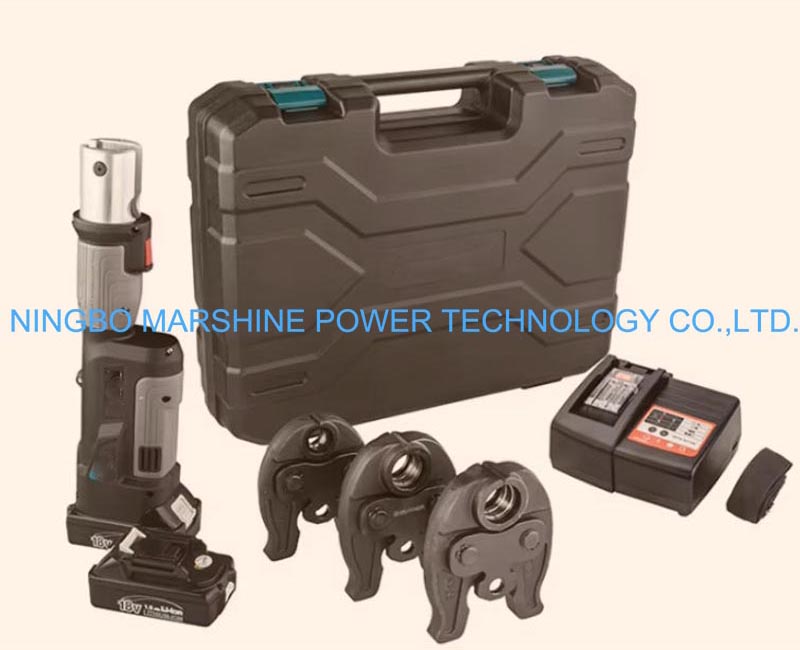
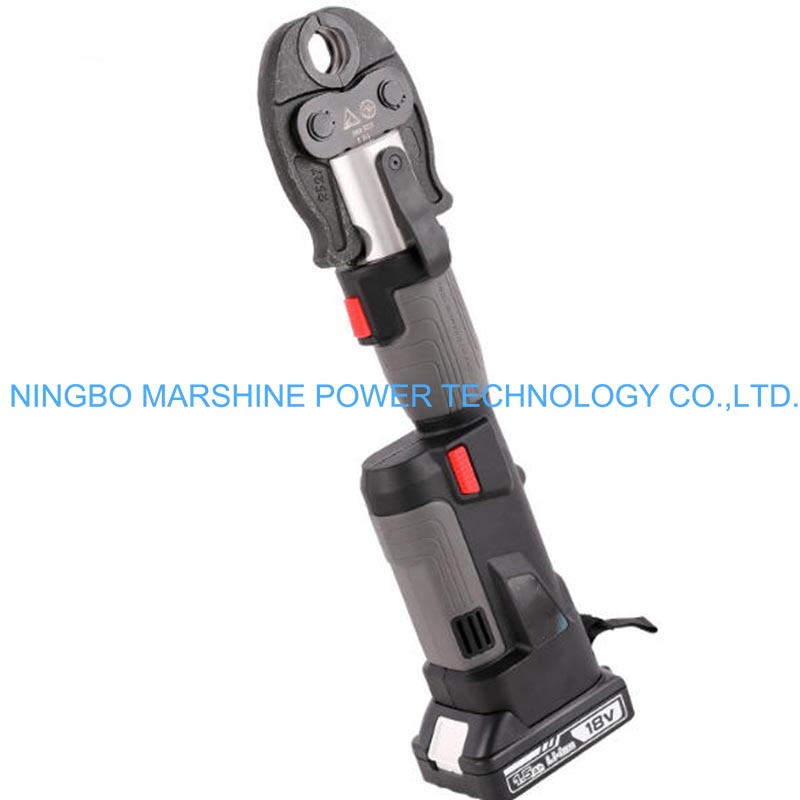
These battery-operated devices deliver the force of traditional hydraulic systems in a compact, hand-held footprint. With features like lightweight composite housings and 360-degree rotating heads, operators can easily navigate tight panels and awkward trenches without ever compromising on connection integrity.
Cordless vs. Manual Crimping
When comparing cordless and manual crimping, the most immediate difference is the significant reduction in physical strain. Manual ratcheting or hand-pump hydraulic crimpers often require operators to exert roughly 50 to 70 pounds of grip force repeatedly—based on general industry estimates—which is a major contributor to repetitive strain injuries (RSI) over a long shift.
A cordless press tool substantially reduces this fatigue, replacing strenuous manual pumping with a simple, effortless trigger pull. This one-handed operation not only protects the installer's joints but also frees up a hand to properly align the cable and lug, noticeably reducing the defect rate associated with awkward, misaligned crimps.
However, cordless models introduce their own ergonomic and practical limitations. The added weight of the battery and motor can still cause strain during prolonged overhead use. Furthermore, cordless tools may not always be the optimal choice; for highly volatile ATEX/confined environments, extremely remote sites without charging access, extreme cold weather that severely derates batteries, or conductors requiring more than a 12-ton capacity, corded hydraulic or manual tools often remain more practical and cost-effective.
Key Power and Battery Specifications
The backbone of any modern cordless press tool is its advanced power platform. Most industry-standard models run on robust 18V or 20V lithium-ion battery systems, offering an optimal balance between overall tool weight and sustained hydraulic output.
Contractors typically look at amp-hour (Ah) ratings to gauge runtime. A standard 2.0Ah battery keeps the tool light enough for comfortable overhead work, while a bulkier 5.0Ah pack is much better suited for high-volume bench work. On a fully charged 2.0Ah battery, manufacturers generally estimate operators can realistically achieve 200 to 300 crimps on 4/0 AWG copper wire.
However, this figure is a rough baseline; actual runtime per charge is heavily affected by battery age, idle power drain, and the specific tool and die combination being used. Evaluating the total cost of ownership is critical here: buyers must weigh the upfront tool price against battery platform lock-in, replacement battery costs, and repair availability. Additionally, battery dependency means cold-weather derating can significantly reduce performance in freezing conditions, making backup power sources essential for winter fieldwork to prevent costly work stoppages.
Performance Factors Contractors Should Compare
Evaluating a cordless press tool goes beyond just checking the battery life. Contractors need to dive into the mechanical capabilities and smart features that dictate exactly how the tool performs under pressure.
Modern units are defined by premium attributes like quick-change interchangeable jaw systems and intelligent hydraulic pressure monitoring, ensuring that every single termination meets strict electrical codes and holds up over time.
Crimp Force and Jaw Compatibility
Crimp force is the defining metric for these devices, dictating the maximum cable size the tool can safely terminate. Standard tools typically fall into two main categories: 6-ton and 12-ton hydraulic outputs. A 6-ton tool is highly maneuverable and generally handles standard copper lugs up to 600 MCM. In contrast, heavy-duty commercial or utility work demands a 12-ton tool capable of tackling 1000 MCM or larger.
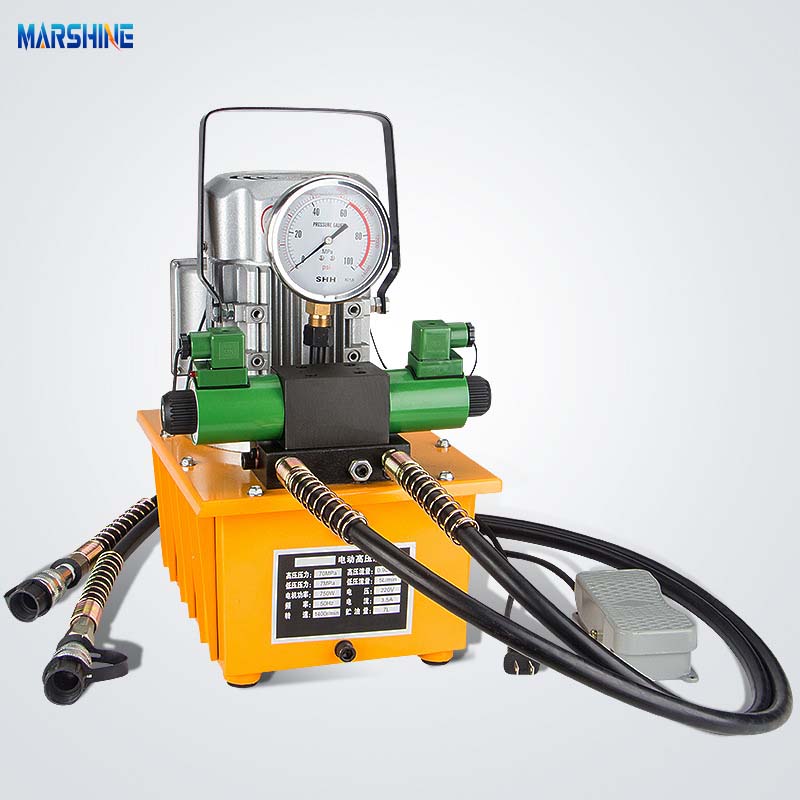
Using the right jaw and die combination is absolutely critical for achieving a reliable compression joint that minimizes electrical resistance and prevents pull-outs. Understanding common die standards—such as W-type and O-type for 6-ton tools, or U-type and Kearney for 12-ton tools—is essential, as die compatibility directly affects tool selection and total cost of ownership. For a deeper look at high-force equipment, reviewing hydraulic crimping equipment can provide neutral insight into the core hydraulic mechanisms that power both corded and cordless models, helping buyers understand baseline specifications.
| Tool Class | Typical Force Output | Max Copper Capacity | Max Aluminum Capacity | Common Die Standards | Avg. Weight (lbs) |
|---|---|---|---|---|---|
| Compact / 6-Ton | 12,000 lbs | 600 MCM | 350 MCM | W-type, O-type | 5 - 7 |
| Heavy-Duty / 12-Ton | 24,000 lbs | 1000 MCM | 750 MCM | U-type, Kearney | 14 - 16 |
Note: Capacities, die standards, and weight ranges are highly manufacturer- and die-series dependent. Not every 6-ton tool universally handles 600 MCM copper. Cable type and lug design significantly affect actual limits. Always verify specific capacities against the manufacturer's datasheet before purchasing.
Speed, Consistency, and Quality Control
Beyond raw power, the speed and consistency of the crimp cycle directly impact a project's bottom line. A high-quality cordless press tool usually completes a full crimp cycle in just 3 to 6 seconds—though this varies depending on the tool model, battery charge, and cable size—automatically retracting the ram the moment the optimal pressure is reached.
This automatic retraction acts as a built-in quality control measure. Many advanced models now feature internal pressure sensors and LED indicators that flash green for a successful cycle or red if the tool failed to reach the target pressure. However, this real-time visual feedback supplements rather than replaces required quality assurance. Operators must still perform die-specific gauge checks, pull tests, and visual inspections per applicable standards to ensure connections will not lead to thermal failures or dangerous arc faults down the road.
How to Select and Deploy a Cordless Press Tool
Bringing cordless technology into your fleet requires a bit of strategic planning to maximize your return on investment. Selecting the right cordless press tool means closely matching the tool's capabilities to the environments your crews face daily.
Look for features like weather-sealed electronics, broad die compatibility, and automated maintenance alerts.
Further reading:
Key Takeaways
- Choose a cordless press tool when repetitive crimping speed, one-handed operation, and reduced operator fatigue are priorities on the job site.
- Use a 2.0Ah battery for lighter overhead work and a 5.0Ah battery when longer runtime is more important than tool weight.
- Plan for battery performance limits, because cold weather, older batteries, idle drain, and die selection can reduce crimps per charge.
- Compare cordless tools by crimping force, die compatibility, head rotation, service support, and total battery platform costs before purchasing.
- Keep manual or corded hydraulic tools available for extreme environments, remote locations without charging access, or conductors requiring more than 12 tons of force.
Frequently Asked Questions
What is the main advantage of a cordless press tool for cable crimping?
A cordless press tool reduces manual effort by replacing hand pumping or ratcheting with battery-powered hydraulic force. This improves speed, consistency, and operator comfort, especially during repetitive terminations on job sites.
How many crimps can a cordless press tool make per charge?
Runtime varies by tool, die, conductor size, and battery condition. As a general benchmark, a 2.0Ah lithium-ion battery may deliver about 200 to 300 crimps on 4/0 AWG copper wire under typical conditions.
Are cordless press tools better than manual crimpers?
They are often better for high-volume or repetitive work because they reduce grip force, fatigue, and misalignment. However, manual or corded hydraulic tools may still be preferable in extreme cold, remote sites, ATEX environments, or applications above 12 tons.
What battery size is best for a cordless press tool?
A 2.0Ah battery keeps the tool lighter for overhead or panel work, while a 5.0Ah battery offers longer runtime for bench work or high-volume crimping. Contractors should balance weight, runtime, and charging access.
Why does crimp consistency matter in cable termination?
Consistent crimp force helps create secure electrical connections with lower resistance and fewer defects. Poorly aligned or under-compressed crimps can lead to overheating, failures, and costly rework.