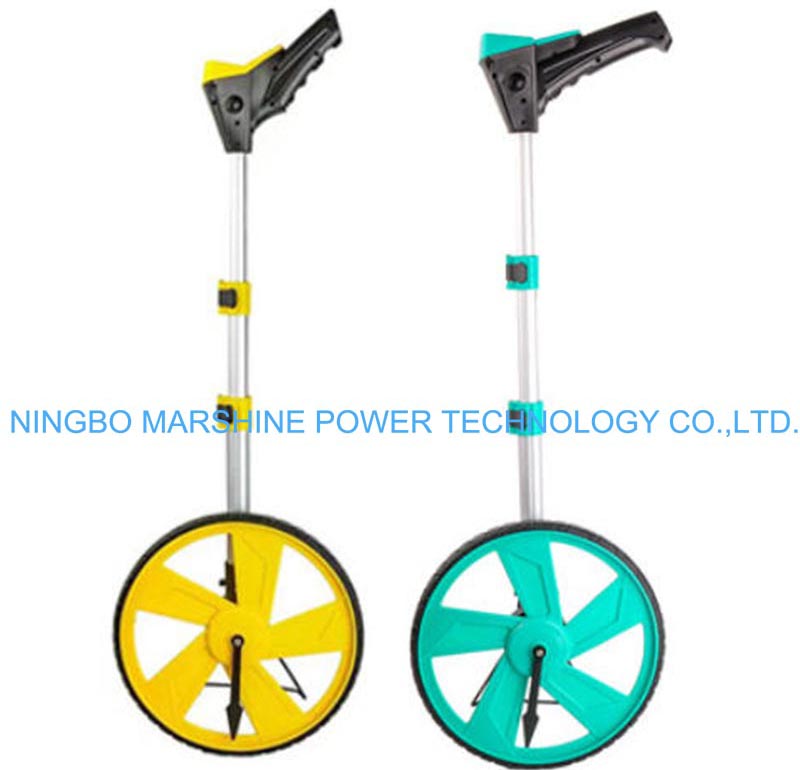
Accurate distance measurement is crucial for various tasks, from construction to landscaping. A MARSHINE measuring wheel simplifies this process significantly. Unlike manual methods, which often underestimate distances—especially around turns—a surveyor wheel provides precise readings. To measure effectively, consider factors like terrain and wheel calibration when using this measuring wheel tool.
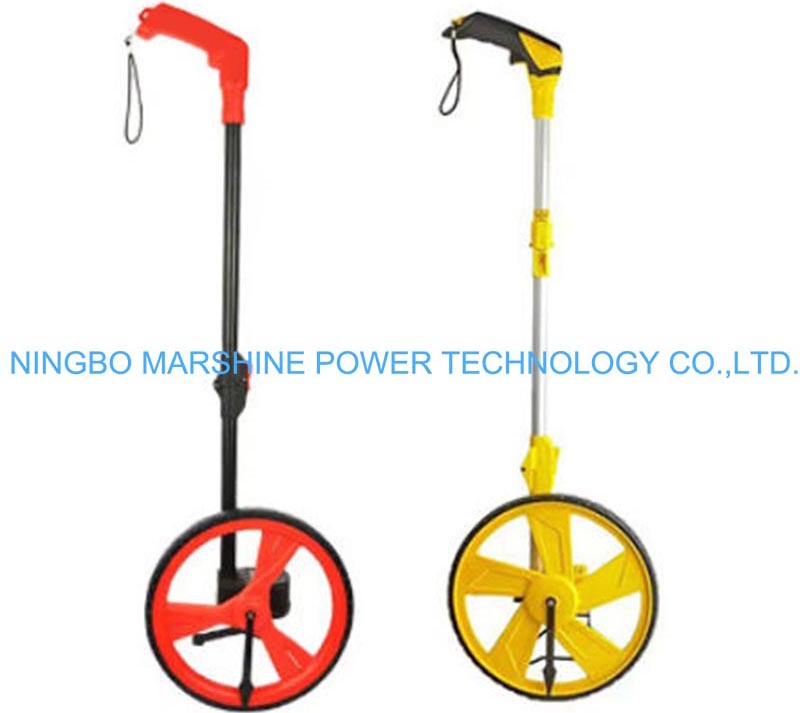
Selecting the right measuring wheel can make a significant difference in your measurement accuracy and ease of use. Here’s a breakdown of the types available and the specifications to consider.
When it comes to measuring wheels, you have several options to choose from:
When choosing a measuring wheel, keep these specifications in mind:
| Criteria | Outdoor Use | Indoor Use |
|---|---|---|
| Wheel Size | Larger wheels (10-12 inches) | Smaller wheels |
| Surface Suitability | Uneven terrains | Smooth surfaces |
| Additional Features | May include features for durability | Basic features sufficient |
Larger wheels tend to provide better accuracy by covering more ground per revolution. They minimize surface irregularities, especially on rough terrains. For indoor use, smaller wheels work best on smooth surfaces.
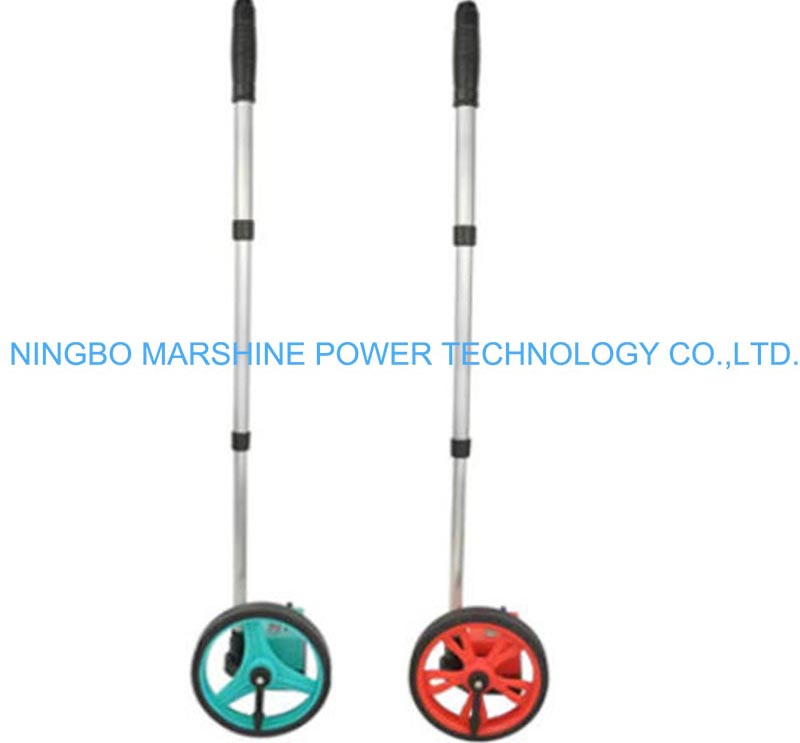
Choosing the right location is essential for accurate measurements. Here are some key factors to consider:
Once you've selected the right location, it's time to set up your measuring wheel. Follow these steps for optimal results:
By taking these steps, users can maximize the effectiveness of their measuring wheel and achieve accurate distance readings.
To kick off your measurement, follow these steps to ensure accuracy:
By following these steps, users can establish a reliable baseline for their measurements.
Keeping a straight path is crucial for accurate measurements. Deviation from a straight line can lead to errors. Research shows that lateral deviation can hinder performance indicators, affecting measurement accuracy. Here are some tips to maintain a straight path:
Once you've completed your measurement, it's time to record the results accurately. Here’s how to do it effectively:
By following these steps, users can ensure that their measurements are both accurate and reliable, making the most of their measuring wheel.
Calibration is key to ensuring your measuring wheel provides accurate readings. Regularly checking the calibration can save you from costly mistakes. Here are some tips to keep your measuring wheel in top shape:
By keeping your measuring wheel calibrated, you can trust the measurements you take.
Using a measuring wheel can be straightforward, but several common pitfalls can lead to inaccuracies. Here’s how to avoid them:
By being aware of these pitfalls and taking proactive steps, you can enhance the accuracy of your measurements with a measuring wheel.
Inaccurate readings can frustrate anyone using a measuring wheel. Several factors contribute to this issue. For instance, using the wrong rim size can lead to depth discrepancies. Additionally, wear and misalignment of the measuring head can significantly affect accuracy. To avoid these problems, users should verify their equipment before each use. This simple step can prevent inaccuracies and ensure reliable measurements.
Tip: Always check your measuring wheel for any signs of damage or wear before starting your project. A quick inspection can save you time and effort later on!
Proper maintenance is essential for extending the lifespan of your measuring wheel. Here are some recommended routines to keep it in top shape:
| Maintenance Routine | Description |
|---|---|
| Regular Cleaning | Clean the wheel after each use to remove dust and debris. |
| Battery Care | Recharge the battery regularly and avoid letting it drain completely. |
| Calibration Check | Periodically check and calibrate the wheel to maintain accuracy. |
Regular cleaning and lubrication can greatly enhance performance. Studies show that using a cleaning jet technique along with minimum quantity lubrication improves surface quality and reduces wheel wear. This leads to more accurate measurements and a longer tool life. By following these maintenance tips, users can ensure their MARSHINE measuring wheel remains reliable and effective for years to come.
Measuring distances accurately with a measuring wheel involves several key steps:
Practicing these techniques will refine skills over time. As users become more familiar with their measuring wheel, they’ll notice improved accuracy and efficiency. Overall, a measuring wheel is a valuable tool for quick and reliable distance measurements, especially in surveying tasks. 🌟
A measuring wheel helps measure distances accurately, making it ideal for construction, landscaping, and surveying tasks.
Regularly clean it, check calibration, and store it in a dry place to ensure longevity and accuracy.
Yes, using a rough terrain measuring wheel is best for uneven surfaces, as it provides better stability and accuracy.