Choosing the right cable size for cable conveyor systems is crucial. Proper selection boosts efficiency and enhances safety. For instance, energy-efficient systems can lower consumption, which is vital for sustainability. Factors like application type, bend radius, and environmental conditions play a significant role in determining the ideal cable size. At MARSHINE, we understand the importance of effective cable conveyor design to optimize performance and reliability in various applications.
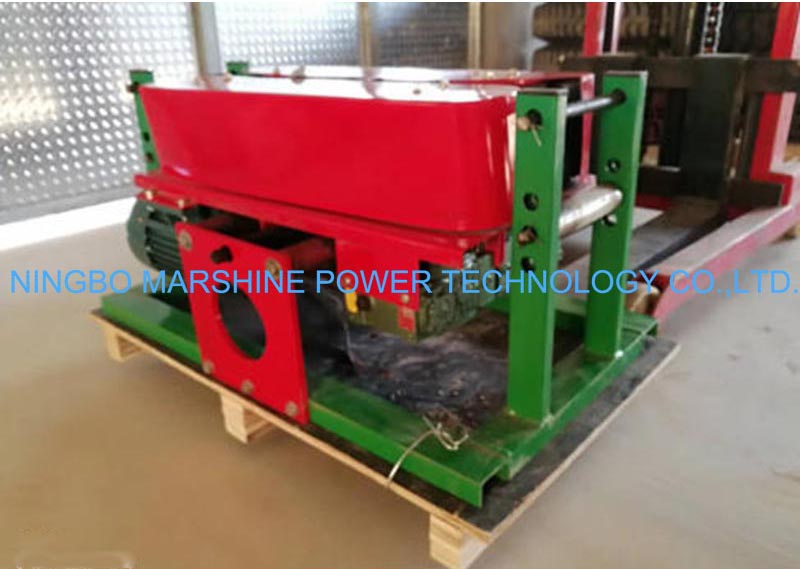
When selecting the ideal cable size for conveyor systems, the application type plays a pivotal role. Different applications have unique requirements that can significantly influence cable specifications. Here are some common types of conveyor system applications to consider:
Each of these applications demands specific cable characteristics to ensure optimal performance. For instance, lightweight packaging may require cables that are flexible and resistant to wear, while heavy-duty applications might need cables that can handle higher loads and stress.
Moreover, industry standards exist to guide cable sizing in various conveyor system applications. Here are some key considerations:
Additionally, standards like ASME B20.1-2018 provide guidelines for the design, construction, maintenance, and operation of conveyor systems. This standard emphasizes safety and hazard prevention, which are crucial for any application.
Understanding the voltage and current requirements is also essential. Different conveyor systems may exhibit varying needs based on their design. For example:
By considering the application type and adhering to industry standards, you can select the right cable size for your conveyor system. This careful selection not only enhances performance but also ensures safety and compliance.
When it comes to conveyor systems, the bend radius of cables is a critical factor. It refers to the minimum radius that a cable can be bent without causing damage. Selecting the right bend radius ensures that cables perform optimally and last longer.
So, what are the recommended minimum bend radius values for cables used in conveyor systems? Here’s a quick reference table:
| Cable Type | Minimum Bend Radius |
|---|---|
| SAA 4 core and earth orange cable | ≥ 4× cable diameter |
| Example for 25mm diameter cable | Bend radius of ≥ 100mm |
| SAA 4 core 25mm in renewable systems | Tolerate radii ≤ 8× diameter |
Maintaining the recommended bend radius is essential. Exceeding this radius can lead to increased stress on the cable, which shortens its lifespan. As one expert puts it,
"A larger bend radius means less stress on the cable and a longer service life. Selecting a considerably larger bend radius than required for the fill package will extend the lifespan of the cables and hoses."
By keeping these guidelines in mind, you can ensure that your conveyor system operates smoothly and efficiently. Remember, a little attention to the bend radius can go a long way in enhancing the durability and performance of your cables.
When it comes to selecting the right cable size for your conveyor systems, understanding cable size specifications is essential. These specifications help ensure that the cables can handle the demands of your specific application. Here are some key factors to consider:
Current Rating: Each cable has a maximum current rating, which indicates how much electrical current it can safely carry. Exceeding this rating can lead to overheating and potential failure. Always check the current requirements of your conveyor system to choose a cable that meets or exceeds these needs.
Voltage Rating: Just like current, cables also have a voltage rating. This rating tells you the maximum voltage the cable can handle. Make sure the cable you select can accommodate the voltage levels in your conveyor system.
Conductor Size: The size of the conductor affects both the current-carrying capacity and the resistance of the cable. Larger conductors can carry more current but may also be less flexible. Consider the balance between flexibility and capacity based on your conveyor's design.
Insulation Type: The insulation material around the conductor plays a crucial role in protecting the cable from environmental factors. Different insulation types offer varying levels of resistance to heat, moisture, and chemicals. For example, PVC insulation is common, but in harsh environments, you might need something more robust like rubber or TPE.
Cable Configuration: The arrangement of conductors within the cable can impact its performance. For instance, twisted pairs can reduce electromagnetic interference, which is vital in sensitive applications.
Length of Cable Run: The distance between the power source and the conveyor system affects voltage drop. Longer runs may require larger cables to compensate for this drop.
Flexibility Requirements: If your conveyor system involves frequent movement or bending, you’ll need cables designed for flexibility. Look for cables specifically labeled as flexible or suitable for dynamic applications.
By paying attention to these specifications, you can ensure that your cable conveyor operates efficiently and safely. Remember, the right cable size not only enhances performance but also extends the lifespan of your conveyor system.
Choosing the right jacketing material for cables in conveyor systems is vital. The jacketing not only protects the cables but also impacts their performance and longevity. Here are some commonly used jacketing materials and their advantages:
Thermoplastic Polyurethane (TPU): This material offers outstanding mechanical properties. It has high abrasion resistance and excellent chemical resistance. Compared to PVC, TPU retains flexibility better and withstands cold temperatures effectively.
Polyurethane (PUR): Known for its superior abrasion resistance and flexibility, PUR is perfect for dynamic applications. Its mechanical toughness allows it to endure the stresses of frequent movement, making it a top choice for conveyor systems.
Nylon: This durable material resists abrasion and has a long cycle life. It provides strength and longevity, ensuring that cables can handle tough environments.
Vinyl: Softer and more flexible than other materials, vinyl offers good electrical insulation. It’s a cost-effective option for many applications.
These jacketing materials protect cables from physical damage and environmental factors. They also enhance electrical insulation, preventing short circuits.
Tip: When selecting jacketing materials, consider the specific requirements of your conveyor system. For instance, if your system involves rapid movements, TPE or PUR-jacketed cables will ensure durability and performance.
By understanding the benefits of different jacketing materials, you can make informed decisions that enhance the efficiency and safety of your conveyor systems. Remember, the right choice can lead to longer-lasting cables and reduced maintenance costs!
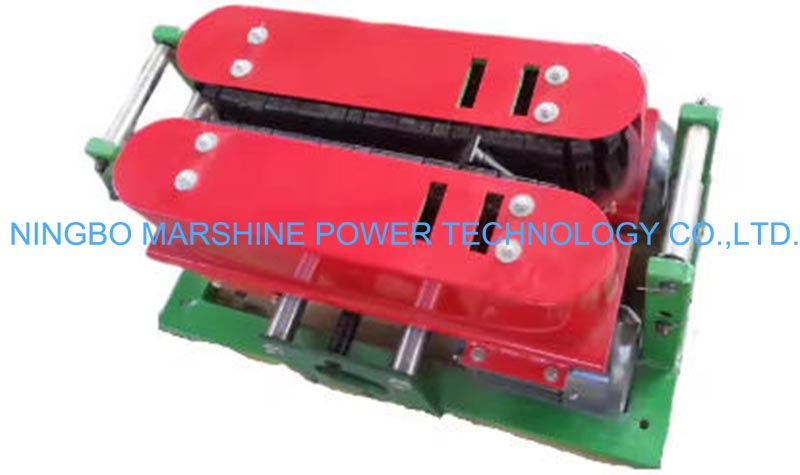
Wiring considerations are crucial when selecting cables for conveyor systems. Proper wiring ensures that the system operates smoothly and safely. Here are some key points to keep in mind:
Conductor Arrangement: The way conductors are arranged within the cable affects performance. Twisted pairs can reduce electromagnetic interference, which is vital for sensitive applications.
Color Coding: Using standardized color codes helps in identifying wires easily. This practice simplifies installation and maintenance. For example, red often indicates positive connections, while black signifies negative.
Termination Methods: The way you terminate cables can impact reliability. Proper connectors and terminals ensure secure connections. Loose connections can lead to overheating and system failures.
Cable Length: Consider the length of the cable run. Longer cables may require larger conductors to minimize voltage drop. This ensures that your conveyor system receives adequate power.
Flexibility Needs: If your conveyor system involves movement, choose flexible cables. MARSHINE offers a range of flexible wiring solutions designed for dynamic applications, ensuring durability and performance.
Tip: Always consult wiring diagrams and follow manufacturer guidelines. This practice helps avoid mistakes that could lead to costly downtime.
By paying attention to these wiring considerations, you can enhance the efficiency and safety of your conveyor systems. Remember, the right wiring setup not only improves performance but also extends the lifespan of your equipment!
When it comes to conveyor systems, shielding plays a crucial role in ensuring reliable operation. Shielding protects cables from electromagnetic interference (EMI), which can disrupt signals and affect performance. Choosing the right type of shielding can make a significant difference in how well your conveyor system functions.
Here are some recommended shielding features for cables used in conveyor systems:
| Feature | Description |
|---|---|
| Shielding | Tinned copper braid for excellent EMI protection |
| Reduced Electromagnetic Interference | Ensures clean & accurate signal transmission |
| Enhanced Reliability | Minimizes disruptions in control and data systems |
| Increased Versatility | Suitable for high electrical noise environments |
The robust shielding of instrumentation cables, especially those with aluminum foil layers, acts as a barrier against signal corruption. This shielding ensures that the control system receives a clean and accurate representation of the process state. In environments with significant electrical noise, shielded control cables, which utilize foil or braided shielding, are essential. They minimize EMI, ensuring reliable communication in automated conveyor systems.
By investing in quality shielding, you enhance the overall performance and longevity of your conveyor system. Remember, proper shielding not only protects your cables but also helps maintain signal integrity, which is vital for smooth operations.
Environmental conditions significantly impact the performance and longevity of cables in conveyor systems. Understanding these factors helps in selecting the right cable size and materials. Here are some key environmental elements to consider:
For conveyor systems operating in wet or corrosive environments, selecting the right cable type is crucial. Here’s a quick reference table for recommended cable types:
| Cable Type | Material | Resistance Properties |
|---|---|---|
| Multi-Conductor Cable | Polyurethane (PUR) | Resists oils and chemicals better than PVC |
| Flexible Cable | Rubber | Excellent flexibility and durability |
| Mining Cable | Flexible | Reliable power and performance in dynamic environments |
By considering these environmental conditions, you can choose cables that not only meet the demands of your conveyor system but also enhance its overall efficiency and safety. Remember, selecting the right materials can lead to longer-lasting cables and reduced maintenance costs!
Selecting the ideal cable size for conveyor systems involves several key factors. Consider the application type, environmental conditions, and specific requirements. Common mistakes include improper cable tray choices and incorrect grounding, which can lead to safety hazards.
Consulting with experts can provide tailored solutions that enhance performance and safety.
By making informed decisions, you can ensure your cable conveyor operates efficiently and reliably.
Cable size selection depends on application type, bend radius, environmental conditions, and specific wiring requirements.
The minimum bend radius is typically 4 to 8 times the cable diameter, depending on the cable type.
Shielding protects cables from electromagnetic interference, ensuring reliable signal transmission and enhancing overall system performance.