

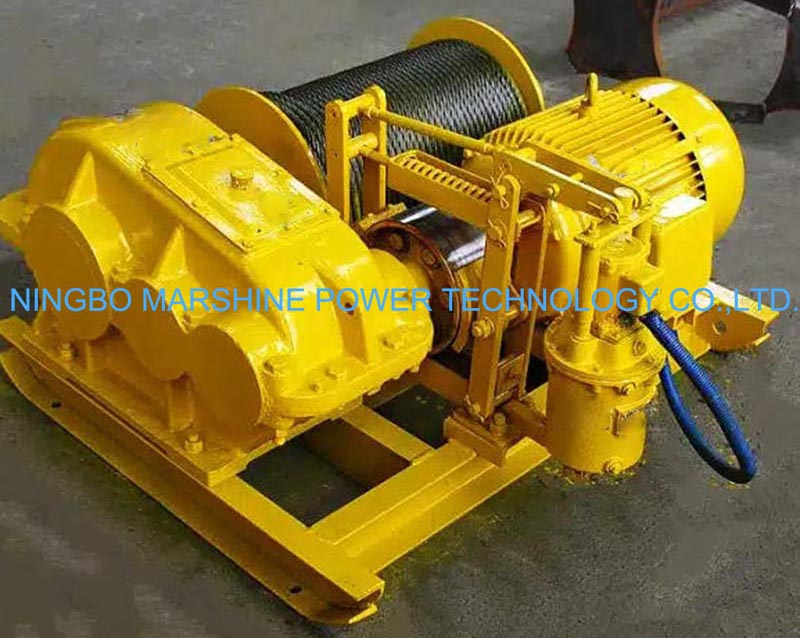
Cable installation projects often lose time not because crews lack skill, but because manual pulling cannot deliver consistent force over long distances. An electric hoisting winch changes that equation by combining controlled torque, predictable speed, and built-in safety features for underground, aerial, and utility cable work. With suitable models supporting heavy loads and steady pulling speeds, contractors can reduce crew fatigue, improve cable protection, and shorten setup time compared with manual or hydraulic methods. This article explains how electric winches improve efficiency, what features matter most, and why pairing the right winch with rollers, stringing blocks, and pulleys leads to smoother, safer cable pulling.
How an Electric Hoisting Winch Improves Cable Pulling Efficiency
When contractors tackle underground or aerial cable installations, relying on manual labor can lead to delays, budget overruns, and jobsite injuries. An electric hoisting winch fundamentally changes the process by delivering consistent, motorized power directly to the trench or pole. This equipment streamlines the entire pulling process for heavy transmission lines and delicate fiber optics, allowing crews to work more efficiently and safely.
Core Functions and Jobsite Benefits
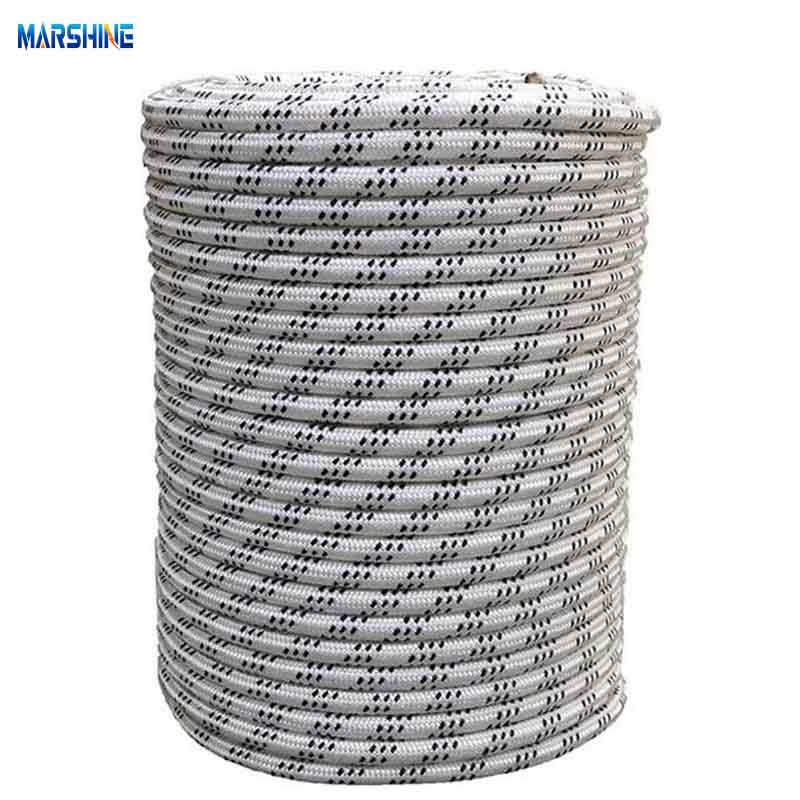
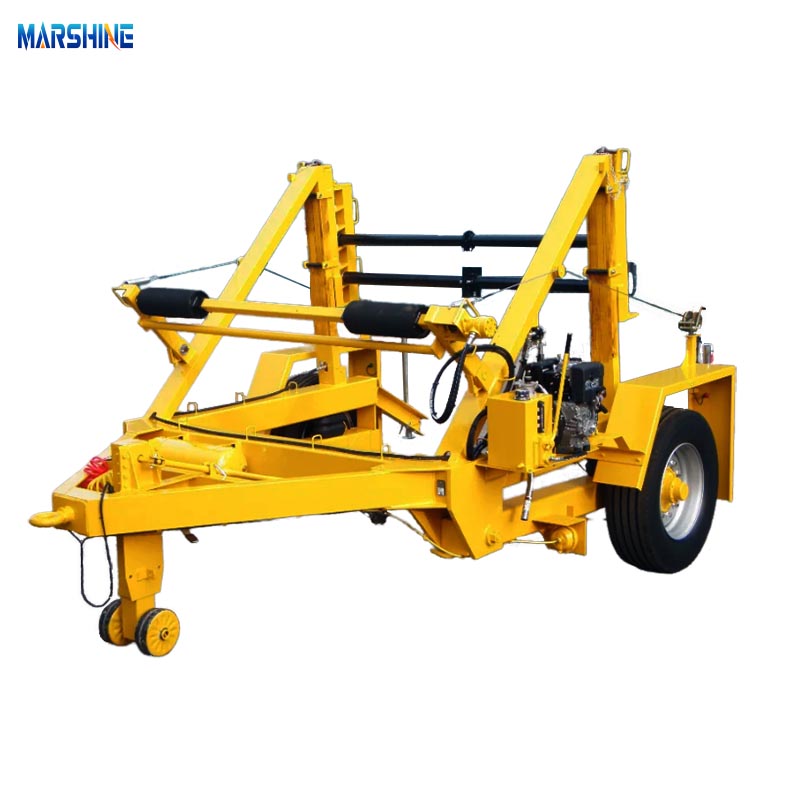
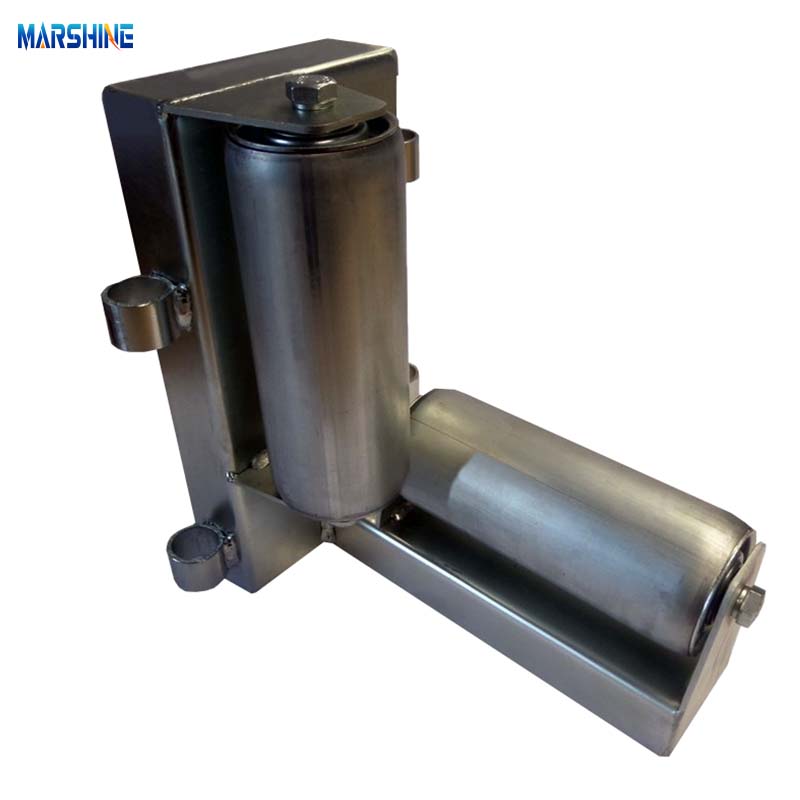
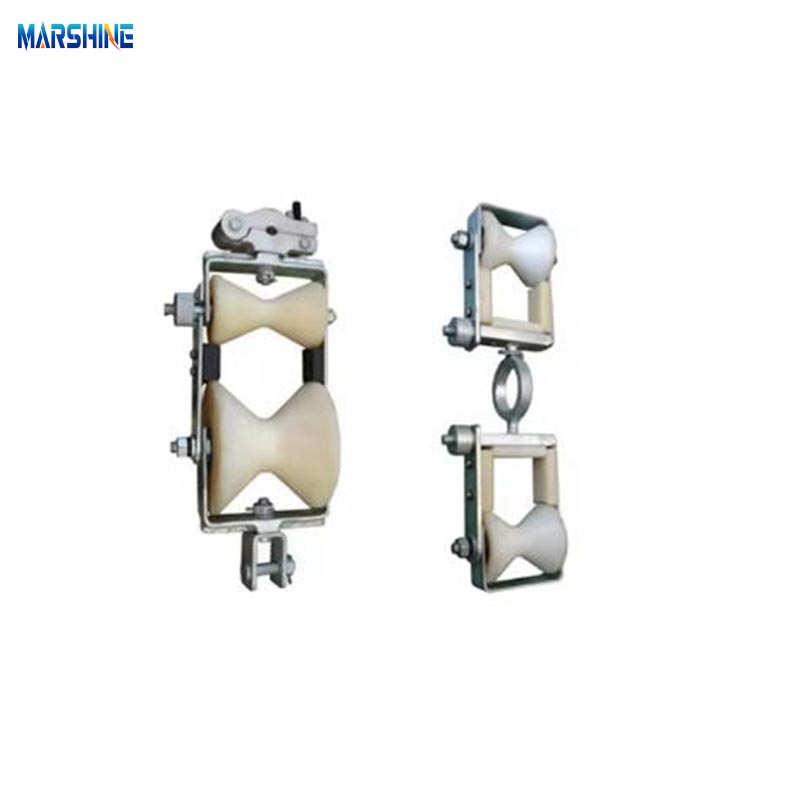
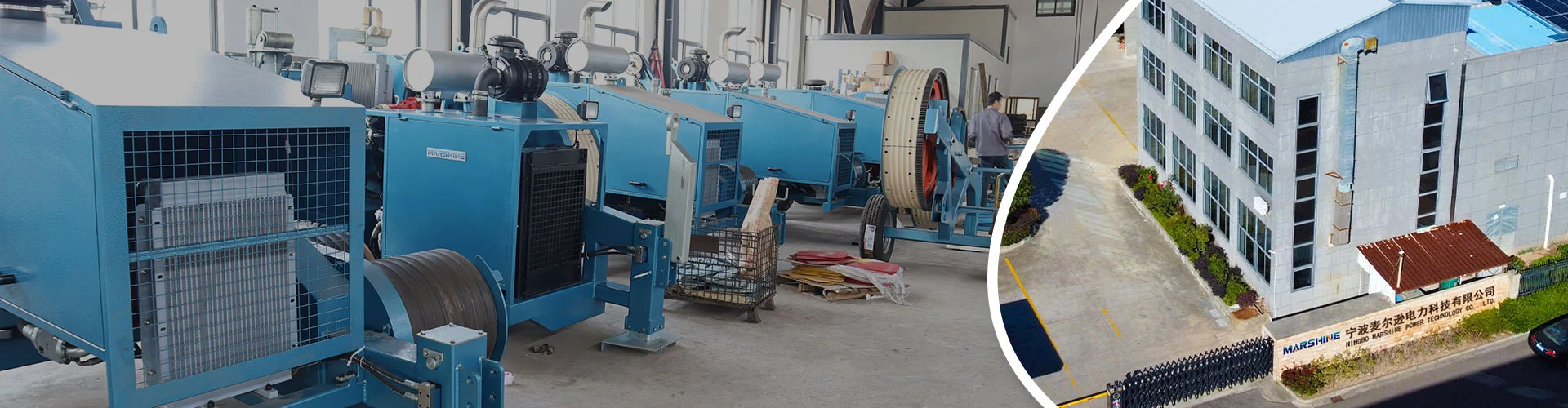
The core function of these machines is to provide sustained torque without the physical fatigue that plagues manual crews. For instance, specific heavy-duty models can maintain a continuous pulling speed of 10 to 15 meters per minute while handling load capacities ranging from 30 kN to 50 kN (though actual capacities vary by model). This motorized assistance means long lengths of cable can be laid in a fraction of the time it would traditionally take. Manufacturers such as Ningbo Marshine Power Technology Co., Ltd. provide these cable pulling tools, offering catalogs that include stringing blocks, cable rollers, and wire rope pulleys to support grid construction operations and improve jobsite handling.
Key Features That Improve Pulling Performance
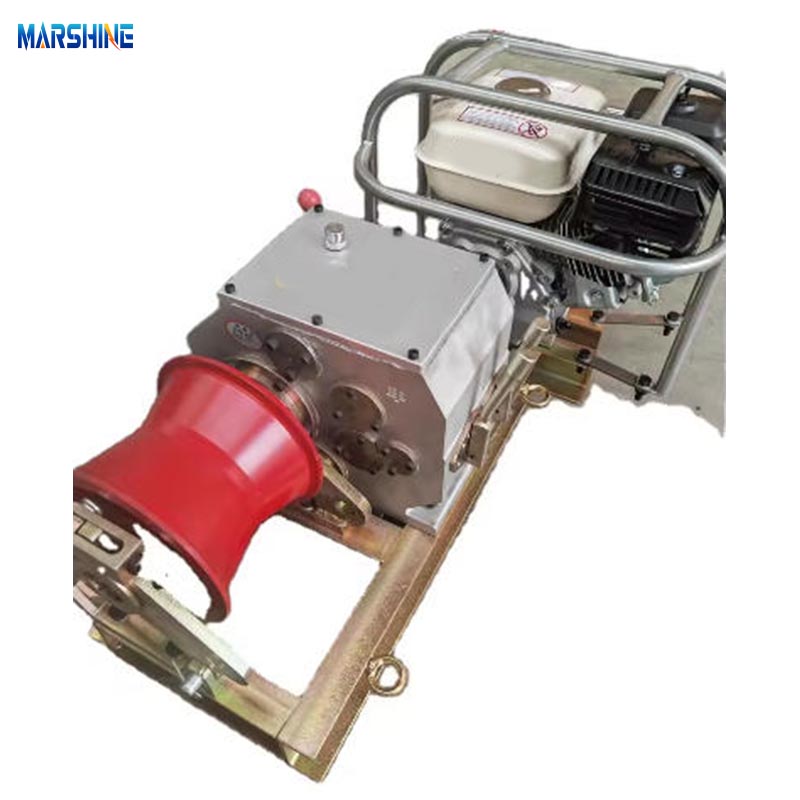
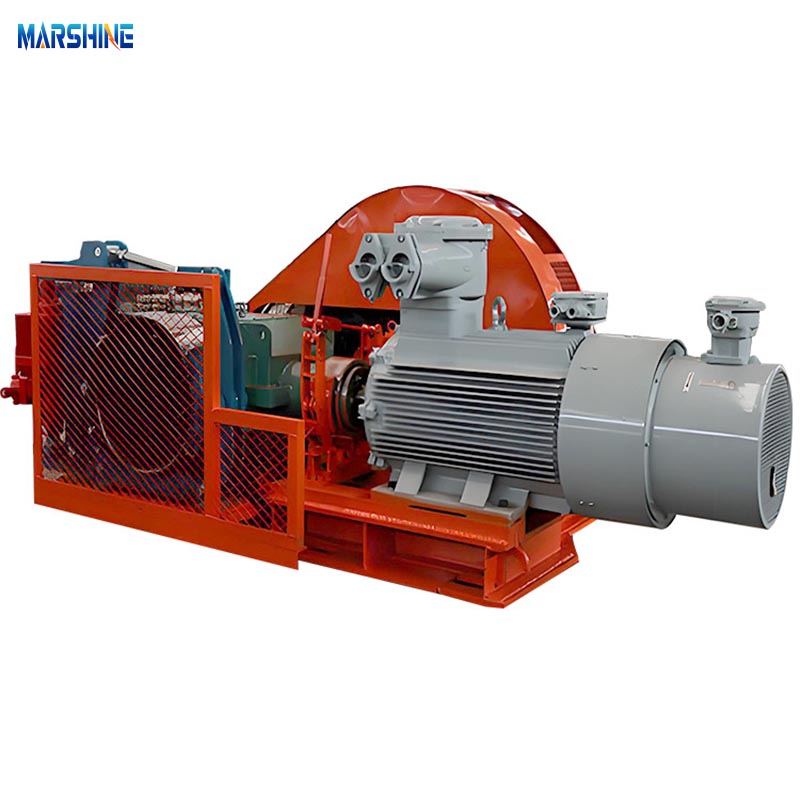
To genuinely boost pulling performance, modern winches come packed with operator-friendly features. Variable frequency drives allow operators to adjust the pulling speed on the fly, preventing mechanical jerks that could snap delicate optical fibers or damage copper sheathing. These units typically run efficiently on standard 220V or 380V power supplies, making them compatible with most commercial jobsite power grids. Overload protection systems automatically cut the motor off if the tension unexpectedly exceeds the rated capacity, safeguarding the cable investment. When evaluating a Heavy Duty Electric Winch, users will often find grooved dual-capstan drums designed to accommodate 10mm to 14mm wire ropes. These specialized drums prevent the rope from tangling or binding under load, keeping the pull consistently smooth from start to finish.
How Electric Winches Compare with Manual and Hydraulic Options
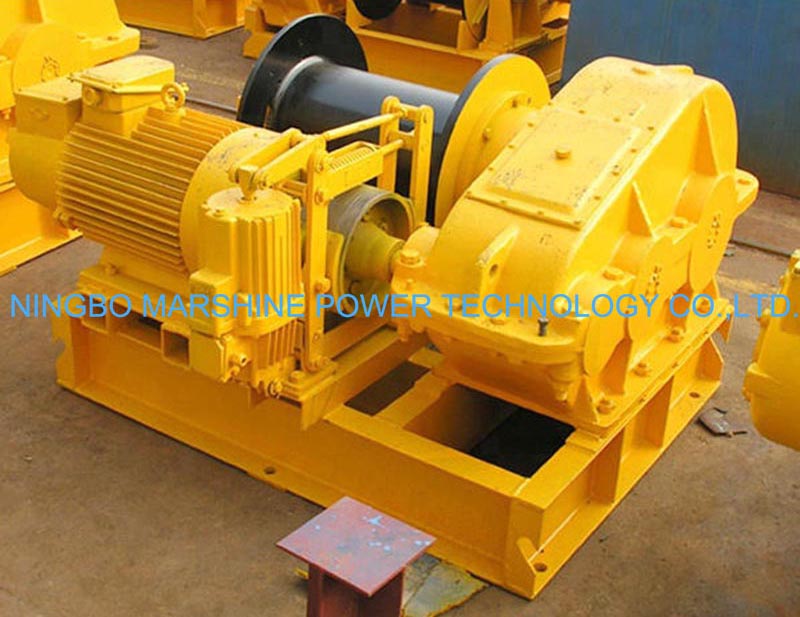
Choosing the right pulling equipment usually comes down to evaluating electric, manual, or hydraulic systems. While manual come-along clamps and hydraulic tensioners have their specific places in the industry, electric models hit a highly desirable sweet spot for many modern contractors. They offer a balance of power, precise control, and operational simplicity that other methods struggle to match.
Performance, Control, and Labor Requirements
Manual pulling is labor-intensive, often requiring crews of four to five workers just to manage a relatively short, low-tension pull. In contrast, an electric setup drops that labor requirement down to a single trained operator monitoring the controls. When stacked against hydraulic machines, electric units consistently win on long-term maintenance and daily setup speed. Hydraulic systems require fluid checks, external pumps, and can take upwards of an hour to prep for a single pull. Conversely, electric models offer plug-and-play functionality with standard 3-phase motors, getting a crew up and running in under 15 minutes. Note: The capacities in the table below represent general illustrative ranges; actual limits vary widely by specific manufacturer and model.
| Feature | Manual Winch | Electric Hoisting Winch | Hydraulic Winch |
|---|---|---|---|
| Pulling Capacity | Up to 10 kN | 30 kN – 80 kN | 100+ kN |
| Power Source | Human labor | 220V/380V Grid/Generator | Diesel/Hydraulic pump |
| Labor Required | 3–5 workers | 1 operator | 1–2 operators |
| Setup Time | 5 minutes | 10–15 minutes | 45–60 minutes |
Trade-Offs for Different Jobsite Conditions
Ultimately, specific jobsite conditions will dictate the final equipment choice. Industrial Electric Winches thrive in urban environments, enclosed substations, and indoor industrial facilities where noise restrictions apply and grid power is readily available. They operate quietly and emit zero local emissions, keeping the site compliant with environmental regulations. However, the notable trade-off is their reliance on a stable electrical supply. If laying high-voltage transmission lines in a remote wilderness where dragging a heavy mobile generator is impractical, a robust diesel-powered hydraulic unit might be necessary. Yet, for the vast majority of commercial and municipal grid expansions, the electric variant offers the cleanest, most efficient path forward. To maximize this efficiency, contractors should match winch specifications—such as drum size, variable speed capabilities, and tension limits—directly to the specific cable types and conduit friction coefficients of their installation scenarios.
How Contractors Should Select and Use an Electric Hoisting Winch
Getting the absolute maximum value out of motorized pulling gear requires more than just plugging it into a generator and hitting the start button. Savvy contractors need to follow operational protocols and carefully vet their manufacturing suppliers to ensure they are bringing safe, reliable, and fully compliant equipment onto the jobsite.
Safe Setup and Cable Pulling Best Practices
Safe setup always starts with establishing proper anchoring. Because these machines generate high torque, the winch must be securely fastened to a concrete foundation or heavy anchoring machinery capable of withstanding the maximum pulling load. It is important to distinguish between horizontal cable pulling and overhead lifting; overhead operations face different regulatory requirements and often mandate a 3:1 safety factor. Before initiating any pull, crews must inspect the braided steel wire rope for any signs of fraying, bird-caging, or kinks, as a snapped line under tension is a serious hazard. Electrical safety is equally critical: operators must ensure proper ground fault protection, use correctly sized supply cables to prevent voltage drop, and follow wet-weather protocols. Ensuring the cable drum aligns perfectly with the nylon or aluminum wheels of the pay-off pulley reduces lateral friction and prevents the cable from jumping the sheaves. Keeping the pulling speed steady helps maintain precise tension and allows the operator to monitor the gauges closely.
Buying Factors and Supplier Considerations
When it is finally time to purchase new equipment, buyers must look beyond the basic technical specs and dig deeply into the manufacturer's credentials and catalog depth.
Further reading:
Key Takeaways
- Use an electric hoisting winch to maintain steady pulling speeds of about 10 to 15 meters per minute on suitable heavy-duty cable installation tasks.
- Match the winch capacity to the job, as many heavy-duty electric models are designed for rated loads around 30 kN to 50 kN.
- Choose variable speed control when pulling fiber optic or sheathed cable because smooth acceleration reduces jerks and cable damage.
- Plan for fewer workers by assigning one trained operator to monitor the electric winch controls and tension instead of relying on a large manual pulling crew.
- Select models with overload protection and grooved dual-capstan drums to reduce the risk of over-tensioning, rope tangling, and uneven pulls.
- Use compatible stringing blocks, cable rollers, and wire rope pulleys to lower friction and keep long cable pulls aligned.
Frequently Asked Questions
What does an electric hoisting winch do in cable pulling?
It provides motorized pulling force to move power cables, communication lines, or fiber optics through trenches, ducts, or aerial routes with steadier speed and less manual labor.
How much pulling capacity can an electric cable winch provide?
Capacity varies by model, but heavy-duty electric cable winches commonly support pulling forces in the 30 kN to 50 kN range for demanding utility and grid construction work.
Why is variable speed control important?
Variable speed control helps operators adjust pulling speed smoothly, reducing sudden jerks that can damage cable insulation, copper conductors, or delicate optical fibers.
Can an electric winch reduce crew size?
Yes. Manual cable pulling may require four or five workers, while an electric winch can often be operated by one trained person monitoring the controls and cable tension.
What power supply does an electric hoisting winch usually need?
Many electric winches are designed for standard 220V or 380V jobsite power, though users should always confirm voltage and phase requirements for the selected model.