

Aluminum conductors are efficient and widely used, but they are also less forgiving during pulling and tensioning work. A clamp that performs well on steel guy wire can leave permanent scores, create strand separation, or allow slippage when used on softer aluminum. Selecting the right conductor come along means looking beyond basic size charts and checking conductor code, alloy temper, jaw profile, and Safe Working Load. This guide explains the practical differences between aluminum-rated grips and generic clamps, highlights the specifications that matter most, and helps crews reduce installation damage while maintaining safe, predictable pulling performance.
How to Choose a Conductor Come Along for Aluminum Wire
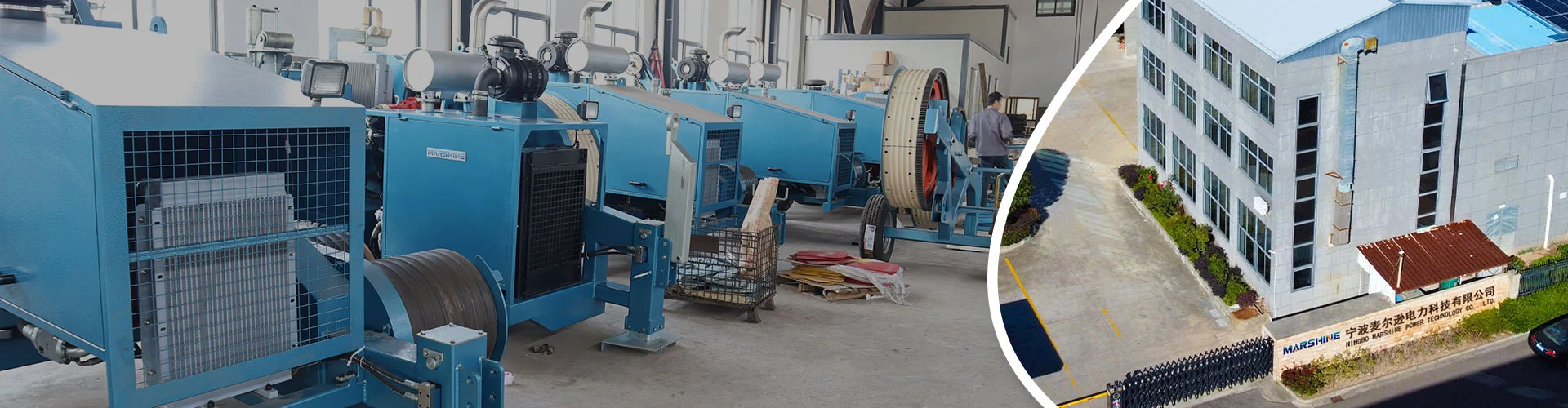
Selecting the right Conductor Come Along for aluminum wire requires careful attention to detail. Because aluminum is significantly softer than steel, a mismatched grip can easily crush or score the cable, leading to costly delays and compromised power grid safety. When evaluating options, buyers need tools backed by reliable engineering, much like the circuitry construction tools produced by MARSHINE. Operating under the strict GB/T19001-2008 quality system, they develop advanced, safe, and easy-to-handle tools specifically designed for rigorous power grid construction.
Key Specifications to Check First
Before committing to a purchase, always verify these crucial product features to ensure safe and efficient stringing:
- Cable Diameter Range: The jaw must perfectly match the outer diameter of the aluminum cable. An oversized jaw slips under tension, while an undersized one pinches and deforms the wire.
- Safe Working Load (SWL): Ensure the pulling tool's capacity aligns with the maximum tension required for the specific span.
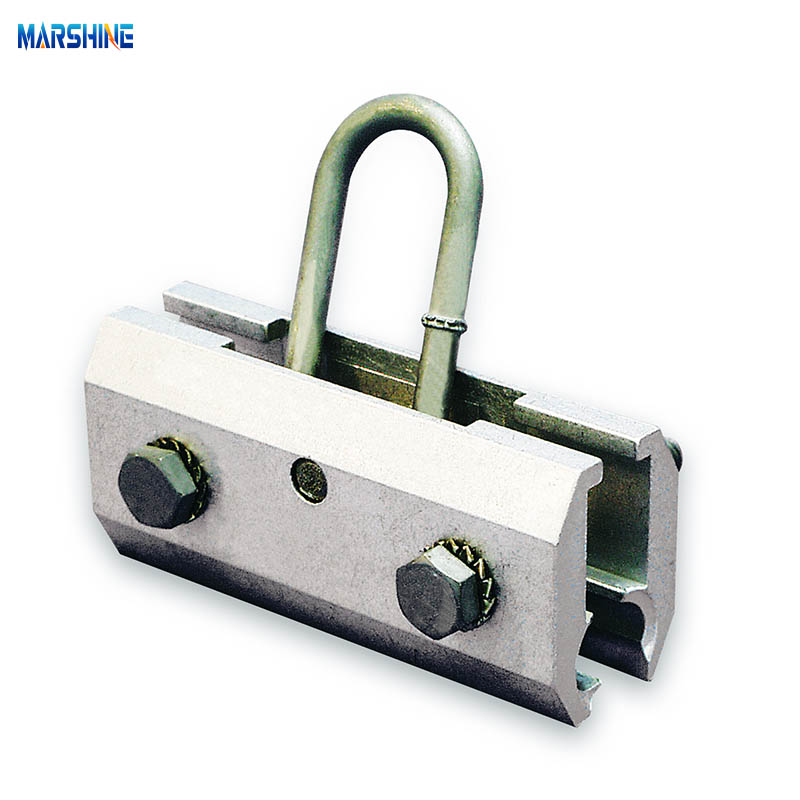
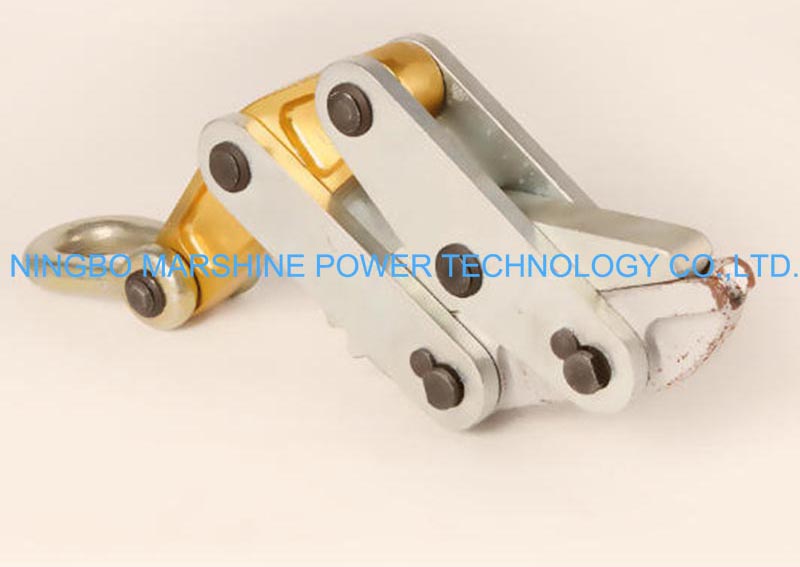
- Jaw Profile: Look for an Aluminum Conductor Grip featuring smooth, contoured, or finely machined jaws. These designs distribute clamping force evenly, preventing localized damage to soft aluminum strands.
Differences from Generic Come Alongs
It is easy to assume that any pulling clamp will do the job, but purpose-built conductor grips operate quite differently from standard alternatives.
| Feature | Generic Pulling Clamp | Aluminum-Specific Conductor Come Along |
|---|---|---|
| Jaw Texture | Aggressive teeth designed to bite into hard steel | Smooth, elongated profile to protect soft aluminum |
| Tension Mechanism | Basic manual locking | Spring-loaded to maintain a consistent grip even if line tension drops |
| Industry Application | General towing and heavy lifting | Specialized aerial and underground power grid construction |
Using a generic Wire Come Along on aluminum conductors often results in nicked wires, which can create dangerous hot spots during electrical transmission. In contrast, specialized tools reflect a "quality first, users first" philosophy by offering an extended jaw length that maximizes surface area contact. This specialized product feature guarantees a secure hold without sacrificing the structural integrity of the sensitive aluminum wire.
Further reading:
Safety and Performance Comparison Points
Evaluating different conductor grips goes beyond just looking at the initial cost. You need to weigh safety margins against operational performance, keeping a close eye on how the tool interacts with the conductor under peak tension. Choosing the right tool requires a clear understanding of the mechanical trade-offs. Crucial line-work safety caveats must also be observed: always rig a backup (safety) grip, maintain minimum distance requirements from splices and dead-ends, and strictly prohibit crews from working directly under tensioned conductors.
Field inspection and maintenance are equally critical to operational safety. Before any operation, always perform a pre-use inspection: check jaws for burrs or debris that could score soft aluminum. Proper environmental storage is also vital; keep come-along clamps in dry, clean conditions to prevent corrosion that could impede the cam mechanism. Immediately retire any damaged grips—especially those with bent linkages, worn jaw contours, or compromised locking mechanisms—to avoid conductor failure.
What to Include in a Comparison Table
Setting up a side-by-side comparison helps clarify which operational details matter most for your specific job. A good comparison table should track relative mechanical distinctions and intended use cases to prevent mismatching tools in the field.
| Feature | Generic Steel Grip | Aluminum Conductor Grip |
|---|---|---|
| Jaw Profile | Aggressive, deep teeth | Smooth or fine-machined contour |
| Jaw Material | Hardened steel | Forged steel, bronze, or specialized alloys |
| SWL Range | Standard utility limits | Scaled to conductor breaking strength |
| Safety Factor | Standard rigging margins | High overhead pulling margins |
| Deformation Risk | High (scores soft metal) | Low (distributes pressure evenly) |
| Contact Surface Length | Short | Extended to prevent deformation |
| Conductor Compatibility | Steel wire rope, guy wire | Specific AAC, AAAC, ACSR codes |
How to Balance Grip Strength and Wire Protection
The core mechanical challenge is balancing enough grip strength to hold the wire securely while protecting the conductor's integrity. Most high-quality conductor grips use a cam-action mechanism where the clamping force increases proportionally with the pulling tension. This means the come-along clamp only squeezes as hard as necessary to move the load.
Recognized industry guidelines, such as IEEE 524, recommend that grips maintain minimal slip relative to the conductor's rated breaking strength at maximum tension. To achieve this, manufacturers incorporate precision-machined jaws that match the exact curvature of the conductor. Another essential operational detail is the locking mechanism, which maintains cam-lock engagement force even if the tension momentarily slacks. This prevents the tool from dropping off the line and causing a safety hazard for ground crews.
Finally, crews should always conduct a post-pull inspection to verify conductor integrity. Check the tensioned area for allowable strand scoring or distortion to ensure the grip did not compromise the wire during installation.
How to Select a Conductor Come Along Supplier
Finding the right Aluminum Conductor Grip isn't just about the specs on a single tool; it's about the reliability and manufacturing consistency of the supplier behind it. Sourcing from a reputable partner ensures your field crews aren't left dealing with premature tool failure during critical infrastructure projects.
Purchasing Checks for Application Fit
Before committing to a supplier, run through a few purchasing checks to ensure they fit your operational needs.
Key Takeaways
- Match the conductor come along to the exact conductor code, diameter, alloy, and temper before applying tension.
- Avoid using generic steel-wire come along clamps on aluminum because aggressive serrations can score strands and weaken the conductor.
- Choose long, contoured, smooth, or fine-machined jaws to distribute pressure and reduce the risk of bird-caging.
- Verify the Safe Working Load against the expected line tension, conductor size, and span conditions before field use.
- Inspect previously tensioned conductors for oxidation, work-hardening, or diameter changes because these factors can affect grip selection.
Frequently Asked Questions
Why does aluminum wire need a specialized conductor come along?
Aluminum is softer than copper or steel, so aggressive jaws can score, crush, or stretch the strands. A specialized conductor come along spreads tension over a longer, contoured jaw surface to reduce slip and prevent conductor damage.
What specifications should I check before selecting a conductor grip?
Confirm the exact conductor code, cable diameter range, alloy and temper, and Safe Working Load. Do not rely on broad AAC, AAAC, or ACSR labels unless the tool is verified for that conductor.
Can I use a generic come along clamp on aluminum conductor?
It is not recommended. Generic clamps often have deep serrations designed for steel wire rope or guy wire, which can cut into aluminum strands and create weak points under tension.
How does jaw design affect aluminum wire pulling?
Longer, smooth, fine-machined, or contoured jaws distribute clamping pressure more evenly. This helps prevent bird-caging, surface scoring, strand deformation, and slippage during line tensioning.
Why does Safe Working Load matter when choosing a conductor come along?
The Safe Working Load must match the expected pulling tension for the span and conductor size. Using an undersized grip can cause tool failure, conductor slip, or unsafe working conditions.