

Introduction
A manual grip hoist is more than a simple pulling tool; it is a controlled lifting device that helps reduce risk during demanding rigging and tensioning work. Its grip-and-move mechanism gives operators steadier control over heavy loads, limits sudden slip, and supports safer handling in confined or high-stakes environments. This article explains how that design improves lifting safety, why it performs differently from conventional winches, and what benefits it offers on jobs where precision and reliability matter most.
Manual grip hoist safety benefits
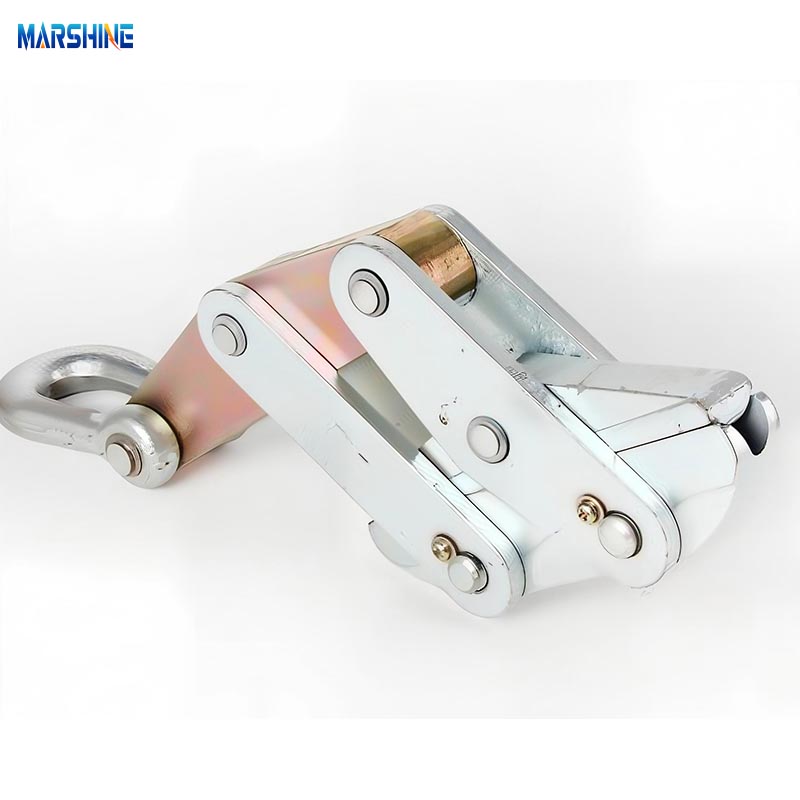
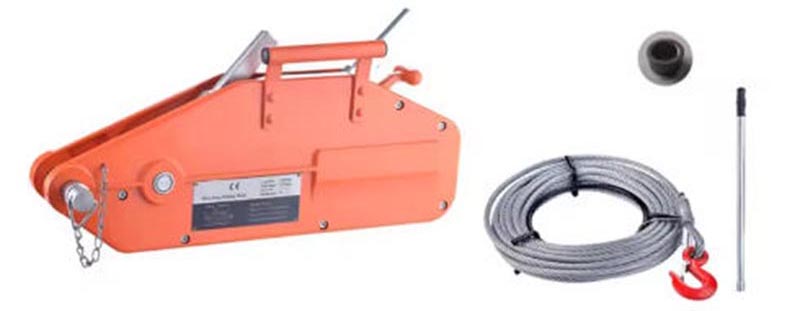
When dealing with leading edge stringing solutions for overhead and underground power networks, equipment reliability is everything. A manual grip hoist stands out as a versatile, heavy-duty tool designed to lift, pull, and tension loads with absolute precision. Unlike traditional drum winches, these hoists allow the wire rope to pass straight through the unit, meaning there is no limit to the length of rope you can use. This makes them incredibly useful for tasks ranging from basic rigging to advanced integrated solutions for grid management and substation automation.
The core advantage of a manual grip hoist lies in its continuous grip mechanism. By distributing the load across two sets of interlocking jaws, the device ensures a smooth, controlled pull without the risk of the rope bunching up or snapping under uneven tension.
Reduced load slip and better operator control
To prevent disastrous accidents on the job site, maintaining absolute control over a suspended load is non-negotiable. The parallel jaw system inside a high-quality wire rope grip puller is engineered so that the gripping force increases proportionally with the load. This automatic clamping action drastically reduces the chances of load slip.
Furthermore, these devices typically feature a forward and reverse lever system that allows operators to move loads in millimeter increments. This micro-level control is crucial when aligning heavy components during the maintenance and diagnostics of railway infrastructure, where dropping a load even a fraction of an inch can cause massive damage. Standard units are often rated with a strict 4:1 safety factor, meaning a unit rated for 1.6 tons has a theoretical breaking point of 6.4 tons.
Key specifications that affect safe lifting
Matching the right specifications to the task is the first rule of safe lifting. The most critical spec is the Working Load Limit (WLL). Common manual grip hoists are categorized into 0.8-ton, 1.6-ton, and 3.2-ton capacities. You must never exceed the WLL, and operators should account for dynamic loads—like sudden jerks or wind resistance—which can momentarily spike the effective weight.
Wire rope diameter is another strict spec. A 0.8-ton hoist usually requires an 8.3mm galvanized steel wire rope, while a 1.6-ton unit demands an 11.3mm rope, and a 3.2-ton model takes a 16.3mm rope. Using a mismatched rope diameter compromises the jaws' ability to clamp down securely, directly leading to slippage or catastrophic failure. Always verify these numbers before putting the gear to work.
What to compare before sourcing
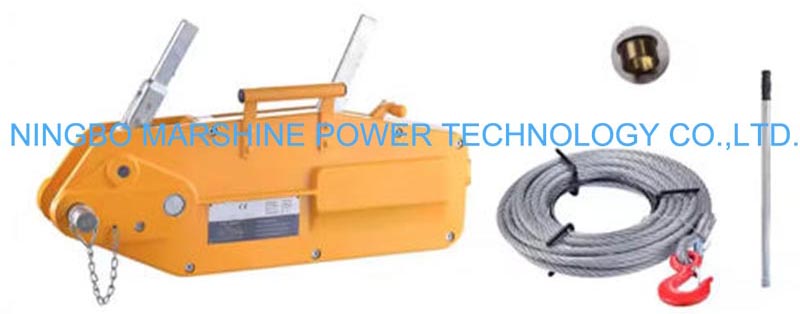
Sourcing the right hoist isn't just about picking the highest capacity; it's about evaluating the build quality and matching the tool to the specific operational environment. Whether crews are working on clean, fast, and safe digging solutions for telecom networks or laying energy cables across rugged terrain, the equipment needs to withstand harsh conditions while protecting the operator.
Construction details: hook design, brake system
The physical construction of the hoist dictates its lifespan and safety profile. Look for housings made from high-strength cast aluminum alloy. This material keeps the unit light enough for a single operator to carry while offering excellent resistance to impact. For instance, a standard 1.6-ton aluminum body hoist weighs around 12 kg (excluding the rope), making it highly portable for field crews.
Pay close attention to the hook design and the internal safety mechanisms. Drop-forged alloy steel hooks with heavy-duty safety latches are mandatory; they should offer a full 360-degree swivel to prevent the rope from twisting under tension. Inside, a reliable MARSHINE hoist will feature an overload protection system, usually in the form of shear pins located in the forward operating lever. These pins are specifically calibrated to snap when the load hits roughly 120% to 125% of the rated capacity, instantly stopping the pull and preventing internal damage or rope breakage.
Typical use cases in utility and telecom
In the utility and telecom sectors, versatility is key. Crews frequently rely on these tools for tensioning guy wires, erecting transmission towers, and pulling heavy underground cables through conduits. Because they do not rely on an external power source, they are perfect for remote surface mining operations or oil and gas pipeline installations where electricity or hydraulic power simply isn't available.
To better understand how different models stack up for these demanding use cases, here is a quick comparison of standard manual grip hoist specifications:
| Rated Capacity (WLL) | Rope Diameter | Forward Travel per Stroke | Approx. Net Weight | Typical Application |
|---|---|---|---|---|
| 0.8 Ton | 8.3 mm | ≥ 52 mm | 6.4 kg | Telecom guy wires, light rigging |
| 1.6 Ton | 11.3 mm | ≥ 55 mm | 12.0 kg | Underground energy cables, rail repair |
| 3.2 Ton | 16.3 mm | ≥ 28 mm | 23.0 kg | Heavy pipeline pulling, substations |
Safe operation and equipment choice
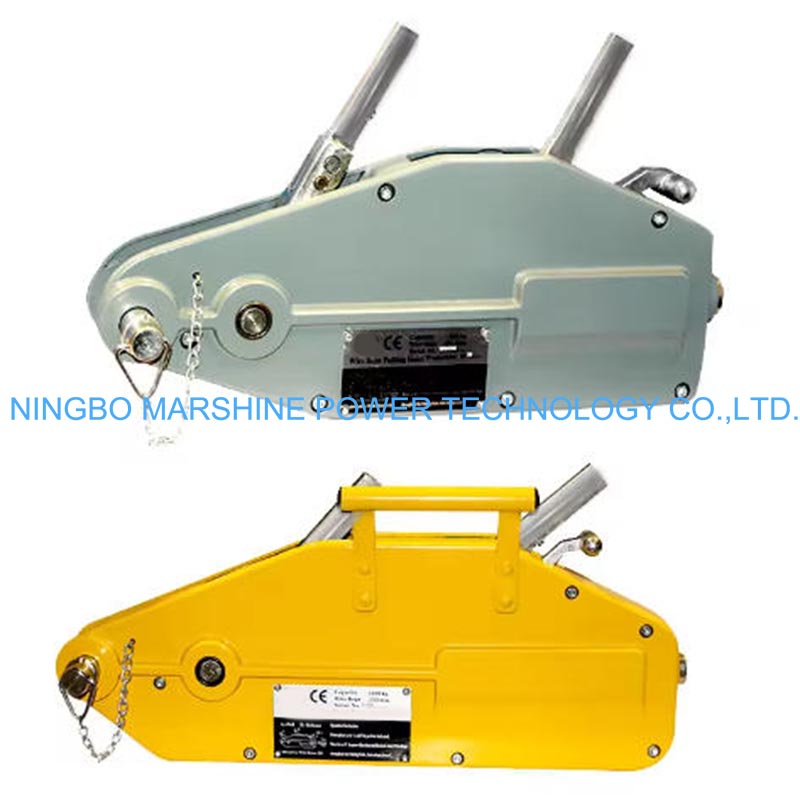
Even the most robust lifting equipment can fail if used incorrectly. Establishing a strict protocol for operation, regular inspections, and choosing the absolute best tool for the specific lift are the final steps in guaranteeing a safe worksite. This is especially true when deploying technological solutions for electrification and heavy infrastructure upgrades.
Inspection, anchoring, and operating steps
Before every shift, operators must perform a visual and tactile inspection of the hoist and the wire rope. The rope is the most vulnerable component. Industry standards dictate that a wire rope must be immediately removed from service if there are more than 6 randomly distributed broken wires in one lay length, or 3 broken wires in one strand in one lay length. Additionally, look out for kinking, crushing, or a reduction in nominal diameter by more than 10%.
Anchoring is just as critical.
Further reading:
Key Takeaways
- The most important conclusions and rationale for manual grip hoist
- Specs, compliance, and risk checks worth validating before you commit
- Practical next steps and caveats readers can apply immediately
Frequently Asked Questions
How does a manual grip hoist improve lifting safety?
It uses parallel jaws that tighten as load increases, reducing slip and giving precise forward/reverse control for safer lifting, pulling, and tensioning.
What wire rope size should I use with a manual grip hoist?
Match rope diameter to hoist capacity: 8.3mm for 0.8-ton, 11.3mm for 1.6-ton, and 16.3mm for 3.2-ton units. Never use mismatched rope sizes.
Can a manual grip hoist be used with unlimited rope length?
Yes. Because the wire rope passes straight through the hoist, rope length is not limited by a drum, which suits long cable pulling jobs.
What safety features should I check before buying from cable-winch.com?
Look for drop-forged swivel hooks with safety latches, overload shear pins, strong aluminum housing, and a clearly marked Working Load Limit.
Where is a manual grip hoist most useful in field work?
It is ideal for utility, telecom, and cable installation jobs such as tensioning guy wires, tower erection, and pulling underground cables in remote areas.