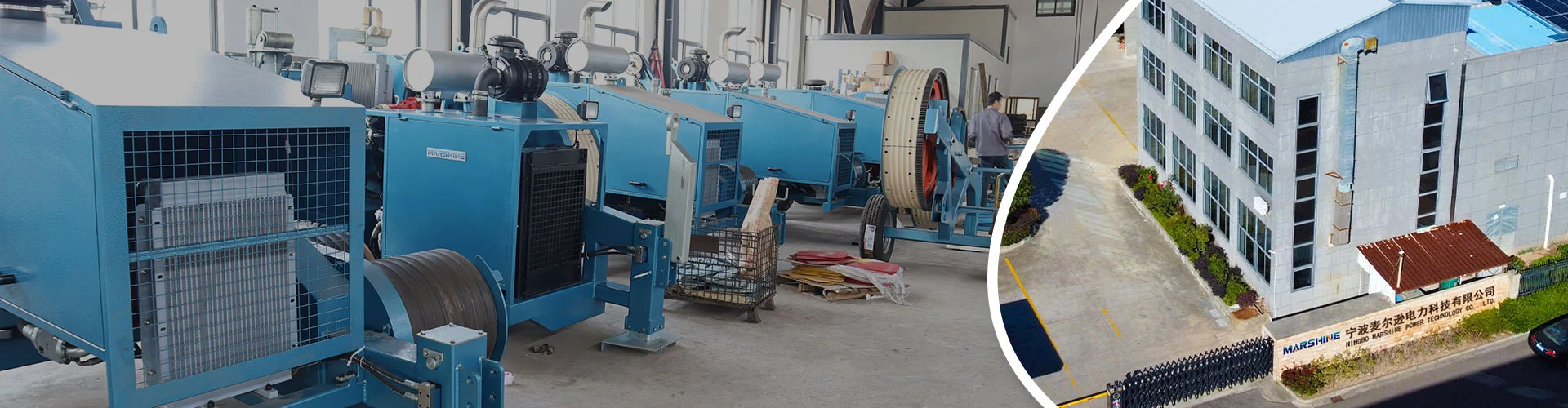

Cable pulling is not just a matter of moving a cable from one point to another. On a real construction site, the cable may pass through trenches, rough ground, manhole openings, duct entrances, pole routes, corner sections, or narrow working areas where the pulling angle changes several times. Every uncontrolled contact point creates friction. Every sharp edge increases the chance of sheath damage. Every unstable turn can force workers to slow down, reposition the cable manually, or accept a higher risk of deformation.
For power cable, communication cable, fiber optic cable, and conductor installation, damage is not always visible immediately. A scratched outer jacket, excessive bending, crushed surface, or uneven pulling force may appear minor during installation but can create failure risks later. This is why experienced teams treat cable guiding tools as part of the installation method rather than as optional accessories.
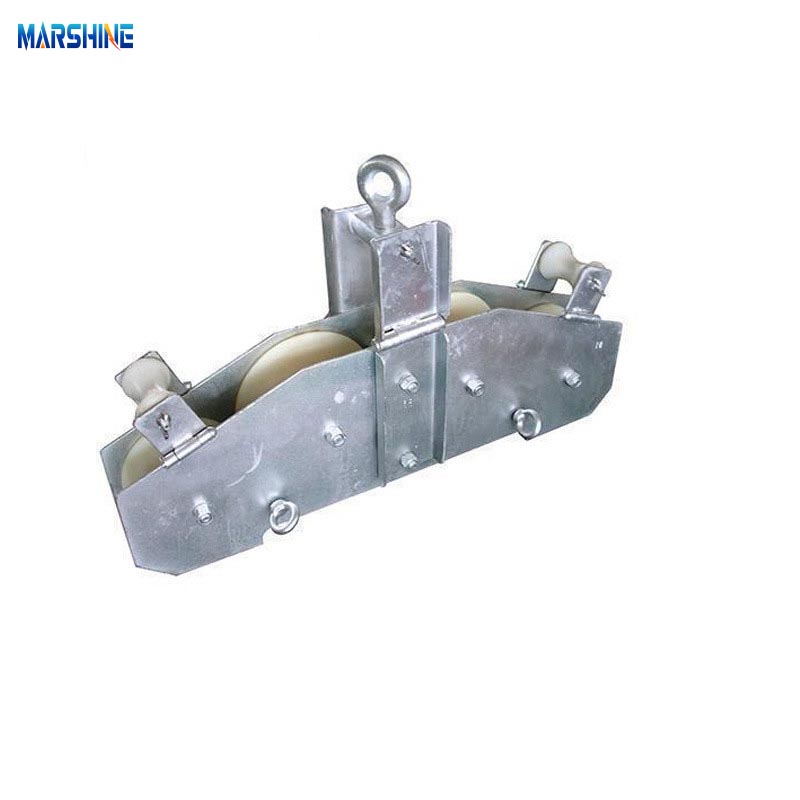
A Cable Roller provides a controlled rolling surface between the cable and the jobsite environment. Instead of dragging cable over concrete, soil, steel edges, or duct openings, the cable moves across a rotating roller that reduces resistance and keeps the route more predictable. The result is cleaner pulling, better cable protection, and less dependence on workers physically lifting or correcting the cable during the pull.
The first problem a Cable Roller solves is friction. Pulling cable across the ground may seem manageable at the beginning of a short run, but resistance increases quickly as the distance becomes longer or the route becomes more complex. Higher friction means more pulling force, greater worker fatigue, and greater risk of damaging the cable sheath.
The second problem is alignment. Cables rarely move in a perfectly straight line. They may need to enter a duct, pass over a trench edge, turn around a corner, or move from a drum toward an installation path. Without proper guidance, the cable can rub against sidewalls, twist, or slip out of position. Rollers help maintain a smoother path and reduce sudden changes in pulling direction.
The third problem is surface protection. In many utility and infrastructure projects, the cable itself is far more expensive than the installation accessories. Protecting the cable jacket from abrasion is therefore a direct cost-control measure. A properly positioned Cable Roller helps prevent unnecessary contact with abrasive surfaces and reduces the likelihood of rework.
The fourth problem is labor efficiency. When rollers are not used, workers often need to lift, hold, or manually guide the cable at difficult points. This slows down the operation and increases physical strain. With suitable rollers placed along the route, the pulling process becomes smoother and more controlled, allowing the team to focus on monitoring the cable path rather than constantly fighting against it.
Not every jobsite needs the same roller. A short ground-level pull, an overhead insulated line project, a duct entrance operation, and a heavy industrial cable route can all require different structures. Choosing the wrong roller may still reduce friction slightly, but it may not protect the cable where protection is most needed.
| Installation Condition | Recommended Roller Consideration | Main Buyer Concern |
|---|---|---|
| Ground cable laying | Straight cable rollers or ground rollers with stable frames | Keeping the cable off abrasive ground surfaces |
| Corner pulling | Corner roller assemblies or turning rollers | Controlling bending direction and reducing side pressure |
| Duct or manhole entry | Entrance protection rollers | Preventing jacket damage at narrow or sharp entry points |
| Overhead cable work | Mounting rollers or overhead line rollers | Supporting cable movement at height with reliable positioning |
| Fiber optic or OPGW cable installation | Rollers with smooth contact surfaces and careful cable guidance | Avoiding excessive bending and surface stress |
| Heavy-duty industrial projects | High-load rollers with reinforced frames | Durability, load capacity, and repeated-use stability |
For many procurement teams, the safest approach is to match the roller to the most difficult point of the installation route, not merely to the average condition. If a project includes several corners, duct entries, or heavy cable sections, the roller plan should be built around those stress points first.
A buyer should begin with the cable itself. Diameter, weight, sheath material, bending sensitivity, and pulling length all influence roller selection. A small communication cable and a large power cable do not place the same demand on the roller frame or the roller surface. For heavier cables, frame strength and load-bearing stability become especially important.
The second factor is the route. Straight sections usually require a different setup from turns, slopes, trench openings, or duct entries. If the cable will pass through changing angles, buyers should consider turning rollers, corner rollers, or multi-roller arrangements. If the cable enters a duct or manhole, entrance protection should be treated as a priority.
The third factor is the working environment. Outdoor power construction may involve moisture, dust, sunlight, mud, temperature changes, and rough handling during transport. A good Cable Roller should not only rotate smoothly when new; it should remain stable after repeated use in demanding conditions. This is where frame material, roller material, bearing quality, and structural design become practical purchase concerns.
The fourth factor is project scale. For occasional maintenance work, a small quantity of standard rollers may be enough. For contractors handling utility networks, industrial sites, or large infrastructure projects, consistency across multiple roller units matters. Buying from a supplier that can support batch orders, product matching, and project-specific recommendations can reduce procurement confusion.
Many cable rollers look similar at first glance, but small differences can affect field performance. Procurement teams should compare more than price. A lower-cost roller that bends, shakes, seizes, or fails to guide the cable properly may cost more in lost time and cable risk than a stronger model selected correctly from the start.
| Feature | Why It Matters | What to Check |
|---|---|---|
| Roller material | Influences friction, cable surface protection, and wear resistance | Surface smoothness, hardness, and suitability for the cable sheath |
| Frame construction | Determines stability under pulling force and rough jobsite handling | Steel or aluminum structure, reinforcement, welding quality, and base design |
| Load capacity | Prevents deformation or unsafe use with heavy cables | Rated capacity and compatibility with actual cable weight |
| Rotation smoothness | Reduces pulling resistance and improves installation rhythm | Bearing quality, roller balance, and resistance during manual rotation |
| Application fit | Ensures the roller solves the real jobsite problem | Ground, corner, duct, overhead, or heavy-duty installation suitability |
| Ease of transport | Affects daily field use and crew efficiency | Weight, handle design, stackability, and setup time |
A reliable Cable Roller should feel practical before it even reaches the installation route. It should be easy to place, stable under load, smooth in rotation, and suitable for the cable contact angle. When a roller is difficult to position or unstable during pulling, workers may stop using it correctly, which defeats the purpose of the tool.
Even a durable roller needs basic care. Cable rollers are often used in dirt, rain, mud, sand, and construction debris. If they are thrown into storage without cleaning or inspection, rotation quality can decline. A roller that does not rotate smoothly creates more friction and can eventually damage the cable surface.
Maintenance does not have to be complicated. After use, teams should remove visible debris from the roller surface and frame. The roller should be checked for cracks, deformation, loose parts, or unusual resistance. If bearings or moving parts require lubrication according to the product design, that work should be done before the next installation. Damaged rollers should not be used in critical cable pulling sections.
Good maintenance also improves planning. When tools are inspected regularly, the team knows how many usable rollers are available before mobilizing to site. This reduces last-minute shortages and helps the installation process start with fewer delays.
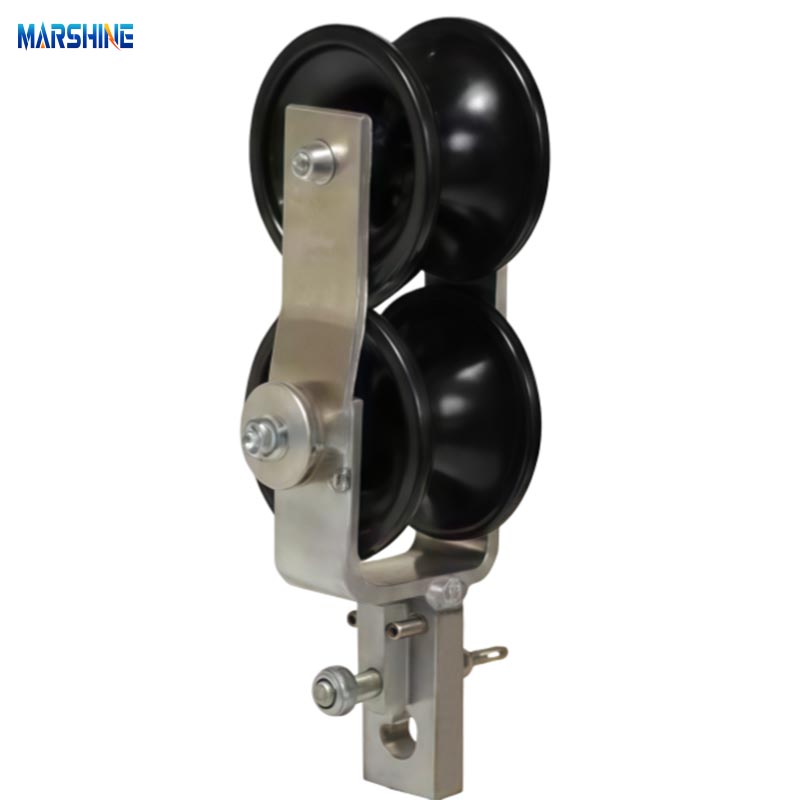
Cable installation tools are not decorative products. They are used under force, in difficult environments, and often alongside expensive cables and tight project schedules. This makes supplier experience important. A knowledgeable supplier can help buyers understand whether a standard ground roller, a corner roller, an entrance protection roller, or a heavy-duty model is more suitable for the work.
Ningbo Marshine Power Technology Co., Ltd. provides cable installation and power construction tools for customers who need practical solutions for cable pulling, cable laying, conductor handling, and related field operations. For buyers comparing a Cable Roller, the value is not only in the product itself but also in matching the right structure to the real working condition.
A contractor may need rollers for multiple cable diameters. A utility team may require products that can handle repeated outdoor work. A distributor may care about stable supply, product range, and clear model selection. These needs are different, so the supplier should be able to discuss application scenarios instead of only offering a single generic answer.
The best purchase decision usually comes from combining field details with product knowledge. When buyers share cable size, route layout, pulling method, installation environment, and quantity requirements, the supplier can recommend a more suitable roller solution. This reduces trial-and-error purchasing and helps the project team work with greater confidence.
Q1: What is a Cable Roller used for?
A Cable Roller is used to guide, support, and protect cables during installation. It reduces friction between the cable and the ground, duct entrance, trench edge, corner, or other contact points. This helps prevent cable sheath damage and makes pulling smoother.
Q2: Can one roller type be used for every cable installation project?
Not always. Straight ground pulling, corner pulling, duct entry, overhead installation, and heavy-duty industrial work may require different roller structures. Buyers should choose the roller type according to cable size, route layout, and the most difficult installation points.
Q3: How many cable rollers are needed for one project?
The quantity depends on the cable length, pulling route, number of turns, cable weight, and site conditions. Longer routes and more complex layouts usually require more rollers to keep the cable properly supported throughout the pull.
Q4: What should I check before using a Cable Roller on site?
Before use, check whether the roller rotates smoothly, whether the frame is stable, whether fasteners are secure, and whether the contact surface is clean. Any roller with cracks, severe deformation, or blocked rotation should be removed from service.
Q5: Is roller material important?
Yes. Roller material affects friction, durability, and cable surface protection. The right material should suit the cable sheath, installation environment, and pulling load. Smooth rotation and suitable surface contact are both important for reducing damage risk.
Q6: Why should buyers work with a specialized supplier?
A specialized supplier can help match roller type, frame strength, load capacity, and application design to the actual project. This is especially useful when buyers need products for utility construction, underground cable laying, overhead line work, or repeated field use.
If your team is planning a cable laying, cable pulling, duct entry, trench installation, or overhead line project, choosing the right Cable Roller can help reduce friction, protect cable value, and improve worksite efficiency. For product selection, project matching, bulk purchasing, or customized cable installation tool support, contact Ningbo Marshine Power Technology Co., Ltd. today. Tell us your cable size, working environment, and installation route, and our team will help you find a practical solution. Please contact us to discuss your project requirements and receive suitable product recommendations.