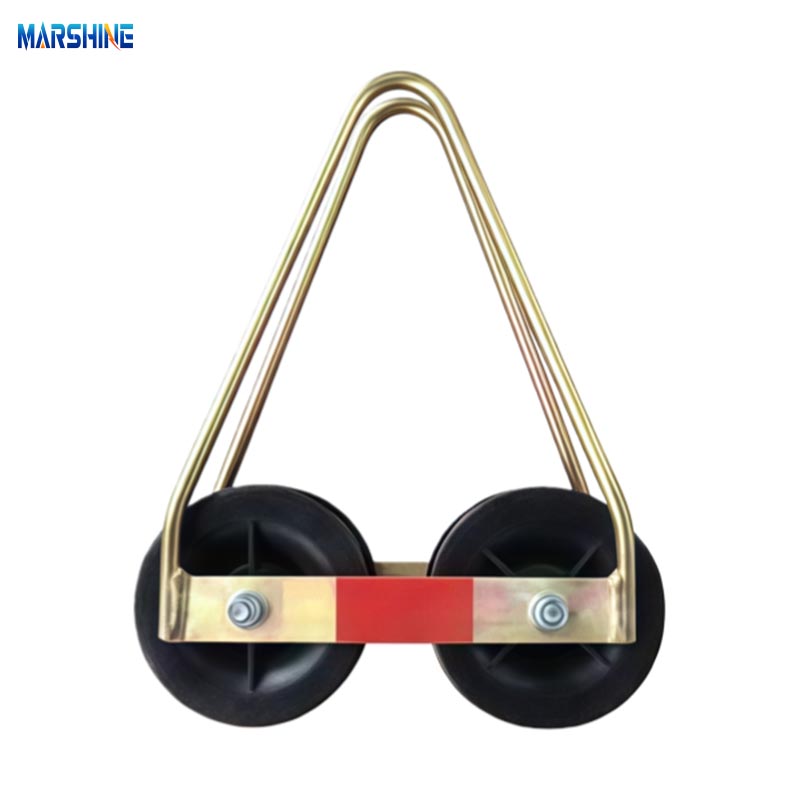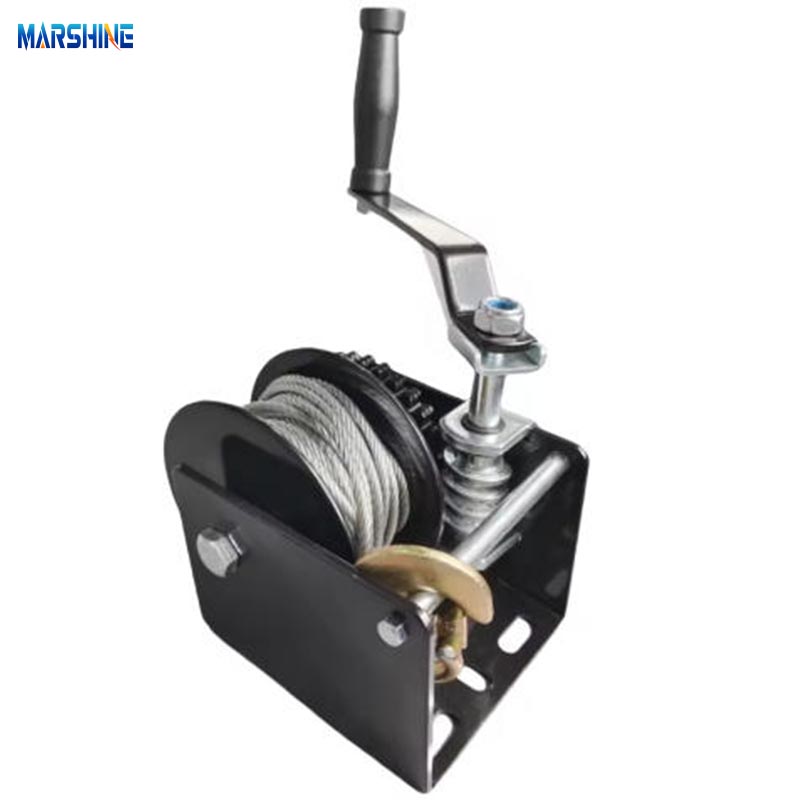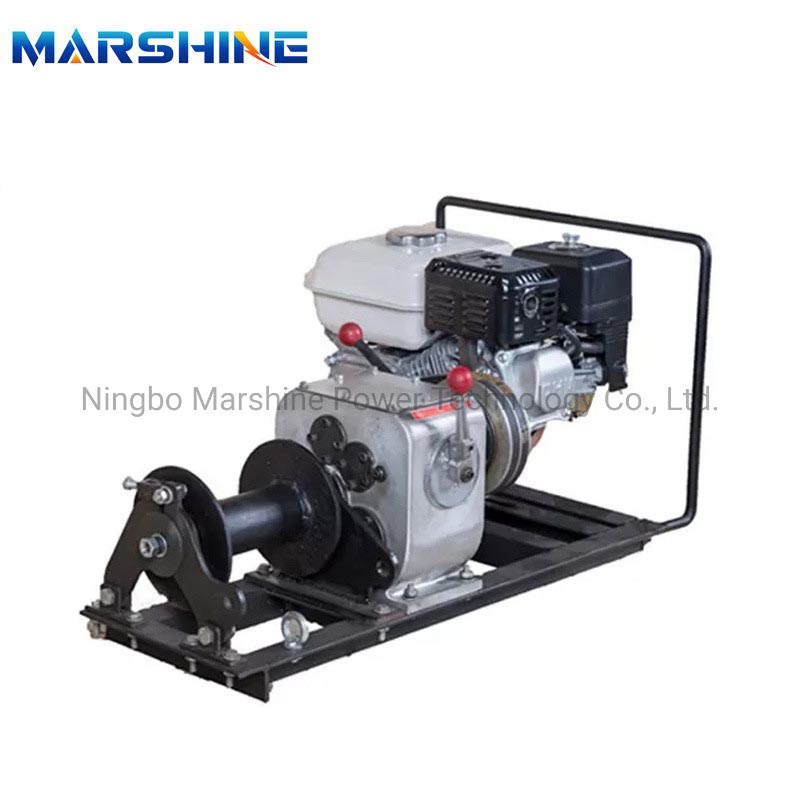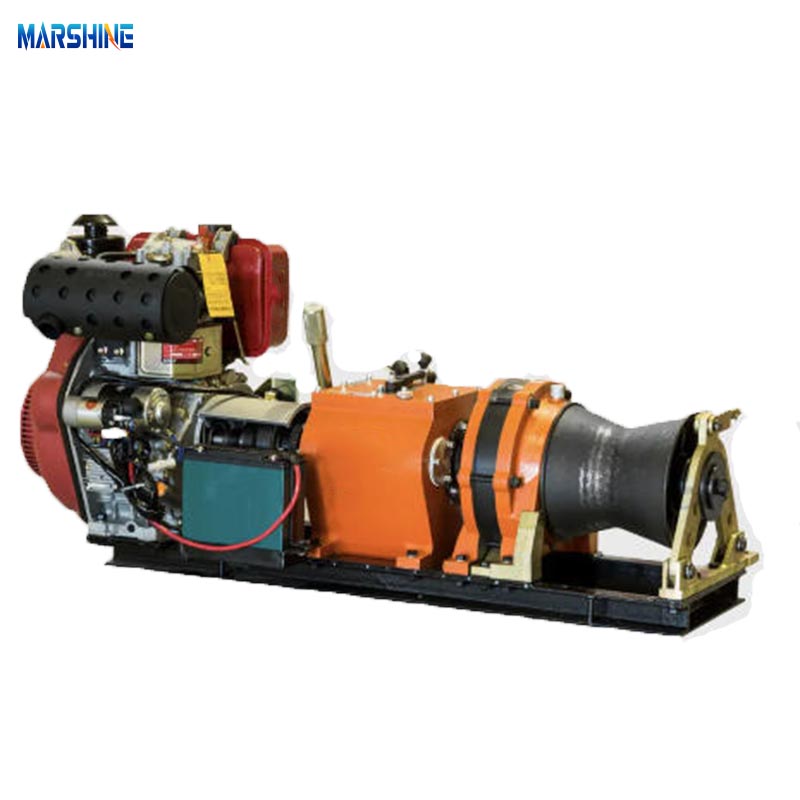


When a power line project slows down, the problem is not always the pulling machine, the tensioner, or the crew. Very often, the real trouble begins at the cable support point. A poorly selected Stringing Block can create unnecessary friction, conductor surface damage, unstable routing, or safety risks during aerial line construction. For contractors, utility maintenance teams, and project buyers, the question is simple: how can they choose a block that protects the conductor, keeps the job moving, and reduces avoidable field problems?
This article looks at the practical buying logic behind a reliable Stringing Block. Instead of treating it as a small accessory, we will discuss why the right block affects cable protection, pulling efficiency, worker safety, and long-term project cost. Companies such as Ningbo Marshine Power Technology Co., Ltd. provide power construction tools for cable pulling, conductor stringing, and line installation work, giving buyers a clearer reference point when comparing field-ready equipment.
Article Summary
A Stringing Block is used to guide and support conductors, cables, or wires during overhead line installation and maintenance. The right model helps reduce friction, protect cable surfaces, stabilize pulling direction, and improve jobsite control. Buyers should not select only by price or general size. They should consider rated load, sheave diameter, sheave material, frame strength, bearing smoothness, groove design, terrain conditions, conductor type, and compatibility with pulling equipment. A well-matched Stringing Block can help crews avoid conductor scratches, excessive tension, repeated rework, and unsafe handling during demanding construction tasks.
Table of Contents
- Article Outline
- Why Does the Choice of Stringing Block Matter So Much?
- What Problems Can the Wrong Stringing Block Cause?
- Which Factors Should Buyers Check Before Ordering?
- Stringing Block Selection Table
- How Can Crews Use a Stringing Block More Effectively?
- Why Should Supplier Experience Be Considered?
- FAQ
- Conclusion
Article Outline
- Explain the role of a Stringing Block in power line installation.
- Identify common buyer and contractor pain points during conductor stringing.
- Break down key selection factors such as load rating, sheave material, groove design, and frame structure.
- Use a practical table to connect field problems with suitable block features.
- Provide operating tips that help crews reduce wear, improve control, and protect conductors.
- Introduce supplier evaluation points for long-term procurement confidence.
- Answer frequently asked questions from project buyers and field teams.
Why Does the Choice of Stringing Block Matter So Much?
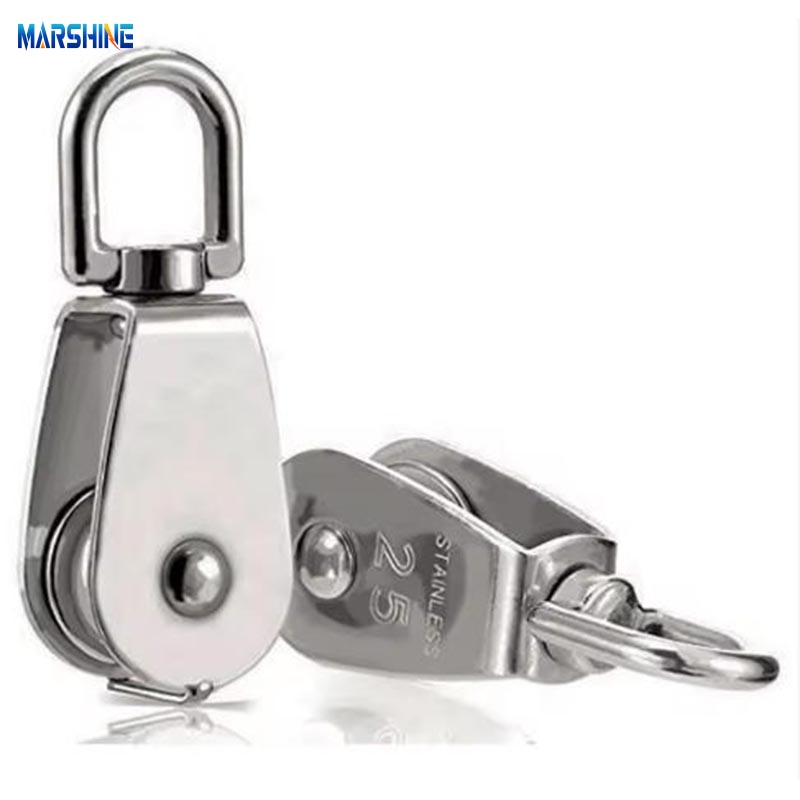
In power construction, every pulling route has pressure points. A conductor may need to pass over poles, angle towers, temporary supports, or uneven terrain. During this process, the Stringing Block works as the contact point between the conductor and the installation path. If that contact point is smooth, stable, and correctly sized, the cable can move with less resistance. If it is rough, undersized, or overloaded, the entire operation becomes harder to control.
Many buyers first look at the pulling force of the main machine, but the block often decides whether that force is transferred cleanly. A smooth-running sheave helps the conductor move in a controlled line. A strong frame keeps the tool stable under load. A suitable groove reduces the chance of conductor jumping, side rubbing, or surface pressure. These details may seem small on paper, but on a construction site, they can decide whether the crew finishes on time or spends hours correcting avoidable problems.
A reliable Stringing Block also helps protect project value. Conductors are not cheap. If the cable surface is scratched, flattened, twisted, or contaminated during installation, the project may face quality disputes, replacement costs, or delayed acceptance. Good equipment does not simply make work faster. It helps protect the material that the entire project depends on.
What Problems Can the Wrong Stringing Block Cause?
Buyers often notice the problem only after the site team starts working. The block may look acceptable in a quotation photo, but under load it may rotate poorly, shake at the support point, or press too hard against the conductor. This is why field pain points should be part of the purchasing discussion from the beginning.
- Conductor surface damage: If the groove is not suitable or the sheave surface is too harsh, the conductor may suffer scratches or deformation.
- Excessive friction: Poor bearing performance or improper sheave size can increase pulling resistance and overload other equipment.
- Unstable cable routing: A weak frame or unsuitable structure may cause shaking, misalignment, or cable jumping.
- Slow installation speed: When crews need to stop repeatedly to adjust the block, labor cost rises quickly.
- Safety risk: Overloaded or poorly matched blocks may create dangerous tension points during pulling work.
- Short service life: Low-quality materials can wear quickly, especially in outdoor environments with dust, mud, rain, and repeated impact.
These problems are frustrating because they rarely appear as a single obvious failure. Instead, they show up as small delays, more manual correction, more inspection pressure, and more complaints from the jobsite. This is why contractors prefer a Stringing Block that is chosen according to the actual working condition, not just the lowest line item in a procurement sheet.
Which Factors Should Buyers Check Before Ordering?
A good purchasing decision starts with the conductor and the working route. Buyers should know the conductor diameter, expected pulling tension, installation angle, tower position, and working environment. Once these basics are clear, it becomes much easier to choose the correct Stringing Block.
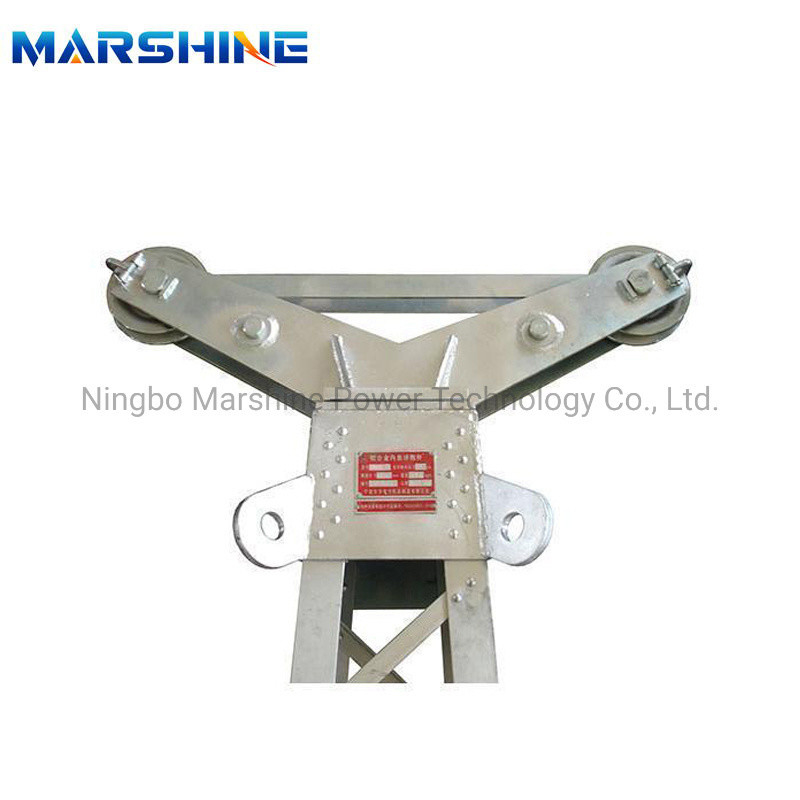
The first factor is rated load. A block should be selected with a safe working margin, not pushed close to its limit. The second factor is sheave diameter. A larger sheave can reduce bending stress on the conductor, especially when working with larger cables or longer pulling distances. The third factor is sheave material. Nylon sheaves are often valued for lighter weight and conductor protection, while metal sheaves may be chosen for demanding conditions where impact resistance and heavy-duty performance are important.
Frame design also matters. A strong frame helps maintain alignment during pulling. For angle construction or complex routes, buyers may need swivel structures or multi-sheave blocks. Bearing quality is another key point. A block that turns smoothly can reduce friction, save pulling effort, and improve overall work efficiency. In short, a Stringing Block should be evaluated as a complete working system rather than a single wheel in a frame.
- Rated load: Match the block to actual pulling tension and leave a safe margin.
- Sheave diameter: Choose a diameter that supports the conductor without excessive bending.
- Groove design: Make sure the groove fits the conductor and helps prevent slipping or side pressure.
- Sheave material: Consider conductor protection, weight, wear resistance, and field environment.
- Frame strength: Check whether the structure can remain stable during pulling.
- Bearing smoothness: Smooth rotation helps reduce friction and pulling load.
- Application type: Confirm whether the work involves single conductor, bundled conductor, fiber optic cable, or wire rope.
- Site conditions: Consider dust, rain, terrain, tower angle, and installation height.
Stringing Block Selection Table
The table below connects common field problems with the features buyers should pay attention to when comparing Stringing Block options.
| Field Problem | Possible Cause | Recommended Block Feature | Buyer Checkpoint |
|---|---|---|---|
| Cable surface scratches | Unsuitable groove or rough contact surface | Smooth sheave with conductor-friendly groove | Confirm conductor diameter and sheave material |
| High pulling resistance | Poor bearing rotation or small sheave size | Smooth bearing system and suitable sheave diameter | Ask about rotation performance under load |
| Cable jumping from the groove | Wrong groove shape or unstable pulling angle | Correct groove profile and stable frame structure | Review tower angle and route layout |
| Frequent site adjustment | Block type does not match working condition | Single, double, triple, or swivel design as needed | Share site drawings or route details with supplier |
| Short equipment life | Weak frame, low-grade material, or harsh environment | Durable frame and wear-resistant sheave | Check material, structure, and maintenance needs |
How Can Crews Use a Stringing Block More Effectively?
Even a well-built Stringing Block needs correct use in the field. Before operation, crews should inspect the sheave, bearing, hook, frame, locking parts, and any visible wear. A damaged block should not be used simply because the schedule is tight. During operation, the pulling route should remain as clean and aligned as possible. Side loading should be avoided because it can create uneven stress on both the block and the conductor.
The crew should also pay attention to communication. Pulling work often involves several positions along the line. If one location notices abnormal vibration, noise, cable rubbing, or unstable movement, the team should stop and inspect the issue before continuing. Small problems during stringing can become expensive problems after the conductor is fully installed.
- Inspect the block before every major pulling task.
- Keep the sheave groove clean from mud, stones, and metal debris.
- Avoid using a block beyond its rated working capacity.
- Check whether the conductor sits naturally in the groove before pulling.
- Use suitable support methods to reduce shaking at height.
- Store the block properly after work to reduce corrosion and unnecessary wear.
- Replace worn bearings or damaged sheaves instead of forcing continued use.
These habits may look basic, but they help protect both people and materials. On demanding projects, the best equipment and the best work habits must support each other.
Why Should Supplier Experience Be Considered?
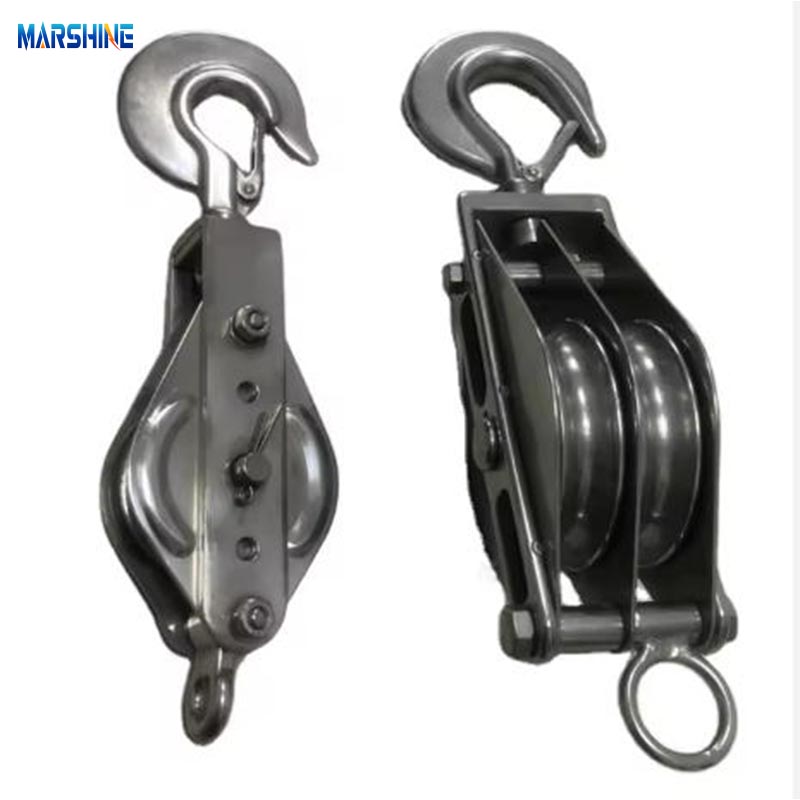
Buying a Stringing Block is not only about choosing a model number. Project buyers often need advice on size, capacity, sheave type, and matching tools. A supplier with experience in power line construction equipment can help reduce confusion before the order is placed. This is especially important when the buyer is sourcing for different project types, such as distribution line work, transmission line construction, cable laying, or maintenance operations.
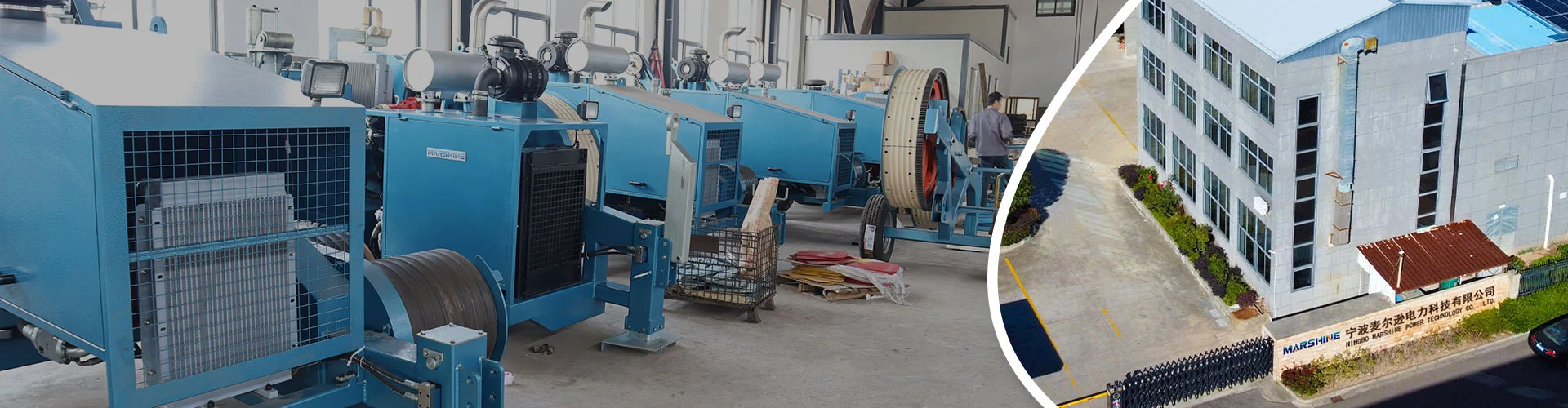
Ningbo Marshine Power Technology Co., Ltd. is associated with power construction tools and cable installation equipment, including products used for cable pulling and conductor stringing. For procurement teams, this kind of focused product background can make communication easier. Instead of asking only for a quotation, buyers can explain the conductor type, route angle, load requirement, and working environment. Then the supplier can help narrow the options and recommend a more suitable Stringing Block configuration.
This matters because low-price buying can become expensive when the equipment is mismatched. The real cost of a block includes field downtime, conductor damage, labor delay, replacement parts, and safety pressure. A practical supplier should understand that buyers are not only purchasing a tool. They are trying to protect a project schedule.
FAQ
What is a Stringing Block used for?
A Stringing Block is used to guide, support, and protect conductors or cables during pulling and stringing operations. It helps the cable move along the installation route with less friction and better control.
Which Stringing Block is better for protecting conductors?
The better choice depends on the conductor type, diameter, load, and working route. In many cases, buyers look for a smooth sheave, suitable groove design, stable frame, and proper sheave diameter to reduce surface pressure and friction.
Is sheave material important when choosing a Stringing Block?
Yes. Sheave material affects weight, wear resistance, conductor protection, and field handling. Buyers should choose the material according to the conductor, pulling tension, and site environment.
Do all projects need the same type of Stringing Block?
No. A simple straight-line job may use a different block from an angle tower, bundled conductor project, or heavy-duty transmission line task. The project route and load condition should guide the selection.
What information should buyers provide before asking for a quotation?
Buyers should provide conductor diameter, cable type, expected load, line angle, working height, quantity requirement, and project environment. This helps the supplier recommend a more suitable block instead of a general model.
Can a low-cost Stringing Block increase project cost later?
Yes. If the block creates friction, damages the conductor, wears quickly, or causes repeated adjustment, the final cost can become much higher than the original saving.
Conclusion
A Stringing Block may look like a simple tool, but it plays a serious role in power line construction. It affects conductor protection, pulling smoothness, work safety, equipment coordination, and installation efficiency. Buyers who only compare price may miss the details that actually decide field performance. A smarter choice begins with the conductor, the route, the load, and the working environment.
For contractors and procurement teams, the right Stringing Block should reduce friction, keep the conductor stable, match the expected tension, and remain durable under real jobsite conditions. When buyers work with a supplier that understands power construction tools, they can choose equipment with more confidence and fewer costly surprises.
If your team is preparing for a cable pulling, conductor stringing, or overhead line installation project, Ningbo Marshine Power Technology Co., Ltd. can help you compare suitable Stringing Block options for your working conditions. For model selection, technical discussion, or project-based purchasing support, please contact us today and get a practical solution built around your site requirements.