In cable laying, utility maintenance, and industrial installation work, handling heavy cable drums is never a small detail. It directly affects crew safety, cable condition, setup speed, and project rhythm. That is why many contractors, power teams, and infrastructure buyers are paying closer attention to Cable Reel Jack Stands. A well-designed stand does much more than lift a reel off the ground. It helps stabilize the drum, supports smoother pay-off, reduces manual strain, prevents cable damage, and creates a more predictable workflow on site. For companies that care about dependable field performance, choosing the right reel support system is often the difference between controlled cable handling and constant interruption. In this article, I will explain how to evaluate these systems, what problems they solve, and why buyers increasingly look for practical, heavy-duty solutions from experienced manufacturers such as Ningbo Marshine Power Technology Co., Ltd.
This article explores what Cable Reel Jack Stands do, why they matter in real jobsite conditions, and how buyers can choose the right model for different reel sizes, load requirements, and operating environments. I also break down the most common cable handling pain points, compare selection factors in a practical table, and answer frequent questions from purchasing teams, contractors, and utility operators.
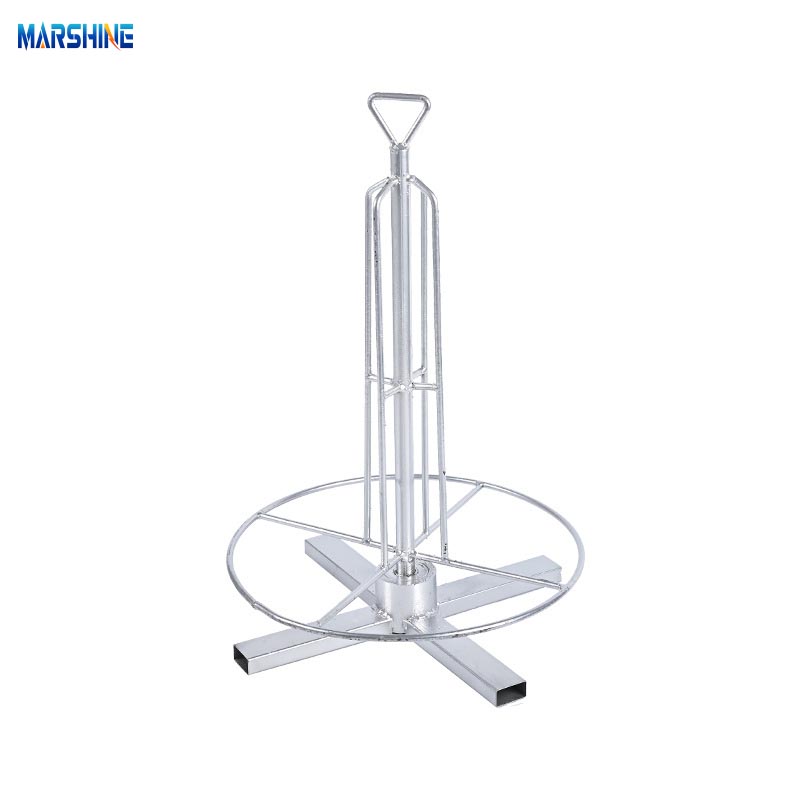
When crews work with large cable reels, the challenge is not only weight. The bigger issue is control. A cable drum that is unsupported, unevenly lifted, or poorly aligned can cause sudden rolling, unstable unwinding, excessive friction, or unnecessary bending stress on the cable itself. That leads to safety hazards, material waste, and lost time.
Cable Reel Jack Stands solve this by supporting the drum from both sides and creating a stable lifting and rotating point for cable pay-off. Instead of dragging cable awkwardly or improvising with unsafe supports, operators can keep the reel elevated, balanced, and easier to manage. On busy sites, that translates into cleaner installation, faster preparation, and fewer avoidable incidents.
For buyers, this matters because the stand is not an accessory. It is a working part of the cable handling system. If it performs poorly, the rest of the process becomes harder to control.
Key takeaway: Good Cable Reel Jack Stands help protect workers, protect cable quality, and reduce downtime during unwinding, rewinding, storage, and deployment.
Most buyers are not simply looking for “a stand that can hold a reel.” They are trying to avoid a list of real-world problems that appear once equipment reaches the field. These pain points usually include:
This is exactly why experienced procurement teams increasingly prefer purpose-built Cable Reel Jack Stands over improvised support methods. A proper stand reduces uncertainty. It gives the operator a more controlled way to handle reels during cable pulling, installation, and storage.
Not every project needs the same configuration. However, the best systems usually stand out for the same practical reasons. I always suggest buyers focus on features that directly affect safety, flexibility, and speed.
Buyers working in power distribution, telecom installation, railway projects, underground cable work, or industrial utility maintenance should also think beyond the first purchase price. A more capable stand often pays for itself through safer handling and fewer interruptions.
| Selection Factor | Why It Matters | What to Ask the Supplier |
|---|---|---|
| Maximum reel weight | Prevents overload and unsafe operation | What is the rated load and tested margin? |
| Height adjustment range | Fits different drum diameters and jobsite needs | What reel sizes can one model support? |
| Rotation performance | Affects cable pay-off smoothness and labor effort | Does the stand support easy unwinding under load? |
| Portability | Important for mobile field crews | Is the design foldable, modular, or easy to transport? |
| Material and frame durability | Determines service life in demanding environments | What materials and protective finishes are used? |
| Customization availability | Useful for non-standard reels or projects | Can the supplier provide OEM or tailored support? |
One reason Cable Reel Jack Stands remain in high demand is their versatility. They are not limited to one narrow application. In fact, they support a wide range of cable deployment and handling tasks.
Suppliers with broader experience in cable stringing and cable handling tools often understand these field conditions better. That is one reason buyers often look at manufacturers like Ningbo Marshine Power Technology Co., Ltd., which are associated with cable installation equipment rather than generic lifting hardware alone.
If I were helping a buyer shortlist the right Cable Reel Jack Stands, I would begin with application reality, not catalog wording. Start with these questions:
For lighter and more mobile tasks, portable and foldable models may be enough. For larger drums or repeated high-load work, more robust designs or hydraulic-assisted systems can bring better control and lower physical strain. Buyers dealing with mixed project types may benefit most from adjustable models that can serve across multiple reel dimensions.
The smartest purchasing decisions usually happen when the supplier understands the operational scenario, not just the product code.
Many teams focus heavily on unit price at the beginning, but field equipment tells a different story over time. If a stand bends, jams, becomes unstable, or needs constant attention, the cost appears elsewhere through delays, extra labor, and avoidable risk. That is why lifecycle value matters.
Reliable Cable Reel Jack Stands support repeatable performance. They are easier to inspect, easier to use, and easier to trust. That confidence matters on every project where crews are under time pressure. Purchasing teams also appreciate equipment that simplifies training. When a design is intuitive and stable, operators can use it more consistently.
A dependable supplier should also be able to discuss material quality, structural design, operating recommendations, and after-sales support with confidence. These details may not sound dramatic on paper, but in real procurement decisions they often separate a durable tool from a short-term workaround.
Q1: What are Cable Reel Jack Stands used for?
They are used to support and stabilize cable drums during unwinding, rewinding, handling, or storage. Their main role is to make cable movement safer, smoother, and more controlled.
Q2: Why are Cable Reel Jack Stands better than improvised supports?
Improvised methods may save money at first, but they usually create more risk. Purpose-built stands improve balance, reduce cable damage, and help crews work more efficiently.
Q3: How do I know what load capacity I need?
Start with the maximum reel weight you expect to handle, then choose a model with an appropriate safety margin. Never match capacity too closely to the exact drum weight.
Q4: Are portable models strong enough for professional use?
Yes, many portable models are designed for real field work. The key is to match portability with the load class and operating demands of your application.
Q5: Can suppliers customize Cable Reel Jack Stands?
Many experienced manufacturers can provide custom solutions based on reel size, height range, frame structure, and project requirements.
Q6: What industries typically buy these stands?
Common buyers include utility contractors, cable installation teams, telecom companies, construction firms, and industrial maintenance departments.
The real value of Cable Reel Jack Stands is not limited to lifting a drum. Their value lies in improving control, reducing manual difficulty, protecting cable quality, and helping teams work more safely under real operating conditions. For buyers who want fewer interruptions and better field performance, the right stand is a practical investment rather than a minor accessory.
If you are evaluating cable handling equipment for power, telecom, industrial, or construction applications, it makes sense to work with a supplier that understands the demands behind the equipment. Ningbo Marshine Power Technology Co., Ltd. offers cable handling solutions for demanding jobsite environments, and the right model can make a visible difference in both safety and efficiency. If you are comparing options for your next project, contact us to discuss your reel size, load requirements, and application needs, and find a more reliable solution for professional cable handling.