

Introduction
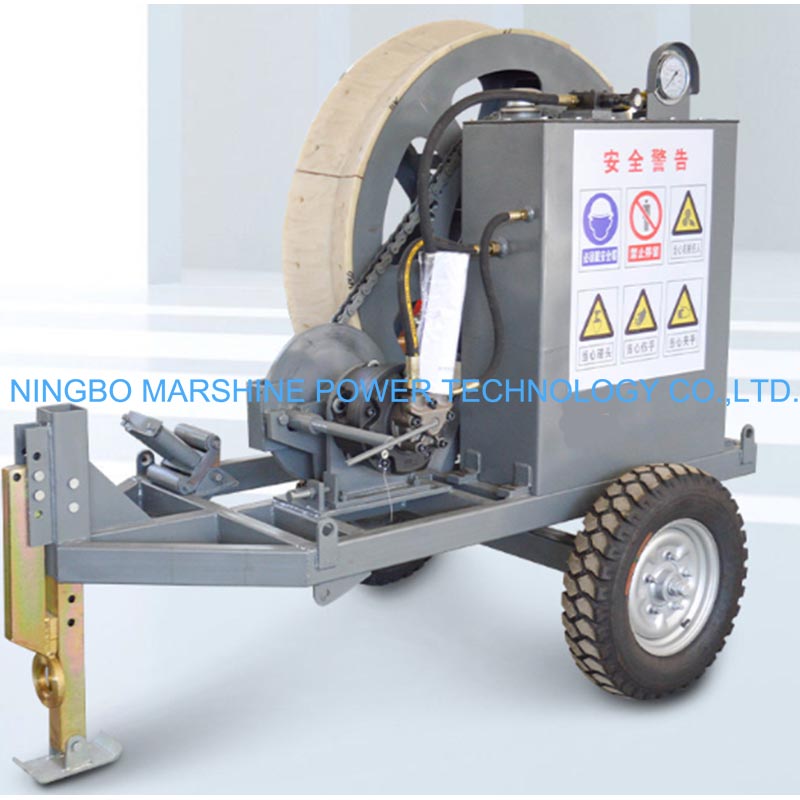
Wire rope pulling often becomes slower, riskier, and more labor-intensive when crews rely on bulky equipment or improvised methods in tight, uneven, or remote job sites. A portable capstan puller improves this process by delivering controlled traction in a compact, movable form, allowing operators to pull over long distances without the limits of a conventional drum. It can reduce setup time, ease handling in difficult terrain, and support steadier line movement for utility, cable, and construction work. The sections that follow explain how its capstan-based pulling action works, where it adds the most value, and why it can improve both field productivity and pull consistency.
Why Portable Capstan Pullers Matter in Modern Wire Work
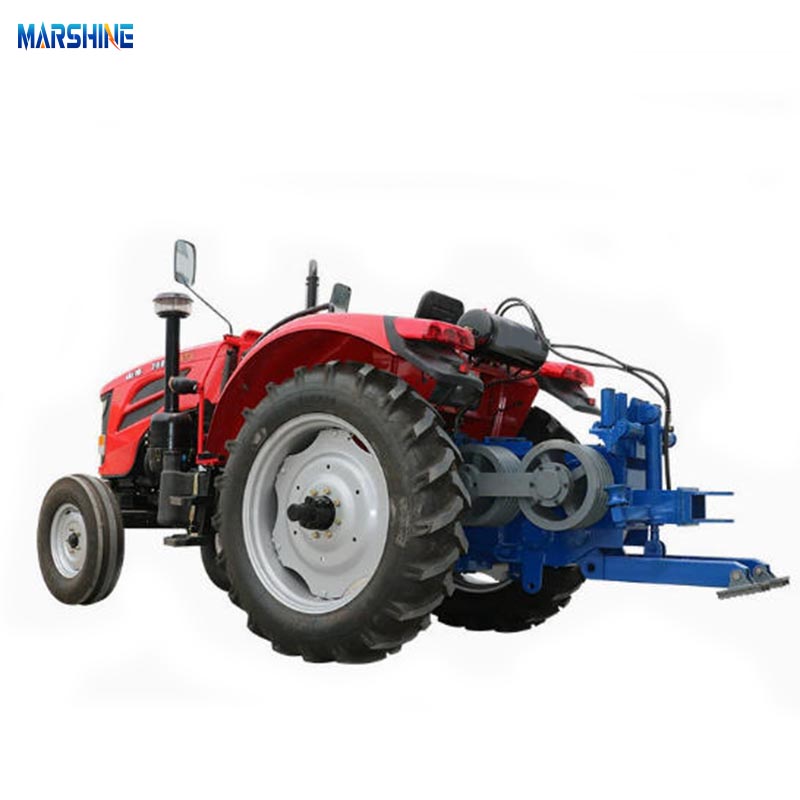
When utility crews and contractors tackle circuitry construction, dragging heavy lines across rough terrain or through complex conduit systems is a daily grind. A portable capstan puller fundamentally changes how teams handle these tasks. Instead of relying on bulky truck-mounted equipment, crews can carry a lightweight powerhouse directly to the pulling site. This flexibility is crucial for modern foundation construction, tower group lap wiring, and optical cable installations.
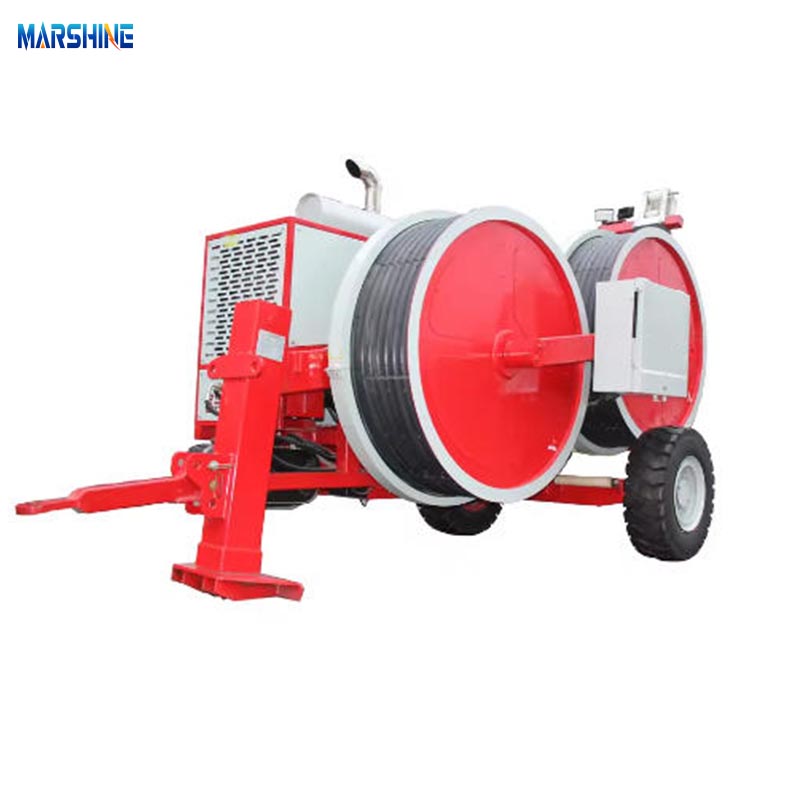
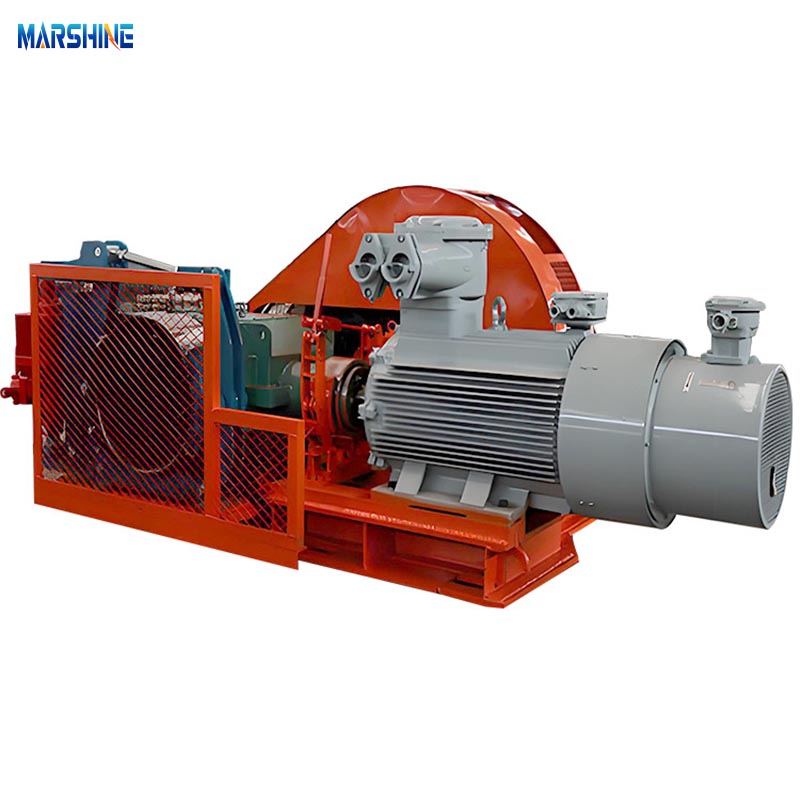
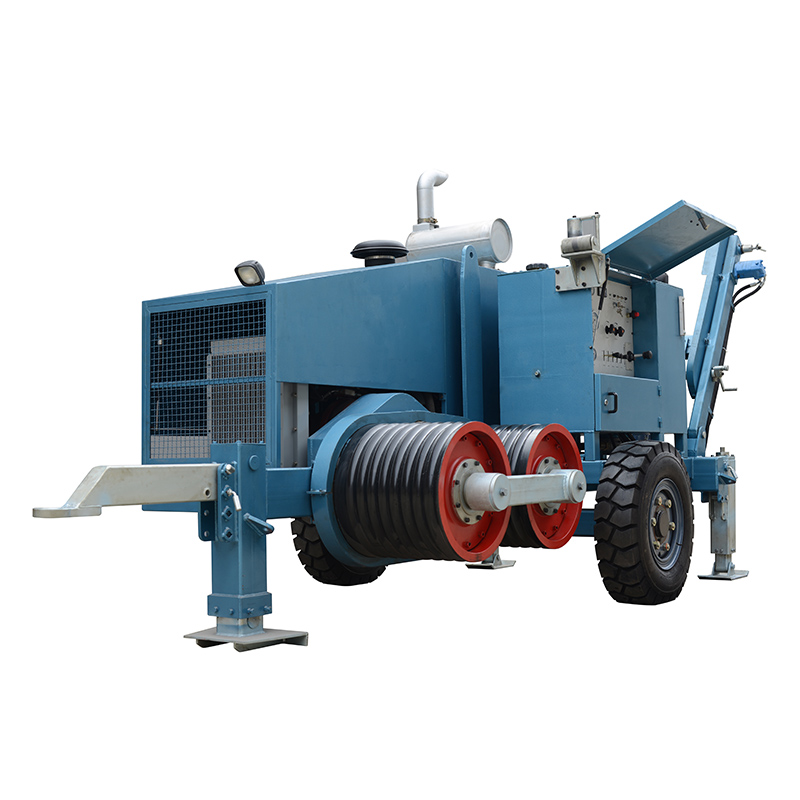
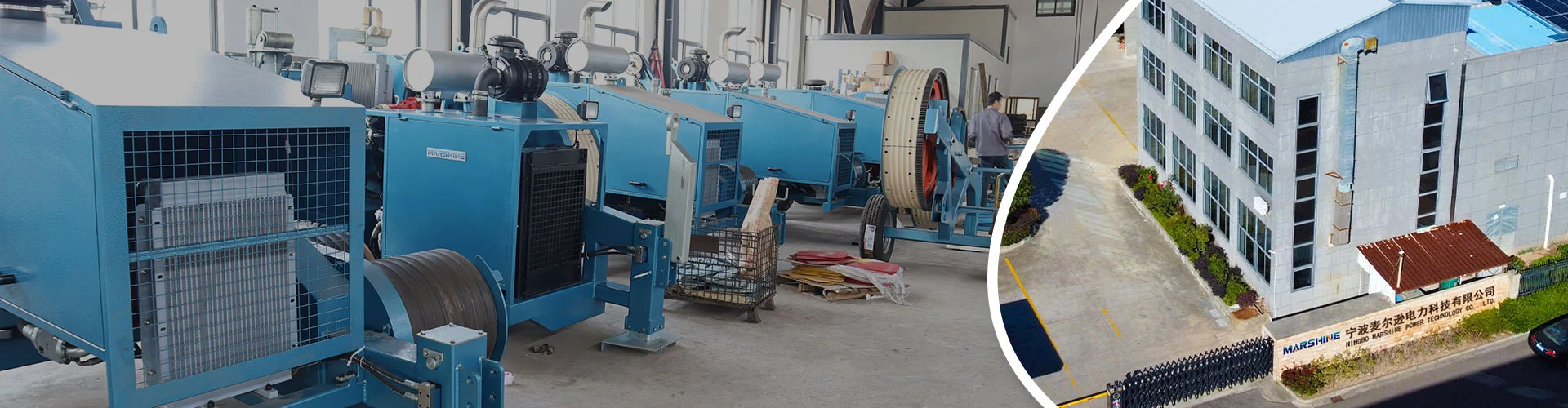
Leading manufacturers like Ningbo MARSHINE Power Technology Co., Ltd. have pushed the envelope in this space. Producing over a thousand kinds of tools across 20 series—including the hydraulic puller tensioner, cable winch, stringing pulley block, and aerial cable tools—they highlight how specialized gear streamlines field operations. A well-engineered capstan puller stands out in this vast lineup because its core feature—unlimited rope length—solves one of the most persistent bottlenecks in wire pulling.
How They Improve Pulling Efficiency
The biggest advantage of a portable capstan puller is its continuous pulling capability. Because the rope doesn't spool onto a drum, crews aren't limited by drum capacity. The friction created by wrapping the rope around the rotating capstan drum does all the heavy lifting. The operator simply maintains light tension on the tail line, allowing for infinite pulling distances.
This translates to massive efficiency gains on the job site. Most high-quality portable units deliver pulling capacities ranging from 1,000 lbs to a robust 3,000 lbs (4.4 kN to 13.3 kN) for heavier models. When combined with typical line speeds of 25 to 40 feet per minute, crews can pull long stretches of underground or aerial cable in a fraction of the time it would take using manual labor or frequently repositioning heavier machinery.
Key Specifications to Evaluate
Evaluating these pullers requires a close look at the numbers. Weight is a primary factor; a true portable unit usually tips the scales at under 35 lbs, allowing a single operator to hike it into remote rights-of-way. Power sources also dictate performance. Gas-powered models often utilize 50cc 4-stroke engines for off-grid reliability, while electric models (typically 120V AC or high-capacity lithium-ion) offer emission-free operation for indoor conduit pulls.
Another critical specification is the drum size and its compatibility with different rope diameters. Most standard capstans are optimized for 3/8-inch to 5/8-inch double-braided synthetic ropes. For a deeper look at comprehensive pulling solutions, checking out resources from MARSHINE can provide valuable context on how these specs align with broader utility construction needs.
Portable Capstan Pullers vs. Winches
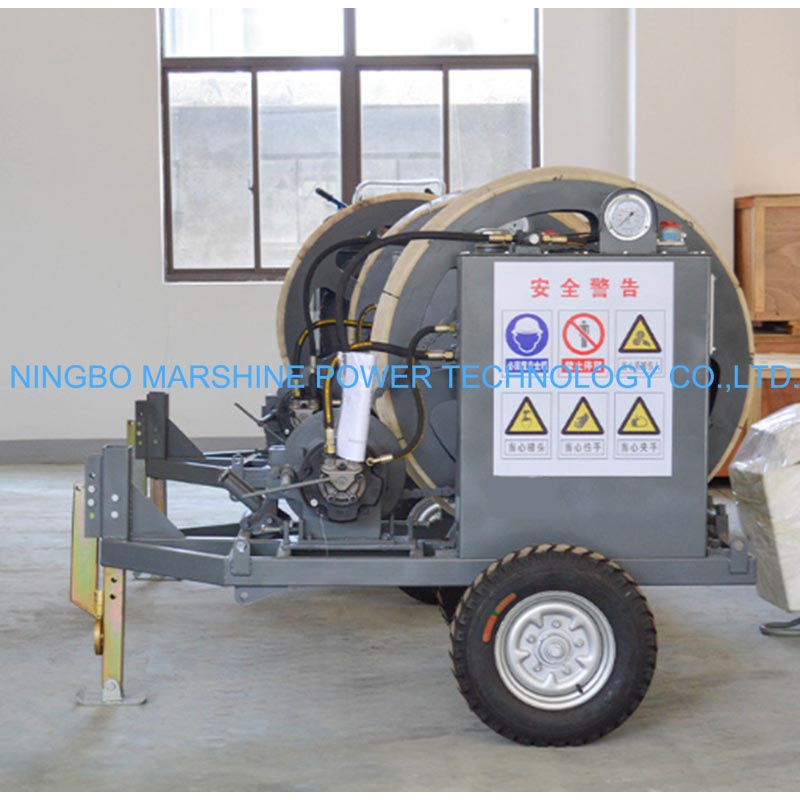
It is easy to confuse a portable capstan puller with a standard drum winch, but they operate on entirely different mechanical principles. Conventional winches store the wire or synthetic rope directly on a spool. While powerful, they are restricted by how much line the spool can hold, and the line itself can suffer from crushing or binding under extreme loads. Capstans bypass this entirely.
By relying on the friction of wraps around a working drum, capstan pullers leave the rope free to be stored in a separate bag. This specific feature makes them incredibly versatile for long-distance pulls where a traditional winch would simply run out of line.
Main Comparison Points
To understand the operational differences, it helps to look at them side-by-side. The choice between a capstan and a traditional winch usually comes down to the specific demands of the site, such as required tension, portability, and the total distance of the pull.
| Feature | Portable Capstan Puller | Conventional Drum Winch |
|---|---|---|
| Rope Length | Unlimited | Limited by drum capacity |
| Weight Profile | 20 to 50 lbs (Highly portable) | 100+ lbs (Often vehicle-mounted) |
| Tension Control | Manual tail line tension | Mechanical clutch/brake |
| Primary Application | Long continuous pulls, remote sites | Heavy, short-distance dead lifts |
| Line Speed | Consistent regardless of pull length | Varies based on drum layer |
When outfitting a crew for heavy-duty transmission line work, you might still need an overhead line winch for massive dead-weight lifts. However, for continuous stringing operations, the capstan's unlimited pull length wins out.
Essential Performance Parameters
When comparing these tools, performance parameters dictate the limits of your job site. A standard electric power winch might easily handle 10,000 lbs of force, but it sacrifices mobility. In contrast, a portable capstan puller maximizes its power-to-weight ratio. A high-end 35 lb capstan can achieve a mechanical advantage of up to 100:1 through its gearing and drum design.
Safety features are also distinct. Capstans often feature anti-reversing roller clutches that prevent the drum from spinning backward if the operator drops the tail line, instantly holding the load. This parameter is crucial when dealing with dynamic loads on an incline, ensuring that a 2,000 lb cable doesn't violently reverse course during a brief pause in the pull.
How to Choose the Right Portable Capstan Puller
Selecting the right portable capstan puller isn't just about grabbing the one with the highest load rating. It requires matching the tool's features to your specific workflow, whether you are dealing with underground cable tools, aerial cable tools, or complex transmission stringing blocks. Taking a systematic approach ensures you get equipment that actually improves your daily operations.
With so many variables in circuitry construction, your chosen puller needs to integrate seamlessly with your existing hardware, from cable conveyors to cable reel jack stands and heavy-duty pulleys.
Selection and Deployment Steps
The first step in deployment is calculating your maximum expected load. For example, pulling a 600V underground cable through a 300-foot conduit with multiple bends might generate around 1,500 lbs of tension. Selecting a capstan rated for at least 2,000 lbs gives you a necessary 25% safety buffer. Next, consider the environment. If your crews work primarily in enclosed spaces or urban vaults, a battery-powered or 120V AC electric capstan is mandatory to avoid exhaust fumes.
Proper anchoring is the next critical deployment
Further reading:
Key Takeaways
- The most important conclusions and rationale for portable capstan puller
- Specs, compliance, and risk checks worth validating before you commit
- Practical next steps and caveats readers can apply immediately
Frequently Asked Questions
What makes a portable capstan puller better for long wire rope pulls?
It uses friction on a capstan drum instead of storing rope on a spool, so pull length is effectively unlimited and line speed stays consistent.
How much pulling force should I choose for a portable capstan puller?
For many cable and wire jobs, 1,000–3,000 lbs is typical. Match the rating to cable weight, route friction, and safety margin.
Which rope works best with a portable capstan puller?
Most units are designed for 3/8-inch to 5/8-inch double-braided synthetic rope. Always confirm the exact rope diameter and type in the machine specs.
When should I use a capstan puller instead of a drum winch?
Use a capstan puller for long, continuous pulls in remote or narrow sites. Choose a drum winch for short, heavy lifts where stored line and braking are priorities.
Where can I compare portable capstan pullers with other cable pulling tools?
You can review related pulling equipment on cable-winch.com, including cable winches, hydraulic puller tensioners, and stringing blocks for complete jobsite setups.