

Introduction
Precise cable control depends on more than steady pulling power; it requires constant management of changing loads, line speed, and sudden resistance in the field. An intelligent tensioning system addresses these variables with real-time feedback and automatic adjustment, helping crews keep tension within safe limits and reduce the risk of conductor damage, slack, or dangerous overloads. This article explains how these systems improve control during installation, where they outperform manual methods, and what practical benefits they bring to efficiency, safety, and cable quality.
Why Intelligent Tensioning Systems Matter for Cable Control
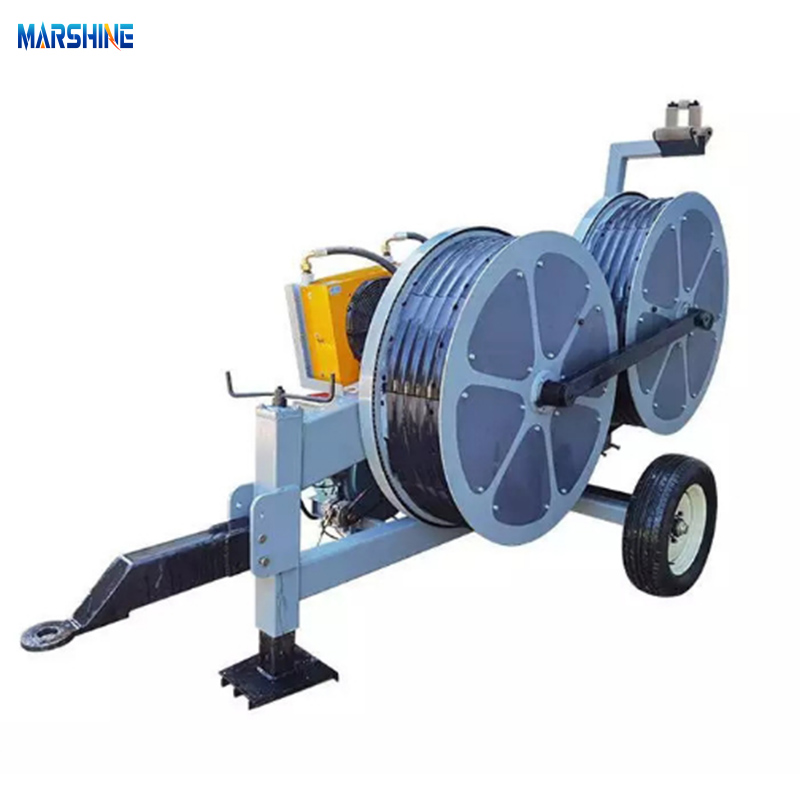
Stringing modern high-voltage transmission lines or delicate optical fiber networks isn't a job for guesswork. The shift toward an intelligent tensioning system is fundamentally changing how crews handle wire rope winches and cable pulling tensioners out in the field. Instead of relying purely on operator feel and manual friction brakes, these advanced setups use dynamic, closed-loop feedback to manage pulling forces.
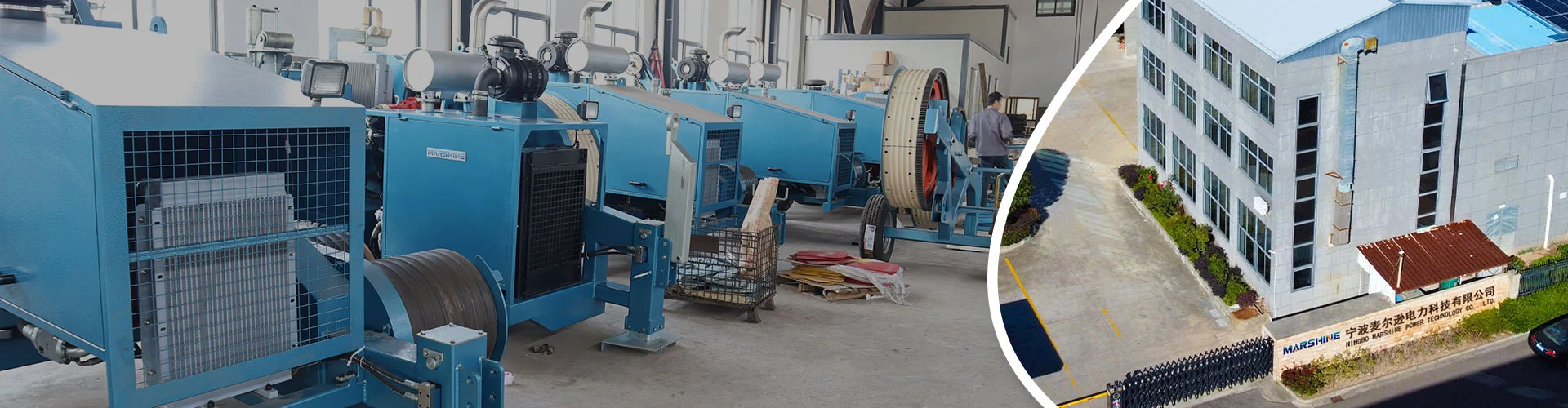
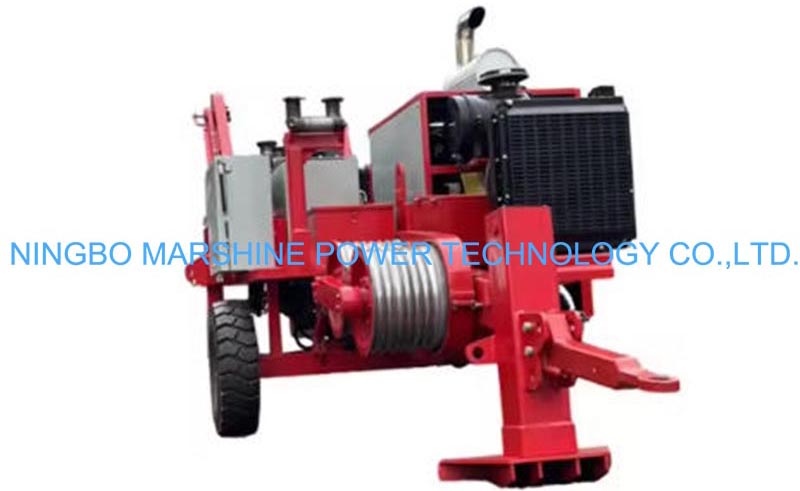
Companies pushing the envelope in this space, like Ningbo Marshine Power Technology Co., Ltd. (MARSHINE), design these tools under strict GB/T19001-2008 quality system certifications. By adhering to the philosophy that science and technology should be oriented around the user's demand, manufacturers are ensuring that grid construction is both safer and highly efficient.
Key Cable Control Requirements
Maintaining the physical integrity of a conductor requires strict adherence to load limits. Modern aerial and underground cables can suffer irreversible micro-bending, core damage, or jacket stretching if tension spikes even momentarily. An intelligent tensioning system keeps pulling tension within a tight ±1.5% to ±2% tolerance of the target load.
For example, if you are pulling a composite core conductor rated for a maximum safe tension of 40 kN, a traditional friction rig easily risks a 10% overshoot during sudden stops or snags. Smart systems equipped with precise sensors eliminate this spike entirely, preserving the cable's designed 40-year lifespan and ensuring optical fiber cable tools and transmission stringing blocks operate smoothly without damaging the payload.
How to Frame the Introduction
To understand the necessity of this shift, just look at the historical defect rates on large-scale infrastructure projects. Manual braking setups typically suffer an 8% to 12% defect rate related to tension inconsistencies, often requiring costly rework, splicing, or entirely new cable pulls.
By treating customer satisfaction as a primary promise, modern manufacturers have developed features that automate these critical safety boundaries. Instead of throwing more manpower at a complex 500kV line installation, crews can rely on automated tension control to handle the heavy lifting. This drops the risk of human error to near zero, significantly reduces the physical strain on operators, and streamlines the use of heavy-duty equipment like cable drum trailers and hydraulic crimping tools.
How Intelligent Tensioning Systems Improve Cable Control
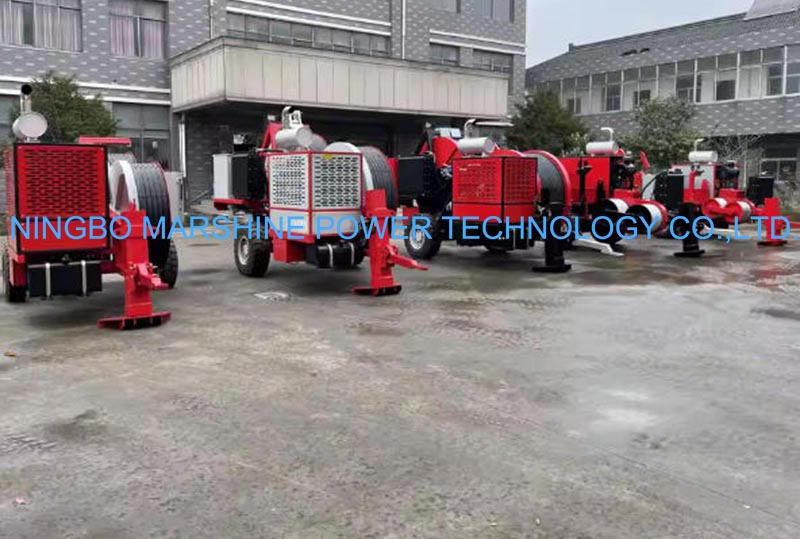
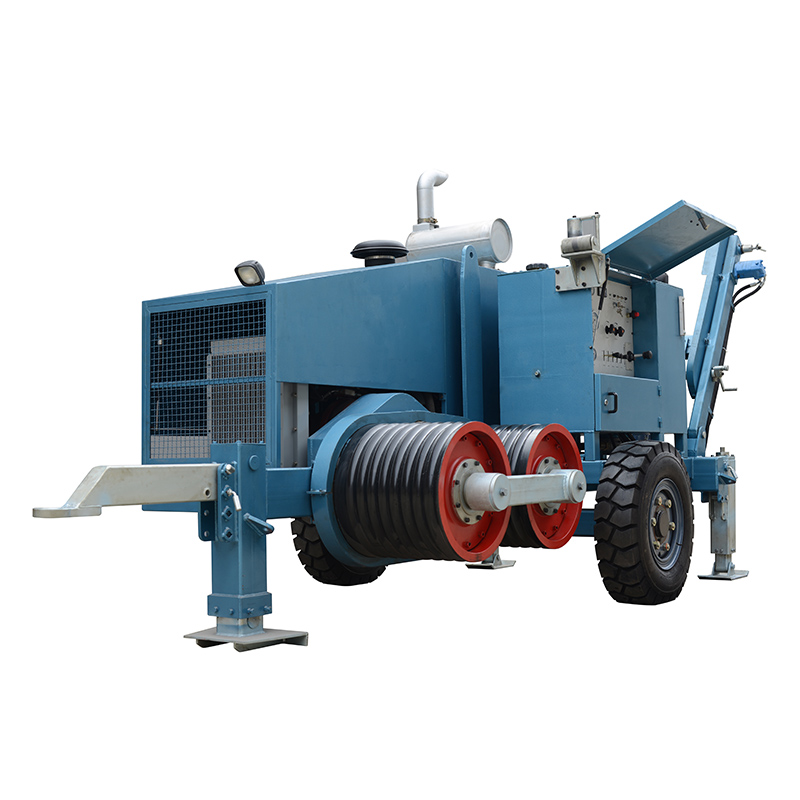
So, how exactly does this gear smooth out the pulling process? The secret lies in the transition from static mechanical resistance to active, closed-loop hydraulic management. By integrating advanced sensors and digital controllers, a modern PLC controlled tension machine continuously reads the line tension and adjusts the hydraulic pressure on the fly, ensuring the payout speed matches the pulling winch perfectly without dangerous slack or over-tensioning.
Core Operating and Automation Features
The core feature of these setups is their automated response loop. Equipment outfitted with sensitive load cells monitors the line force hundreds of times per second. If the puller suddenly accelerates or a universal stringing block snags, the auto tension adjustment equipment instantly modulates the braking valves in under 0.1 seconds.
This means an operator can set a maximum payout speed of 5 km/h and a constant tension of 35 kN, and the machine handles the rest automatically. Built-in data loggers also record the entire pull, giving you a digital footprint of the operation. This data tracking provides a transparent service monitoring record that is invaluable for client handovers and compliance audits.
Comparison of Performance Trade-Offs
Upgrading to an intelligent setup involves weighing initial costs against long-term operational savings. While the initial capital expenditure (CapEx) for a smart tensioner might be 30% to 40% higher than a basic mechanical unit, the payback period is usually less than two years thanks to reduced labor requirements and fewer damaged cables.
| System Type | Tension Accuracy | Response Time | Operator Requirement | Defect Rate (Est.) |
|---|---|---|---|---|
| Traditional Mechanical | ±10-15% | 2-3 seconds | 3-4 skilled techs | 8-12% |
| Intelligent Tensioning | ±1.5-2% | < 0.1 seconds | 1-2 supervisors | < 1% |
As the table shows, the operational features of a smart system drastically cut down the need for a massive crew. The automated precision essentially eliminates tension-related defects, making the trade-off highly favorable for contractors handling high-stakes utility work.
How to Specify and Deploy an Intelligent Tensioning System
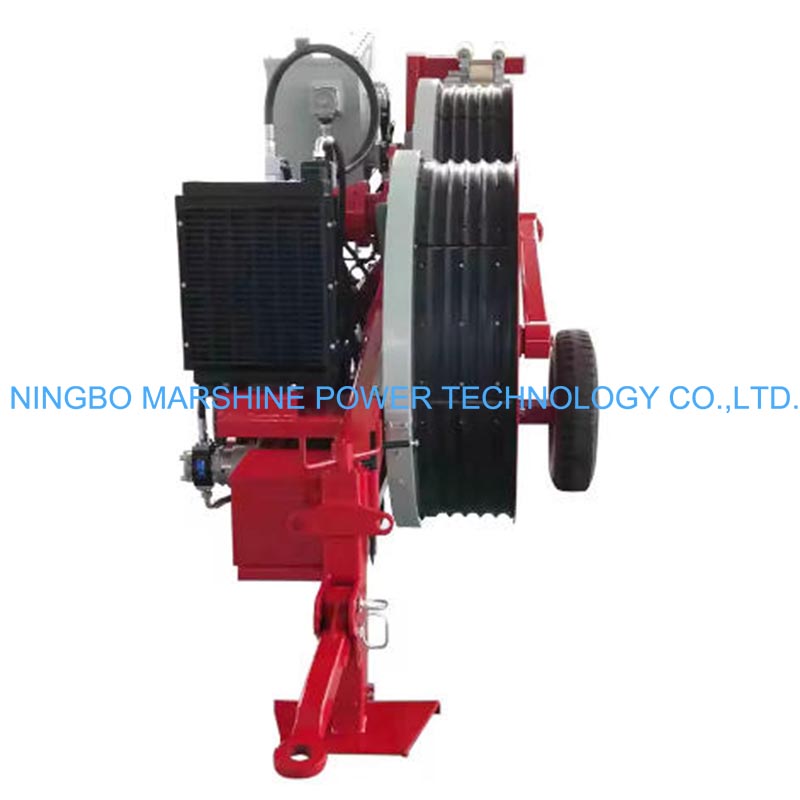
Specifying the right equipment requires looking beyond just the maximum pulling force. With over a thousand kinds of circuitry construction tools available across 20 series—ranging from fiberglass duct rodders and cable pulling socks to heavy-duty wire rope pulleys—finding the right intelligent tensioning system means matching the machine's capabilities to your exact project parameters and ensuring robust after-sales support.
Evaluation Criteria and Compliance Points
When evaluating a new system, start with the load capacity and conductor compatibility. For standard transmission work, you might look for a machine offering a continuous tension range of 30 kN to 280 kN, capable of handling conductor diameters up to 40 mm. Compliance is equally critical; ensure the equipment meets GB/T19001-2008 standards, which guarantees the manufacturing quality tracking is up to par.
You should also look for advanced operational features like multi-machine synchronization. This capability allows one operator to control two tensioners simultaneously for bundled conductor stringing, effectively cutting equipment setup times by 15% to 20% and reducing the minimum required personnel on site.
Practical Integration Steps
Rolling out this technology on the job site requires a phased integration. Start by pairing the new tensioner with compatible, high-quality accessories like nylon or aluminum wheels for pay-off pulleys, anti-twisting braided steel ropes, and reliable come-along clamps. Proper accessory matching prevents bottlenecks in the automated system.
Since the system relies on precise data, operators typically need a focused 2-to-3-day training window to get comfortable with the digital interfaces, calibrating load cells, and setting preset tension parameters.
Further reading:
Key Takeaways
- The most important conclusions and rationale for intelligent tensioning system
- Specs, compliance, and risk checks worth validating before you commit
- Practical next steps and caveats readers can apply immediately
Frequently Asked Questions
What does an intelligent tensioning system do?
It uses sensors and a PLC to hold cable tension within about ±1.5% to ±2%, reducing slack, spikes, and cable damage during pulling.
How is it better than a traditional mechanical tensioner?
It reacts in under 0.1 seconds, while manual systems can take 2–3 seconds and overshoot tension by 10% or more during snags or stops.
Which jobs benefit most from a smart tensioner on cable-winch.com equipment?
High-voltage transmission stringing, optical fiber installation, and long pulls using stringing blocks, wire rope winches, and cable drum trailers benefit most.
Can an intelligent tensioning system reduce labor on site?
Yes. A smart setup often needs only 1–2 supervisors instead of 3–4 skilled operators, while improving consistency and lowering defect rates.
Does it provide records for project handover and audits?
Yes. Many PLC-controlled tension machines log pull data, including tension and speed, creating practical records for client acceptance and compliance checks.