

Introduction
Choosing a copper busbar punching tool is less about brand names than about how reliably it produces clean, accurate holes under real shop conditions. The right tool affects connection quality, installation speed, operator safety, and the amount of rework caused by burrs, misalignment, or weak hydraulic performance. This article explains the features that actually matter when comparing options, including punching force, capacity range, die accuracy, build durability, portability, and ease of use. By the end, you will know how to judge whether a tool is simply usable or genuinely worth the investment for consistent busbar fabrication.
Why Copper Busbar Punching Tools Matter
When assembling heavy-duty electrical cabinets, the margin for error is basically zero. Copper busbars carry massive currents, and any sloppy connection can lead to overheating, electrical arcing, or catastrophic system failure. This is exactly where a dedicated copper busbar punching tool steps in as an indispensable piece of equipment. Instead of relying on traditional drilling—which leaves messy metal shavings and creates hazardous burrs—punching cleanly shears through the conductive metal. For professionals engaged in power grid construction and operation, having advanced, safe, and easy-to-handle tools is non-negotiable.
Definition and Main Uses
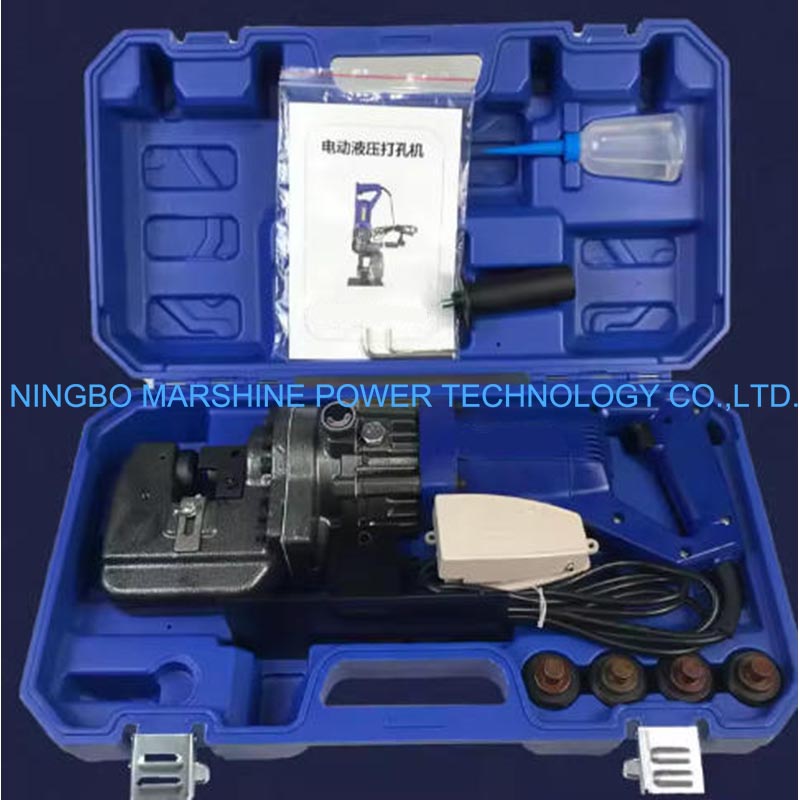
At its core, a copper busbar punching tool is a specialized hydraulic press designed to drive a hardened steel die straight through thick conductive metal. A standout product feature of a high-quality switchgear punching machine is its ability to deliver a remarkably smooth, burr-free finish on the inner rim of every hole. This clean cut ensures maximum surface contact area for bolts and electrical connectors, which is vital for maintaining low electrical resistance. Without this precision, micro-gaps can cause localized heating, severely reducing the lifespan and safety of the entire switchgear assembly.
Key Operating Specs That Affect Productivity
Productivity in commercial busbar fabrication comes down to a few core operating specs. First is the throat depth, which dictates exactly how far from the edge of the copper you can place a hole. A standard high-end tool offers a throat depth ranging from 95mm to 110mm, giving operators plenty of clearance for complex layouts. Punching speed is another critical factor; a robust hydraulic unit can cycle a complete hole in just 5 to 8 seconds. Look for built-in product features like adjustable positioning pins, heavy-duty scale guides, and material hold-downs. These additions eliminate constant manual measuring, cutting scrap rates and reducing operator fatigue.
What Makes a Copper Busbar Punching Tool Worth Buying
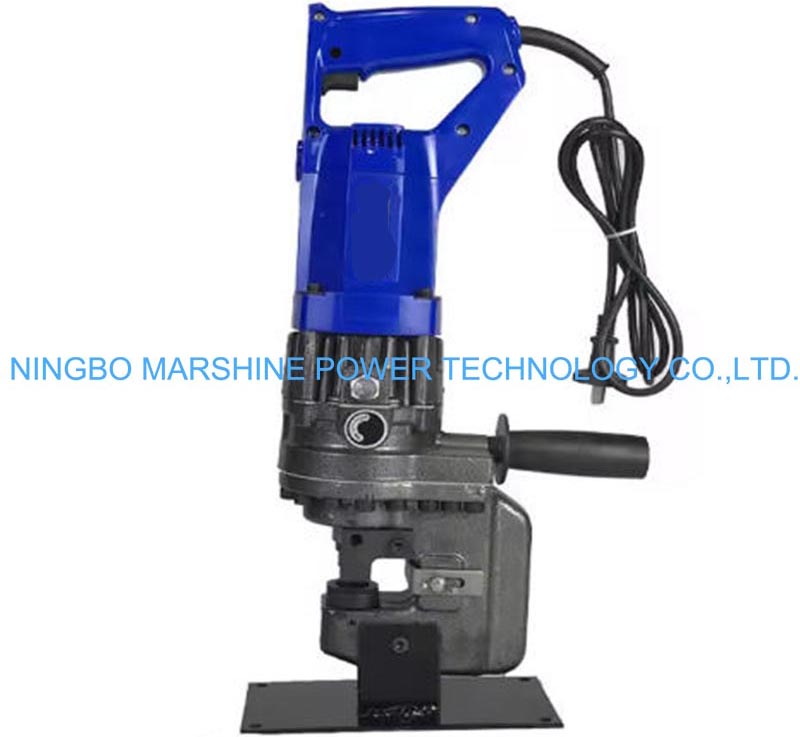
Not all punching tools are built to handle the daily, grueling grind of a busy fabrication shop. Determining what makes a specific model truly worth the investment means looking past the shiny exterior paint and digging deeply into the mechanical capabilities, die versatility, and the raw hydraulic power it brings to the workbench.
Hydraulic Force, Hole Range, and Busbar Capacity
Copper might be generally softer than structural steel, but punching a perfectly clean hole through a 12mm or 16mm thick busbar still requires serious mechanical muscle. A top-tier tool usually packs between 31 to 35 tons of hydraulic force. This immense pressure ensures the die shears the material cleanly rather than stretching, warping, or jamming inside the copper. Another highly desirable product feature is a broad hole range capability, typically accommodating interchangeable dies from 10.5mm up to 21mm (roughly 3/8 to 3/4 inches). Quick-change die systems are an absolute must-have feature for modern shops, allowing technicians to swap punch sizes in under a minute without needing specialized wrenches.
Comparison Criteria for Manual and Hydraulic Models
Deciding between a manual hand-pump model and a fully electric-hydraulic system usually comes down to your expected production volume, portability needs, and overall budget. Manual units are highly portable for field work but require significant physical effort, while electric-hydraulic models do all the heavy lifting for you at the push of a foot pedal. A notable product feature on premium hydraulic models is an auto-retract directional valve that instantly pulls the punch back up once the hole is complete, saving precious seconds on every single cycle.
| Tool Type | Avg. Cost Band | Punch Cycle Time | Max Copper Thickness | Best Application |
|---|---|---|---|---|
| Manual Hydraulic | $200 - $450 | 30 - 45 seconds | 10mm | Field repairs, low volume |
| Electric Hydraulic | $1,200 - $3,500 | 5 - 8 seconds | 16mm | High volume, shop floors |
| CNC Punching Station | $15,000+ | 1 - 3 seconds | 16mm+ | Automated mass production |
For teams punching hundreds of holes daily, the 5-to-8-second cycle time of an electric hydraulic unit quickly offsets its higher price tag through sheer labor savings and increased daily output.
How to Choose a Copper Busbar Punching Tool Supplier
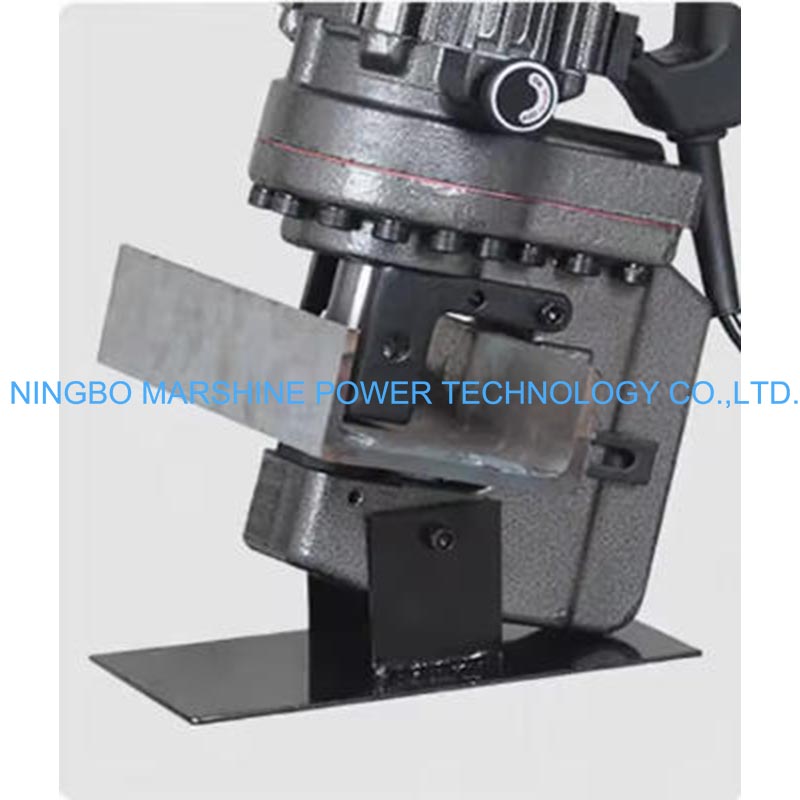
Even the absolute best hardware will eventually need replacement dies, hydraulic seals, or routine maintenance. Because of this, choosing the right supplier is just as critical as choosing the tool itself. You want an industry manufacturer that stands by their electrical power equipment with robust after-sales support and a long, proven track record of reliable quality.
Certification and Quality Checks
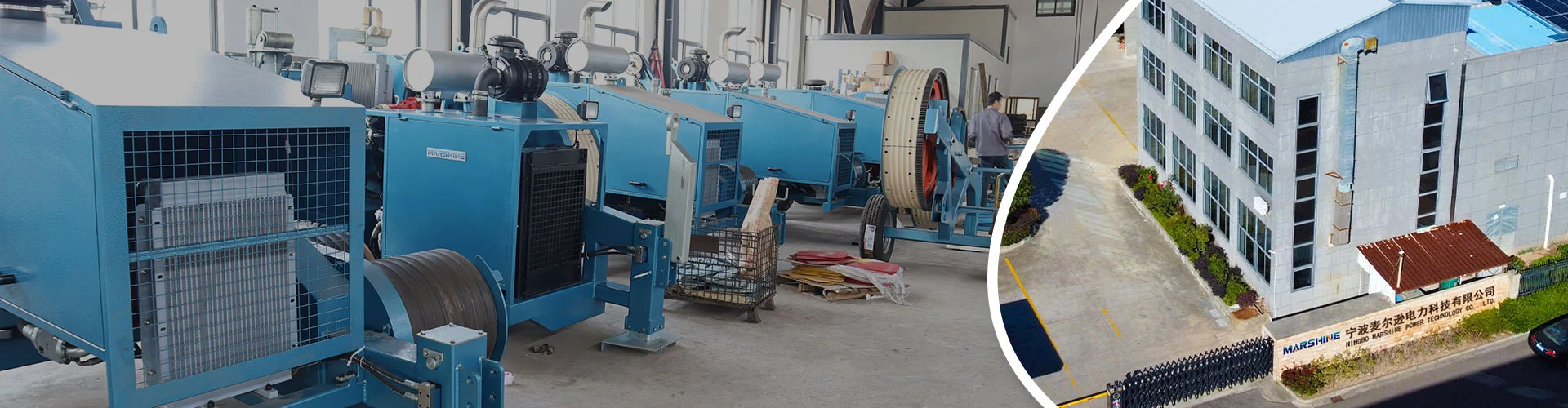
Rigorous quality assurance separates reliable suppliers from fly-by-night assembly operations. Look for manufacturers that have passed strict quality system certifications, such as the GB/T19001-2008 standard. A supplier driven by a science and technology-oriented philosophy will thoroughly test their tools for high-stress cyclic loading, keeping defect rates well below the industry standard of 1%. For instance, established companies like MARSHINE have built a solid reputation by continually innovating safe, easy-to-handle power grid construction tools. When a supplier integrates comprehensive quality tracking and service monitoring as core product features, it guarantees that every electrical panel punching machine performs reliably right out of the box and meets all heavy-duty safety promises.
Lifecycle Cost, Maintenance, and Lead Time
When evaluating a potential supplier, you must factor in the total lifecycle cost. Standard maintenance on these heavy-duty tools usually involves changing the hydraulic oil every 10,000 punches and replacing worn polyurethane O-rings. A reliable partner will always keep these consumable parts in stock and ready to ship. Lead times are also crucial to project planning; expect 15 to 30 days for specialized equipment, though standard, off-the-shelf units might ship much faster. Minimum Order Quantities (MOQs) for professional-grade punching tools typically sit at just 1 to 5 units, making them accessible for smaller fabrication shops. Ultimately, a supplier that establishes a complete after-sales system and adheres to a customer-first philosophy ensures that your equipment stays operational, keeping your production lines moving smoothly without suffering from costly, unexpected downtime.
Further reading:
Key Takeaways
- The most important conclusions and rationale for copper busbar punching tool
- Specs, compliance, and risk checks worth validating before you commit
- Practical next steps and caveats readers can apply immediately
Frequently Asked Questions
What hydraulic force is usually worth paying for?
For regular copper busbar work, look for about 31–35 tons. That range helps punch clean holes in thicker bars without stretching or warping the copper.
Which hole sizes should a practical copper busbar punching tool support?
A useful range is roughly 10.5mm to 21mm. This covers many switchgear and cabinet fastening jobs and reduces the need for multiple dedicated tools.
Is a manual or electric-hydraulic model better for power grid and switchgear work?
Manual suits field repairs and low-volume tasks. Electric-hydraulic is better for shop production because it cuts cycle time to about 5–8 seconds and reduces operator fatigue.
Why is burr-free punching better than drilling copper busbars?
Punching leaves cleaner holes with fewer shavings and less deburring. That improves bolt contact, lowers resistance, and helps prevent overheating in electrical connections.
What supplier features should buyers on cable-winch.com prioritize?
Choose a supplier with clear busbar capacity specs, die availability, hydraulic tool support, and products suited for power grid construction. Fast parts supply and practical technical guidance are also important.